

We may earn a commission when you buy through links on this page, at no extra cost to you. Learn more.
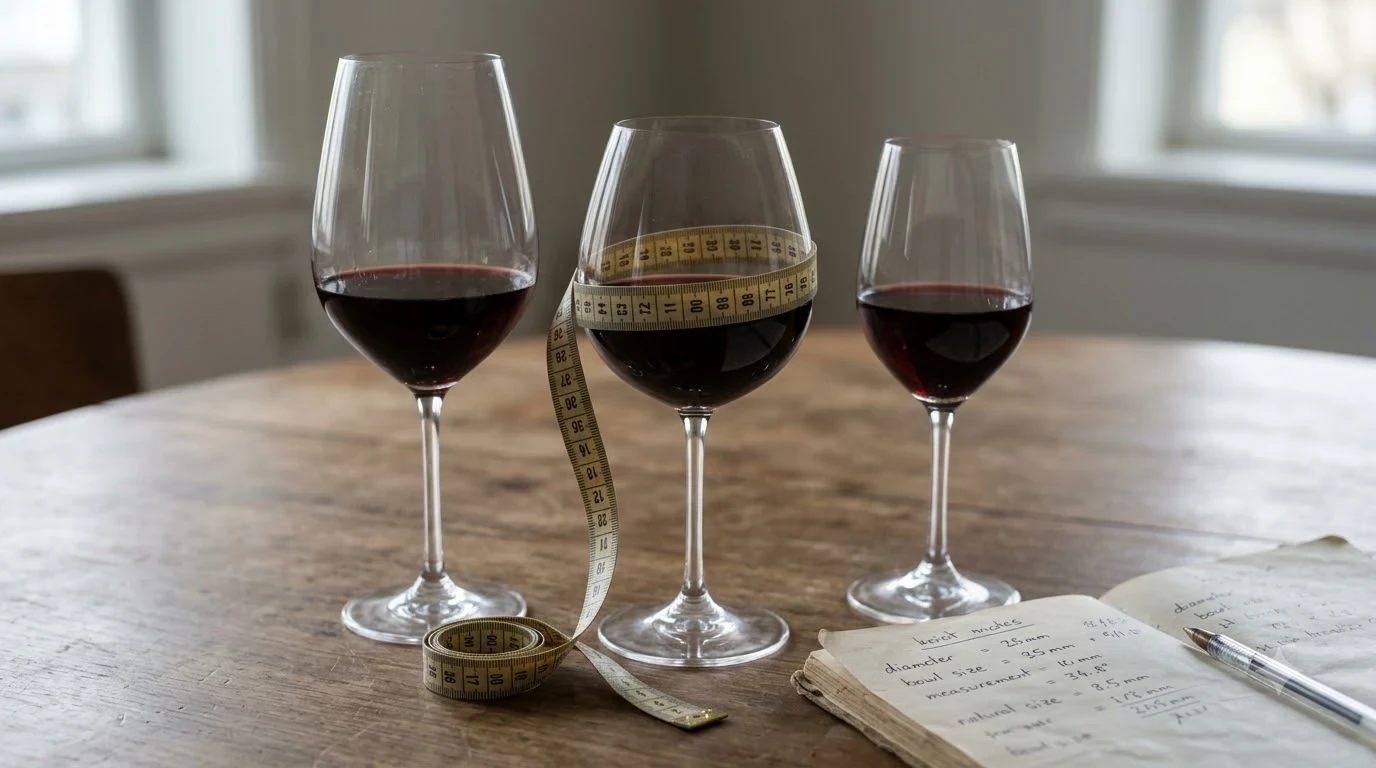
The best oversized wine glasses are large-bowl glasses shaped for full-bodied reds, and the right size depends on whether you drink bold Cabernet-style wines, delicate Pinot noir, or big whites that need extra room to open. A large bowl gives the wine more surface area to meet air and more space for aroma to gather. Stemless and casual versions work for everyday pours, while stemmed oversized glasses suit tasting and dinner. Pick the bowl shape first, then the size.
Oversized glassware is easy to misjudge. A bigger glass is not automatically better, and a very large bowl can make a light wine taste thin if it is poured too generously. This guide sorts the main options by the wines they suit, explains the shape differences that matter, and shows how to choose a set that fits how you actually drink.
Quick Comparison of Oversized Glass Types
Oversized glasses differ mainly in how wide the bowl is and how it narrows toward the rim. The table below compares the common types by the wines they serve and the trade-offs you should expect.
| Type | Bowl shape | Best wines | Keep in mind |
|---|---|---|---|
| Bordeaux-style oversized | Tall with a broad bowl | Full-bodied reds and blends | Heavy to hold for long pours |
| Burgundy-style oversized | Wide, rounded bowl | Delicate reds such as Pinot noir | Can overwhelm lighter wines |
| Oversized white glass | Wide-mouthed bowl | Full-flavored whites such as oaked Chardonnay | Warms up quickly without a stem |
| Stemless oversized tumbler | Short, wide bowl | Casual red nights | Less suited to tasting |
The shape rule behind these choices is simple. According to the Wikipedia entry on the wine glass, Bordeaux glasses are tall with a broad bowl and suit full-bodied reds, while Burgundy glasses are broader and suit delicate reds like Pinot noir. The bowl is the part that changes, so judging the bowl tells you most of what you need to know.
Best for Full-Bodied Red Wine
A Bordeaux-style oversized glass is the classic choice for Cabernet Sauvignon and other bold blends. Its tall, broad bowl gives a big wine room to open after it is poured, which is why it is the first glass most serious red drinkers reach for.
Why it stands out: Wine Folly’s guide to Cabernet Sauvignon recommends an oversized glass for the grape, and the broad bowl gives tannic, structured wines more space to show their aroma. The glass is also a good match for wines that benefit from decanting, since the larger surface helps the wine breathe once it is in the glass.
Keep in mind: a tall, broad bowl is heavier to hold through a long dinner and can feel awkward on a small table. Fill it only partway, since the shape is designed for a modest pour rather than a full glass.
Best for: people who drink Cabernet, Bordeaux-style blends, and other full-bodied reds several times a month.
Best for Delicate Red Wine
A Burgundy-style oversized glass has a wider, rounder bowl that suits lighter reds. It is the glass to use for Pinot noir and other wines where aroma and silky texture matter more than structure.

Why it stands out: the wide bowl spreads the wine across a larger surface, which lets fine aromas such as red fruit and earth come forward. Riedel’s own glassware guide states that its varietal glasses are calibrated by bowl shape, size, and rim diameter for specific grapes, which is the principle behind a Burgundy-style design.
Keep in mind: a wide bowl can make a light wine seem thin if it is poured too high in the glass. Pour modestly and let the wine open up as it warms slightly in the glass.
Best for: Pinot noir fans and anyone who prefers lighter reds that need aroma more than power.
Best for Big Whites and Oaked Chardonnay
An oversized white glass with a wide-mouthed bowl suits full-flavored whites. Oaked Chardonnay and rich, textured whites show more of their character when the glass gives them space, much like a red wine glass does for reds.
Why it stands out: the wide opening lets buttery and toasty notes gather in the glass, which a narrow white glass would hold back. It is a practical way to add a single larger glass to a set that is otherwise built around light whites.
Keep in mind: a large bowl without a stem gets warmed by the hand quickly, so a stemmed version keeps the wine at its serving temperature for longer. Serve cool white wine in a stemmed glass to keep it from warming too fast.
Best for: households that drink full-bodied whites and want a glass that matches the style.
Best for Casual Red Wine Nights
A stemless oversized tumbler is the most relaxed option. It has a short, wide bowl that is easy to pick up, set down, and carry around a kitchen or patio.
Why it stands out: the short shape is sturdy and stable, and there is no stem to knock over. It suits everyday red wine with dinner, movie nights, and casual gatherings where the glass will be handled often.
Keep in mind: a stemless glass does not keep the wine cool, and it is not the best choice for tasting. Hold it by the bowl only when the wine is already at the temperature you want.
Best for: casual drinkers who want an easy, durable glass for regular red wine at home.
Best for Hosts Who Want a Full Oversized Set
A matched set of oversized glasses in both red and white shapes helps a host serve the whole menu without borrowing from the cabinet. It is a useful investment for families and anyone who entertains often.
Why it stands out: a complete set means each guest has a glass suited to the wine on the table, and the matching shapes look coordinated. Stemmed sets also let guests hold the glass by the stem, which keeps the wine at the right temperature from the first pour to the last.
Keep in mind: a full set takes up more cabinet space and can cost more than a few single glasses. Buy only the shapes you will use, and check whether the glasses are dishwasher safe before ordering.
Best for: hosts, families, and small groups who serve a mix of reds and whites at the same meal.
How to Choose an Oversized Glass
Start with the wine you drink most. A bold red calls for a Bordeaux-style bowl, a delicate red calls for a Burgundy-style bowl, and a rich white calls for a wide-mouthed bowl with a stem. Use the table below as a quick check.
| Your main wine | Look for |
|---|---|
| Cabernet and bold blends | Tall glass with a broad bowl |
| Pinot noir and light reds | Wide, rounded bowl |
| Oaked white wine | Wide-mouthed bowl with a stem |
| Casual everyday red | Sturdy stemless tumbler |
Serving temperature matters as much as shape. Wine Folly lists 60 to 68°F (15 to 20°C) as the serving range for Cabernet Sauvignon, which means a large glass should be filled modestly so the wine stays in that range while you drink. Holding the stem helps, and the how to hold a wine glass guide covers the grip that keeps your hand off the bowl.
Before buying a set, read the manufacturer’s description of its shape. Riedel explains that its stemware uses stem height to keep body heat away from the wine and a stable base for everyday use, as described on its About RIEDEL page. Those same stem and base considerations apply to oversized glasses, which are easier to knock over than standard sizes.
Frequently Asked Questions
Is an oversized wine glass better for red wine?
For full-bodied reds such as Cabernet Sauvignon, a large bowl gives the wine room to open and release its aroma. Lighter reds like Pinot noir do well in a wide, rounded bowl too. The best choice depends on the wine, so match the bowl shape to the style rather than assuming bigger is always better.
Should I fill an oversized wine glass to the top?
No. A large bowl is designed for a modest pour so the aroma can gather above the wine. Filling it to the top leaves no room for swirling and makes the wine warm up faster in your hand. Pour a modest amount and leave room to swirl.
Do oversized glasses work for white wine?
Yes, if the white is full-bodied, such as an oaked Chardonnay. Light, crisp whites usually show better in a narrower glass that keeps them cool. A wide white glass with a stem is the safest choice when you want one larger glass for whites.
Are stemless oversized glasses good for tasting wine?
Stemless glasses are practical for casual nights and outdoor use, but they are not the best choice for tasting. Holding the bowl warms the wine, and the stem keeps the temperature steady. For careful tasting, choose a stemmed glass in the shape that fits the wine.
Oversized glasses reward a simple rule: match the bowl to the wine, pour modestly, and hold the stem. Start with one bold-red glass if you drink mostly Cabernet or blends, then add other shapes as your habits change. For a broader look at shapes across styles, see the wine glasses guide.
More in Wine Glasses
 Spiegelau Crystal Wine Glasses That Bring Clarity to Every PourUpdated Nov 21, 2026
 Zalto Crystal Wine Glasses: Are They Worth the Investment?Updated Nov 21, 2026
 Villeroy And Boch White Wine Glasses for a More Cohesive TableUpdated Nov 21, 2026
 Zalto Wine Glasses On Sale: Find the Right Denk’Art GlassUpdated Nov 21, 2026
 Zwiesel Glas Champagne Glasses: Features, Quality and Buying AdviceUpdated Nov 21, 2026
 Zwiesel Glas Decanter Review: A Durable, Elegant Choice for Wine ServiceUpdated Nov 21, 2026