

We may earn a commission when you buy through links on this page, at no extra cost to you. Learn more.
This korbel brut review finds that Korbel Brut is an approachable California sparkling wine with crisp citrus flavors, lively bubbles, and a balanced medium-dry finish. Made from Chardonnay, Chenin Blanc, French Colombard, and Pinot Noir, it offers familiar fruit flavors without requiring extensive wine knowledge. Its traditional bottle-fermentation method and versatile food-pairing profile make it a practical choice for casual celebrations, appetizers, and everyday entertaining.
Korbel Brut occupies a familiar place in American sparkling wine. It is often associated with weddings, holiday gatherings, brunches, and milestone celebrations, but its appeal extends beyond special occasions. Understanding its sweetness, grape composition, production method, and serving requirements helps determine whether it suits your preferences. This guide examines what the wine offers, who is most likely to enjoy it, and how to serve it successfully.
Who This Is For: Understanding Korbel Brut’s Appeal
Korbel Brut is a good candidate for drinkers who want recognizable fruit flavors, refreshing acidity, and traditional sparkling-wine bubbles in an approachable California style. Its medium-dry character makes it particularly suitable for people who prefer some softness rather than an extremely austere sparkling wine.
The wine works particularly well for casual hosts who need something versatile. A 750 ml bottle provides approximately five standard 5-ounce servings, making it convenient for a small gathering. The producer also offers 187 ml individual bottles and a 1.5-liter format, giving hosts different options for individual servings and larger occasions.
There are several types of drinkers who may appreciate this style:
- New sparkling-wine drinkers: The citrus, orange, lime, and strawberry character provides recognizable flavors without the need to understand complex regional terminology.
- Casual entertainers: Its combination of acidity and fruit makes it adaptable to appetizers, salty snacks, shellfish, and several party foods.
- Brunch hosts: The refreshing profile works on its own or as part of a sparkling-wine cocktail or mimosa setup.
- Fans of California sparkling wine: The wine offers traditional bottle fermentation while retaining a distinctly California identity.
- Drinkers who prefer moderate sweetness: Its medium-dry finish provides more softness than an extremely dry sparkling style without becoming a dessert wine.
However, Korbel Brut will not satisfy every preference. Drinkers looking for a completely bone-dry sparkling wine may prefer a Brut Nature or Extra Brut bottling. Those who want pronounced sweetness may find a Demi-Sec or Doux sparkling wine more suitable. People seeking the specific geographic identity and traditional regional characteristics of French Champagne should also distinguish California sparkling wine from Champagne produced in France.
The distinction is important because production technique and geographic origin are different considerations. Korbel uses traditional bottle fermentation, but the grapes come from California. The wine should therefore be understood as California sparkling wine rather than a bottle of French Champagne.
Key Factors to Compare: Grapes, Sweetness, and Production
The most useful way to assess Korbel Brut is to examine its grape blend, sweetness, acidity, alcohol content, and production method together. These factors explain why the wine tastes fresh and fruity while retaining a rounded finish.
| Factor | Korbel Brut details | What it means |
|---|---|---|
| Origin | California, USA | American sparkling wine |
| Wine style | Brut sparkling wine | Dry-style classification |
| Grape varieties | 4 varieties | Chardonnay, Chenin Blanc, French Colombard, Pinot Noir |
| Alcohol | 12% ABV | Typical full-strength wine alcohol level |
| Total acidity | 7.6 g/L | Supports a refreshing profile |
| pH | 3.20 | Indicates an acidic wine |
| Dosage | 1% | Contributes to the balanced finish |
| Fermentation | Stainless steel | Controlled fermentation environment |
| Secondary fermentation | Traditional bottle method | Creates sparkling-wine carbonation in the bottle |
| Standard bottle | 750 ml | Approximately five 5-ounce servings |
These specifications come from Korbel’s published product information and its brand distributor’s product description. The distinction between stainless-steel fermentation and bottle fermentation matters: stainless steel describes the fermentation environment, while traditional bottle fermentation describes how the sparkling wine develops its bubbles. The official Korbel Brut product specifications provide the producer’s details about its grape varieties, acidity, dosage, and production.
The four-grape blend
Korbel Brut combines four grape varieties rather than relying on a single grape. Chardonnay is widely associated with freshness, citrus character, and structure in sparkling wine. Chenin Blanc can contribute lively acidity and fruit expression. French Colombard is associated with bright, fresh fruit character, while Pinot Noir can contribute body and additional complexity.
The exact proportions of the four varieties are not provided in the standard product description. It is therefore better to understand the blend as a combination of complementary grape characteristics instead of assigning specific percentages to individual grapes.
Sweetness and acidity
Brut describes a relatively dry sparkling-wine category, but the term does not mean that every Brut tastes identical. The actual impression depends on acidity, residual sweetness, dosage, fruit character, and serving temperature.
Korbel describes its Brut as medium-dry, with a dosage level of 1%. Its published acidity is 7.6 grams per liter, which helps explain the fresh sensation that balances its fruit flavors. The result is a wine that can feel crisp without presenting as particularly severe or austere.
Production method
Korbel uses the traditional méthode champenoise process, in which secondary fermentation takes place inside the bottle. This is different from the tank method commonly used for Prosecco. The producer also states that its Brut grapes are harvested approximately two weeks earlier than grapes typically intended for still wines, helping preserve a delicate, bright character.
For a more detailed explanation of its production specifications and alcoholic strength, see our guide to Korbel Brut alcohol content.
Step-by-Step: How to Evaluate and Serve Korbel Brut
A consistent serving routine makes it easier to understand the wine’s aroma, flavor, texture, and balance. Four simple steps help reveal its character without requiring specialist equipment or formal tasting experience.
-
Start with the correct bottle and style.
Identify Korbel Brut rather than automatically assuming that every Korbel sparkling wine has the same sweetness. Korbel also produces Extra Dry, which has a different sweetness profile. The Brut designation is the starting point for understanding the style you are choosing.
-
Chill the wine before opening.
Serve sparkling wine at approximately 40 to 50 degrees Fahrenheit. This temperature range helps retain freshness and makes the bubbles feel lively. Avoid leaving the bottle in a warm room before serving, since excessive warmth can make the wine seem less refreshing.
-
Open the bottle carefully.
Remove the foil and loosen the wire cage while keeping a thumb over the cork. Point the bottle away from people and breakable objects. Hold the cork securely while slowly rotating the bottle, allowing the pressure to release in a controlled manner rather than forcing a loud pop.
-
Pour and evaluate the wine.
Use a clean flute or white-wine glass and pour approximately 5 ounces per serving. Observe the bubbles, smell the wine, and take a small sip. Notice the citrus character, fruit flavors, acidity, and finish before considering how it works with food.
During evaluation, separate aroma from flavor. Citrus and cinnamon are among the aromas identified by Korbel, while orange, lime, vanilla, and strawberry are included in its published flavor description. These are tasting references rather than guaranteed sensations for every drinker. Individual perception varies with temperature, glassware, food, and personal sensitivity to aroma.
It is also useful to pay attention to the finish. A sparkling wine can initially seem sharp because of its acidity but become softer as its fruit character develops. Korbel describes its Brut as having a balanced, medium-dry finish, which is a useful expectation for someone who does not enjoy extremely austere sparkling wine.
Tip: Chill Korbel Brut to approximately 40 to 50 degrees Fahrenheit before serving. If the bottle becomes too warm during a gathering, return it to an ice bucket rather than adding ice directly to the wine.
Types or Styles Explained: Korbel Brut and Other Sparkling Wines
Korbel Brut makes more sense when compared with the wider range of sparkling-wine sweetness categories and production methods. The word Brut is part of a recognized sweetness classification, while the grape blend and fermentation process provide additional information about the wine’s identity.
Understanding sparkling-wine sweetness
Sparkling wines are commonly classified according to their residual sugar. The following order runs from the driest category to the sweetest:
- Brut Nature: Extremely dry, with little or no added dosage.
- Extra Brut: Very dry, with slightly more permitted sweetness than Brut Nature.
- Brut: Dry sparkling wine with a limited amount of residual sugar.
- Extra Dry: Sweeter than Brut despite its potentially confusing name.
- Dry: Noticeably sweeter than Extra Dry in sparkling-wine terminology.
- Demi-Sec: Sweet enough to accompany some fruit desserts and richer dishes.
- Doux: The sweetest of these classifications.
This classification explains an important purchasing mistake: Extra Dry is not drier than Brut. The terminology comes from traditional sparkling-wine conventions, and modern drinkers sometimes interpret the words differently from their technical meaning.
Korbel Brut versus Korbel Extra Dry
Korbel’s Brut and Extra Dry bottlings are separate expressions with different intended sweetness profiles. The producer describes Brut as medium-dry, while Extra Dry is presented as an off-dry sparkling wine with a softer, fruit-forward character.
The published Extra Dry specifications list four grape varieties, 12% alcohol, and a dosage level of 1.50%. Korbel Brut, by comparison, is listed at 1% dosage and 12% alcohol. These differences help explain why the wines should not be treated as identical alternatives.
Brut is generally the more suitable starting point for drinkers who want a refreshing sparkling wine with moderate sweetness. Extra Dry may appeal more to those who enjoy a softer, sweeter impression, particularly alongside dried fruits, richer cheeses, and mildly spicy dishes.
Traditional method versus tank method
Another important distinction concerns how the bubbles are produced. Traditional-method sparkling wines undergo secondary fermentation in the bottle. This process is used for Champagne and Cava, as well as Korbel Brut.
Prosecco is commonly produced using the tank method, with secondary fermentation taking place in a pressurized tank. Prosecco is generally made primarily from Glera grapes and often emphasizes fresh fruit and floral aromas.
Both production approaches can create enjoyable sparkling wine, but they produce different styles. Traditional bottle fermentation is an important part of Korbel Brut’s identity, even though its California origin means it is not French Champagne.
For additional background on producers, grape varieties, and regional styles, explore our broader Wine Brands resource.
Common Mistakes When Choosing and Drinking Korbel Brut
Most misunderstandings about Korbel Brut involve its geographic identity, sweetness classification, serving temperature, or food compatibility. Recognizing these differences helps prevent unrealistic expectations and makes it easier to decide whether the bottle suits a particular occasion.
Confusing California sparkling wine with French Champagne
The word Champagne has a specific geographic meaning in the European wine system. Champagne refers to sparkling wine produced in the designated Champagne region of France under its applicable production requirements. Korbel Brut comes from California, so its traditional production method does not make it French Champagne.
This distinction does not automatically determine quality. It simply identifies where the wine comes from and the regional rules associated with its name. A California sparkling wine can use traditional bottle fermentation while retaining its own regional identity.
Assuming Brut means completely sugar-free
Brut is a dry-style classification, not a guarantee of zero sugar. Korbel describes its version as medium-dry and lists a dosage of 1%. Its fruit-forward profile can also make it seem softer than some other Brut sparkling wines.
Drinkers who prefer exceptionally dry wines should consider the differences between Brut Nature, Extra Brut, and Brut before choosing. Those who enjoy noticeable sweetness may prefer a different category entirely.
Serving the wine too warm
Temperature can substantially affect how sparkling wine feels. At approximately 40 to 50 degrees Fahrenheit, the wine should retain its refreshing character and lively carbonation. At warmer temperatures, the alcohol sensation and fruit aromas may become more prominent, while the overall impression can seem less crisp.
Serving it excessively cold can also make aromas difficult to appreciate. A short period outside the refrigerator may help the wine express more of its citrus, fruit, and spice character.
Pairing it with the wrong foods
Not every dish works equally well with sparkling wine. Korbel’s acidity and bubbles make it particularly adaptable to salty and fried foods, but very spicy dishes can make alcohol and bitterness seem more pronounced.
For example, lightly fried shrimp, salty crackers, and oysters are sensible choices. A heavily chili-seasoned dish may be less comfortable because alcohol can amplify the perception of heat. Very sweet desserts can also make a medium-dry sparkling wine seem less fruity and more acidic.
Expecting every bottle to taste exactly the same
Korbel identifies its Brut as a non-vintage blend involving multiple grape varieties, appellations, and vintages. Blending helps maintain a recognizable house style, but natural differences in fruit character and storage conditions can influence the drinking experience.
Wine Enthusiast has also published a tasting description emphasizing apple, citrus, bread dough, vanilla, and smoke, with a sharper acidic impression than the producer’s own medium-dry description. This illustrates why tasting impressions should be treated as individual assessments rather than universal guarantees.
Care and Storage Tips for Maintaining Freshness
Proper storage and serving help preserve the bubbles and fresh fruit character that define Korbel Brut. The most important considerations are temperature, light exposure, bottle handling, and how quickly the wine is consumed after opening.
Store unopened bottles correctly
For longer-term storage, keep sparkling wine in a cool, dark location with a relatively stable temperature near 55 degrees Fahrenheit. Avoid placing bottles next to ovens, radiators, windows, or other sources of heat and direct sunlight.
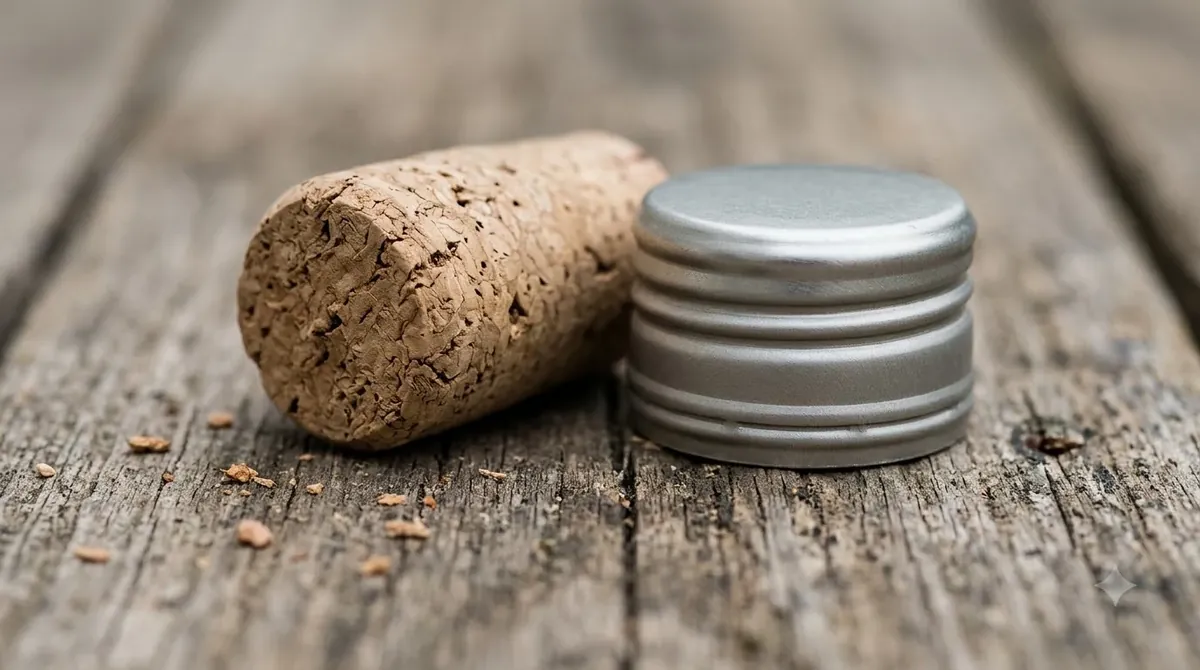
Traditional cork-closed bottles are commonly stored on their sides to help maintain contact between the cork and wine. However, the main priority for a sparkling wine intended for relatively early consumption is a consistent, cool storage environment without repeated temperature fluctuations.
Korbel Brut is generally better approached as a wine for relatively prompt enjoyment than as a bottle purchased for decades of cellaring. Its fresh fruit and lively carbonation are central to its appeal.
Keep the bottle cold before serving
Refrigerate the bottle before opening and aim for the 40-to-50-degree-Fahrenheit sparkling-wine serving range. An ice bucket can help maintain that temperature during a dinner or celebration.
Avoid shaking the bottle, particularly immediately before opening. Movement can increase the likelihood of an uncontrolled release of pressure and wine. Handle the bottle carefully and keep the cork directed away from people.
Preserve an opened bottle
Once opened, sparkling wine begins losing carbonation. A purpose-built sparkling-wine stopper can help slow that process, although it cannot preserve the original pressure indefinitely.
Store leftover wine in the refrigerator and aim to enjoy it within approximately one to three days. The precise condition depends on how much wine remains, how effectively the bottle is sealed, and how frequently it is opened.
A bottle with substantial wine remaining will generally retain its character better than one with only a small amount left. If the bubbles have faded noticeably, the wine may still be usable in certain recipes, but it will no longer provide the same sparkling experience.
Choose suitable glassware
Flutes are popular because their narrow shape makes the rising bubbles visually prominent. They are convenient for receptions, toasts, and occasions where presentation matters.
White-wine glasses provide a wider bowl, allowing more room for aromas to develop. They can be useful when paying attention to Korbel Brut’s citrus, cinnamon, vanilla, and fruit characteristics.
There is no requirement to purchase expensive specialist glassware. Clean glasses without detergent residue are more important than an elaborate shape, and a standard sparkling-wine flute is perfectly suitable for casual service.
Frequently Asked Questions
Is Korbel Brut suitable for making mimosas?
Yes. Korbel identifies its Brut as suitable for a mimosa bar. Its citrus-oriented flavor profile works with orange juice, while its carbonation provides the familiar sparkling texture. For a less sweet cocktail, use a larger proportion of sparkling wine and a smaller amount of juice.
Does Korbel Brut contain sulfites?
Korbel Brut, like many conventional wines, contains sulfites. Retail product labeling identifies sulfites as an ingredient-related warning. The exact concentration is not provided in the standard product description, so a specific milligram amount should not be assumed.
Is Korbel Brut a vintage or non-vintage wine?
Korbel Brut is identified as non-vintage in the producer’s product information. This means it is not presented as a wine from one specific harvest year. Its blending approach allows the producer to combine wines from multiple vintages as part of maintaining a consistent house style.
Can Korbel Brut be used in cooking?
Yes. A small amount can be used in recipes such as seafood sauces, risotto, and light pan sauces. Its acidity can provide freshness, while its fruit character can complement ingredients such as shrimp, chicken, and mild cheeses. Use freshly opened wine rather than sparkling wine that has developed unpleasant aromas.
Does traditional bottle fermentation make Korbel Brut identical to Champagne?
No. Traditional bottle fermentation describes a production technique, not a geographic designation. French Champagne must originate from the legally designated Champagne region, whereas Korbel Brut is produced in California. Both can use bottle fermentation while retaining different regional identities and wine characteristics.
Korbel Brut is a straightforward California sparkling wine for drinkers who appreciate refreshing acidity, familiar citrus and fruit flavors, and a balanced medium-dry finish. Its four-grape blend and traditional bottle-fermentation process give it a recognizable style that works across casual meals and celebrations. Understanding its sweetness and serving temperature makes it easier to choose the right occasion, pair suitable foods, and enjoy the wine at its best.
More in Wine Brands
 Louis Latour Wine Price: Compare Bottles by Style and TierUpdated Nov 20, 2026
 Yellow Tail Moscato Price: What to Expect Before You BuyUpdated Nov 20, 2026
 Sutter Home Sweet Red Review: Find the Right Food PairingsUpdated Nov 20, 2026
 Franzia Chillable Red Review: Find the Right Serving StyleUpdated Nov 20, 2026
 Veuve Clicquot Rose Review: Flavor, Food Pairings and Buying AdviceUpdated Nov 20, 2026
 Rombauer Wine Price: Compare Bottles Before You BuyUpdated Nov 20, 2026