

We may earn a commission when you buy through links on this page, at no extra cost to you. Learn more.
Is josh rose good? Yes, Josh Cellars Rosé is a good choice for everyday wine drinkers who enjoy light-bodied, refreshing, fruit-forward rosé with a crisp, dry finish. It offers recognizable flavors of strawberry, white peach, and citrus without relying on heavy oak or intense tannins. It is particularly appealing for summer meals, seafood, outdoor gatherings, and casual occasions, although drinkers looking for a complex, age-worthy rosé may prefer something more structured.
Josh Cellars has built a recognizable place in the American wine market, and its rosé follows the approachable style associated with the brand. Rather than emphasizing powerful flavors or unusual winemaking techniques, it focuses on fresh fruit, lively acidity, and an easy-drinking character. Understanding its sweetness, flavor profile, serving temperature, and food compatibility makes it easier to decide whether this California rosé deserves a place in your wine collection.
Who Should Buy Josh Cellars Rosé?
Josh Cellars Rosé is best suited to people who enjoy approachable California wines, fresh fruit flavors, and a relatively light drinking experience. Its combination of strawberry, peach, and citrus makes it particularly useful for casual occasions when a full-bodied red or richer white wine would feel too heavy.
The wine is a sensible option for beginners who are still discovering which wine styles they enjoy. Its fruit-forward profile provides familiar flavors rather than challenging earthy, smoky, or heavily tannic characteristics. Someone who regularly drinks Pinot Grigio, Sauvignon Blanc, or lighter rosé wines may find the transition particularly comfortable. Experienced wine drinkers can also appreciate its straightforward character when they want something refreshing rather than a bottle that demands close attention.
It works especially well for summer lunches, weekend picnics, backyard dinners, and informal celebrations. The producer specifically recommends fresh summer berries, grilled shrimp, and ceviche as pairing options. Those suggestions indicate the kind of food-friendly experience the wine is designed to provide. It can also accompany grilled chicken, simple vegetable dishes, and lighter seafood preparations.
However, expectations matter. Josh Cellars Rosé is not necessarily the right purchase for someone seeking the layered mineral character of a premium Provence rosé or the richness of a serious, barrel-aged white wine. Its primary appeal is accessibility and refreshment, not extended cellaring or intricate winemaking character.
Consider these general buying profiles:
- First-time rosé drinkers: A useful introduction to fresh, fruit-driven pink wine.
- Casual wine drinkers: A practical style for relaxed meals and warm-weather gatherings.
- Seafood enthusiasts: A natural companion for shrimp, ceviche, and grilled fish.
- Dry-wine drinkers: An appealing option if you enjoy fruit flavors without a distinctly sugary finish.
- Complexity seekers: Less suitable if you prioritize pronounced minerality, extended aging, or detailed vineyard character.
If you are comparing this bottle with other wines from the producer, the Josh Rose overview provides another useful starting point for understanding the style and available options.
Key Factors to Compare Before Buying
The most important considerations are dryness, fruit character, acidity, body, and alcohol content. These characteristics determine whether Josh Cellars Rosé matches your preferences and whether it will work with the food you intend to serve.
The producer describes the wine as crisp, light-bodied, and refreshing, with citrus, white peach, and strawberry flavors. Independent reviews add useful detail. Wine Enthusiast’s review of the 2024 bottling identifies peach, nectarine, strawberry, sweet cherry, citrus blossom, dried sage, and mineral notes. These descriptions suggest a wine that combines approachable fruit with enough freshness to avoid feeling heavy.
| Factor | Typical Character | What It Means for Buyers |
|---|---|---|
| Wine category | California rosé | Suitable for casual meals and warm-weather occasions. |
| Body | Light-bodied | Feels relatively delicate rather than heavy or dense. |
| Sweetness impression | Dry, fruit-forward | Fresh fruit flavors without a strongly sugary finish. |
| Fruit character | Strawberry, peach, nectarine | Offers familiar red-fruit and stone-fruit flavors. |
| Citrus character | Citrus and orange notes | Helps create a refreshing impression with food. |
| Alcohol content | 12.5% ABV in the reviewed 2024 bottling | Moderate alcohol strength for a still wine. |
| Reviewed bottle size | 750 ml | Approximately five standard 5-ounce pours. |
| Best serving temperature | 45–50°F | Keeps the wine refreshing without excessive cold. |
Alcohol content deserves attention because it affects the overall drinking experience. Wine Enthusiast reports 12.5% ABV for its reviewed 2024 bottling, which is a relatively moderate level for a still wine. A standard 750 ml bottle provides approximately five 5-ounce servings. The alcohol figure is useful when comparing wines, although it does not independently determine sweetness, quality, or flavor intensity.
Acidity is another important consideration. A refreshing rosé needs sufficient freshness to balance its fruit flavors, particularly when served alongside seafood or vegetables with citrus dressing. Josh Cellars emphasizes bright citrus character in its own description, while Wine Enthusiast identifies mouthwatering mineral notes in its 2024 review. These characteristics help explain why the wine can work with dishes that would make a heavier wine feel cumbersome.
For a more detailed comparison of the alcohol figure and how it affects a serving, see the guide to Josh Rose alcohol content.
Step-by-Step: How to Decide Whether Josh Rosé Suits Your Taste
A good buying decision starts with identifying your preferred wine style rather than relying on the label or brand name. Five straightforward checks can help determine whether this rosé matches your expectations.
-
Decide how much sweetness you enjoy.
Start by identifying whether you prefer dry wines or noticeably sweet wines. Josh Cellars Rosé is generally better suited to people who enjoy dry, fruit-forward wines. Its strawberry and peach flavors can create a fruity impression, but fruitiness should not automatically be confused with residual sugar. If you usually choose sweet Moscato or dessert wines, this bottle may taste considerably drier than expected.
-
Consider your preferred body.
Light-bodied wines are generally easier to serve with delicate meals and warm-weather dishes. Josh Cellars describes its rosé as light-bodied, making it a reasonable match for people who do not enjoy heavy, concentrated wines. If you normally prefer full-bodied Chardonnay or structured Cabernet Sauvignon, its lighter texture may feel less substantial.
-
Think about your favorite fruit flavors.
Look for wines with strawberry, white peach, nectarine, and citrus characteristics if those flavors appeal to you. These are central to the producer’s description. Wine Enthusiast also identifies raspberry, papaya, and blood orange in its review of the 2023 bottling, showing how the fruit profile can vary between reviewed vintages.
-
Match the bottle to your intended meal.
Think about whether you are serving shrimp, grilled fish, ceviche, fresh berries, or a summer salad. These foods complement the wine’s lighter profile. If your meal centers on a large steak with a rich sauce or intensely spicy food, a different wine style may provide a better match.
-
Choose the right serving conditions.
Plan to chill the wine before opening it. A temperature of 45–50°F is a useful target for light-bodied rosé. Serving it too warm can make the alcohol seem more noticeable and reduce its refreshing character, while excessive chilling can make its delicate fruit aromas harder to recognize.
These checks are particularly helpful when buying wine for guests. A bottle that suits someone who enjoys crisp Sauvignon Blanc may not satisfy a guest who prefers sweet, aromatic wines. Understanding the intended style prevents that mismatch.
Tip: If you are unsure whether Josh Cellars Rosé is dry enough for your preferences, serve a small 2-ounce sample at approximately 48°F before pouring a full glass. Pay attention to the finish rather than judging sweetness from the strawberry and peach aromas alone.
Types and Styles: Understanding the Taste of Josh Cellars Rosé
Josh Cellars Rosé belongs to the still rosé category, a broad family of wines made in different styles using red wine grapes. Its California expression emphasizes fresh fruit, citrus, a light body, and refreshing character rather than substantial tannin or heavy oak influence.
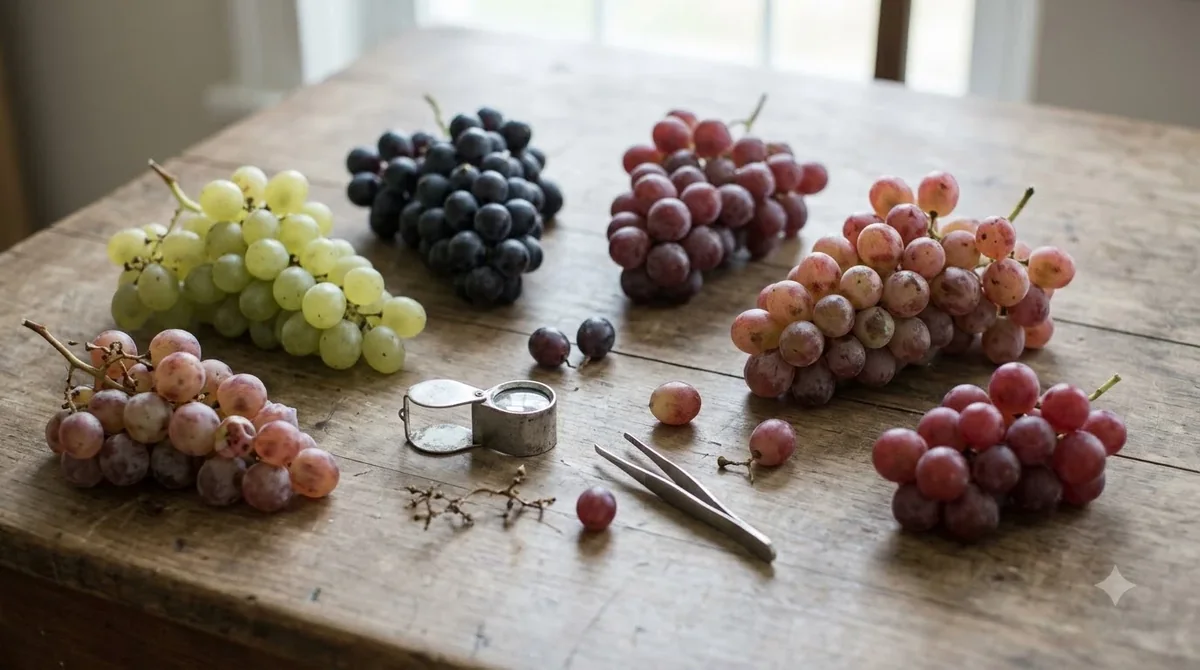
Rosé gets its pink color from contact between grape juice and red grape skins during winemaking. The amount of contact influences the wine’s color and can also contribute to its flavor and structure. However, a pale pink appearance does not automatically indicate sweetness, and a darker shade does not necessarily mean a wine has more body or alcohol.
For Josh Cellars, the producer’s description focuses on strawberries, white flowers, stone fruits, white peach, and citrus. These characteristics place the wine in the fruit-forward, approachable category. Wine Enthusiast’s reviews provide additional evidence of its variation across bottlings. Its 2023 review described a more expansive collection of raspberry, papaya, blood orange, rhubarb-cranberry, and spice notes, alongside a dry mineral finish.
Dry, fruit-forward rosé
This is the most useful way to understand Josh Cellars Rosé. Dryness describes the impression of sweetness on the palate, while fruit-forward describes the flavors and aromas. A wine can taste strongly of ripe strawberries without containing enough residual sugar to be considered sweet.
That distinction matters for buyers. Someone who enjoys dry white wines with expressive fruit may find the wine appealing, even if they usually avoid bottles described as fruity. Conversely, someone expecting a sugary strawberry drink may be disappointed by its drier character.
Light-bodied California rosé
A light-bodied rosé generally has less weight on the palate than a rich Chardonnay or full-bodied red wine. This makes it suitable for simple dishes, lighter lunches, and meals where the wine should complement rather than dominate the food.
The style is particularly useful when temperatures are warm. A chilled glass can accompany seafood, vegetable salads, and fruit-based dishes without creating the heavy sensation that a strongly structured wine might produce.
How vintage descriptions can differ
It is important not to assume that every vintage will taste identical. The 2023 Josh Cellars Rosé received a 93-point review from Wine Enthusiast, which described a lush, lively profile with white nectarine, blood orange, rhubarb-cranberry, and a dry mineral finish. The reviewed 2024 bottling received 88 points, with peach, nectarine, strawberry, sweet cherry, citrus blossom, and dried sage among its described characteristics.
Those differences illustrate why vintage-specific reviews are useful. They do not necessarily indicate that one bottle will suit every drinker better than another. Personal preference, food pairing, and the desired level of fruit intensity all matter when evaluating a rosé. For the detailed 2024 tasting assessment, see Wine Enthusiast’s Josh Cellars 2024 Rosé review.
For broader comparisons between different producers and wine categories, the Wine Brands resource can help put Josh Cellars into a wider buying context.
Common Mistakes When Buying and Drinking Josh Rosé
Most disappointment with approachable rosé comes from incorrect expectations or serving choices. Understanding five common mistakes can make a noticeable difference to the drinking experience.
1. Assuming fruity means sweet
Strawberry, peach, and nectarine are recognizable fruit flavors, but their presence does not mean a wine is sugary. Josh Cellars describes its rosé as crisp and refreshing, while Wine Enthusiast identifies a dry mineral finish in its 2023 review. Buyers who dislike sweet wine should distinguish aromatic fruit character from actual sweetness.
2. Expecting the complexity of premium Provence rosé
Not every rosé is intended to deliver the same experience. Some premium examples emphasize pronounced minerality, subtle herbal notes, and more layered textures. Josh Cellars focuses more directly on recognizable fruit and refreshment. Comparing the two styles without considering their different purposes can lead to unrealistic expectations.
3. Serving the wine too warm
Temperature can change how a rosé feels and smells. A bottle served at ordinary room temperature may seem less refreshing and may emphasize alcohol more than intended. Aim for 45–50°F rather than leaving it on a warm dining table for an extended period.
4. Pairing it with overpowering dishes
Rosé can accompany many foods, but that does not mean it works equally well with everything. Very spicy dishes can make alcohol and bitterness more noticeable, while heavy, highly tannic food combinations may overwhelm a delicate wine. Josh Cellars is generally better suited to lighter preparations such as grilled shrimp, ceviche, and summer salads.
5. Treating every vintage as identical
Wine Enthusiast’s different assessments of the 2023 and 2024 bottlings demonstrate why vintage-specific information matters. One review describes a particularly layered fruit profile and dry mineral finish, while another emphasizes stone fruit, citrus blossom, and dried sage. Buyers should approach individual bottlings on their own characteristics rather than assuming every vintage has the same profile.
A final mistake is keeping an opened bottle for too long. Rosé is intended to be enjoyed for its fresh fruit character, and prolonged exposure to oxygen gradually reduces that freshness. Refrigeration helps slow the process, but it cannot preserve an opened bottle indefinitely.
Care, Storage, and Serving Tips
Proper chilling and storage help preserve the fresh fruit character that makes Josh Cellars Rosé appealing. The most important practices are keeping unopened bottles away from heat and light, serving the wine within the recommended temperature range, and refrigerating leftovers promptly.
Serving temperature
Serve Josh Cellars Rosé at approximately 45–50°F. This range is appropriate for light-bodied rosé and helps retain its refreshing character. If the bottle has been stored at room temperature, place it in the refrigerator for several hours before serving.
A bucket containing ice and water can chill a bottle more quickly than ice alone because water creates better contact with the glass. Avoid serving the wine extremely cold straight from a freezer. Excessive chilling can suppress aromas, making strawberry, white peach, and citrus characteristics less expressive.
Glassware and pouring
A standard white wine glass is a good choice because its bowl allows fruit aromas to collect while keeping the wine relatively cool. There is no need for specialized rosé glassware. A clean, medium-sized wine glass provides enough room to appreciate the aromas without encouraging the wine to warm too quickly.
Use a standard 5-ounce pour. A 750 ml bottle contains approximately five such servings, making it relatively easy to estimate quantities for a small gathering. For a dinner with four adults, one bottle provides just over one standard glass per person.
Storing unopened bottles
Store unopened wine away from direct sunlight, strong heat, and frequent temperature changes. A consistent storage environment near 55°F is a useful general target for wine. Bottles with traditional cork closures are commonly stored horizontally to keep the cork from drying out.
For a screw-cap bottle, horizontal storage is not necessary for cork maintenance, although a cool, dark storage location remains important. Wine.com identifies a screw cap as a feature of the reviewed 2023 Josh Cellars Rosé, which can make opening and resealing more convenient. Its Josh Cellars Rosé 2023 listing also provides the winemaker’s tasting description and food-pairing suggestions.
Keeping an opened bottle fresh
After opening, reseal the bottle and refrigerate it. Most still wines retain acceptable quality for approximately three to five days when properly refrigerated, although delicate fruit aromas may begin fading sooner. For the best experience, aim to finish the remaining rosé within that period rather than leaving it open on a countertop.
A dedicated wine stopper can help limit air exposure. If you are planning to serve the wine at a later meal, remove it from the refrigerator shortly before pouring so that it can approach its ideal serving temperature.
Frequently Asked Questions
Is Josh Cellars Rosé suitable for beginners?
Yes. Its familiar strawberry, peach, and citrus characteristics make it approachable for people learning about rosé. It also avoids the strong tannin sensation associated with many red wines. A beginner can use it to understand the difference between fruity aromas and actual sweetness.
Does Josh Cellars Rosé contain sulfites?
Like most conventional wines, Josh Cellars Rosé should be expected to contain sulfites, which occur naturally during fermentation and may also be used in winemaking. Bottled wines sold in the United States that contain at least 10 parts per million of sulfites generally require a sulfite declaration. The exact sulfite concentration of an individual bottle is not established by the tasting descriptions discussed here.
Can Josh Cellars Rosé be used for a wine spritzer?
Yes. Its light body and citrus-oriented character make it suitable for a simple spritzer. Combine approximately 3 ounces of chilled rosé with 2 ounces of sparkling water and serve over ice. A thin orange slice or strawberry can add a complementary aromatic touch.
Should Josh Cellars Rosé be decanted before serving?
No. A young, light-bodied rosé generally does not need decanting. Unlike certain young, full-bodied reds that benefit from 30–60 minutes of aeration, this style is better served chilled shortly after opening. Decanting can also allow the wine to warm unnecessarily.
Can Josh Cellars Rosé be kept for several years?
It is generally better approached as a fresh, drink-young rosé rather than a wine intended for extended cellaring. Its principal appeal is its fresh fruit and refreshing character, which can gradually diminish with prolonged storage. For a bottle purchased for an upcoming occasion, enjoying it while its fruit profile remains vibrant is the sensible approach.
Josh Cellars Rosé is a worthwhile option for drinkers who prioritize approachable fruit flavors, a light body, and refreshing dryness over complexity. Its strawberry, white peach, and citrus character makes it especially useful for seafood, summer salads, and relaxed gatherings. If those qualities match your preferences, it is a reasonable California rosé to consider; if you prefer pronounced sweetness or more intricate mineral character, exploring other rosé styles may be more rewarding.
More in Wine Brands
 Louis Latour Wine Price: Compare Bottles by Style and TierUpdated Nov 20, 2026
 Yellow Tail Moscato Price: What to Expect Before You BuyUpdated Nov 20, 2026
 Sutter Home Sweet Red Review: Find the Right Food PairingsUpdated Nov 20, 2026
 Franzia Chillable Red Review: Find the Right Serving StyleUpdated Nov 20, 2026
 Veuve Clicquot Rose Review: Flavor, Food Pairings and Buying AdviceUpdated Nov 20, 2026
 Rombauer Wine Price: Compare Bottles Before You BuyUpdated Nov 20, 2026