

We may earn a commission when you buy through links on this page, at no extra cost to you. Learn more.
Is costco wine good? Yes, Costco wine is generally good, particularly its Kirkland Signature selections, which can deliver impressive quality and regional character for everyday drinking. However, quality varies between bottles, and not every inexpensive selection is a standout. The smartest approach is to compare individual producers, wine regions, grape varieties, and vintages rather than assuming every bottle bearing the Kirkland name offers the same experience.
Costco has become an interesting destination for wine shoppers who want recognizable producers, international selections, and affordable bottles in one place. Its assortment includes everything from California Chardonnay and Washington Cabernet Sauvignon to Italian Barolo, French Champagne, and New Zealand Sauvignon Blanc. Understanding how the selection works makes it easier to find bottles that suit your preferences instead of buying something simply because it looks like a bargain.
Who Should Buy Wine at Costco?
Costco is particularly appealing to shoppers who want dependable everyday wines, interesting regional discoveries, and recognizable brands without spending time visiting several wine retailers. Its selection works for casual drinkers and more experienced enthusiasts, although the best purchases depend on knowing what style you enjoy.

Everyday wine drinkers can benefit from the combination of Kirkland Signature bottles and established producers. The private-label selection includes familiar grapes such as Cabernet Sauvignon, Chardonnay, Pinot Noir, and Sauvignon Blanc, alongside wines from established European regions. These categories make it relatively straightforward to find something for a weeknight dinner, informal gathering, or weekend celebration.
More adventurous shoppers may appreciate the opportunity to discover wines from regions they do not regularly purchase. Italian selections such as Barolo and Toscana, French regional wines, and New Zealand Sauvignon Blanc provide alternatives to the familiar California supermarket lineup. A shopper who normally buys California Chardonnay might discover a crisp Italian Pinot Grigio, while someone who enjoys bold reds might find an appealing Nebbiolo-based wine.
Costco can also suit people who purchase several bottles at a time. Its warehouse format encourages larger shopping trips, and the wine assortment can include recognizable producers alongside private-label alternatives. However, availability differs between warehouses, so a favorite bottle is not necessarily guaranteed to appear on every visit.
Who might prefer another wine retailer?
Shoppers seeking a specific vintage, a rare collectible, or detailed advice about an extensive selection may prefer an independent wine shop. Costco’s assortment is curated rather than comprehensive, and some specialty bottles appear only occasionally. A wine enthusiast who wants to compare several producers from the same small appellation may find a specialist retailer more useful.
People who prefer consistent access to one particular bottle should also consider availability. The Washington Post’s wine columnist Dave McIntyre reported that Costco’s selection varies between locations and that some desirable wines can disappear before the next shopping trip. That makes Costco particularly attractive for discovery, but less dependable as the only source for a specific wine.
Key Factors to Compare When Buying Costco Wine
The most useful way to evaluate Costco wine is to look beyond the Kirkland Signature label. Compare the grape, growing region, producer, wine style, and vintage to determine whether a bottle fits your expectations.
| Factor | What to Look For | Why It Matters |
|---|---|---|
| Grape variety | Cabernet Sauvignon, Pinot Noir, Chardonnay, Sauvignon Blanc | Predicts the wine’s general structure and flavor profile |
| Wine region | Napa Valley, Marlborough, Barolo, Champagne | Provides clues about regional character and production traditions |
| Producer | Named winery or winemaker | Offers additional information about who made the wine |
| Vintage | Harvest year, when applicable | Helps distinguish individual releases and aging potential |
| Wine style | Dry, off-dry, sparkling, full-bodied, light-bodied | Helps match the bottle to personal preferences and meals |
| Alcohol level | ABV percentage | Provides a useful indication of the wine’s alcoholic strength |
| Bottle format | 375 ml, 750 ml, 1.5 liters | Helps determine how much wine is appropriate for an occasion |
Grape variety is a particularly useful starting point. Cabernet Sauvignon generally has substantial tannin and dark-fruit characteristics, making it a natural choice for grilled beef and other rich dishes. Merlot usually offers softer tannins, while Pinot Noir tends to have lighter tannins and higher acidity. These differences matter more than a familiar retailer’s label when choosing a bottle for a particular meal.
For white wines, Sauvignon Blanc is typically high in acidity and often displays citrus, green fruit, or herbal notes. Chardonnay has medium acidity and can range from crisp and lightly oaked to richer styles with pronounced barrel influence. Moscato is generally less acidic and often offers noticeable sweetness, making it a different proposition from a dry Sauvignon Blanc.
Producer information is another valuable clue. Some Kirkland Signature bottles identify their winemaker or winery on the label. Esther Mobley’s San Francisco Chronicle examination of six Kirkland wines highlighted this transparency, including a Toscana produced by Tuscan winery Caiarossa and a Russian River Pinot Noir associated with winemaker Alison Crowe of Plata Wine Partners.
For additional background on Costco’s private-label assortment, the Costco wine selection is a useful starting point for understanding the range of bottles available. It is also worth exploring the broader Wine Brands category to compare retailers’ labels with established wine producers.
Tip: Start with a grape variety and region you already enjoy. A shopper who likes crisp Marlborough Sauvignon Blanc, for example, has a clearer starting point than someone choosing a bottle solely because its Kirkland Signature label looks familiar.
Step-by-Step: How to Choose a Good Costco Wine
A simple buying process can help separate genuinely appealing wines from bottles that are merely inexpensive. Use these six steps to make a more informed decision in the warehouse.
-
Decide what type of wine you want.
Start with a broad category: red, white, rosé, or sparkling. Consider the occasion as well. A refreshing white wine for an outdoor lunch has different requirements from a structured red for a winter dinner. Choosing the category first prevents unrelated bottles from distracting you.
-
Select a familiar grape variety or region.
If you enjoy Cabernet Sauvignon, look for California or Washington examples. Pinot Noir drinkers can investigate Russian River Valley selections, while Sauvignon Blanc fans may prefer Marlborough. Starting with a known preference makes it easier to judge whether a new bottle is suitable.
-
Examine the producer information.
Look at the front and back labels for the winery, vineyard, winemaker, appellation, and country of origin. A named producer gives you an additional research point. Kirkland Signature wines can come from different suppliers, so the identity of the producer may be more informative than the private-label branding alone.
-
Compare the vintage and wine style.
Vintage differences matter particularly for wines from regions where growing conditions vary. Also distinguish dry from sweet styles. For sparkling wine, Brut is drier than Extra Dry, despite what the latter’s name might suggest. A Demi-Sec sparkling wine is noticeably sweeter than Brut.
-
Check the bottle’s condition and format.
Look for an intact closure, a clean bottle, and no signs of leakage. Check that the bottle size suits your plans. A standard 750 ml bottle provides approximately five 5-ounce servings, while a 375 ml half-bottle provides about two and a half.
-
Buy according to the occasion and your preferences.
Choose lighter, refreshing wines for casual meals and more structured selections for dishes with substantial flavor. If you are unfamiliar with a particular Kirkland bottling, purchasing one bottle first is a sensible way to discover whether its style appeals to you before committing to a larger quantity.
This process also helps distinguish a good-value purchase from an unsuitable one. A well-made wine is not automatically the right wine for every person. Someone who prefers crisp, dry whites may dislike an aromatic, sweeter white even if professional critics consider it a successful example of its category.
Types of Costco Wine Explained
Costco’s wine assortment includes several major categories, from straightforward everyday bottles to more distinctive regional selections. Understanding the typical characteristics of each style helps shoppers identify bottles that match their tastes.
Kirkland Signature red wines
Red wines are among the most interesting parts of the Kirkland Signature range. Depending on the warehouse and release, shoppers may encounter Cabernet Sauvignon, Pinot Noir, Merlot-based blends, Italian reds, and wines from the Rhône Valley.
Cabernet Sauvignon is a particularly useful option for people who enjoy full-bodied wines with firm tannins and dark-fruit flavors. California and Washington examples can offer different expressions of the grape, with regional conditions influencing ripeness, acidity, and overall structure. Pair Cabernet with grilled steak, roasted beef, or aged hard cheese.
Pinot Noir provides a lighter alternative. Russian River Valley Pinot Noir, for example, is associated with red-fruit character and relatively lively acidity. The San Francisco Chronicle described its reviewed Kirkland Russian River bottling as fruit-forward, with cherry and cola characteristics. Drink Pinot Noir with roast chicken, mushrooms, salmon, or pork rather than heavily tannic red-wine pairings with delicate fish.
Kirkland Signature white wines
White wines provide some of the easiest entry points into Costco’s private-label selection. Sauvignon Blanc and Chardonnay are especially useful because their different flavor profiles make them suitable for a wide range of meals.
Kirkland Signature Ti Point Marlborough Sauvignon Blanc is an example worth recognizing. Its New Zealand origin and grape variety provide a clear indication of its expected style: lively acidity, citrus, herbal notes, and refreshing fruit. It can work well with shellfish, grilled vegetables, goat cheese, and salads with acidic dressings.
Chardonnay is another option for shoppers who prefer a broader texture. Unoaked or lightly oaked examples generally emphasize apple, pear, and citrus, while more heavily oaked versions may show vanilla, toast, and richer fruit. Serve lighter Chardonnay at 45 to 50 degrees Fahrenheit and fuller-bodied versions at 50 to 55 degrees.
Italian and French regional wines
One of the attractions of Costco’s wine program is the opportunity to find wines from established European appellations. Barolo, Toscana, Chianti Classico, and Champagne offer distinctly different styles and production traditions.
Barolo is made from Nebbiolo in Piedmont, northern Italy. It is typically structured, with substantial tannin and high acidity, alongside floral and earthy characteristics. This is a more serious red-wine style than a soft, immediately approachable Merlot. Serve it with braised beef, mushroom dishes, or rich northern Italian cooking.
Toscana wines offer a different experience because the category can include different grape varieties and blends. Sangiovese is an important Tuscan grape, while international varieties such as Cabernet Sauvignon can also appear in blends. Check the individual wine’s composition rather than assuming every Toscana tastes the same.
Champagne is a separate category with strict regional production requirements. Genuine Champagne comes from the Champagne region of France and undergoes its second fermentation in the bottle. This traditional production method contributes to the wine’s characteristic bubbles and can create additional bread, pastry, and yeast-related aromas.
Costco sparkling wines
Costco’s sparkling selection can include Champagne, Prosecco, and other sparkling wine styles. They are not interchangeable, even though all offer bubbles.
Prosecco is made primarily from Glera grapes and generally uses the tank method for its second fermentation. It typically has an alcohol level around 11 to 12 percent ABV and often emphasizes fresh pear, apple, and citrus. Champagne and Cava, by contrast, use bottle fermentation for their traditional-method production.
Sweetness terminology is important when selecting sparkling wine. From driest to sweetest, the common classifications are Brut Nature, Extra Brut, Brut, Extra Dry, Dry, Demi-Sec, and Doux. Extra Dry Prosecco is generally sweeter than Brut, which can surprise shoppers who assume the opposite.
For an accessible comparison with a familiar sparkling brand, consider the La Marca Prosecco style. Its fresh, fruit-forward profile provides a useful reference when deciding whether a Costco sparkling bottle offers the flavor and sweetness level you prefer.
Common Mistakes When Buying Wine at Costco
Costco can offer excellent wine values, but shoppers can still make disappointing purchases by relying too heavily on branding, bottle appearance, or assumptions about price and quality. A few common mistakes are easy to avoid.
Assuming every Kirkland wine is equally good
Kirkland Signature is a retailer’s private label, not a single winery with one consistent production style. Different wines come from different regions, producers, and grape varieties. The quality of one Barolo cannot establish the quality of a California Cabernet or a Marlborough Sauvignon Blanc.
Professional evaluations support this distinction. Wine Enthusiast’s coverage of Costco wines includes highly regarded Kirkland selections, while the Washington Post’s Dave McIntyre identified both impressive bottles and disappointing examples in his examination of the range. See Wine Enthusiast’s selection of the best Costco-brand wines for examples of individual bottles that have received editorial attention.
Choosing solely because the bottle looks expensive
Packaging is not a reliable measure of wine quality. A heavy glass bottle, elaborate label, or prominent regional name does not automatically indicate better winemaking. Instead, consider the grape, producer, region, and intended drinking style.
The reverse is also true: a simple-looking Kirkland bottle should not be dismissed automatically. Private-label production can give retailers access to established wine producers and recognizable regions without requiring the wine to carry the producer’s principal brand.
Ignoring regional and vintage differences
Two bottles made from the same grape can taste substantially different depending on where the grapes were grown and the conditions of the harvest. A Napa Valley Cabernet Sauvignon is not necessarily interchangeable with a Columbia Valley Cabernet Sauvignon. Likewise, an Italian Pinot Grigio may have a different texture and flavor profile from one grown in California.
Vintage matters as well. A particular Kirkland wine may change between releases because the grapes, growing conditions, and production decisions are not identical. Avoid assuming that a positive experience with one vintage guarantees an identical experience with the next.
Buying more than you can reasonably enjoy
Warehouse shopping encourages bulk purchases, but wine preferences are personal. Buying several bottles of an unfamiliar style can leave you with more wine than you actually want to drink. Try a single bottle first when exploring an unfamiliar producer or regional category.
Confusing sweetness classifications
Sparkling wine terminology can cause unnecessary confusion. Extra Dry is sweeter than Brut, while Demi-Sec is substantially sweeter than both. Shoppers who prefer a crisp, dry sparkling wine should generally start with Brut or Extra Brut rather than assuming Extra Dry means less sweetness.
Costco Wine Care, Serving, and Storage Tips
Even a good wine can disappoint if it is served too warm, too cold, or stored improperly. Basic serving and storage habits help preserve the wine’s intended aromas, flavors, and texture.
Serve each style at the right temperature
Temperature affects how wine smells and tastes. Excessive chilling can suppress aromas, while serving a wine too warm can make its alcohol seem more prominent.
Use these general serving ranges:
- Sparkling wines: 40 to 50 degrees Fahrenheit.
- Light-bodied white wines: 45 to 50 degrees Fahrenheit.
- Rosé: 45 to 50 degrees Fahrenheit.
- Full-bodied white wines: 50 to 55 degrees Fahrenheit.
- Light-bodied red wines: 55 to 60 degrees Fahrenheit.
- Full-bodied red wines: 60 to 65 degrees Fahrenheit.
- Sweet white wines: 43 to 50 degrees Fahrenheit.
For example, a Marlborough Sauvignon Blanc is generally more refreshing when served around 45 to 50 degrees Fahrenheit. A structured Barolo benefits from slightly warmer service, around 60 to 65 degrees, which allows its aromas and flavors to develop.
Store unopened bottles properly
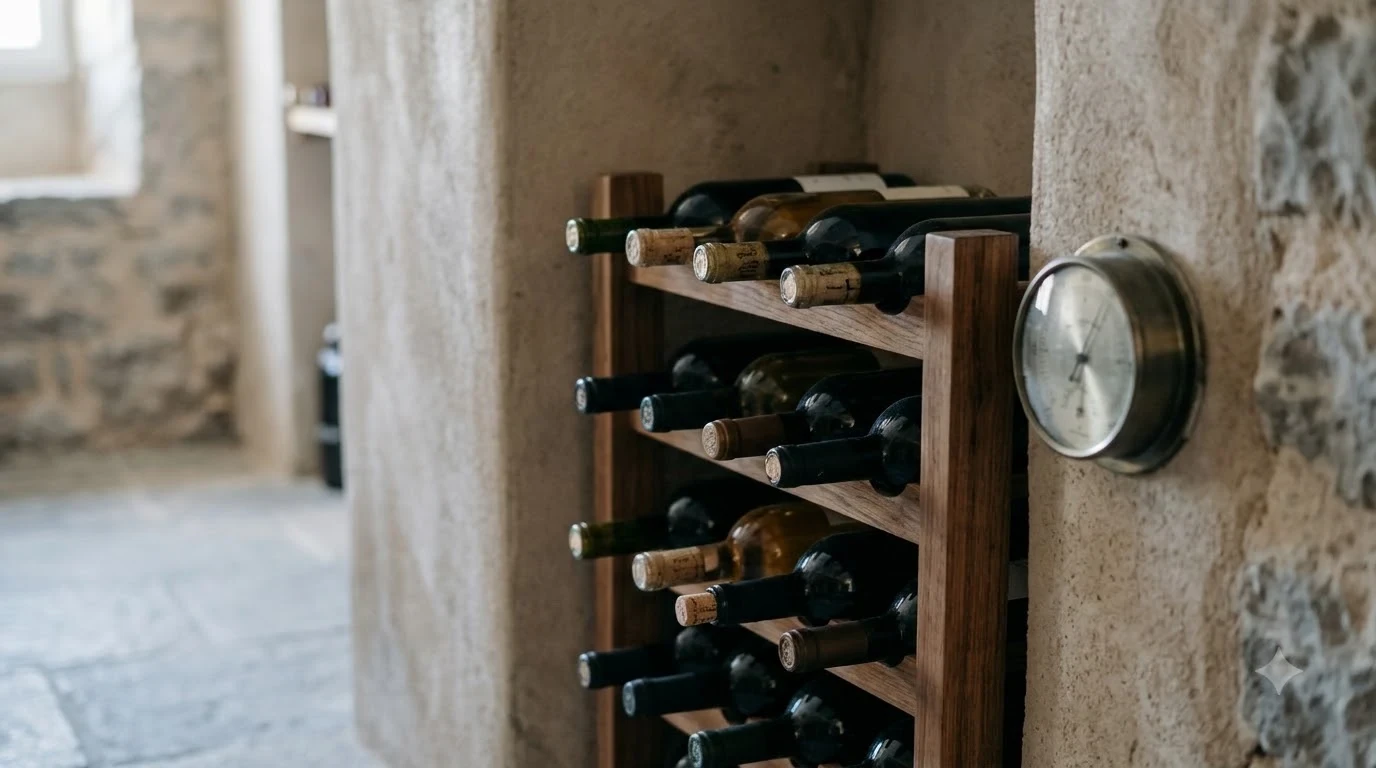
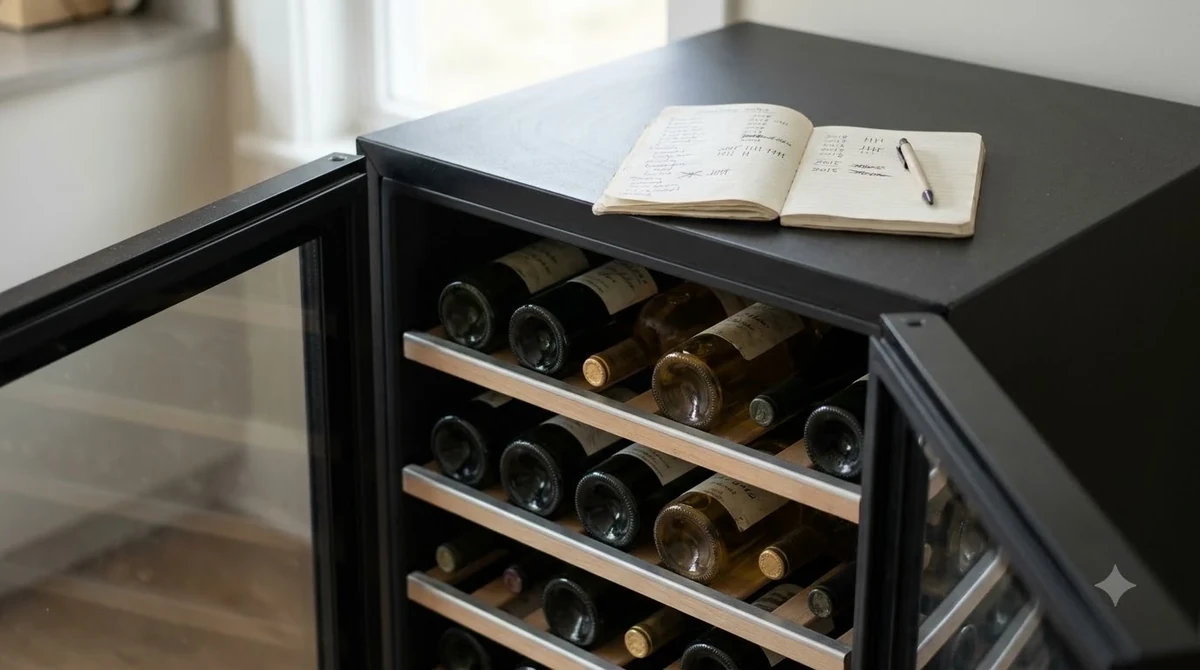
Wine is best stored in a cool, dark place with relatively stable temperatures. A temperature near 55 degrees Fahrenheit is a useful general target. Avoid storing bottles beside ovens, radiators, sunny windows, or other sources of repeated heat exposure.
Traditional cork-sealed bottles are generally stored on their sides to help keep the cork from drying out. Avoid frequent temperature fluctuations, unnecessary vibration, and direct sunlight. Most everyday Costco wines are intended to be enjoyed relatively young rather than stored for many years.
Know how long opened wine lasts
Once a bottle is open, oxygen gradually changes its aromas and flavors. Refrigeration slows this process, including for red wines.
- Sparkling wine: Approximately 1 to 3 days with an appropriate sparkling-wine stopper.
- Still white and rosé: Approximately 3 to 5 days in the refrigerator.
- Still red: Approximately 3 to 5 days in the refrigerator.
- Fortified wine: Several weeks, depending on the style.
- Bag-in-box wine: Approximately 4 to 6 weeks after opening, depending on the packaging and storage conditions.
For younger, full-bodied reds, decanting for approximately 30 to 60 minutes can help soften the initial impression and expose the wine to air. This can be particularly useful for structured wines such as Cabernet Sauvignon and Barolo. Lighter Pinot Noir generally needs less time.
Match the wine with food
Food pairing is another way to get more enjoyment from Costco wines. Match the wine’s acidity, sweetness, tannin, and body to the meal rather than choosing by color alone.
High-acid wines such as Sauvignon Blanc and Riesling work particularly well with acidic dishes because the wine retains its freshness alongside lemon, vinegar, or tomato. Salt and fat can soften the perception of tannin in structured reds, making Cabernet Sauvignon a sensible partner for steak and rich meat dishes.
Sweet wines should generally be at least as sweet as the dessert they accompany. Otherwise, the wine may taste sour or thin beside the food. Also remember that chili heat can seem stronger alongside high-alcohol or tannic wines, while delicate oily fish can clash with strongly tannic reds.
For most occasions, a standard 5-ounce pour is a practical serving size. A 750 ml bottle provides approximately five such servings, making it easy to estimate how many bottles are needed for a dinner or gathering.
Frequently Asked Questions
Does Costco make its own Kirkland Signature wine?
Costco’s Kirkland Signature wine is a private-label product made through relationships with external wine producers and wineries. The actual producer can differ between bottlings and regions. Some bottles identify the winery or winemaker directly, while other labels provide less detailed production information.
Can you buy wine at Costco without a membership?
Alcohol sales rules differ by state, and some states restrict retailers from requiring membership for alcohol purchases. In other locations, membership requirements may apply. Check the local warehouse’s alcohol sales policy before making a special trip.
Does Costco sell organic wine?
Organic wine availability depends on the individual warehouse and its current assortment. In the United States, certified organic wine must meet applicable USDA organic production and labeling requirements. Look for the USDA Organic seal and the relevant certification information when organic production is an important purchasing requirement.
Does Costco sell wine online for delivery?
Wine delivery availability depends on state alcohol regulations, local fulfillment arrangements, and the products offered in a particular market. Some locations may offer eligible alcohol delivery services, while others restrict purchases to warehouse transactions. Delivery eligibility and age-verification requirements should be confirmed before ordering.
Can Costco accept returns of opened wine bottles?
There is no universal alcohol return rule across all Costco warehouses. Costco’s official customer-service guidance explains that state laws determine whether and how alcohol can be returned. Shoppers should contact their local warehouse or membership counter to confirm the applicable requirements and limitations before attempting a return.
Costco is a worthwhile destination for wine shoppers because its Kirkland Signature range combines accessible everyday styles with bottles from recognizable wine regions and producers. The best approach is to evaluate each bottle individually, starting with the grape, region, and producer rather than assuming every selection will deliver the same quality. With a little attention to style and storage, Costco can be a reliable place to discover enjoyable wines for everyday meals and special occasions. For additional guidance, Barefoot wine offers another useful reference point when comparing familiar, accessible wine brands.
More in Wine Brands
 Louis Latour Wine Price: Compare Bottles by Style and TierUpdated Nov 20, 2026
 Yellow Tail Moscato Price: What to Expect Before You BuyUpdated Nov 20, 2026
 Sutter Home Sweet Red Review: Find the Right Food PairingsUpdated Nov 20, 2026
 Franzia Chillable Red Review: Find the Right Serving StyleUpdated Nov 20, 2026
 Veuve Clicquot Rose Review: Flavor, Food Pairings and Buying AdviceUpdated Nov 20, 2026
 Rombauer Wine Price: Compare Bottles Before You BuyUpdated Nov 20, 2026