

We may earn a commission when you buy through links on this page, at no extra cost to you. Learn more.
The yellow tail chardonnay price for a standard 750 mL bottle is generally about $6 to $10 at U.S. retailers, based on WinesRate’s New York comparison and listings from Total Wine & More and ABC Fine Wine & Spirits; prices vary by state and retailer. A 1.5 L bottle has a higher shelf price but may cost less per ounce, while the producer also lists a 187 mL mini format in some markets. The wine is an Australian Chardonnay with peach, melon, citrus, and vanilla notes, so bottle size and local shelf price are the main buying considerations.
Yellow Tail Chardonnay is positioned as an approachable everyday white rather than a collectible bottle. This guide explains what a fair shelf range looks like, how to compare formats, and what the wine’s style means at the table. For a closer look at the bottle itself, see this Yellow Tail Chardonnay overview.
Who This Is For
Yellow Tail Chardonnay suits shoppers looking for an uncomplicated Australian white for casual meals, a small gathering, or an everyday glass. The producer describes a creamy finish and peach-and-melon fruit, while U.S. retailer descriptions add citrus, honeydew, and light oak notes.
The bottle offers familiar Chardonnay flavors without a large spend. It can work with roast chicken, salad greens, seafood, or a picnic spread; the official Yellow Tail Chardonnay profile suggests roast chicken and a picnic, while retailer copy mentions fish and shellfish.
It is less suited to a buyer seeking a lean, mineral-driven Chardonnay, pronounced acidity, or a highly distinctive vineyard expression. Retail descriptions point to ripe fruit, a silky texture, and a creamy finish, not a guarantee of a specific oak treatment or a complex cellar wine. Someone who prefers very crisp whites may want to compare Sauvignon Blanc or a leaner Chardonnay before deciding.
Budget is another reason to consider it, but low shelf price should not be the only test. A 750 mL bottle provides about five 5-ounce pours, so the number of guests matters as much as the shelf tag. One bottle may suit dinner for two; for a larger group, compare a 1.5 L format with two standard bottles.
Key Factors to Compare
The most useful comparison is price per volume, not shelf price alone. Bottle size, location, and retailer can change the total even when the wine name is identical.
| Format or factor | What to compare | Observed U.S. listing evidence |
|---|---|---|
| Standard bottle | 750 mL; about five 5 oz pours | $5.99–$9.18 across New York retailers tracked by WinesRate |
| Large bottle | 1.5 L; twice the volume of 750 mL | $10.99–$14.99 across New York retailer listings tracked by WinesRate |
| Mini bottle | 187 mL; roughly one generous glass | The producer lists this format; no comparable U.S. shelf range was confirmed in the pages reviewed |
| Style | Dry, fruit-forward Chardonnay with a creamy finish | ABC Fine Wine & Spirits lists it as dry; the producer notes peach, melon, and vanilla |
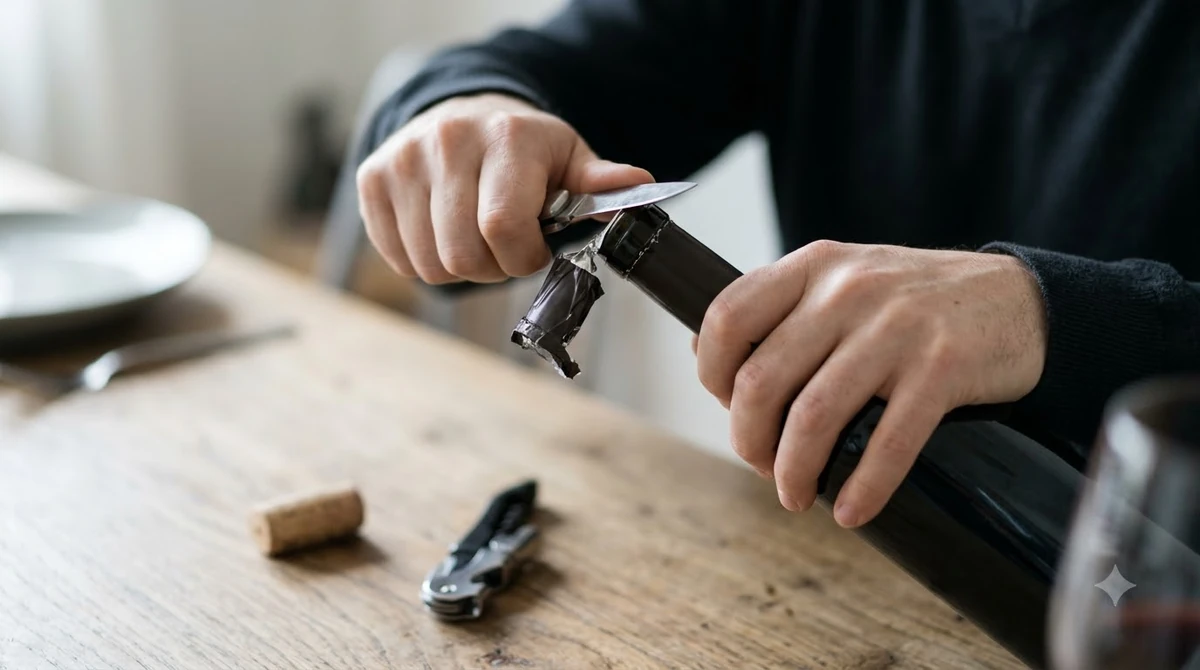
| Closure | Screw cap; no corkscrew needed | ABC Fine Wine & Spirits lists a screwcap closure |
WinesRate’s New York comparison places 750 mL bottles at $5.99 to $9.18 and listed 1.5 L bottles at $10.99 to $14.99; prices vary by state and retailer. Treat those as observed local ranges rather than national guarantees, because the comparison reflects participating stores and local availability. Total Wine & More and ABC Fine Wine & Spirits also list the standard bottle near the low end of the range in their respective markets.
For a 750 mL bottle, five 5-ounce servings work out to roughly $1.20 to $2.00 per pour before tax, calculated from the $6 to $10 range reported by WinesRate, Total Wine & More, and ABC Fine Wine & Spirits; prices vary by state and retailer. A 1.5 L format contains about ten such pours, so compare its total with the cost of two 750 mL bottles rather than assuming a larger package is automatically better value.
Separate price from product identity: match the Chardonnay grape, Yellow Tail name, bottle size, and Australian origin before comparing tags. The Wine Brands guide explains broader producer and category differences.
Tip: Compare two bottles by price per 100 mL or per 5-ounce pour, then confirm that both listings describe Yellow Tail Chardonnay. A 1.5 L bottle can be the lower-cost choice per glass, but only if the extra wine will be used.
Step-by-Step: How to Check the Bottle and Price
A quick, repeatable check prevents most buying mistakes. Start with the 750 mL standard bottle as the baseline, then verify the product name, format, and local total before choosing a larger size.
- Confirm the wine name. Look for Yellow Tail Chardonnay, not simply Yellow Tail or another white varietal. The label should identify Chardonnay, and the retailer description should match the fruit-forward profile associated with this bottling.
- Match the bottle size. Standard bottles are 750 mL; the larger format tracked by WinesRate is 1.5 L, and the producer’s international product page also names a 187 mL mini. Do not compare a 1.5 L shelf tag with a 750 mL tag without adjusting for the doubled volume.
- Use a local price range. Treat about $6 to $10 for 750 mL as an observed U.S. benchmark: WinesRate’s New York sample shows $5.99 to $9.18, while Total Wine & More and ABC Fine Wine & Spirits list the bottle near the low end; prices vary by state and retailer.
- Check the checkout total. Account for local sales tax, bottle deposits where applicable, delivery charges, and minimum-order rules. A shelf tag may not equal the delivered total, and an online listing may reflect a different store from the one nearby.
- Compare the larger format fairly. WinesRate’s New York listings put 1.5 L bottles around $11 to $15; prices vary by state and retailer. Compare that total with two standard bottles and consider whether the wine will be finished while it is still fresh after opening.
- Confirm product details. Look for the Australian origin, Chardonnay variety, and screw-cap closure in the retailer information. Product pages can contain incomplete fields, so use the physical bottle as the final reference for the exact product in hand.
- Choose for the occasion. A 750 mL bottle is simple for dinner for two or a small meal; a 1.5 L bottle is more practical for a group. A 187 mL mini, where sold, can suit a single serving, although its U.S. availability and local price should be confirmed.
These steps help when a retailer page has old or incomplete product data. The separate Yellow Tail Chardonnay alcohol content page covers the alcohol-percentage question.
Types or Styles Explained
There are two decisions hidden in a price search: which format is on sale, and what kind of Chardonnay style to expect. Yellow Tail Chardonnay is described as dry with a soft, creamy finish, while the listed bottle sizes suit different occasions.
Standard 750 mL bottle and large 1.5 L bottle: The standard format is the easiest to compare across stores and provides about five 5-ounce servings. The 1.5 L bottle contains twice as much wine, or about ten standard pours. WinesRate’s New York listings put the 750 mL format at about $6 to $10 and the 1.5 L format at about $11 to $15; prices vary by state and retailer. The larger bottle can cost less per ounce, but only if the wine will be used soon after opening.
187 mL mini: The producer’s international Chardonnay page identifies a 187 mL mini format, much smaller than the U.S. standard bottle. It can suit one serving or a situation where a full bottle would be too much. The pages reviewed do not establish a consistent U.S. price or broad domestic distribution for the mini, so compare its unit price rather than assuming a small package is the economical option.
Fruit-forward style: Chardonnay can range from lean and citrusy to rounded and creamy. Yellow Tail’s producer description focuses on fresh peach and melon, with white peach, light spice, vanilla, and a rich creamy finish; Total Wine adds citrus, honeydew, and subtle oak aromas. These descriptions suggest a soft, fruit-led profile, but do not establish a specific barrel program or aging time. ABC Fine Wine & Spirits labels the wine dry: creamy texture and ripe fruit do not automatically mean sweetness. The Yellow Tail Chardonnay sugar content guide explains the difference.
Common Buying Mistakes
The most common errors are comparing different bottle sizes, treating a local shelf tag as a national norm, and assuming that creamy Chardonnay must be sweet. A quick check of format, store location, and style gives a more useful picture than the first number in a search result.
Comparing shelf totals instead of unit value: A 1.5 L bottle costs more at checkout than a 750 mL bottle because it contains twice the wine. Divide the price by milliliters or estimate the number of 5-ounce pours first. The larger bottle may offer better unit value, but not if some wine goes unused after opening. Assuming every store lists the same price: Pricing can differ by state, retailer, local taxes, stock, and fulfillment method. WinesRate’s comparison is based on New York retailers, Total Wine’s listing is tied to a Sacramento-area store, and ABC Fine Wine & Spirits is a Florida retailer. Those examples support an approximate U.S. range, not a promise that every shop will charge the same amount.
Confusing the brand with the grape: Yellow Tail sells multiple white varieties, and the brand name alone does not identify the wine. Check for Chardonnay in the product name before comparing prices or planning food. This is especially useful on grocery sites that group several wines under one brand page. Reading flavor notes as a sweetness scale: Peach, melon, vanilla, and creamy describe aroma, flavor, or texture; they do not prove that the wine is sweet. ABC Fine Wine & Spirits describes this Chardonnay as dry. Anyone seeking a noticeably sweet white should compare a stated sweetness description rather than rely on fruit notes alone.
Buying more than the occasion needs: A large bottle can lower the per-ounce cost but creates a freshness question after opening. Still wine generally remains enjoyable for about 3 to 5 days in the refrigerator after being sealed again. For one or two glasses, a 750 mL bottle or mini format may be more sensible.
Care and Storage Tips
Good storage and serving habits help an affordable bottle show its fruit and texture clearly. Keep unopened wine away from heat and light, then serve Chardonnay cool rather than ice-cold so peach, melon, and vanilla aromas remain noticeable.
For short-term storage, choose a cool, dark place with a stable temperature; a general wine-storage target is near 55°F. Bottles with natural cork are commonly stored on their sides, while this wine’s screw cap makes upright storage practical. The priorities are avoiding temperature swings, direct sunlight, and warm storage areas such as a sunny kitchen counter. Chardonnay is served cooler than room temperature. Fuller whites are commonly served around 50°F to 55°F, while lighter whites are served around 45°F to 50°F. Since Yellow Tail is described as soft and creamy, start near the cooler end of the fuller-white range and let the glass warm slightly if the aromas seem muted.
Once opened, close the screw cap firmly and refrigerate the bottle. Still wines commonly remain enjoyable for about 3 to 5 days in the fridge, although fruit aromas can fade. Pour only what is needed, return the bottle to the refrigerator promptly, and avoid leaving it open on a warm table throughout a long meal.
At the table, use the wine’s fruit and acidity as pairing cues. The producer suggests roast chicken, and retailers mention salad greens, fish, shellfish, lobster, crab, clams, mussels, shrimp, and scallops. Try lemon chicken, grilled shrimp, or a green salad with vinaigrette; very spicy food can make alcohol seem more pronounced.
Frequently Asked Questions
These answers cover common questions about the 750 mL, 1.5 L, and 187 mL formats, along with the wine’s dry classification and screw-cap closure.
Is Yellow Tail Chardonnay a non-vintage wine?
WinesRate groups its current retailer listings under NV, meaning non-vintage. That means the comparison does not identify a single harvest year as the defining feature of the listed bottle.
Does Yellow Tail Chardonnay need to be decanted?
No extended decant is generally necessary for this approachable white wine. Open the screw cap, pour a small glass, and allow a few minutes of air contact if desired; decanting is more often used for young, full-bodied red wines or bottles with sediment.
Can Yellow Tail Chardonnay be used for cooking?
It can be used in dishes that call for a dry white wine, such as a pan sauce for chicken or a quick sauce for shrimp. Add a modest amount and let it cook down, because concentrated wine flavor can become more noticeable as liquid reduces; avoid using a wine that tastes unpleasant on its own.
How many calories are in a glass of Yellow Tail Chardonnay?
The pages reviewed for this guide do not provide a verified calorie figure for the specific bottling. Calorie content depends on alcohol and residual sugar, so use the nutrition information linked from the producer’s product page when available rather than applying a generic Chardonnay estimate to every bottle.
Is Yellow Tail Chardonnay certified vegan?
The producer and retailer pages reviewed do not state that this Chardonnay is vegan-certified. Their product descriptions do not provide enough information to verify fining agents or certification, so shoppers who require vegan wine should ask the producer directly.
For most shoppers, the standard 750 mL bottle is the clearest starting point: compare the local shelf tag with the roughly $6 to $10 range shown in WinesRate’s New York comparison and U.S. listings from Total Wine & More and ABC Fine Wine & Spirits; prices vary by state and retailer. Choose the 1.5 L bottle when the extra volume suits the occasion, and use producer and retailer descriptions to make sure the soft, fruit-forward Chardonnay style is what the table needs.
More in Wine Brands
 Louis Latour Wine Price: Compare Bottles by Style and TierUpdated Nov 20, 2026
 Yellow Tail Moscato Price: What to Expect Before You BuyUpdated Nov 20, 2026
 Sutter Home Sweet Red Review: Find the Right Food PairingsUpdated Nov 20, 2026
 Franzia Chillable Red Review: Find the Right Serving StyleUpdated Nov 20, 2026
 Veuve Clicquot Rose Review: Flavor, Food Pairings and Buying AdviceUpdated Nov 20, 2026
 Rombauer Wine Price: Compare Bottles Before You BuyUpdated Nov 20, 2026