

We may earn a commission when you buy through links on this page, at no extra cost to you. Learn more.
The best cabernet sauvignon under 50 is usually found by comparing region, oak, and tannin—not by paying extra for the most famous appellation. Look first at Sonoma County, Paso Robles, Washington State, Chile, and selected Bordeaux bottlings, then use the label and producer notes to narrow the style. A good choice should fit the meal and the kind of Cabernet you enjoy, whether that means ripe blackberry fruit or a firmer, savory finish.
Cabernet Sauvignon has a recognizable backbone: dark-fruit flavors, firm tannin, and enough acidity to stay lively beside rich food. Within a set budget, however, the grape can taste quite different from one region and cellar to another. This guide explains which labels deserve a closer look, how to compare the details that matter, and how to serve the bottle so its structure works at the table.
Who This Is For
This guide is for shoppers who want a reliable 750 ml bottle below the 50 budget ceiling for dinner, a gift, or a small home collection. It is especially useful if Napa Valley is familiar but you are open to Sonoma, Paso Robles, Washington, or a Cabernet-led Bordeaux blend.
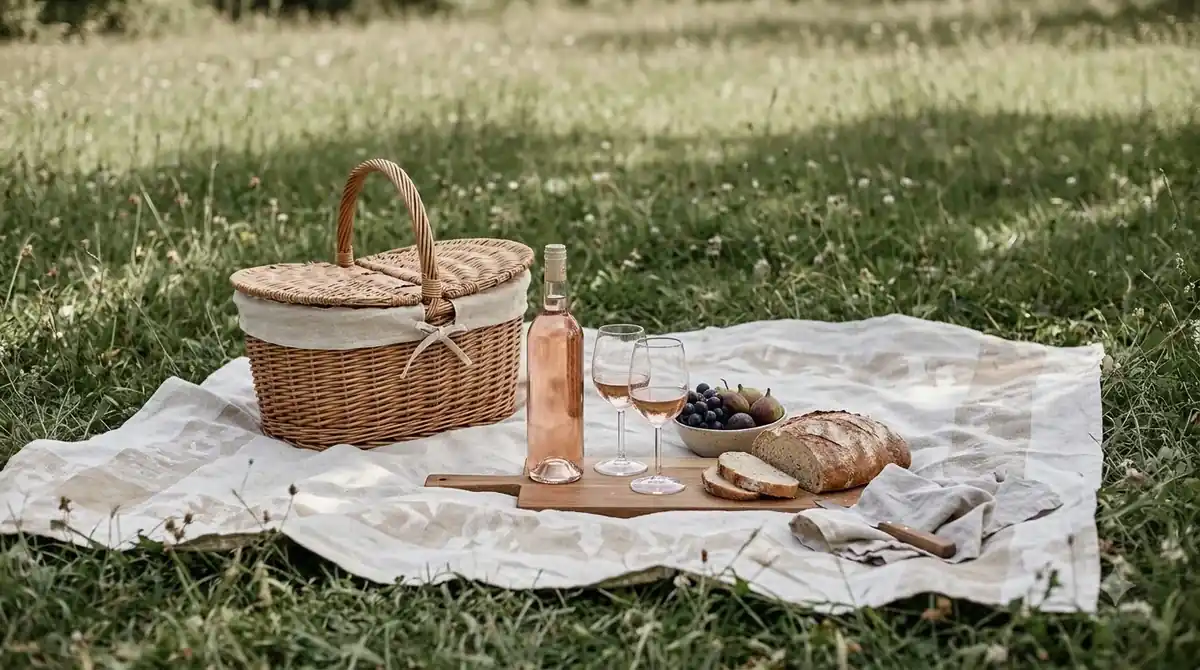
Cabernet is a natural fit for people who like full-bodied reds with blackcurrant, blackberry, black cherry, cedar, or baking-spice notes. Its medium-high to high tannin can feel drying on its own, but it makes sense with grilled steak, lamb, braised short ribs, aged cheddar, and other dishes with fat, salt, or savory depth. The grape also has enough acidity to keep a rich meal from feeling heavy.
This guide is not for someone who wants a light red or a dessert-style wine. Cabernet normally tastes dry, even when ripe fruit and oak-derived vanilla suggest sweetness. Compare the dry Cabernet Sauvignon guide or the sweet Cabernet Sauvignon overview if that distinction matters.
Key Factors to Compare
Start with the region and the wine’s structural balance, then look at oak, alcohol, vintage, and producer information. These details give a better indication of style than a fancy label or a single critic score.
| Factor | What to look for | What it usually suggests |
|---|---|---|
| Region | Sonoma County, Paso Robles, Columbia Valley, Maipo Valley, or Médoc | Different balances of ripe fruit, freshness, herbal character, and tannin |
| Grape and blend | Cabernet Sauvignon as the named grape; note any stated blend partners | A varietal-led profile, or a broader blend with added texture and aromatic range |
| Tannin | Medium-high to high | Firm grip and a strong match for fat, salt, and protein |
| Acidity | Medium-high | Freshness that offsets the wine’s weight and ripe fruit |
| Alcohol | Many examples sit around 13.5–15% ABV | A clue to weight and warmth, not a quality score by itself |
| Oak | New oak, used oak, or a mix; vanilla, cedar, toast, and baking spice in the notes | More new oak often means a stronger wood influence and a broader frame |
| Serving | About 60–65°F; young full reds may benefit from 30–60 minutes of air | Moderate chill keeps alcohol and tannin from seeming too hot or hard |
| Budget | Keep the bottle below your 50 ceiling and compare like-sized bottles | Leaves room to choose by region and style instead of spending only on a famous name |
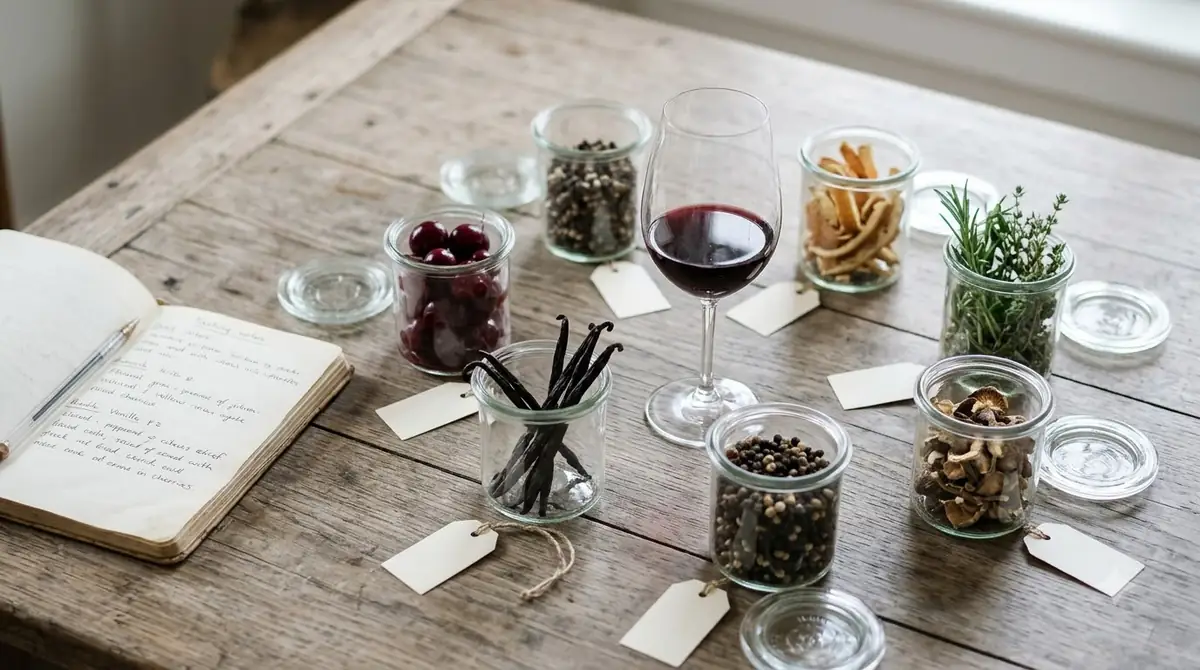
Cabernet Sauvignon is generally dry, full-bodied, and medium-high in both tannin and acidity. Wine Folly describes common flavors such as black cherry, blackcurrant, cedar, baking spice, and graphite, with typical alcohol around 13.5–15% ABV. Use those descriptors as a starting point, not a promise that every bottle will show every flavor; growing conditions and cellar choices change the result.
Oak deserves its own check. Sommelier Hugo Arias, quoted by Sommsation, explains that new oak can add flavor and help soften firm tannins, while wines with less oak influence often show fruit more clearly and feel more delicate or acid-driven. A label that mentions French oak, American oak, or barrel aging can therefore help, but the producer’s tasting note is more useful if it also explains whether the oak is subtle or prominent.
Tip: Decide whether you want fruit or structure before comparing labels. For plush blackberry fruit, start with Paso Robles or a ripe California bottling; for more herbal lift and firmer shape, compare Washington, Chile, or a Cabernet-led Médoc wine.
Step-by-Step: How to Choose a Bottle
A quick, repeatable shopping routine makes it easier to compare Cabernet without getting distracted by packaging. Use the five steps below in order, and you can narrow a large shelf to a few bottles that fit the meal and your preferred style.
- Set the occasion. For a weeknight steak, choose a fruit-forward bottle made to drink now. For a formal dinner or a gift, a more structured wine from Washington, Sonoma, or the Médoc may feel more distinctive.
- Choose a regional starting point. Try Paso Robles for ripe, generous fruit; Sonoma County for a smoother, more moderate style; or Columbia Valley for dark fruit with freshness. A Cabernet-dominant Médoc is another route if you enjoy savory notes.
- Read the wine description for structure. Words such as blackberry, blackcurrant, plum, and vanilla suggest a fruit-led direction. Cedar, graphite, tobacco, mint, and firm tannin point toward a more savory or structured profile. These are clues, not rigid definitions.
- Check the oak and alcohol information. A strong vanilla, toast, or baking-spice emphasis may indicate noticeable oak. Compare alcohol percentages across the candidates, but do not assume the highest figure means the richest or best wine.
- Match the bottle to the food and serving plan. Cabernet’s tannin works well with steak fat, lamb, aged cheese, and braised meat. Plan to serve it around 60–65°F, and allow 30–60 minutes for a young, firm bottle if it seems closed or angular after opening.
When the description is sparse, use the appellation as a second clue. The Alcohol and Tobacco Tax and Trade Bureau defines an American Viticultural Area (AVA) as a delimited grape-growing region with distinguishing geographic or climatic features. Its appellation guidance requires at least 85% of an AVA-designated wine to come from grapes grown within that area. An AVA identifies origin, not quality. For broader label-reading help, see the site’s wine-buying guide.
Compare candidates from the same vintage or regional tier when possible. This focuses attention on winemaking rather than asking a ripe Paso Robles wine to compete directly with a restrained Médoc blend.
Types and Styles Explained
The best-value region depends on the profile you want, not on one universal ranking. Napa is known for a bold California expression, while several neighboring or international regions give shoppers other ways to get Cabernet character within a set budget.
California: Napa, Sonoma, and Paso Robles
Napa Valley is often the reference point for powerful Cabernet, with ripe black fruit, concentration, and noticeable oak in many bottlings. The under-50 segment is better approached as a dinner wine than a cellar project: Wine.com notes that its everyday Napa category tends to rely on larger production and less new oak than the more expensive tiers, producing fruit-forward wines intended to drink well on release. Do not assume every Napa label will fit the budget, but do not dismiss a bottling simply because it is not a single-vineyard wine.
Sonoma County is a useful alternative if you want a more moderate, smooth style, while Paso Robles is a good starting point for ripe, generous fruit. Total Wine’s regional overview makes the same broad distinction, describing Napa as big and bold, Sonoma as medium-bodied and smooth, and Paso Robles as ripe and jammy. These are broad regional patterns rather than rules for every vineyard or vintage, but they make a practical first filter.
Washington, Chile, and Australia
Washington State deserves a place on the shortlist for shoppers who like dark fruit with freshness and firm structure. Sommelier Hugo Arias of Sommsation also points buyers toward Washington, Australia, Paso Robles, Mendocino, Chile, and Argentina as alternatives to Napa. For Chile, look at Maipo Valley if you want blackcurrant, a minty edge, and a structured frame; for Australia, Coonawarra is associated with Cabernet that can show pepper, bay leaf, and savory character.
Bordeaux and Cabernet-led blends
In Bordeaux, Cabernet Sauvignon is often blended with Merlot and Cabernet Franc rather than bottled alone. The Médoc and Graves are useful places to look for Cabernet-dominant wines, while a broader Bordeaux label may have a different balance depending on the blend. Expect a more savory vocabulary—blackcurrant, tobacco leaf, anise, plum, or pencil lead—rather than only sweet-seeming fruit and vanilla.
Blending is not a flaw. Merlot can add a softer mid-palate, while Cabernet Franc can bring aromatic lift and savory detail; the finished wine is judged by its balance. For a reference to typical fruit, spice, and savory notes, the Wine Folly Cabernet Sauvignon profile explains how region and winemaking shape the grape’s character.
Common Mistakes to Avoid
The most common buying mistake is treating a famous appellation as a shortcut for quality. A recognizable Napa name may appeal, but a less famous Sonoma, Washington, Paso Robles, or Chilean bottle can be a better match for the food and the drinker’s preferences.
Another mistake is confusing ripe fruit with residual sugar. Cabernet is normally dry; blackcurrant jam, blackberry, vanilla, and sweet spice can create an impression of sweetness even when the wine is fermented dry. That difference matters at the table: a dry Cabernet can work with savory beef and aged cheese, but it will taste sharper beside a dessert that is sweeter than the wine.
Do not select by alcohol level alone, either. A wine at 15% ABV may feel broad and warming, while a wine at 13.5% may feel firmer or more aromatic depending on acidity, tannin, oak, and ripeness. Nor should every Cab be expected to taste like Napa; climate, vineyard exposure, blending, and barrel choices create real stylistic variation. A critic score also cannot tell you whether a bottle is oak-heavy, herbal, full-bodied, or ready to drink, so compare the fruit, tannin, acidity, and finish with what you already enjoy. Use the same logic when exploring the best Cabernet Sauvignon under 20 category for a less expensive everyday option.
Care and Storage Tips
Serving Cabernet slightly cool makes a noticeable difference: Wine.com recommends about 60–65°F for Napa Cabernet, rather than a warm room-temperature pour. Too much warmth can make alcohol seem hot and tannin feel heavier, while a modest chill helps keep the fruit and structure in balance.
For a young, full-bodied Cabernet, start with 30–60 minutes in a decanter if the wine seems tight or firm; Wine Folly gives about an hour as a general decanting benchmark. Pour a small taste first; if the fruit is already expressive and the tannin feels integrated, there is no need to decant for the full interval. A large-bowled glass helps the aromas develop, and a steady pour lets the wine open gradually through the meal.
For longer storage, keep bottles on their sides in a dark place near 55°F, away from heat, sunlight, and large temperature swings. A bottle bought for an ordinary dinner generally does not need a decade in the cellar; many approachable wines below this budget ceiling are made to be enjoyed while their fruit is fresh. After opening, refrigerate still wine and aim to finish it within 3–5 days, using a proper closure to limit air exposure. Salt and fat soften tannin, making grilled ribeye, lamb chops, braised short ribs, and aged cheddar classic matches; avoid pairing a highly tannic red with delicate oily fish.
Frequently Asked Questions
The questions cover AVA labels, 750 ml serving math, and Cabernet’s green-pepper aroma, along with details that are not obvious from the front label.
What does AVA mean on a California Cabernet label?
AVA stands for American Viticultural Area, a legally defined grape-growing region with a recognized name and boundary. Federal rules generally require at least 85% of the grapes in an AVA-designated wine to come from within that area, but the designation is not a quality rating or an endorsement of the bottle.
How many glasses are in a standard bottle of Cabernet?
A standard 750 ml bottle yields about five 5-ounce pours. Larger servings reduce the number of glasses, so a bottle is usually enough for five modest pours or a shared tasting for a small group.
Why can Cabernet Sauvignon smell like green bell pepper?
That leafy aroma comes from naturally occurring compounds called methoxypyrazines, which are also associated with Cabernet Franc and Sauvignon Blanc. WSET explains that the note can be more pronounced in less-ripe fruit, shaded vineyards, or cooler growing conditions, while greater warmth and sunlight tend to soften it.
Does a vintage year tell me when the wine was bottled?
No. The vintage identifies the year the grapes were harvested, not the year the finished bottle went on sale. Two vintages from the same producer can differ because weather affects ripening, acidity, and the balance between fruit and tannin.
Can an under-50 Cabernet be suitable for a special occasion?
Yes. A thoughtful regional choice and a good food match matter more than a prestige label, especially for a dinner where the bottle will be opened and enjoyed rather than cellared for many years. A Cabernet-led Médoc, a structured Washington bottling, or a well-balanced Sonoma wine can all feel appropriate with a carefully prepared meal.
The strongest Cabernet choice below your 50 ceiling is the one whose region, oak, and structure match your taste and menu. Start with the style you enjoy, compare the label details, and serve the wine slightly cool with food that can meet its tannin.
More in Wine Buying Guides
 Cheap Red Blend: How to Find a Flavorful Bottle for LessUpdated Nov 20, 2026
 Pinot Grigio Gift: How to Choose a Bottle They’ll EnjoyUpdated Nov 20, 2026
 Best White Wine at Total Wine for Every MealUpdated Nov 20, 2026
 Wine Fridge Replacement Shelves: Find the Right FitUpdated Nov 20, 2026
 Best Sparkling Wine Under 20: Find Bubbles Worth BuyingUpdated Nov 20, 2026
 Best Wine For Birthday Celebrations With Perfect Party PairingsUpdated Nov 20, 2026