
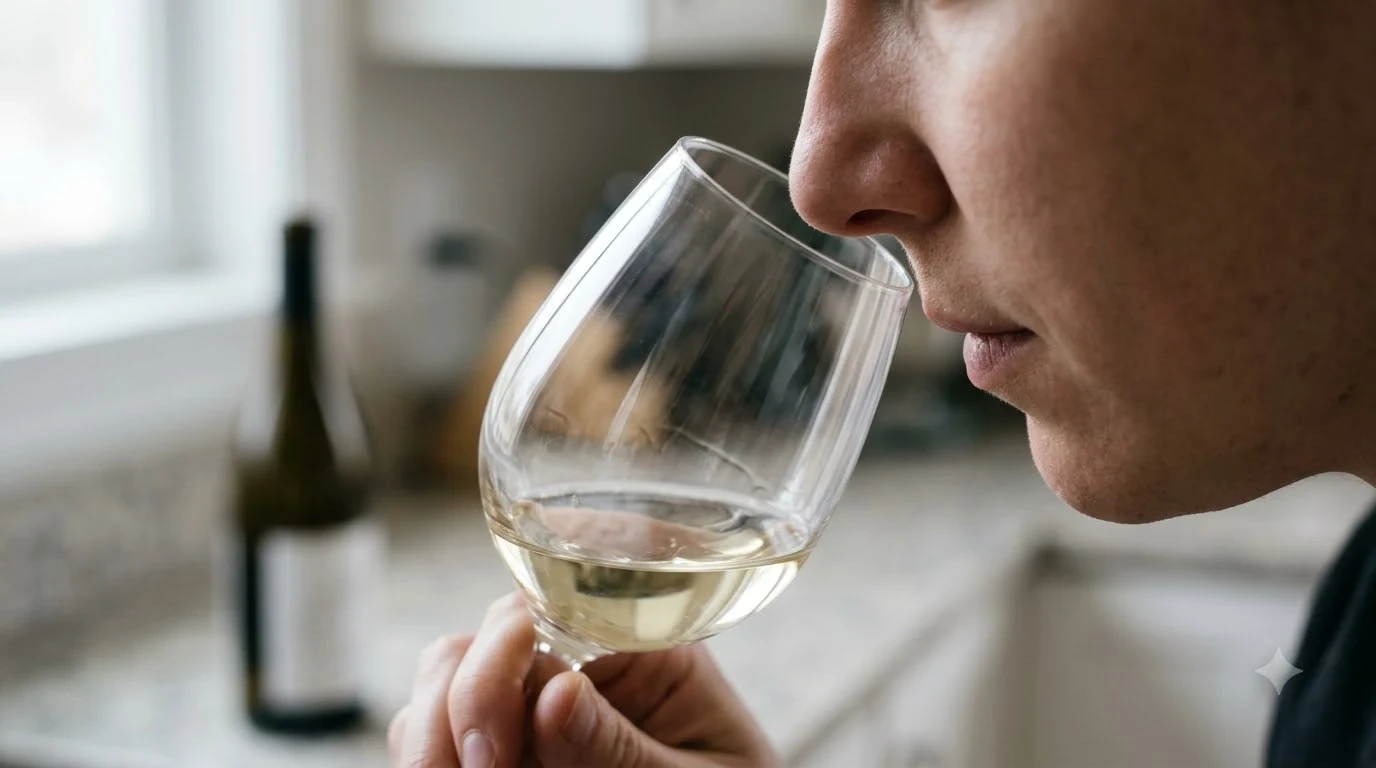

We may earn a commission when you buy through links on this page, at no extra cost to you. Learn more.
The best white wine under 20 is usually a Sauvignon Blanc, Pinot Grigio, Albariño, Riesling, or unoaked Chardonnay, depending on your preferred sweetness, acidity, and body. These grape varieties offer dependable combinations of freshness, fruit character, and food-friendly structure without requiring an expensive bottle. For the most versatile starting point, choose a dry Sauvignon Blanc; for a lighter, gentler option, consider Italian Pinot Grigio, while Riesling and Chenin Blanc offer particularly interesting alternatives.
Buying affordable white wine does not mean settling for something bland or unbalanced. The key is to concentrate on grapes and wine regions that regularly produce appealing everyday bottles, rather than assuming a recognizable brand or an elaborate label guarantees quality. From crisp New Zealand Sauvignon Blanc to mineral-driven Spanish Albariño and aromatic German Riesling, the options cover a surprisingly broad range of flavors. This guide explains what to look for, how to compare different styles, and how to choose a bottle that suits your food, preferences, and occasion.
Who This Is For: Finding Quality White Wine on a Budget
A budget-conscious white wine buyer has plenty of choices, whether the goal is an uncomplicated weekday pour, a bottle for seafood dinner, or something interesting to share with guests. The most reliable approach is to choose a recognizable grape variety and a region known for producing that style.

This guide is particularly useful for three kinds of wine drinkers. First, beginners who want a pleasant, approachable white without needing to understand complicated regional classifications. Second, experienced drinkers who want dependable everyday bottles rather than spending more on wine reserved for special occasions. Third, shoppers who need a versatile white for a particular meal and want to avoid buying something excessively sweet, acidic, or heavy.
For a first purchase, Sauvignon Blanc is an especially practical choice. It typically has high acidity, fresh citrus flavors, and herbal characteristics that make it recognizable and refreshing. Bottles from Marlborough in New Zealand often emphasize lime, grapefruit, passion fruit, and fresh herbs. Sauvignon Blanc from other regions can be more restrained, with mineral or grassy notes rather than pronounced tropical fruit.
Pinot Grigio is another strong starting point, especially for someone who prefers subtle flavors. Northern Italian examples are generally light-bodied, crisp, and relatively neutral, with green apple, pear, and citrus characteristics. They are easy to serve before dinner and pair comfortably with salads, grilled fish, and uncomplicated chicken dishes.
More adventurous shoppers should consider Albariño, Chenin Blanc, and Riesling. Albariño offers a combination of citrus, stone fruit, and saline freshness. Chenin Blanc can be lean and dry or more rounded and honeyed. Riesling is particularly useful because it ranges from bone-dry to distinctly sweet while often retaining refreshing acidity.
There is also an important distinction between finding a wine for personal enjoyment and finding a bottle for a group. A highly aromatic Sauvignon Blanc may be ideal for someone who likes pronounced flavors, but it may not suit guests who prefer softer wines. A balanced Pinot Grigio or moderately fruity Chardonnay can be a safer choice for mixed preferences.
The broader lesson is that an affordable wine should be judged by whether it delivers the style you actually want. A crisp Italian Pinot Grigio can be a better purchase than a more expensive, oak-heavy Chardonnay if you prefer light, refreshing flavors. Similarly, someone who enjoys a little sweetness may find a well-balanced Riesling more satisfying than a completely dry Sauvignon Blanc.
Key Factors to Compare Before Buying White Wine
Four factors matter most when comparing bottles: sweetness, acidity, body, and grape variety. Understanding these characteristics makes it easier to choose between a light Pinot Grigio, a zesty Sauvignon Blanc, a rounded Chardonnay, and a fruit-forward Riesling.
Sweetness should be your first consideration. Dry wine has little perceptible residual sugar, while off-dry wine retains a small amount of sweetness. Sweet wine has a more noticeable sugary character. Importantly, fruity aromas do not automatically mean a wine is sweet. A Sauvignon Blanc can smell like tropical fruit while tasting completely dry.
Acidity determines much of a white wine’s refreshing character. High-acid wines create a lively sensation that works particularly well with seafood, salads, and dishes containing lemon or vinegar. Sauvignon Blanc and Riesling are generally high-acid varieties. Chardonnay usually has medium acidity, while Moscato typically has low to medium acidity.
Body describes how substantial the wine feels in the mouth. Light-bodied whites generally feel delicate and refreshing. Medium-bodied wines have more weight and texture, while fuller-bodied whites can feel creamy or rounded. Unoaked Chardonnay often provides a useful middle ground for people who want more texture than Pinot Grigio without the pronounced influence of oak.
The following table compares the main varieties worth considering. The acidity and body descriptions are typical style characteristics, not guarantees for every individual bottle.
| White wine style | Typical acidity | Typical body | Flavor characteristics | Good food matches |
|---|---|---|---|---|
| Sauvignon Blanc | High | Light to medium | Grapefruit, lime, herbs | Goat cheese, seafood, salads |
| Pinot Grigio | Medium to high | Light | Green apple, pear, citrus | White fish, shrimp, light pasta |
| Albariño | High | Light to medium | Peach, citrus, saline notes | Shellfish, grilled fish, tapas |
| Riesling | High | Light to medium | Apple, lime, peach, floral notes | Spicy food, pork, Asian cuisine |
| Chardonnay | Medium | Medium to full | Apple, pear, citrus, possible vanilla | Roast chicken, salmon, creamy pasta |
| Chenin Blanc | High | Light to medium | Apple, pear, citrus, honey | Roast poultry, pork, soft cheeses |
| Moscato | Low to medium | Light to medium | Peach, orange blossom, tropical fruit | Fruit desserts, mild spicy dishes |
Region is another useful consideration. Marlborough in New Zealand is a familiar reference point for aromatic Sauvignon Blanc. The Finger Lakes in New York and Washington’s Columbia Valley are worth exploring for Riesling. Northern Italy is a dependable place to start with Pinot Grigio, while Rías Baixas in Spain is particularly associated with Albariño.
Wine Enthusiast’s affordable Sauvignon Blanc coverage demonstrates how different regions create distinct expressions of the same grape. Its examples include New Zealand’s Marlborough, California, Spain, and Chile’s Casablanca Valley. The Sauvignon Blanc recommendations and regional tasting descriptions are useful for understanding how citrus, herbs, tropical fruit, and acidity vary between growing areas.
Finally, consider the intended occasion. A simple aperitif needs something refreshing, while a rich pasta dish benefits from a wine with enough body and acidity to complement the sauce. A bottle for a celebration might call for something aromatic and slightly off-dry, particularly if the guests enjoy softer fruit flavors.
Tip: If you are unsure what to buy, start with a dry Sauvignon Blanc or Italian Pinot Grigio. If you know the drinker prefers fruitier flavors and a touch of sweetness, choose Riesling instead. Matching the sweetness and texture to the person’s preferences is more useful than selecting a bottle solely because of its label or reputation.
Step-by-Step: How to Choose the Right Affordable White Wine
A simple buying process prevents most disappointing purchases. Start with your preferred flavor, narrow the choices by grape and region, and then compare the bottle’s details before making a decision.
-
Decide whether you want dry, off-dry, or sweet wine.
This is the most important first step. Choose dry wine if you prefer crisp, clean flavors without noticeable sweetness. Sauvignon Blanc and Italian Pinot Grigio are practical starting points. Choose off-dry Riesling if you want a little sweetness balanced by acidity, or Moscato if you prefer a noticeably sweeter, aromatic style.
-
Choose your preferred level of acidity.
If you like refreshing wines that feel lively, look for Sauvignon Blanc, Riesling, Albariño, or Chenin Blanc. If you prefer a softer impression, consider Chardonnay or a fruit-forward white blend. Remember that acidity is not the same as sourness; it helps keep fruit flavors balanced and prevents richer wines from feeling heavy.
-
Match the grape to your food.
For grilled shrimp, oysters, and white fish, start with Albariño, Sauvignon Blanc, or Pinot Grigio. For roast chicken and creamy pasta, consider Chardonnay or a fuller-bodied Chenin Blanc. For chili-based dishes, an off-dry Riesling can provide a more comfortable balance than a highly alcoholic, tannic wine.
-
Look for useful regional information.
Choose Marlborough for a recognizable New Zealand Sauvignon Blanc profile, northern Italy for lighter Pinot Grigio, and Rías Baixas for Spanish Albariño. For Riesling, explore the Finger Lakes, Washington State, and Germany. Regional clues are often more useful than unfamiliar marketing language on the front label.
-
Decide how much body you want.
Light-bodied wines are suitable for casual drinking and lighter meals. Medium-bodied options are more flexible with substantial dishes. If you enjoy richer textures, look for Chardonnay with oak influence or a Chenin Blanc with more weight. The grape variety provides a starting point, but winemaking choices also influence the final texture.
-
Compare the vintage and wine description.
For fresh, aromatic whites such as Sauvignon Blanc, Pinot Grigio, and Albariño, a relatively recent vintage is generally a sensible choice. Some Rieslings and fuller-bodied whites can develop more complex characteristics with age. Read the producer’s description for clues about fermentation, oak aging, sweetness, and intended drinking style.
-
Consider the number of people and the occasion.
A standard 750 ml bottle provides approximately five servings when poured at 5 ounces each. For a dinner with four adults, one bottle may be enough for a modest single-glass serving, but a longer meal or multiple courses may call for additional bottles. If guests have different preferences, a dry and an off-dry option provide useful variety.
Once you have narrowed the choices, avoid buying solely because a wine has a familiar name. A lesser-known producer from a suitable region can offer an excellent expression of its grape. Likewise, a famous grape variety does not guarantee a particular sweetness level or flavor profile.
For additional background before shopping, the wine buying guide explains how to interpret basic bottle information and make more informed purchasing decisions. This is especially helpful when comparing wines from unfamiliar regions or producers.
Types of Affordable White Wine Explained
The most useful white wine styles for everyday buying fall into a handful of recognizable categories. Sauvignon Blanc, Pinot Grigio, Chardonnay, Riesling, Albariño, and Chenin Blanc each offer a different combination of fruit, acidity, sweetness, and body.
Sauvignon Blanc: The Crisp and Zesty Choice
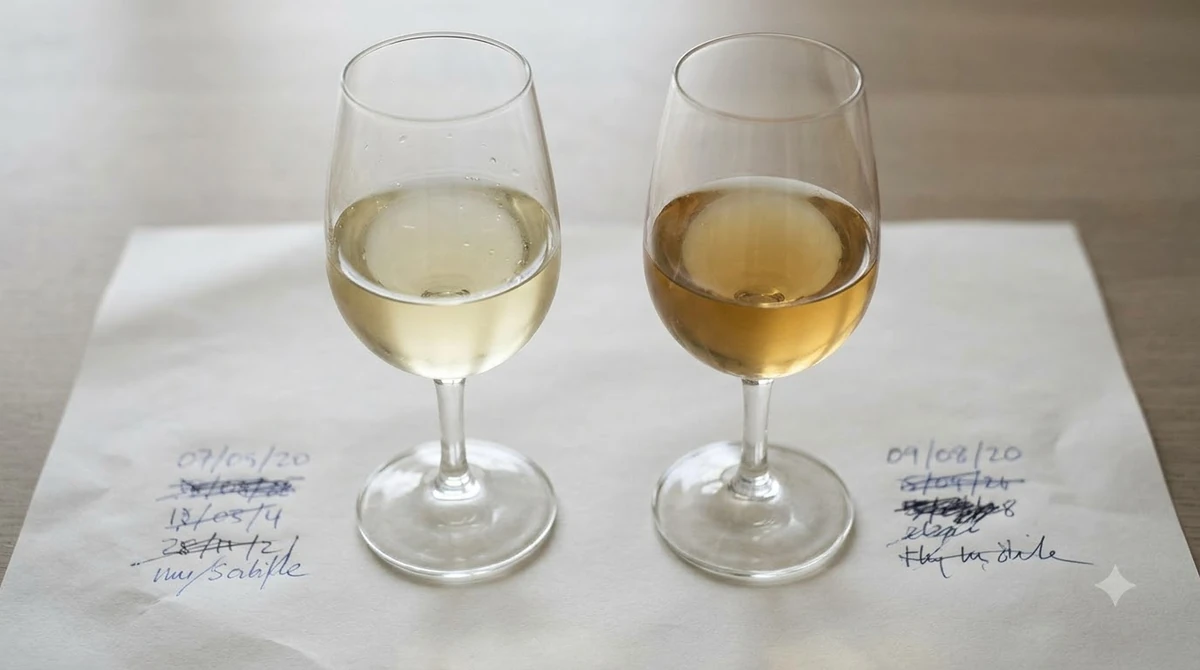
Sauvignon Blanc is one of the easiest varieties to recommend to someone who enjoys refreshing white wine. Its typically high acidity creates a lively finish, while common aromas and flavors include grapefruit, lime, green apple, fresh herbs, and sometimes cut grass.
Marlborough, New Zealand, is particularly well known for its expressive Sauvignon Blanc style. French examples from the Loire Valley can be more restrained and mineral-driven. Both can be excellent choices, depending on whether you prefer tropical fruit intensity or a more understated profile.
This variety works especially well with goat cheese, grilled shrimp, fresh salads, and fish served with citrus. Its acidity can complement dishes with lemon or vinaigrette, making it a useful option for summer meals and lighter lunches.
Pinot Grigio: The Light Everyday Option
Pinot Grigio is a strong choice for people who prefer subtle flavors and a lighter body. Typical characteristics include pear, green apple, citrus, and delicate mineral notes. Italian versions, especially those from northern regions, are often crisp and uncomplicated.
Pinot Gris is the same grape variety, but the style can be noticeably different depending on its origin. Examples from Alsace and Oregon can be fuller, richer, and more textured than the familiar Italian version. That distinction matters if you want something more substantial than a simple aperitif wine.
Pair Pinot Grigio with grilled white fish, shrimp, light pasta, and fresh vegetables. It also works as an aperitif because its relatively restrained flavor does not dominate snacks or appetizers.
Albariño: A Seafood-Friendly Spanish White
Albariño deserves attention from shoppers who want something slightly more distinctive than the familiar supermarket varieties. It commonly combines citrus, peach, apricot, floral aromas, and saline characteristics with refreshing acidity.
Rías Baixas in northwestern Spain is its best-known traditional region. The Atlantic influence contributes to the fresh character associated with many examples from the area. Albariño is especially appealing alongside shellfish, grilled fish, calamari, and seafood tapas.
Its combination of fruit and freshness makes it a useful alternative to Sauvignon Blanc. People who find Sauvignon Blanc too grassy may prefer Albariño’s stone-fruit character and softer aromatic profile.
Riesling: The Flexible Sweetness Choice
Riesling is among the most versatile white grapes because it can produce everything from very dry wines to sweet dessert styles. Its naturally high acidity is an important part of its appeal, helping balance fruit intensity and residual sugar.
Dry Riesling can feature green apple, lime, citrus blossom, and mineral characteristics. Off-dry versions often bring peach, floral aromas, and a gentle sweetness. Finger Lakes and Washington State are useful American regions to explore, while German Riesling offers a broad range of styles.
Riesling is particularly good with spicy Asian cuisine, pork, aromatic curries, and dishes containing ginger. For people who dislike strongly sweet wine but want something less austere than Sauvignon Blanc, an off-dry version can be an excellent compromise.
Chardonnay: The Fuller and More Textured Alternative
Chardonnay is a particularly flexible grape because the winemaking approach has a major effect on its flavor and texture. Unoaked versions commonly emphasize apple, pear, citrus, and fresh fruit. Oak-aged wines may develop vanilla, toast, butter-like impressions, and a fuller mouthfeel.
For someone who wants a refreshing Chardonnay rather than a rich, buttery style, look for unoaked or lightly oaked examples. Stainless-steel fermentation is one clue that a producer is emphasizing freshness rather than strong oak character.
Chardonnay is a natural match for roast chicken, salmon, creamy pasta, and dishes with butter-based sauces. Its generally medium acidity and fuller texture make it particularly useful when a lighter Pinot Grigio would feel too delicate.
Chenin Blanc: The Versatile Alternative
Chenin Blanc is worth exploring because it can be made in dry, off-dry, and sweeter styles while maintaining useful acidity. Its typical fruit profile includes apple, pear, citrus, and sometimes honeyed or floral characteristics.
Mendocino in California and the Loire Valley in France are useful places to begin. Chenin Blanc can be more textured than Pinot Grigio while retaining enough freshness for food pairing. Its versatility makes it suitable for poultry, pork, soft cheeses, and lightly spiced dishes.
Moscato and Other Sweet Styles
Moscato is a practical option for people who genuinely enjoy sweetness. It often has peach, orange blossom, and tropical fruit aromas, with a lighter and more approachable profile than many full-bodied dessert wines.
It is particularly useful with fruit-based desserts, mild cheeses, and moderately spicy food. However, it is not the right choice for someone who specifically wants a bone-dry white. Sweetness is a preference, not a quality rating, so choose according to the drinker’s taste rather than assuming dry wine is automatically superior.
For a closer comparison of styles, explore the dry white wine guide and the sweet white wine guide. These explain how sweetness changes the drinking experience and which varieties are most appropriate for different preferences.
Common Mistakes When Buying Affordable White Wine
Most disappointing purchases happen because shoppers misunderstand sweetness, choose a wine that does not suit the meal, or rely too heavily on the appearance of the bottle. A few simple checks can prevent these mistakes.
Confusing Fruity Flavors With Sweetness
A wine can smell strongly of pineapple, peach, or passion fruit without containing noticeable residual sugar. Sauvignon Blanc is a good example: its tropical aromas can be intense even though the wine is dry. Riesling is more complicated because the same grape can produce completely different sweetness levels.
Look for descriptions such as dry, off-dry, medium-sweet, or sweet when you want a particular result. Do not assume that a fruity aroma means a wine will taste sugary.
Buying Chardonnay Without Considering Oak
Chardonnay is not a single flavor profile. An unoaked version can be fresh and citrus-driven, while an oak-aged example can be richer and more reminiscent of vanilla, toast, or butter. If you dislike creamy, heavy whites, choosing an intensely oaked bottle may lead to disappointment.
Look for descriptions mentioning stainless steel, unoaked fermentation, or restrained oak influence when freshness is your priority. If you enjoy richness, the opposite approach may be more suitable.
Choosing a Wine That Is Too Light for the Meal
Light Pinot Grigio can disappear alongside a rich cream sauce or heavily seasoned roast chicken. Likewise, a fuller-bodied Chardonnay may overwhelm a delicate seafood salad. Match the wine’s body to the intensity of the dish rather than simply choosing a favorite grape every time.
Acidity is equally important. A dish with lemon, vinegar, or tomato often needs a wine with sufficient acidity to maintain balance. A low-acid wine can taste flat next to particularly sharp food.
Ignoring the Effect of Chili Heat
Spicy food requires a little more consideration. Alcohol and tannin can make chili heat feel more pronounced, so a high-alcohol, tannic red is often a difficult match for intensely spicy dishes. A refreshing white with some residual sweetness can be more comfortable.
Off-dry Riesling is a particularly useful choice for spicy noodles, Thai curries, and dishes with chili sauce. Its acidity keeps the pairing lively while a touch of sweetness balances the heat.
Assuming Every Expensive-Looking Label Indicates Quality
Elaborate packaging, unusual bottle shapes, and prestigious-sounding descriptions do not guarantee a better wine. A straightforward bottle from a reliable producer can be more enjoyable than a heavily marketed alternative.
Pay attention to the grape, region, sweetness, and producer information instead. These details offer more practical guidance than decorative labeling.
Overlooking the Importance of Food Pairing
Even a good white wine can seem disappointing when paired with the wrong dish. High-acid Sauvignon Blanc is generally comfortable with goat cheese and seafood, while fuller Chardonnay is often better suited to creamy sauces and roast poultry.
Another common issue is serving wine with a dessert that is sweeter than the wine itself. The wine can taste thin or excessively acidic in comparison. A useful rule is to choose a wine at least as sweet as the dessert.
Care, Serving Temperature, and Storage Tips
Serving temperature and storage have a noticeable effect on affordable white wine. Keeping the bottle properly chilled, protecting opened wine from excess air, and avoiding excessive heat will help preserve its intended character.
Different styles benefit from slightly different serving temperatures. Very cold wine can hide delicate aromas, while warm white wine may taste overly alcoholic or heavy. The following temperatures provide practical starting points.
| White wine style | Recommended serving temperature | Serving guidance |
|---|---|---|
| Light-bodied whites | 45–50°F | Serve chilled for freshness |
| Full-bodied whites | 50–55°F | Allow richer aromas to develop |
| Sweet white wines | 43–50°F | Serve well chilled |
| Sparkling wines | 40–50°F | Keep cold to preserve freshness and bubbles |
For a light Pinot Grigio or Sauvignon Blanc, aim for approximately 45 to 50 degrees Fahrenheit. A fuller Chardonnay generally benefits from a slightly warmer serving temperature of 50 to 55 degrees Fahrenheit. Sweet whites are usually most refreshing between 43 and 50 degrees Fahrenheit.
If a bottle has been stored at room temperature, placing it in the refrigerator before dinner is a simple solution. A short period in an ice bucket can also help bring the temperature down. Avoid putting white wine in the freezer and forgetting about it, since excessive cooling can interfere with the drinking experience and create bottle-safety problems if the liquid freezes.
How to Store Unopened Bottles
White wine should be kept away from direct sunlight, heat sources, and large temperature fluctuations. A cool, dark storage location is preferable to a sunny kitchen counter or a shelf beside an oven.
For longer storage, approximately 55 degrees Fahrenheit is a useful target. Bottles with natural cork closures are generally best stored horizontally so the cork remains in contact with the wine. Screw-cap bottles do not require the same positioning, although they should still be kept in a stable, cool environment.
Most affordable aromatic white wines are intended for relatively early enjoyment rather than extended cellaring. Fresh Sauvignon Blanc, Pinot Grigio, and Albariño are usually purchased for their youthful fruit and refreshing character. There is little reason to keep an ordinary everyday bottle for several years in the hope that it will become substantially better.
How to Preserve an Opened Bottle
After opening, replace the closure securely and refrigerate the remaining wine. Cold temperatures slow the processes that cause the wine to lose its freshness. Keeping the bottle upright also reduces the amount of wine exposed to oxygen compared with a partially filled bottle stored horizontally.
Most opened still white wines remain enjoyable for approximately three to five days when properly refrigerated and sealed. More delicate wines may lose their most attractive aromas earlier, while some fuller-bodied styles can hold their character a little longer.
Do not leave an opened white wine sitting on the table throughout an entire evening and then store it without replacing the closure. Repeated exposure to air gradually reduces freshness and can introduce stale, oxidized characteristics. Pour individual servings as needed and return the bottle to the refrigerator.
When serving several people, use a standard 5-ounce pour to estimate how much wine remains. A 750 ml bottle contains approximately five such servings, making it straightforward to plan quantities for dinner or a small gathering.
Frequently Asked Questions
What is the safest white wine choice when buying for guests?
A dry Pinot Grigio is a useful starting point because its relatively neutral flavor and light body appeal to many people who prefer uncomplicated white wine. If the meal includes richer dishes, an unoaked Chardonnay provides another approachable option. For a group with varied preferences, offering one dry bottle and one slightly sweet Riesling provides a more accommodating selection.
Can inexpensive white wine be used for cooking?
Yes. Dry Sauvignon Blanc, Pinot Grigio, and unoaked Chardonnay are useful for sauces, seafood dishes, and pan deglazing. Avoid cooking with a wine you would not enjoy drinking, and generally skip heavily sweet styles unless the recipe specifically calls for sweetness. Wine should complement the other ingredients rather than dominate the finished dish.
Does white wine need to breathe before serving?
Most everyday white wines do not require extended aeration. Fresh Sauvignon Blanc and Pinot Grigio can generally be poured shortly after opening. A fuller Chardonnay or aromatic Riesling may benefit from a few minutes in the glass, allowing its aromas to become more expressive without requiring a lengthy decanting process.
Why does some white wine have a slightly fizzy sensation?
Some still wines retain a small amount of dissolved carbon dioxide from fermentation, creating a light prickle on the tongue. This can occur in youthful, fresh styles such as Vinho Verde. It does not automatically mean the wine is defective or intentionally made as a fully sparkling wine.
Can white wine be served in a regular drinking glass?
Yes. A clean, medium-sized wine glass is generally sufficient for everyday white wine. A narrower opening can help concentrate aromas in delicate aromatic varieties, while a slightly wider bowl can be useful for fuller Chardonnay. Specialized glassware is optional rather than a requirement for enjoying a good bottle.
The best affordable white wine is the one that matches your preferred sweetness, acidity, and food pairing rather than the one with the most recognizable label. Start with Sauvignon Blanc or Pinot Grigio for crisp everyday drinking, explore Albariño and Chenin Blanc for more variety, and choose Riesling when sweetness and versatility matter most. With a little attention to grape variety, region, serving temperature, and storage, an everyday bottle can provide a genuinely satisfying wine experience. For your next purchase, narrow the selection to two grape styles you enjoy and compare their regional expressions before choosing a bottle.
More in Wine Buying Guides
 Cheap Red Blend: How to Find a Flavorful Bottle for LessUpdated Nov 20, 2026
 Pinot Grigio Gift: How to Choose a Bottle They’ll EnjoyUpdated Nov 20, 2026
 Best White Wine at Total Wine for Every MealUpdated Nov 20, 2026
 Wine Fridge Replacement Shelves: Find the Right FitUpdated Nov 20, 2026
 Best Sparkling Wine Under 20: Find Bubbles Worth BuyingUpdated Nov 20, 2026
 Best Wine For Birthday Celebrations With Perfect Party PairingsUpdated Nov 20, 2026