


We may earn a commission when you buy through links on this page, at no extra cost to you. Learn more.
The belle glos wine price typically ranges from about $40 to $55 for a 750 ml bottle of standard Pinot Noir in the US, depending on the vineyard bottling, vintage, retailer, and availability. Belle Glos focuses on California coastal wines, particularly vineyard-designated Pinot Noir, with recognizable labels including Clark & Telephone, Dairyman, Las Alturas, and Eulenloch. Its wines generally occupy the premium everyday-to-special-occasion category, making vineyard selection and bottle size important considerations before purchasing.
Belle Glos is a California wine brand associated with winemaker Joseph Wagner and a fruit-forward approach to coastal Pinot Noir. Its different vineyard bottlings offer distinct expressions of the grape rather than simply presenting several labels with identical flavor profiles. Understanding the differences can help buyers decide whether a particular bottle suits a dinner, celebration, gift, or personal collection. This guide examines typical US retail pricing, explains the principal wine styles, and outlines practical ways to compare bottles without paying more than necessary for a style you may not prefer.
Who Should Consider Belle Glos Wine?
Belle Glos is a good option for wine drinkers who enjoy expressive California Pinot Noir and want a bottle with a recognizable vineyard identity. Its wines are particularly relevant to buyers who prefer ripe fruit, noticeable texture, and a richer interpretation of Pinot Noir than some lighter-bodied examples from cooler European regions.
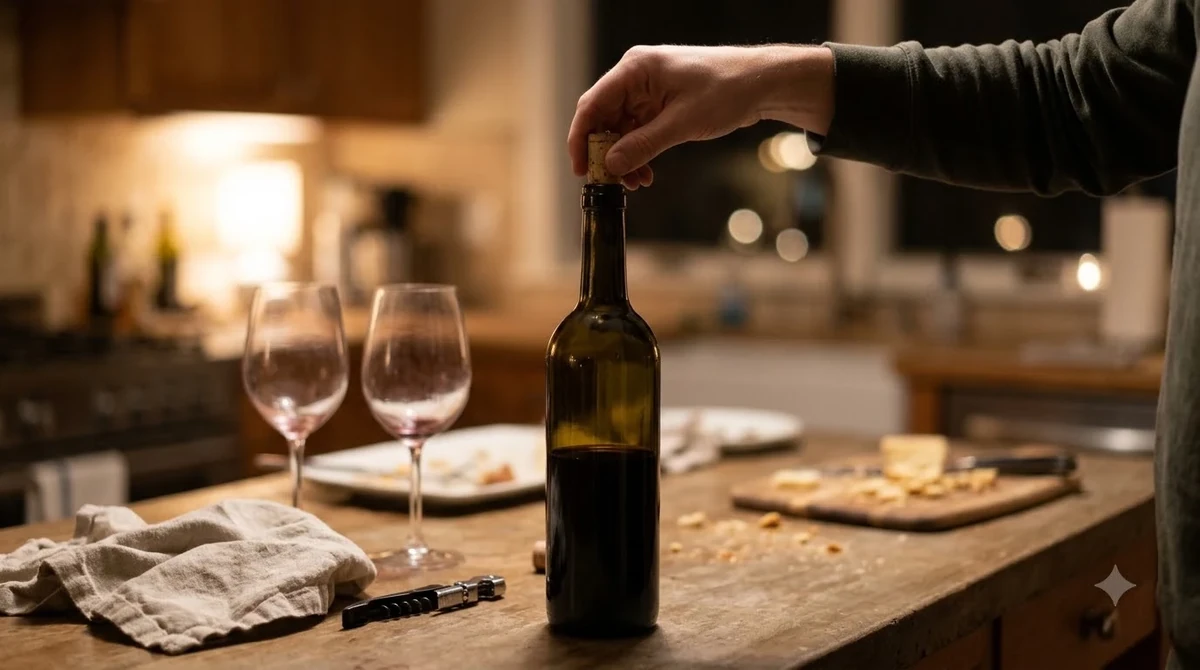
The brand was created by Joseph Wagner in 2001, with a focus on vineyard-designated Pinot Noir from California’s coastal growing regions. The official producer website explains that the Belle Glos name honors his grandmother, Lorna Belle Glos Wagner, who was an important influence on his family’s wine history. The portfolio emphasizes differences between individual vineyard sites, including their exposure to ocean fog, wind, sunlight, and distinctive soils.
That approach makes the brand interesting for people who enjoy comparing wines made from the same grape. For example, Clark & Telephone comes from the Santa Maria Valley, while Dairyman comes from the Russian River Valley. Both are Pinot Noir, but their vineyard environments provide different starting points for the finished wines.
Belle Glos may also appeal to shoppers looking for a recognizable premium California wine as a host gift. Its distinctive bottle presentation and vineyard-specific labels can make it suitable for occasions where a standard supermarket red might feel too ordinary.
However, Belle Glos is not necessarily the right choice for every Pinot Noir enthusiast. Drinkers who prefer delicate, restrained wines with pronounced earthy and savory characteristics may favor a lighter style. Buyers who mainly want inexpensive wine for large gatherings may also find that a less expensive California red better matches their needs.
It helps to understand your preferred style before comparing prices. Someone who likes ripe black cherry, plum, baking spice, and a velvety mouthfeel may appreciate the brand’s fuller interpretation of Pinot Noir. Someone who prioritizes subtle red fruit and very light body should compare several producers before choosing.
How Much Does Belle Glos Wine Cost?
The typical US retail range for a standard Belle Glos Pinot Noir bottle is approximately $40 to $55 for 750 ml, although some vineyard selections and special bottlings can fall outside that range. The official Belle Glos website lists selected 750 ml Pinot Noir releases, including Clark & Telephone and Las Alturas, at $55, while retailer listings and price-tracking services show variation by vintage and location.
For a practical pricing reference, Vino Alert’s US retailer comparison lists 2025 Belle Glos Pinot Noir offers around $39.95 to $49.99. Its non-vintage listings also vary across retailers. Total Wine’s Clark & Telephone listing provides another retailer-specific reference, demonstrating that the same named wine can have different displayed prices depending on the store. These figures should be treated as market observations rather than guaranteed nationwide prices.
| Wine or category | Typical US retail range | What to consider |
|---|---|---|
| Belle Glos standard Pinot Noir | About $40–$55 | Vintage and retailer differences |
| Clark & Telephone Pinot Noir | About $45–$55 | Santa Maria Valley vineyard identity |
| Las Alturas Pinot Noir | About $45–$55 | Santa Lucia Highlands origin |
| Dairyman Pinot Noir | About $40–$55 | Russian River Valley fruit profile |
| Eulenloch Pinot Noir | About $40–$55 | Carneros vineyard characteristics |
| Belle Glos sparkling wine | About $75 for the listed Blanc de Blanc | Different wine category and production style |
These are indicative comparison ranges, not fixed prices for every vintage or retailer. The producer’s published price for selected 750 ml Pinot Noir bottlings is $55, while Vino Alert’s tracked offers demonstrate that some retail listings are lower. The sparkling wine figure is based on the producer’s separate Blanc de Blanc listing. Prices vary by state and retailer, and shipping, taxes, local inventory, and vintage can change the final amount.
Understanding the difference between producer and retail pricing
The producer’s listed price provides a useful reference point, but it does not mean every wine shop must sell a bottle for that amount. Retailers operate under different purchasing arrangements, distribution conditions, and state regulations. A shop with access to a particular vintage may list it at a different price from another store carrying a newer release.
Vintage also matters. Two bottles bearing the same vineyard name may come from different harvest years, and their availability can differ considerably. A buyer comparing Clark & Telephone listings should make sure the bottles represent the same vintage and bottle size before deciding that one retailer is more expensive.
For additional context, Vino Alert’s Belle Glos Pinot Noir price comparison separates retailer offers and vintage information. This is useful for identifying the general market range without assuming that a single listing represents the entire US market.
Another helpful reference is the official Belle Glos wine portfolio, which identifies its current featured wines, vineyard origins, and producer-listed bottle prices.
Key Factors to Compare Before Buying
The most useful comparison involves more than the bottle price. Vineyard origin, vintage, grape variety, flavor profile, and bottle size all influence whether a particular Belle Glos wine is appropriate for your needs.
1. Vineyard designation
Belle Glos emphasizes the identity of individual California vineyard sites. Clark & Telephone is associated with Santa Maria Valley, Dairyman with Russian River Valley, Eulenloch with Carneros, and Las Alturas with the Santa Lucia Highlands. These locations have different combinations of coastal influence, soil conditions, sunlight, and temperature patterns.
The producer describes Dairyman as a site affected by cool morning fog and afternoon coastal breezes. Its vineyard information highlights bright cherry, brown spice, minerality, and a velvety mouthfeel. These details give buyers a useful indication of the style associated with that particular vineyard.
2. Vintage
The vintage identifies the year in which the grapes were harvested. Weather conditions during the growing season can influence grape ripeness, acidity, concentration, and the eventual balance of the wine.
When comparing two bottles, avoid assuming that identical labels automatically mean identical drinking experiences. A 2022 Clark & Telephone and a newer release may have different availability, market pricing, and development characteristics. Buyers interested in a particular vintage should compare like with like rather than relying solely on the vineyard name.
3. Grape variety and wine category
Pinot Noir is the main attraction for many Belle Glos buyers, but the portfolio extends beyond that grape. The producer also identifies Chardonnay, rosé, and sparkling wines. These categories serve different purposes and should not be compared using the same expectations.
For example, a Pinot Noir is a still red wine, whereas a Blanc de Blanc is a sparkling wine category. A shopper purchasing a bottle for a steak dinner may have different requirements from someone selecting sparkling wine for a celebration.
4. Bottle size
The standard 750 ml bottle is the most practical reference for comparing everyday retail prices. It generally provides approximately five 5-ounce servings, making it suitable for a small dinner or sharing among several guests.
Larger formats, including 1.5-liter bottles, contain twice the volume of a standard 750 ml bottle. They may be useful for gatherings, but their total purchase cost and storage requirements are different. Always compare equivalent bottle sizes when evaluating retailer listings.
5. Flavor preferences
Pinot Noir is generally less tannic than Cabernet Sauvignon, but California examples can still offer considerable concentration and texture. Belle Glos’s descriptions frequently refer to ripe fruit and richer mouthfeel, making it worth considering for drinkers who like expressive reds.
Clark & Telephone, for example, is described by Total Wine with plum, brown spice, caramel, cranberry, and blackberry notes. Its listing also identifies firm acidity and soft tannins. These details help shoppers anticipate a more generous style without assuming that every Belle Glos bottling tastes exactly the same.
For a broader introduction to the producer and its different vineyard labels, the Belle Glos wine overview provides a useful starting point before making a final selection.
Step-by-Step: How to Choose the Right Belle Glos Bottle
A straightforward purchasing process can prevent confusion between vineyard bottlings and reduce the chance of paying more for a wine that does not suit your preferences. Start with the occasion, narrow your preferred style, and then compare equivalent bottles across retailers.
-
Decide on the occasion.
Choose whether the wine is intended for a weekday dinner, a birthday, a holiday meal, or a gift. A standard 750 ml bottle is usually sufficient for a small dinner, while a 1.5-liter format may be more appropriate for a larger gathering.
-
Choose the wine category.
If you want a California red, begin with Pinot Noir. If you prefer white wine, investigate the Chardonnay offerings. For a celebration where bubbles are appropriate, consider the sparkling portfolio rather than assuming every Belle Glos product is a red wine.
-
Select a vineyard expression.
Consider Clark & Telephone for a Santa Maria Valley selection, Dairyman for Russian River Valley, or Las Alturas for Santa Lucia Highlands. Eulenloch offers another distinct vineyard identity associated with Carneros in Napa Valley.
-
Compare matching vintages.
Look at the harvest year, bottle size, and vineyard name together. If two listings show different vintages, treat them as separate purchasing options rather than identical products.
-
Check multiple retailers.
Compare at least two or three legitimate wine retailers where the bottle is legally available. Look at the actual bottle size, shipping charges, local availability, and whether the listed vintage matches your preference.
-
Consider the food pairing.
Match the wine with the meal you intend to serve. Pinot Noir is particularly versatile with roasted chicken, duck, pork, mushrooms, and salmon. More delicate dishes may benefit from a lighter-bodied style, while richer preparations can work with a fuller expression.
-
Make the purchase based on overall value.
Consider whether the vineyard expression, vintage, and drinking occasion justify the amount you are spending. A slightly less expensive bottle is not automatically the better choice if it offers a style you do not enjoy.
Tip: Compare the vineyard name and vintage before comparing prices. Two Belle Glos bottles can carry similar branding while representing different vineyard sites and harvest conditions. Matching the wine identity first makes retailer comparisons much more meaningful.
Buyers who are new to California wine can also explore other familiar American brands before deciding how much they want to spend. For example, Barefoot wine offers a different, generally more accessible everyday category, while wine brands provides a broader starting point for understanding producers and styles.
Belle Glos Wine Types and Styles Explained
Belle Glos offers several distinct wine categories, but its vineyard-designated Pinot Noir is the central reason many shoppers recognize the brand. Understanding the differences between its major labels helps buyers select a wine based on origin and expected style rather than bottle appearance alone.
Clark & Telephone Pinot Noir
Clark & Telephone comes from the Santa Maria Valley in Santa Barbara County. Its vineyard was established in 1972 and planted with the Martini clone of Pinot Noir, according to the producer.
Total Wine describes the bottling with plum, brown spice, caramel, cranberry, and blackberry characteristics. Its product description also mentions firm acidity and soft tannins. Those characteristics make it an interesting option for buyers who enjoy a Pinot Noir with ripe fruit and a noticeable but approachable structure.
Dairyman Pinot Noir
Dairyman is associated with the Russian River Valley. The producer explains that the vineyard’s location exposes it to morning fog and afternoon coastal breezes, conditions that extend the growing season.
The winery describes bright cherry, brown spice, minerality, and a rich, velvety mouthfeel. This provides a useful starting point for someone interested in a Russian River Valley expression rather than selecting a bottle based only on a general California designation.
Las Alturas Pinot Noir
Las Alturas comes from the Santa Lucia Highlands in Monterey County. The producer identifies its vineyard location as one of the higher plantable sites in the area, with cool coastal days and consistent sunshine.
The vineyard’s Gloria sandy loam soil and different slopes are part of the producer’s explanation of its site-specific approach. Buyers interested in comparing Monterey County Pinot Noir with Santa Maria Valley or Russian River Valley expressions may find this bottling particularly relevant.
Eulenloch Pinot Noir
Eulenloch is located in the Carneros region of Napa Valley. According to the producer, the area experiences cooling fog and persistent breezes, while the vineyard contains predominantly shallow clay soils.
Belle Glos describes the resulting Pinot Noir as structured, supple, and layered, with length and depth. This is a useful option for someone who wants to explore a Carneros expression within the brand’s vineyard-specific portfolio.
Other Belle Glos categories
Pinot Noir is not the only option. The producer also lists Chardonnay, rosé, and sparkling wines. These bottles are relevant for shoppers who like the brand’s identity but want something other than a still red wine.
The Blanc de Blanc sparkling offering is a separate category from the vineyard-designated Pinot Noir range. Its official listing identifies a 750 ml bottle and Russian River Valley origin. Buyers should therefore compare it with other sparkling wines rather than treating it as an alternative Pinot Noir.
The brand’s wider range makes it useful to distinguish the wine category before considering the purchase amount. A sparkling bottle, a rosé, and a vineyard-designated red have different serving occasions, food-pairing possibilities, and drinking expectations.
Common Mistakes When Comparing Belle Glos Prices
Many purchasing mistakes occur because shoppers compare bottles that are not actually equivalent. A little attention to vintage, vineyard designation, and bottle format can prevent misleading conclusions about the cost of a particular wine.
Comparing different vineyard bottlings as identical wines
Clark & Telephone and Dairyman are both Pinot Noir, but their vineyard origins differ. Clark & Telephone comes from Santa Maria Valley, while Dairyman is located in Russian River Valley. Their different growing conditions are part of the reason Belle Glos maintains separate vineyard identities.
It is reasonable to compare their general retail ranges, but a price difference should not automatically be interpreted as a quality difference. The wines represent different sites and can appeal to different preferences.
Ignoring the vintage
A listing for one vintage should not be directly compared with another without recognizing that they are different releases. Vintage can influence availability and retailer pricing, and older bottles may be harder to find.
For buyers who want a particular harvest year, confirming that information is more important than selecting whichever listing appears first in a search result.
Using one retailer’s price as the national average
A bottle listed at one wine shop does not establish the price throughout the United States. Local distribution, state laws, shipping arrangements, and inventory conditions all influence the amount a customer sees.
Comparing several retailers provides a more realistic view. Price comparison services can help identify different offers, but their listings should still be checked against the actual retailer before placing an order.
Assuming every Belle Glos wine is Pinot Noir
The brand is strongly associated with Pinot Noir, but the portfolio includes other wine categories. Chardonnay, rosé, and sparkling wines should be evaluated according to their own characteristics.
Someone looking for a crisp white wine, for instance, should not purchase a red Pinot Noir simply because the brand is familiar. The grape variety and wine category need to match the intended occasion.
Overlooking serving temperature
Pinot Noir is often served too warm, especially when a bottle has been kept in a warm room. Excessive warmth can make alcohol feel more prominent and reduce the impression of freshness.
A useful serving range for light-bodied reds is approximately 55 to 60 degrees Fahrenheit. A richer California Pinot Noir can also benefit from modest cooling rather than being served at typical warm room temperature.
Serving and Storage Tips for Belle Glos Wine
Proper serving and storage help preserve the wine’s balance and make the bottle more enjoyable. For Belle Glos Pinot Noir, moderate cooling, appropriate glassware, and protection from heat and light are practical priorities.
Serve Pinot Noir slightly cool
A serving temperature of approximately 55 to 60 degrees Fahrenheit works well for light-bodied reds, including many Pinot Noir styles. This temperature range helps retain freshness while allowing fruit and aromatic characteristics to remain noticeable.
If the bottle has been stored at normal room temperature, placing it in the refrigerator briefly before serving can help bring it closer to the preferred range. Avoid serving it excessively cold, since very low temperatures can mute aromas and make the wine seem less expressive.
Choose suitable glassware
A medium-to-large red wine glass with a rounded bowl is a useful choice for Pinot Noir. Its shape gives the wine room to release aromas while allowing the drinker to swirl the wine without spilling easily.
Pour approximately 5 ounces per serving. A standard 750 ml bottle provides about five such servings, although the exact number depends on how generously the wine is poured.
Decide whether decanting is necessary
Most younger Pinot Noir bottles do not require lengthy decanting. However, a short period of exposure to air can sometimes help a concentrated or tightly wound red wine become more expressive.
For a young, full-bodied red, a 30- to 60-minute decant is a useful general reference. Pinot Noir often requires less time, so begin by pouring a glass and assessing the aromas before deciding whether additional aeration is necessary.
Store unopened bottles properly
Keep unopened wine away from direct sunlight, strong temperature fluctuations, and heat sources. A consistent environment near 55 degrees Fahrenheit is a useful storage target for bottles intended for longer keeping.
Traditional cork-finished bottles are generally stored on their sides to help maintain contact between the wine and cork. Avoid placing wine beside ovens, radiators, or windows where temperature changes can be substantial.
Preserve opened bottles
Once opened, Pinot Noir should be recorked or sealed with an appropriate wine stopper and refrigerated. A practical general guideline for opened still wines is approximately three to five days in the refrigerator, although the wine’s condition can change depending on oxygen exposure and storage.
Before serving an opened bottle again, allow it to warm slightly from refrigerator temperature. This helps restore its aromatic expression. If the wine has developed noticeably stale, oxidized, or unpleasant aromas, it may no longer provide the drinking experience intended by the producer.
For a bottle purchased for a special dinner, it is sensible to plan the opening and serving conditions in advance. Proper storage, moderate cooling, and sensible pouring make more difference than complicated equipment for most everyday wine occasions.
Frequently Asked Questions
Is Belle Glos pronounced Bell Gloss?
Yes. The producer gives the pronunciation as BELL GLOSS. The name honors Lorna Belle Glos Wagner, Joseph Wagner’s grandmother. The family connection is part of the brand’s identity rather than a reference to a geographic wine region.
Who makes Belle Glos wine?
Belle Glos was created by Joseph Wagner, a fifth-generation Napa Valley winemaker. The producer identifies him as the owner and winemaker associated with the brand. His family background includes a connection to Caymus Vineyards, which his grandmother co-founded in 1972.
Does Belle Glos use only one vineyard for its Pinot Noir?
No. The brand identifies multiple vineyard sites, including Taylor Lane, Dairyman, Eulenloch, Las Alturas, and Clark & Telephone. Each site has different environmental conditions, and the producer’s stated objective is to express those differences through individual vineyard-designated wines.
What does AVA mean on a Belle Glos wine label?
AVA stands for American Viticultural Area, a federally recognized grape-growing region in the United States. It identifies a geographically defined wine-growing area with distinguishing characteristics. For example, Santa Lucia Highlands and Russian River Valley are California AVAs that help buyers understand a wine’s regional origin.
Can Belle Glos Pinot Noir be kept for several years?
Some Pinot Noir bottlings can develop additional complexity with suitable bottle aging, but the ideal drinking window depends on the specific wine and vintage. Storage conditions are particularly important because sustained heat and temperature fluctuations can damage wine prematurely. For a specific aging recommendation, consult the producer’s information for the particular bottling and harvest year.
Belle Glos offers a distinctive selection of California wines, with vineyard-designated Pinot Noir providing the clearest reason to explore the brand. A typical US budget of approximately $40 to $55 for a 750 ml Pinot Noir provides a practical starting point, while individual releases, vintages, and sparkling wines can fall outside that range. Compare the vineyard, bottle size, and vintage before purchasing, and choose the expression that best matches your preferred style and occasion.
More in Wine Brands
 Louis Latour Wine Price: Compare Bottles by Style and TierUpdated Nov 20, 2026
 Yellow Tail Moscato Price: What to Expect Before You BuyUpdated Nov 20, 2026
 Sutter Home Sweet Red Review: Find the Right Food PairingsUpdated Nov 20, 2026
 Franzia Chillable Red Review: Find the Right Serving StyleUpdated Nov 20, 2026
 Veuve Clicquot Rose Review: Flavor, Food Pairings and Buying AdviceUpdated Nov 20, 2026
 Rombauer Wine Price: Compare Bottles Before You BuyUpdated Nov 20, 2026