

We may earn a commission when you buy through links on this page, at no extra cost to you. Learn more.
The typical apothic red price in the United States is about $8 to $13 for a 750 ml bottle, making it an accessible option for an everyday California red blend. Actual retail costs depend on the store, state, local alcohol taxes, bottle size, and availability. Before buying, it helps to understand what the wine offers, how its flavor compares with its price, and whether it suits your preferred red wine style.
Apothic Red has a recognizable combination of dark fruit, vanilla, mocha, and gentle spice. Its smooth character and approachable flavor profile make it a familiar choice for casual dinners, gatherings, and shoppers looking for a reasonably priced red blend. However, a low shelf price does not automatically mean the wine is the right match for every drinker. Comparing bottle sizes, checking local retail listings, and understanding its flavor profile can help you make a more informed purchase.
Who This Is For: Apothic Red Buyers and Everyday Wine Drinkers
Apothic Red is worth considering if you want a California red blend with generous fruit flavors, a smooth texture, and a relatively accessible retail cost. Its 750 ml bottle format and familiar flavor characteristics make it suitable for people who enjoy approachable wines without spending heavily on a special-occasion bottle.
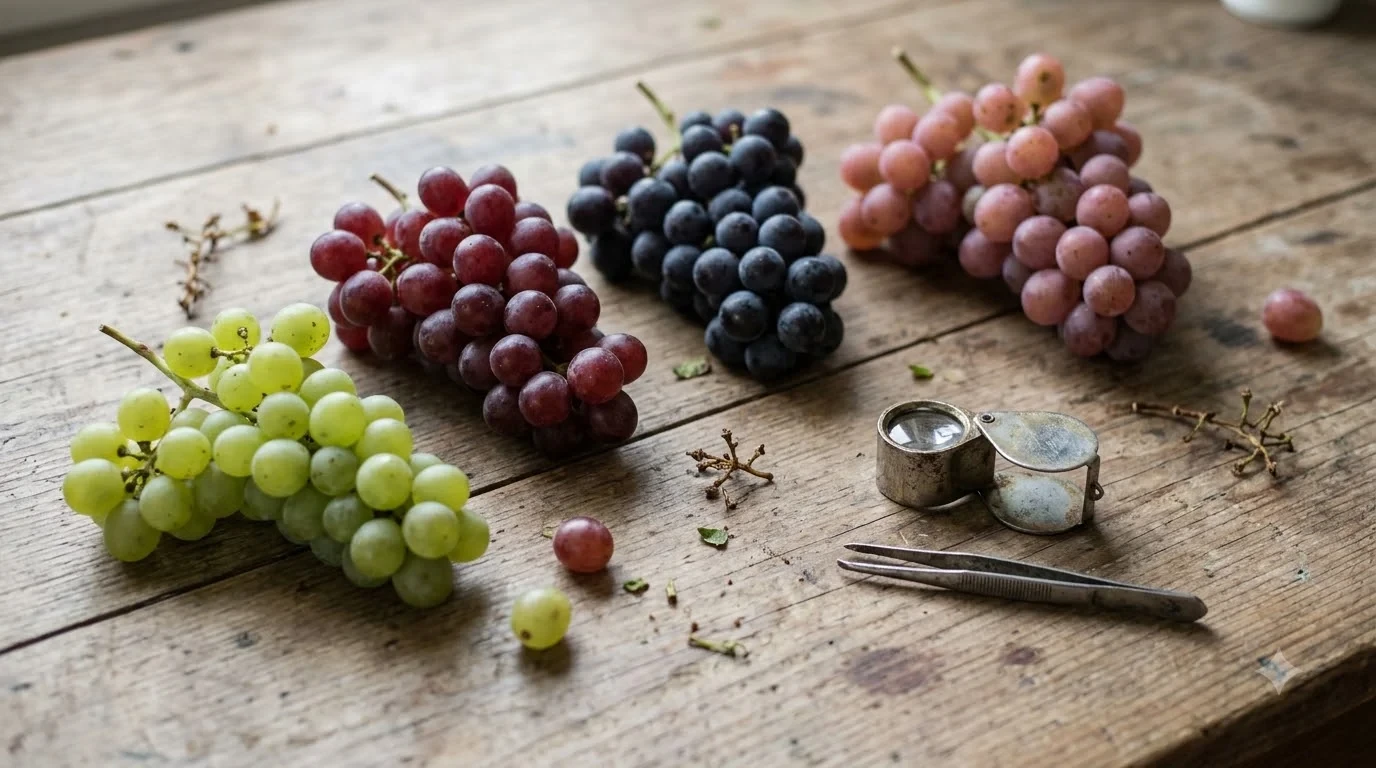
The blend combines Zinfandel, Syrah, Merlot, and Cabernet Sauvignon. These varieties contribute different characteristics, including dark fruit, blueberry, black cherry, and structure. The producer highlights vanilla and mocha as part of the finished wine’s oak-influenced character. The result is a fruit-forward style rather than a particularly austere or strongly tannic red.
According to Apothic’s official description of its Red Original Blend, the wine’s first release was in 2009. The producer explains how its winemaking team combined different grape characteristics and oak influences to establish the blend’s recognizable flavor profile.
Shoppers who enjoy soft, ripe fruit flavors may find this style appealing. It can work for someone transitioning from sweeter beverages toward red wine or for a regular wine drinker who prefers a less demanding bottle for an informal evening. Its familiar flavors also make it an uncomplicated option to bring to a casual dinner.
However, people who strongly prefer bone-dry wines, pronounced acidity, earthy aromas, or firm tannins may want to compare other California reds before purchasing. Apothic Red is not designed to deliver the same experience as a structured Cabernet Sauvignon or an elegant, lighter-bodied Pinot Noir.
It is also useful to distinguish the original Red blend from other bottles in the Apothic collection. Apothic Dark, Apothic Inferno, and Apothic Crush have different flavor identities. A shopper specifically looking for the original blend should make sure the bottle is labeled Apothic Red rather than assuming every red wine carrying the Apothic name tastes the same.
Key Factors to Compare Before Buying Apothic Red
The most useful price comparison starts with bottle size, retailer, and the actual wine being sold. A 750 ml bottle is the standard comparison point, while differences in state taxes and retail availability can explain why two stores advertise different shelf prices.
For a typical US purchase, expect approximately $8 to $13 for a 750 ml bottle. Total Wine and Target listings provide retail reference points around this general range, although individual locations and listings can change. Prices vary by state and retailer, so these figures should be treated as a practical shopping range rather than a guaranteed nationwide price.
| Buying consideration | Typical reference | What to compare |
|---|---|---|
| Standard bottle | 750 ml | Most useful format for comparing stores |
| Typical US retail range | About $8–$13 | Local shelf price and taxes |
| Alcohol content | 13.5% ABV | Alcohol percentage printed for the product |
| Grape varieties | 4 varieties | Zinfandel, Syrah, Merlot, Cabernet Sauvignon |
| Wine origin | California, USA | Regional origin and bottle identification |
| Flavor profile | Dark fruit, vanilla, mocha | Whether the style matches your preferences |
| Serving temperature | 60–65°F | A slightly cool room-temperature serving |
| Standard pour | 5 oz | Approximately five standard pours per 750 ml bottle |
Retailer listings provide useful but slightly different information. Total Wine describes Apothic Red as a California red blend with black cherry, rhubarb, mocha, and vanilla characteristics. Target lists the standard 750 ml bottle, the four grape varieties, and an alcohol content of 13.5%. These details offer a practical basis for comparing the same product across retailers.
Bottle size is particularly important because the advertised price alone does not reveal how much wine you are purchasing. A smaller format may have a lower total checkout cost but a higher cost per milliliter. A larger bottle may provide more wine, but it is only useful if you expect to serve several people or finish it within a reasonable period.
Also distinguish the original Apothic Red from other products in the collection. A different Apothic blend can have a different price because of its wine style, production, and retail positioning. Comparing an Apothic Inferno listing directly with Apothic Red without checking the product name can produce a misleading comparison.
Tip: Compare the price per 750 ml equivalent rather than looking only at the total shelf price. Also check that the bottle is the original Apothic Red, not Apothic Dark, Crush, or Inferno.
For shoppers comparing the wine itself rather than just its cost, the Apothic Red wine overview provides a useful starting point for understanding the blend and its flavor characteristics.
Step-by-Step: How to Find a Fair Apothic Red Price
A sensible purchase involves checking the exact bottle, comparing at least two retailers, and considering how much wine you actually need. These steps make it easier to recognize an ordinary retail price without relying on temporary promotions or misleading package comparisons.
-
Identify the original blend.
Look for the Apothic Red name on the front label. The standard product is a California red blend made with Zinfandel, Syrah, Merlot, and Cabernet Sauvignon. Do not substitute Apothic Dark or Apothic Crush if you specifically want the original blend.
-
Start with the 750 ml format.
Use a standard 750 ml bottle as your comparison point. This is the most useful format for comparing the same wine at grocery stores, wine retailers, and online alcohol retailers.
-
Check two or three local retailers.
Compare the listed price at retailers such as Total Wine and Target, where the wine has been listed in the standard bottle format. Store availability, delivery restrictions, and local pricing can vary considerably.
-
Consider the price per volume.
If you find a different bottle size, calculate its cost per milliliter. A lower total amount does not necessarily mean better value if the bottle contains substantially less wine.
-
Check the alcohol content and product description.
Retail listings identify the standard Apothic Red at 13.5% ABV. Checking the product details helps prevent confusion with other Apothic wines that have different characteristics.
-
Decide how many servings you need.
A 750 ml bottle contains approximately five standard 5 oz pours. If you are serving two people, one bottle provides roughly two glasses each with a small amount remaining.
-
Calculate the complete purchase cost.
Account for applicable taxes, delivery charges, and any minimum order requirements. These expenses can make an apparently inexpensive online listing less attractive than a local store purchase.
For example, someone buying one bottle for a weeknight dinner may find the standard 750 ml format practical. Someone hosting six guests should calculate the number of servings needed instead of assuming one bottle will provide a full glass for everyone.
Another useful consideration is whether the retailer has the product available for immediate collection. Wine inventory can change, and an online listing does not necessarily guarantee that a particular nearby store has the bottle on its shelves.
For additional brand comparisons, the Wine Brands resource can help shoppers explore other producers and wine styles before making a decision.
Types and Styles Explained: Understanding the Apothic Range
Apothic Red belongs to a wider collection of California wines, but not every bottle in the range offers the same flavor experience. Understanding the differences between the original blend and other red varieties helps you compare products accurately and avoid paying for a wine that does not match your preferences.
The original Apothic Red combines four principal grape varieties. Zinfandel contributes dark fruit and spice, while Merlot adds a softer mouthfeel. Syrah contributes blueberry characteristics, and Cabernet Sauvignon brings additional structure and dark-fruit character. The producer’s blend explanation emphasizes the importance of balancing these components with oak influences.
The official Apothic collection includes several other products worth recognizing:
- Apothic Red: The original red blend, associated with blackberry, cherry, vanilla, dark fruit, and mocha.
- Apothic Dark: A darker flavor direction with dark fruit, chocolate, and coffee characteristics.
- Apothic Inferno: A red blend associated with dark fruit, oak, and spice.
- Apothic Crush: A fruit-forward alternative with black cherry, raspberry, and caramel notes.
- Apothic Cabernet: A varietal option featuring black cherry, dark plum, and vanilla characteristics.
- Apothic Merlot: A softer varietal profile associated with berries, chocolate, and toasted oak.
- Apothic Pinot Noir: A different red wine style with raspberry, black cherry, and caramel characteristics.
These distinctions matter because the wines are not interchangeable. Someone who prefers the original blend’s combination of fruit and mocha may not enjoy the stronger oak or darker flavor direction of another product in the collection.
Apothic Red also sits within the broader category of California red blends. Unlike a single-varietal wine, a red blend combines grapes to create a particular balance of flavor, body, and structure. That makes the individual grape percentages less important to some shoppers than the overall style they enjoy.
The blend is particularly approachable for drinkers who appreciate ripe fruit and softer textures. However, it should not be confused with a sweet dessert wine. Its fruit-forward character and off-dry impressions can make it seem sweeter than a more tannic red, but it remains a red table wine intended for ordinary dining and casual drinking.
For shoppers comparing sweetness and strength, the Apothic Red alcohol content guide offers further context about the wine’s 13.5% ABV listing and how alcohol content fits into its overall profile.
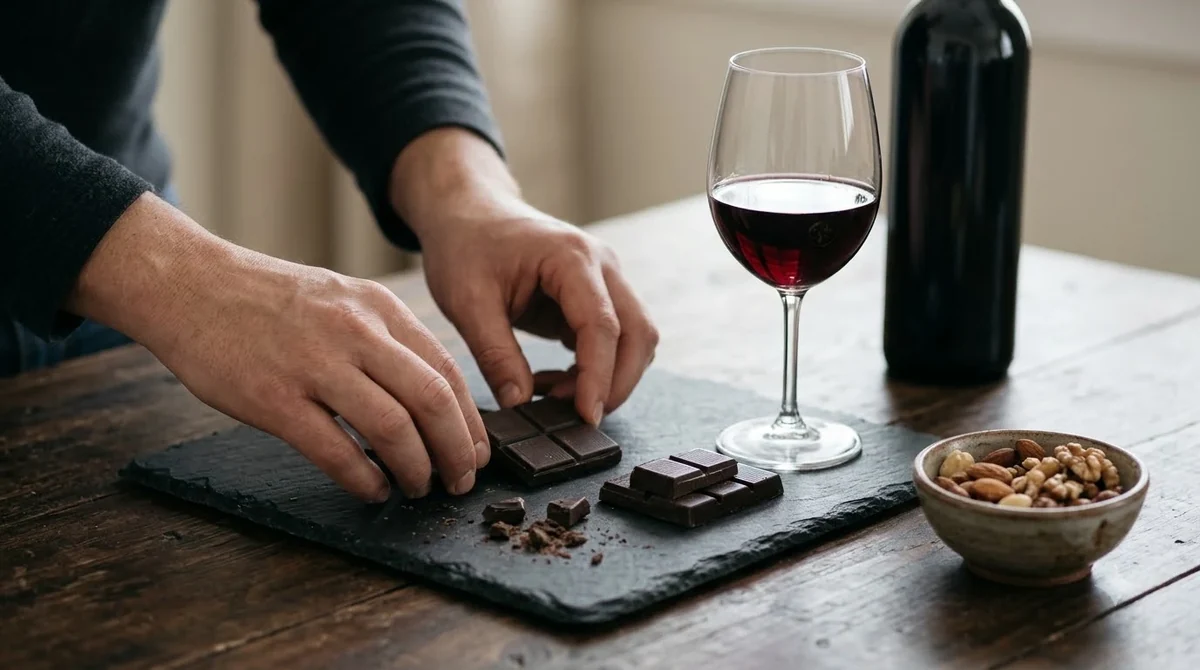
Food pairing can also help distinguish this style from more structured reds. Apothic recommends tomato-based pasta dishes and aged cheeses. The wine’s fruit character can complement grilled meats, while its softer tannins make it more approachable for meals that do not require a powerful Cabernet Sauvignon.
Common Mistakes When Comparing Apothic Red Prices
The biggest shopping mistakes involve comparing different Apothic products, overlooking bottle size, and assuming that a higher shelf price always means better wine. A little attention to the product description and retailer details can prevent most of these problems.
Confusing Apothic Red with Apothic Dark or Crush: These are separate wines with different flavor profiles. Apothic Red is associated with blackberry, cherry, and vanilla, while Apothic Dark emphasizes darker fruit, chocolate, and coffee. A price comparison only makes sense when the products are actually the same.
Ignoring bottle size: A smaller bottle may look cheaper because the total amount is lower. However, comparing the cost per milliliter can reveal that the larger format offers better value for someone who needs more wine.
Assuming every retailer charges the same amount: Wine pricing varies across states and stores. Local alcohol taxes, distribution arrangements, and retailer pricing policies all influence the final shelf cost. A bottle listed at one national retailer may cost more or less at another location.
Confusing temporary listings with regular prices: Some retailers display promotional pricing, while others show their regular shelf price. Comparing a temporary offer with an ordinary listing can produce an unrealistic impression of the wine’s typical cost.
Buying based on price alone: A low-cost bottle is not automatically a good purchase if you dislike its flavor profile. Someone who prefers dry Pinot Noir or highly structured Cabernet Sauvignon may find Apothic Red too fruit-forward, regardless of how affordable it is.
Expecting a sweet wine: Apothic Red has a ripe, smooth character that some drinkers perceive as sweet. However, it is not equivalent to a noticeably sweet Moscato or a dessert wine. Its combination of fruit, oak, and tannin produces a different experience.
Overlooking alcohol content: The standard retailer listing identifies Apothic Red at 13.5% ABV. Comparing the alcohol percentage with other wines can help explain differences in perceived warmth and overall drinking character.
Assuming online availability means local availability: A retailer may list the bottle on its website without carrying it at every branch. Confirming local stock before making a special trip can save time.
Finally, avoid judging the wine by the bottle design alone. Apothic’s distinctive dark labels and red decorative elements make the range easy to recognize, but the product name and description are more reliable indicators of which wine you are purchasing.
Care and Storage Tips After Buying Apothic Red
Proper storage and serving temperature can make an affordable red blend more enjoyable. Apothic Red generally benefits from slightly cool serving conditions, a stable storage environment, and careful handling after opening.
For serving, aim for approximately 60–65°F. This is cooler than many American homes’ typical room temperature and can help prevent alcohol from becoming too prominent. If the bottle has been stored in a warm room, place it in the refrigerator briefly before pouring.
Moxie Vino recommends approximately 20 minutes in the refrigerator before serving Apothic Red. This provides a useful starting point, although the ideal chilling time depends on the bottle’s starting temperature and the conditions in your kitchen.
Temperature matters because wine can taste different as it warms. A red served too warm may seem heavier and more alcoholic, while a slightly cool serving can make its fruit characteristics feel fresher and more balanced.
Storage is equally important. Keep unopened bottles in a cool, dark location away from direct sunlight, temperature fluctuations, and heating appliances. A storage temperature near 55°F is a useful general target for wine, although consistency is more important than achieving an exact temperature in a short-term household setting.
If storing the bottle for a longer period, keep it on its side when it has a traditional cork closure. This helps maintain contact between the wine and the cork. Avoid locations near ovens, radiators, sunny windows, and other sources of heat.
Keeping an opened bottle fresh
After opening, reseal Apothic Red securely and store it in the refrigerator. Even red wine benefits from refrigeration after exposure to oxygen because lower temperatures slow the oxidation process.
As a general guideline, opened still wines usually retain acceptable drinking quality for approximately three to five days when properly refrigerated and sealed. The exact period depends on the wine’s condition, how much air remains in the bottle, and how carefully it is handled.
Before serving an opened bottle again, allow the wine to warm slightly toward its preferred serving temperature. There is no need to leave it sitting out for hours. A short period outside the refrigerator is usually sufficient.
Decanting is not essential for Apothic Red. Unlike a particularly young, highly tannic Cabernet Sauvignon, this smooth red blend generally does not require extensive aeration. If you prefer a more open aroma, pouring a glass a few minutes before drinking is a reasonable approach.
These simple habits help protect the wine’s dark-fruit, vanilla, and mocha characteristics. They also make it easier to enjoy a bottle over several meals without compromising its quality unnecessarily.
Frequently Asked Questions
How much does Apothic Red cost at a grocery store?
A 750 ml bottle generally falls within the same broad US retail range of about $8 to $13, although individual grocery stores can charge more or less. Some locations also carry smaller formats, which have different total prices. Check the local listing and compare bottle volume before purchasing.
Is Apothic Red made by Gallo?
Yes. Apothic is associated with E. & J. Gallo Winery, a major American wine producer. The brand’s California identity and its distinctive red blend have helped establish it as a recognizable name in the accessible red wine category.
Does Apothic Red have a screw cap?
Closure details can vary by product packaging and market. Check the physical bottle rather than assuming every Apothic Red release uses the same closure. A screw cap and a cork both work for sealing wine when handled and stored correctly.
Can Apothic Red be used in cooking?
Yes. Its fruit-forward character can work in tomato-based pasta sauces, braised meat preparations, and some reductions. Because it has noticeable fruit and oak characteristics, use it in recipes that can accommodate a richer red wine flavor rather than delicate sauces.
Does Apothic Red need to be decanted before drinking?
No. Decanting is optional for this approachable red blend. A short period of aeration in the glass is generally sufficient for casual serving. Extensive decanting is more commonly useful for certain young, structured reds or older bottles that have developed sediment.
Apothic Red remains a practical option for shoppers seeking a fruit-forward California red blend at an accessible everyday retail cost. Comparing the 750 ml bottle across local retailers, checking the exact blend, and serving it slightly cool will help you get more from your purchase. If its dark-fruit, vanilla, and mocha profile matches your preferences, it can be a convenient addition to casual dinners and relaxed gatherings.
More in Wine Brands
 Louis Latour Wine Price: Compare Bottles by Style and TierUpdated Nov 20, 2026
 Yellow Tail Moscato Price: What to Expect Before You BuyUpdated Nov 20, 2026
 Sutter Home Sweet Red Review: Find the Right Food PairingsUpdated Nov 20, 2026
 Franzia Chillable Red Review: Find the Right Serving StyleUpdated Nov 20, 2026
 Veuve Clicquot Rose Review: Flavor, Food Pairings and Buying AdviceUpdated Nov 20, 2026
 Rombauer Wine Price: Compare Bottles Before You BuyUpdated Nov 20, 2026