

We may earn a commission when you buy through links on this page, at no extra cost to you. Learn more.
This three wishes wine review finds an ultra-affordable, fruit-forward California wine lineup built for casual weeknight meals and large gatherings rather than cellar aging. Produced by The Wine Group and sold primarily through Whole Foods Market, the brand offers five non-vintage bottlings—Pinot Grigio Colombard, Chardonnay, Merlot, Cabernet Sauvignon, and Red Blend—that prioritize smooth, approachable flavors over oak complexity. Shoppers who want an easy-drinking table wine or a reliable base for cooking and sangria will find solid everyday value, while drinkers seeking structured tannins or regional depth should look elsewhere.
Walking down the grocery store wine aisle often forces a choice between recognizable national labels and unfamiliar budget bottles. Understanding how three wishes wine is sourced, bottled, and styled helps buyers set realistic expectations before picking up a single bottle or a mixed 12-bottle case.
Who Three Wishes Wine Is For
Three Wishes targets budget-conscious grocery shoppers, casual entertainers, and home cooks who want straightforward California table wines without paying for heavy glass or extended oak aging. Because the lineup stays light-bodied and soft on tannins, it appeals most to drinkers who prefer smooth, fruit-driven pours over dry, structured wines.
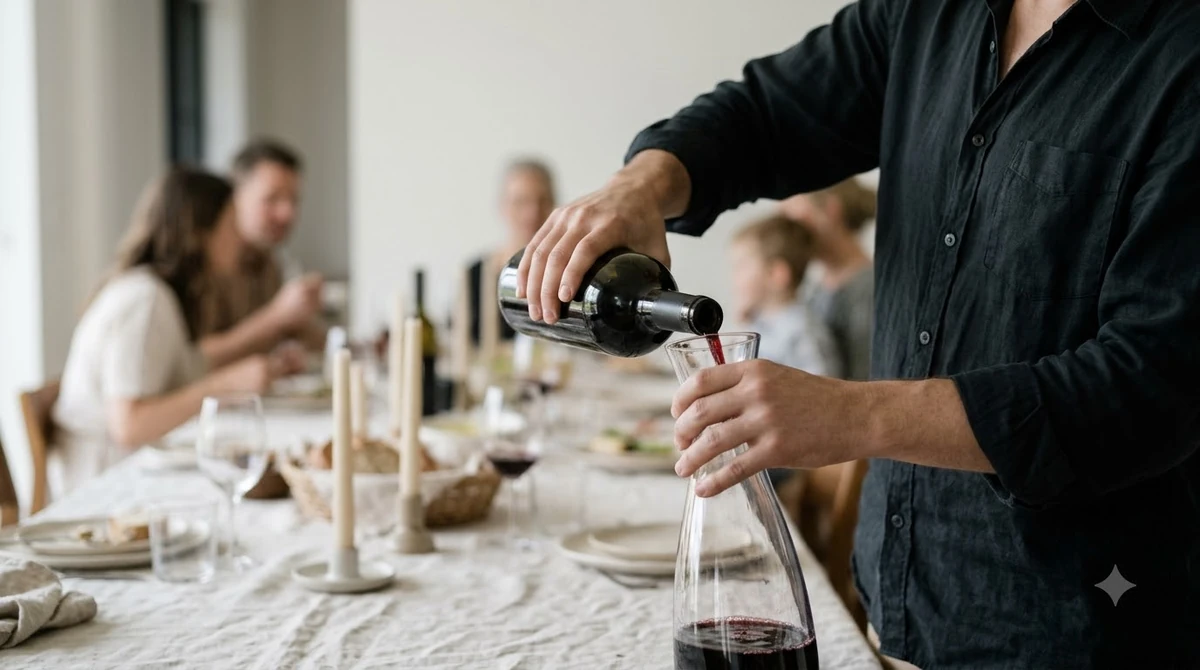
First-time wine buyers and casual weeknight drinkers benefit from the approachable flavor profile across all five bottles. According to Bottle Report, Three Wishes Cabernet Sauvignon registers 12.5% alcohol by volume (ABV), which keeps the body noticeably lighter and less warming than typical California Cabernet bottlings that often reach 14% to 15% ABV. That lower alcohol level makes the reds easier to sip alongside casual backyard meals like grilled cheeseburgers, pepperoni pizza, and tomato-based pasta dishes.
Hosts planning large parties, holiday dinners, or backyard barbecues also represent a core audience for this label. Buying a 12-bottle mixed case provides enough variety to cover both white and red drinkers without worrying about leftover half-empty bottles at the end of the night. Home cooks can likewise use the dry whites for deglazing pans or simmering risotto and the reds for beef stews or sangria pitchers without sacrificing an expensive bottle.
Conversely, experienced wine collectors and drinkers who favor complex, age-worthy wines should skip this brand. All Three Wishes bottlings are non-vintage wines made from bulk California grapes or juice that undergo rapid fermentation and quick bottling with minimal oak contact. Drinkers who expect firm Cabernet tannins, smoky French oak, or distinct Napa and Sonoma vineyard character will find the flavors simple and short on the finish.
Key Factors to Compare Across the Lineup
Evaluating Three Wishes requires looking at alcohol content, body weight, sweetness perception, and community reception across its five California bottlings. While every bottle shares non-vintage sourcing and immediate drinkability, subtle differences in grape blends dictate how each wine performs at the dinner table.
| Bottling | Grape Varietal / Style | Typical ABV | Body & Tannin / Acidity | Primary Flavor Notes | Best Serving Temp |
|---|---|---|---|---|---|
| Three Wishes Pinot Grigio Colombard | White Blend (Pinot Grigio, Colombard) | 12.5% | Light body; crisp, high acidity | Green apple, citrus zest, white peach | 45–50°F |
| Three Wishes Chardonnay | White (Chardonnay) | 12.5% | Light-to-medium body; medium acidity | Lemon, pear, light melon, minimal oak | 50–55°F |
| Three Wishes Merlot | Red (Merlot) | 12.5% | Light-to-medium body; low-medium tannin | Red cherry, plum, soft vanilla hint | 55–60°F |
| Three Wishes Cabernet Sauvignon | Red (Cabernet Sauvignon) | 12.5% | Medium body; soft, low-medium tannin | Blackberry, dark plum, faint spice | 60–65°F |
| Three Wishes Red Blend | Red Blend (California Reds) | 13.5% | Medium body; soft tannin, off-dry feel | Ripe cherry, berry jam, subtle sweetness | 60–65°F |
Alcohol by volume is one of the clearest indicators of how these wines behave in the glass. Most bottles in the core lineup—including Chardonnay, Pinot Grigio Colombard, Merlot, and Cabernet Sauvignon—sit around 12.5% ABV, whereas CellarTracker tasting records note that the American Red Blend reaches 13.5% ABV. Lower alcohol translates to lighter palate weight and higher perceived freshness, while the 13.5% Red Blend delivers slightly riper fruit and a rounder mouthfeel.
Aggregate scores from major wine platforms provide useful context for realistic quality expectations. According to Wine-Searcher, Three Wishes carries a critic score range of 75 to 82 out of 100 across its tracked California releases. On Vivino, more than 6,000 community ratings place Pinot Grigio Colombard at 3.2 out of 5 and Chardonnay, Merlot, and Cabernet Sauvignon at 3.1 out of 5, confirming that buyers view the lineup as dependable everyday table wine rather than standout fine wine.
Tip: Because Three Wishes bottles are non-vintage blends sourced from varying California bulk lots, taste a single bottle from a current store display before committing to a full 12-bottle case so you know how that specific batch drinks.
Step-by-Step Guide to Buying and Serving Three Wishes
Getting the best experience from an ultra-budget California wine depends on smart bottle selection, proper chilling, and realistic serving habits. Following five practical steps prevents common flaws like warm, flabby whites or overly flat reds.
- Check the bottle code and shelf rotation at Whole Foods Market. Because Three Wishes wines carry no vintage year on the front label and rely on short synthetic corks, fresher stock tastes noticeably brighter. Pick bottles from the middle or back of the display shelf where light exposure is lower.
- Match the varietal to the meal’s weight and seasoning. Choose Pinot Grigio Colombard for salads, grilled shrimp, and goat cheese, or reach for Cabernet Sauvignon and Red Blend when serving burgers, pepperoni pizza, and sharp cheddar.
- Chill whites and reds to their proper serving temperatures. Refrigerate Pinot Grigio Colombard for at least 2 hours to reach 45–50°F, and pull Chardonnay out 15 minutes before pouring so it sits near 50–55°F. Give the reds a 20-minute chill in the fridge so they pour at 55–65°F rather than warm 72°F room temperature.
- Skip long decanting and pour straight into standard glasses. Unlike young, high-tannin Napa Cabernet that needs 30 to 60 minutes in a decanter, Three Wishes reds have soft tannins and delicate fruit that fade quickly with excessive air. Pour 5-ounce servings directly from the bottle.
- Re-cork leftovers immediately and store upright in the refrigerator. Insert the synthetic stopper tightly and place both open reds and whites in the fridge, where still wines stay fresh for 3 to 5 days.
Temperature control makes the biggest single difference in how budget wines taste. Serving Three Wishes Cabernet Sauvignon or Merlot at 72°F emphasizes the alcohol and simple sweetness, whereas cooling the bottle to 60°F tightens the fruit profile and brings out crisp berry notes. Similarly, serving Chardonnay ice-cold straight from a 38°F refrigerator mutes its subtle melon and citrus aromatics until the glass warms slightly.
Three Wishes Styles and Varietals Explained
The Wine Group produces Three Wishes in Ripon and Livermore, California, focusing on five recognizable varietal and blend styles crafted from American-grown grapes. Understanding how each bottling differs in grape composition and winemaking helps narrow down the right choice for your palate.
Pinot Grigio Colombard
Pinot Grigio Colombard is the crispest white in the portfolio and consistently earns the highest community rating among the five bottles. Blending Italian-origin Pinot Grigio with French Colombard—a high-acid workhorse grape widely planted in California’s Central Valley—gives this white a brisk citrus snap that keeps the finish clean. Expect green apple, Meyer lemon, and light white peach flavors with no oak influence, making it an easy match for ceviche, lemon herb chicken, or light vegetable pasta.
Chardonnay
Three Wishes Chardonnay takes an unoaked, fruit-forward approach rather than the heavy, buttery style common in richer California bottlings. At 12.5% ABV with medium acidity, it offers straightforward notes of yellow apple, Bartlett pear, and mild citrus zest. Reviewers occasionally note a sharp or slightly tart edge when the wine is served too warm, so keeping it chilled near 50°F helps maintain balance alongside roast turkey, creamy dips, or mild brie.
Merlot and Red Blend
How Three Wishes Compares to Other Budget Grocery Wines
Three Wishes occupies the entry-level grocery wine tier alongside other large-scale California producers, competing on low alcohol, approachable fruit, and eco-friendly lightweight glass packaging. Comparing its production choices against other well-known supermarket Wine Brands clarifies where it excels and where spending slightly more makes sense.
Produced by The Wine Group—one of the largest wine companies in the United States, headquartered in Ripon, California—Three Wishes follows a high-volume bulk-sourcing model similar to Trader Joe’s famous Charles Shaw label. Both brands rely on surplus California grapes and large-scale stainless steel fermentation to keep retail costs low and flavor profiles consistent for everyday buyers. However, while Charles Shaw releases vintage-dated varietals, Three Wishes sticks to non-vintage bottlings labeled under California or American appellations.
Packaging and bottle weight also set Three Wishes apart on retail shelves. As documented by Bottle Report, Three Wishes uses a shorter, lighter-weight 750 ml glass bottle with a flat base rather than a deep bottom punt, paired with a short synthetic cork. That lightweight design reduces shipping weight and carbon footprint compared to heavy-shoulder Cabernet bottles used by mid-tier grocery brands, though it signals that the wine is built for immediate consumption within a few months of purchase.
Shoppers looking for sparkling options or sweeter aromatic styles will need to look outside the Three Wishes catalog, as the brand focuses strictly on five still table wines. For celebratory toasts or brunch mimosas, picking up a bottle of tank-fermented la marca prosecco provides crisp Glera bubbles around 11% ABV (as listed on La Marca’s bottle labels) that Three Wishes does not offer.
Common Mistakes When Buying and Serving Three Wishes
Most disappointment with Three Wishes stems from treating a fresh, non-vintage table wine like an age-worthy cellar bottle or serving it at the wrong temperature. Avoiding four frequent missteps ensures the wine shows its cleanest fruit character.
- Cellaring bottles for several years: Three Wishes uses short synthetic closures and minimal oak aging, meaning the wines have neither the tannin structure nor the closure seal needed to improve over time. Drink bottles soon after purchase rather than storing them in a basement rack.
- Serving the reds at warm room temperature: Pouring Three Wishes Cabernet Sauvignon or Red Blend at 72°F makes the 12.5% to 13.5% alcohol and subtle residual sugar taste flat and jammy. Chilling red bottles in the refrigerator for 20 minutes brings them down to 60–65°F, sharpening acidity and tightening the berry flavors.
- Pairing delicate seafood with the reds: Even though Three Wishes Merlot and Cabernet have softer tannins than Napa reds, pairing them with oily fish like salmon or mackerel still creates a metallic clash. Stick to Pinot Grigio Colombard or Chardonnay for seafood dishes.
- Expecting identical flavors year after year: Because the labels carry no vintage date, The Wine Group blends available California bulk lots throughout the year. Minor shifts in acidity or sweetness between spring and fall batches are normal for non-vintage value wines.
Storage and Leftover Tips for Three Wishes Wine
Proper short-term storage keeps unopened bottles bright and prevents opened bottles from oxidizing into flat, vinegary leftovers. Even budget-friendly everyday wines benefit from basic temperature and light protection.
Store unopened Three Wishes bottles in a cool, dark pantry or wine rack away from kitchen ovens, sunny windows, and refrigerator tops. Although synthetic corks do not dry out and shrink the way natural bark corks can, keeping bottles near 55°F prevents heat damage that prematurely cooks the fresh fruit aromas. Avoid leaving spare cases in a warm garage or car trunk, where temperatures above 75°F can degrade delicate white blends like Pinot Grigio Colombard within days.
Once opened, re-insert the synthetic cork tightly and place both whites and reds upright in a standard kitchen refrigerator. Cold storage slows oxidation, keeping opened still wines drinkable for 3 to 5 days. If a bottle loses its fresh edge by day four, repurpose the remaining 5-ounce pour into pan sauces, red wine marinades, or fruit-filled sangria pitchers rather than pouring it down the drain.
Frequently Asked Questions
Who makes Three Wishes wine?
Three Wishes Vineyards is owned and produced by The Wine Group, a major American wine company headquartered in Ripon, California. The Wine Group also produces well-known grocery store labels such as Franzia, Cupcake Vineyards, and Concannon Vineyard, using its large-scale California winery facilities in Ripon and Livermore to bottle Three Wishes.
Where can you buy Three Wishes wine?
Three Wishes is sold predominantly through Whole Foods Market locations across the United States, where it serves as the grocer’s flagship ultra-value house-tier wine. Availability varies by state liquor laws, so Whole Foods stores in states that prohibit grocery store wine sales do not carry the lineup.
Is Three Wishes wine vegan or gluten-free?
Like almost all standard grape wines, Three Wishes is naturally gluten-free because it is fermented solely from grapes without wheat, barley, or rye ingredients. However, The Wine Group does not display certified vegan labeling on Three Wishes bottles, and large-scale commercial wineries sometimes use traditional fining agents such as gelatin, casein, or egg whites during clarification.
How many calories and carbs are in a glass of Three Wishes wine?
According to standard USDA nutrition benchmarks for 5-ounce table wine pours, a dry 12.5% ABV wine such as Three Wishes Cabernet Sauvignon, Merlot, Chardonnay, or Pinot Grigio Colombard contains roughly 120 calories and 3 to 4 grams of carbohydrates, while the 13.5% ABV Red Blend sits slightly higher at around 125 to 130 calories per glass.
Can you use Three Wishes wine for cooking?
Three Wishes is well suited for everyday cooking because its low oak influence prevents bitter wood flavors from concentrating as liquids reduce. Pinot Grigio Colombard works cleanly in lemon butter pan sauces, steamed mussels, and chicken piccata, while Merlot and Cabernet Sauvignon add rich berry depth to beef stews, Bolognese sauce, and braised short ribs.
Three Wishes succeeds by keeping expectations simple: clean, fruit-forward California wines bottled for immediate enjoyment at casual dinners and parties. Chilling each bottle to its proper serving temperature and pairing it with everyday comfort foods brings out the best value across all five varietals.
More in Wine Brands
 Fess Parker Wine Price: Compare Bottles and Find Your Best FitUpdated Nov 21, 2026
 Eroica Riesling Review: Flavor, Sweetness and Food PairingsUpdated Nov 21, 2026
 Estancia Wine Review: How to Choose the Right BottleUpdated Nov 21, 2026
 Erath Wine Price: Compare Bottles and Find the Right ValueUpdated Nov 21, 2026
 Eroica Riesling Price: What to Pay and How to ChooseUpdated Nov 21, 2026
 Elk Cove Wine Price: Compare Bottles and Find Your Best FitUpdated Nov 21, 2026