

We may earn a commission when you buy through links on this page, at no extra cost to you. Learn more.
This apothic red review finds that Apothic Red is a smooth, fruit-forward California red blend suited to drinkers who enjoy dark cherry, blackberry, vanilla, and a softer finish. Its combination of Zinfandel, Merlot, Syrah, and Cabernet Sauvignon creates a richer, more approachable style than many traditional, firmly tannic reds. It is particularly appealing for casual dinners, pizza nights, and gatherings where an easy-drinking red is more important than intricate structure or cellar potential.
Apothic Red occupies a recognizable place in the American red wine market because it offers a distinctive combination of ripe fruit, oak-inspired flavors, and a rounded texture. However, its smooth character can mean different things to different drinkers. Someone accustomed to dry Cabernet Sauvignon might find its fruit profile unusually sweet, while someone who normally chooses sweet wine might find its tannins and dry finish more noticeable than expected. Understanding its grapes, flavor profile, serving conditions, and food compatibility makes it easier to decide whether this California blend belongs at the table.
Who Should Choose Apothic Red?
Apothic Red is a particularly good fit for people who prefer generous fruit flavors, approachable tannins, and a rounded red wine rather than a sharply structured or earthy style. Its California origin, four-grape combination, and recognizable vanilla character make it an accessible introduction to blended red wines.
New red wine drinkers may appreciate the balance of ripe fruit and softer texture. Cabernet Sauvignon can feel demanding to someone unfamiliar with red wine because its tannins create a drying sensation. Apothic Red combines Cabernet Sauvignon with Merlot and fruit-forward varieties, giving the finished wine a more approachable impression. It still has the character of red wine, but its emphasis is on dark fruit and smoothness rather than aggressive grip.
Casual wine drinkers who enjoy familiar flavors may also find it appealing. Black cherry, blackberry, vanilla, and mocha are easier to recognize than the earthy, mineral, or savory descriptions commonly associated with more traditional European wines. Those characteristics also make it suitable for informal occasions such as a weekend dinner, a pizza gathering, or a relaxed evening with friends.
Experienced wine drinkers should approach it with different expectations. Apothic Red is not primarily designed to demonstrate the subtle differences between individual vineyard sites or showcase restrained fruit. Someone who regularly drinks structured Bordeaux blends, Cabernet Sauvignon from Napa Valley, or earthy Pinot Noir may prefer more acidity, greater tannin definition, or a longer progression of complex flavors.
The wine also makes sense for people who enjoy blends rather than single-variety bottlings. Each grape contributes a different element, allowing the finished wine to combine fruit, structure, softness, and aromatic richness. Readers interested in understanding how different producers approach this category can explore additional selections in our Wine Brands collection.
There are two important reasons to look elsewhere. First, drinkers who strongly prefer crisp, acidic reds may find the rounded fruit character less refreshing than Pinot Noir. Second, people looking for a genuinely sweet dessert wine should not assume that a smooth, fruit-forward red will deliver the same sweetness as a late-harvest wine or port-style bottling.
Key Factors to Compare Before Buying
The most useful way to evaluate Apothic Red is to consider its grape composition, alcohol level, fruit profile, perceived sweetness, and overall structure together. These factors explain why it tastes approachable to some people but feels comparatively soft or fruit-heavy to others.
The following table summarizes the principal characteristics using the official Apothic product information and general wine-serving guidance.
| Factor | Apothic Red characteristic | What it means for the drinker |
|---|---|---|
| Origin | California, USA | A fruit-forward American red blend style |
| Grape varieties | Zinfandel, Merlot, Syrah, Cabernet Sauvignon | Combines fruit, softness, dark flavors, and structure |
| Alcohol | 13.5% ABV | A moderately strong table wine |
| Typical bottle size | 750 ml | Approximately five standard 5 oz pours |
| Prominent flavors | Black cherry, dark berries, vanilla, mocha, spice | Rich, recognizable fruit and oak-related impressions |
| Texture | Velvety and smooth | Less aggressively drying than a strongly tannic red |
| Overall style | Rich and smooth red blend | Best suited to casual drinking and flavorful food |
| Serving temperature | Approximately 55–60°F | Helps preserve fruit freshness without excessive warmth |
| Standard serving | 5 oz per glass | A practical portion for evaluating the wine |
Grape composition is the first factor to understand. Zinfandel provides ripe fruit and spice, Merlot contributes softness, Syrah brings darker fruit characteristics, and Cabernet Sauvignon adds structure and tannin. The result is a blend rather than a straightforward expression of one grape.
Alcohol content is another useful comparison point. The official Canadian Apothic product listing identifies 13.5% ABV. That level is within the familiar range for many California red wines, although it can make the wine feel fuller or warmer than a lighter-bodied red with lower alcohol. For more detail about this specification, see our explanation of Apothic Red alcohol content.
Sweetness perception deserves particular attention. Rich fruit aromas can create an impression of sweetness even when a wine is not classified as a sweet dessert wine. Black cherry, ripe berries, and vanilla can make Apothic Red seem sweeter than a restrained Cabernet Sauvignon, but fruit intensity and residual sugar are not interchangeable measurements.
Tannin and acidity determine how the wine behaves alongside food. Cabernet Sauvignon contributes more structure, while Merlot generally offers softer tannins. The finished blend is approachable, but it still has enough red wine character to work with dishes that benefit from some structure.
For additional information about the blend and its fruit-forward profile, the official Apothic Red product description identifies its California origin, four grape varieties, 13.5% alcohol, and rich, smooth style.
Step-by-Step: How to Evaluate Apothic Red
A simple five-step tasting process can reveal whether Apothic Red matches your preferences. Focus on appearance, aroma, fruit, texture, and finish rather than judging the wine by its smoothness alone.
-
Begin with the appearance. Pour approximately 5 oz into a clean wine glass and observe the color against a white background. A dark red wine can offer an initial impression of concentration, although color alone cannot establish quality, sweetness, or ageability. Notice whether the wine appears clear and whether its color is consistent across the glass.
-
Evaluate the aroma. Swirl the wine gently and smell it before tasting. Look for black cherry, blackberry, dark berry, vanilla, and mocha impressions. These are among the characteristic notes associated with Apothic Red. Also notice whether the aroma seems more fruit-driven or dominated by oak-related characteristics.
-
Assess the first sip. Take a small sip and allow the wine to spread across your palate. Notice the relationship between ripe fruit and acidity. A fruit-forward wine may initially seem sweet because the aromas suggest cherries and berries, but pay attention to whether the actual finish leaves a dry sensation.
-
Evaluate the texture and tannins. Notice how your mouth feels after swallowing. Tannins create a drying, slightly gripping sensation, particularly around the gums and cheeks. Apothic Red’s blend is designed around a smoother texture, so its tannins should not dominate the overall experience in the way they might in a strongly structured Cabernet Sauvignon.
-
Finish with food. Taste another small portion alongside a bite of pizza, tomato-based pasta, or aged cheese. Compare the wine before and after the food. A suitable pairing should make the wine and the dish feel more balanced rather than allowing one to overpower the other.
For a more useful comparison, repeat the process with a Merlot or Cabernet Sauvignon. Keep the serving temperature and glass size similar, and avoid changing several variables at once. The differences in tannin, acidity, fruit intensity, and texture become easier to identify when the tasting conditions remain consistent.
Tip: If Apothic Red tastes overly warm or heavy, place the bottle in the refrigerator for approximately 15–20 minutes before serving. A slightly cooler serving temperature can make its dark fruit flavors feel fresher and help prevent the alcohol from becoming too prominent.
It is also useful to take notes immediately after tasting. Record whether the wine seems dry, off-dry, or noticeably sweet to your palate. Note the strongest aroma, the level of tannin, and whether the finish feels short or persistent. These observations are more helpful for future buying decisions than a simple statement that the wine is smooth.
Apothic Red Grape Varieties and Wine Styles Explained
Apothic Red is a multi-grape California blend rather than a single-variety wine. Its four named grapes contribute different characteristics, which explains the combination of ripe fruit, softer texture, dark flavors, and moderate structure.
Zinfandel: Ripe Fruit and Spice
Zinfandel is an important component of the Apothic Red identity. In California, the grape is associated with generous fruit flavors, ripe berry characteristics, and spice. In a blend, these qualities can provide the expressive fruit foundation that makes the finished wine immediately approachable.
In Apothic Red, Zinfandel helps create the impression of dark and ripe fruit. This character is particularly attractive to people who prefer wines with recognizable cherry and berry flavors instead of restrained, earthy aromas. It also helps give the wine enough personality to stand alongside strongly flavored dishes such as pizza and grilled meats.
Merlot: Softer Texture
Merlot is generally associated with softer tannins than Cabernet Sauvignon. Its contribution to a blend can make the finished wine feel rounder and less demanding, particularly for drinkers who dislike the drying sensation of heavily structured reds.
In Apothic Red, Merlot contributes softness and black-fruit characteristics. It helps connect the more expressive fruit of Zinfandel with the darker flavors and additional structure of the other varieties. This is one reason the wine can feel approachable even though it contains Cabernet Sauvignon.
Syrah: Dark Fruit and Depth
Syrah is another variety that contributes darker fruit characteristics. Depending on its growing conditions and winemaking treatment, Syrah can show blackberry, blueberry, pepper, and savory notes. It is often associated with fuller, more structured red wines.
Its role in Apothic Red is to add darker fruit and another layer of flavor. The resulting profile complements Zinfandel rather than simply repeating the same fruit character. This helps create a more rounded blend than a wine built around one grape alone.
Cabernet Sauvignon: Structure and Tannin
Cabernet Sauvignon is widely associated with stronger tannins, darker fruit, and a firmer structure. It can provide the framework that allows a red blend to feel substantial rather than tasting like fruit juice with alcohol.
In Apothic Red, Cabernet Sauvignon adds structure and tannin to the blend. Its contribution is balanced by the softer character of Merlot and the ripe fruit profile of Zinfandel. The resulting wine is not intended to taste like a traditional, heavily tannic Cabernet Sauvignon.
One important distinction is that Apothic’s original blend description discusses Zinfandel, Syrah, and Merlot, while its current product description identifies four varieties, including Cabernet Sauvignon. The precise proportions are not published on the official product page, so it is better to understand the individual grapes by their general roles than to assume a fixed percentage for each one.
These characteristics also explain why Apothic Red should not be confused with other Apothic bottlings. Apothic Dark emphasizes darker flavor associations, while Apothic Cabernet Sauvignon and Apothic Merlot offer more variety-specific expressions. Apothic White and Apothic Rosé belong to different wine styles altogether. Readers comparing the brand’s main bottling can also explore our overview of Apothic Red wine.
Common Mistakes When Buying and Drinking Apothic Red
The most common mistake is assuming that smoothness means sweetness or that a recognizable fruit profile guarantees universal appeal. Apothic Red has a distinctive style, and understanding its limitations makes it easier to choose the right occasion and food pairing.
Confusing ripe fruit with dessert-wine sweetness is an especially common misunderstanding. Black cherry, blackberry, and vanilla can make a red wine seem sweet on the nose. However, aroma, perceived sweetness, and residual sugar are different characteristics. Someone looking for a genuinely sweet wine should compare Apothic Red with a clearly labeled sweet red rather than relying on its smooth description.
Expecting traditional Cabernet Sauvignon structure can also lead to disappointment. Although Cabernet Sauvignon is part of the blend described on the official product page, it is not the only grape. Merlot and Zinfandel influence the texture and fruit profile, making the finished wine different from a Cabernet-led bottling.
Serving it too warm is another avoidable mistake. A warm red wine can emphasize alcohol and make its fruit character feel heavier. The familiar idea that every red wine should be served at room temperature is misleading, especially in warm homes. A slightly cooler serving temperature is often more suitable for a rich, fruit-forward California blend.
Pairing it with delicate seafood can produce an unbalanced meal. Red wine tannins are not ideal with delicate oily fish because they can create an unpleasant metallic impression. Lightly prepared white fish, delicate shellfish, and dishes with subtle seasoning generally benefit from a more acidic white wine.
Pairing it with very spicy food can also make the wine seem harsher. Chili heat is amplified by alcohol and tannin, so strongly spiced dishes may make the finish feel hotter and less comfortable. For spicy meals, a lower-alcohol wine with noticeable acidity or a touch of sweetness may be more suitable.
Assuming every vintage or market has an identical blend is another potential source of confusion. Apothic’s product descriptions identify the grape varieties, but they do not publish exact proportions for the four-grape combination. The composition and labeling details should therefore be considered separately from assumptions based on another market’s listing.
Finally, do not confuse a popular commercial red blend with a wine designed for decades of cellar aging. Apothic Red is primarily suited to drinking for its approachable fruit and texture. Buyers seeking a collectible wine with substantial aging potential should investigate more structured alternatives.
Care, Storage, Serving Temperature, and Food Pairings
Good storage and serving practices can make Apothic Red more enjoyable without requiring specialized equipment. A stable storage environment, a suitable serving temperature, and sensible food choices are more important than elaborate wine accessories.
Serving Temperature
A practical serving range for Apothic Red is approximately 55–60°F. This is cooler than the temperature of many heated American homes, but it helps preserve freshness while keeping the wine’s fruit and aromatic characteristics accessible.
If the bottle has been stored in a warm kitchen or cupboard, refrigerate it briefly before serving. Avoid leaving it in the freezer for an extended period because excessive chilling can suppress aromas and make the wine seem harder or less expressive. If it becomes too cold, allow it to warm gradually in the glass.
Glassware and Pouring
A standard red wine glass with a moderately wide bowl is suitable. The bowl provides room for swirling, which helps release the aromas of black cherry, dark berries, and vanilla. Specialized tasting glasses are not essential for enjoying this wine.
A standard 750 ml bottle provides approximately five 5 oz servings. Pouring smaller amounts can leave more space in the glass for swirling and make it easier to compare the wine with food. A clean glass also helps prevent residual detergent or other aromas from interfering with the wine.
Food Pairings
Apothic Red works particularly well with flavorful, moderately rich foods. The wine’s dark fruit and softer texture can complement tomato-based pasta, grilled meats, aged cheese, and straightforward comfort foods.
Tomato-based pasta: Tomato sauce is a natural option because the wine’s fruit character can complement the acidity and savory qualities of the dish. Lasagna with beef, tomato sauce, and melted cheese is another practical combination. The richness of the cheese helps soften the perception of tannin.
Pizza: Meat-topped pizza, especially with sausage or beef, can work well with the wine’s ripe fruit and spice. Tomato sauce adds acidity, while cheese and meat contribute fat and savory flavors. These elements help create a balanced pairing.
Grilled meats: Beef burgers, grilled sausages, and simply seasoned steaks are suitable choices. The wine has enough fruit and structure to accompany richer meat dishes without requiring a highly complex preparation.
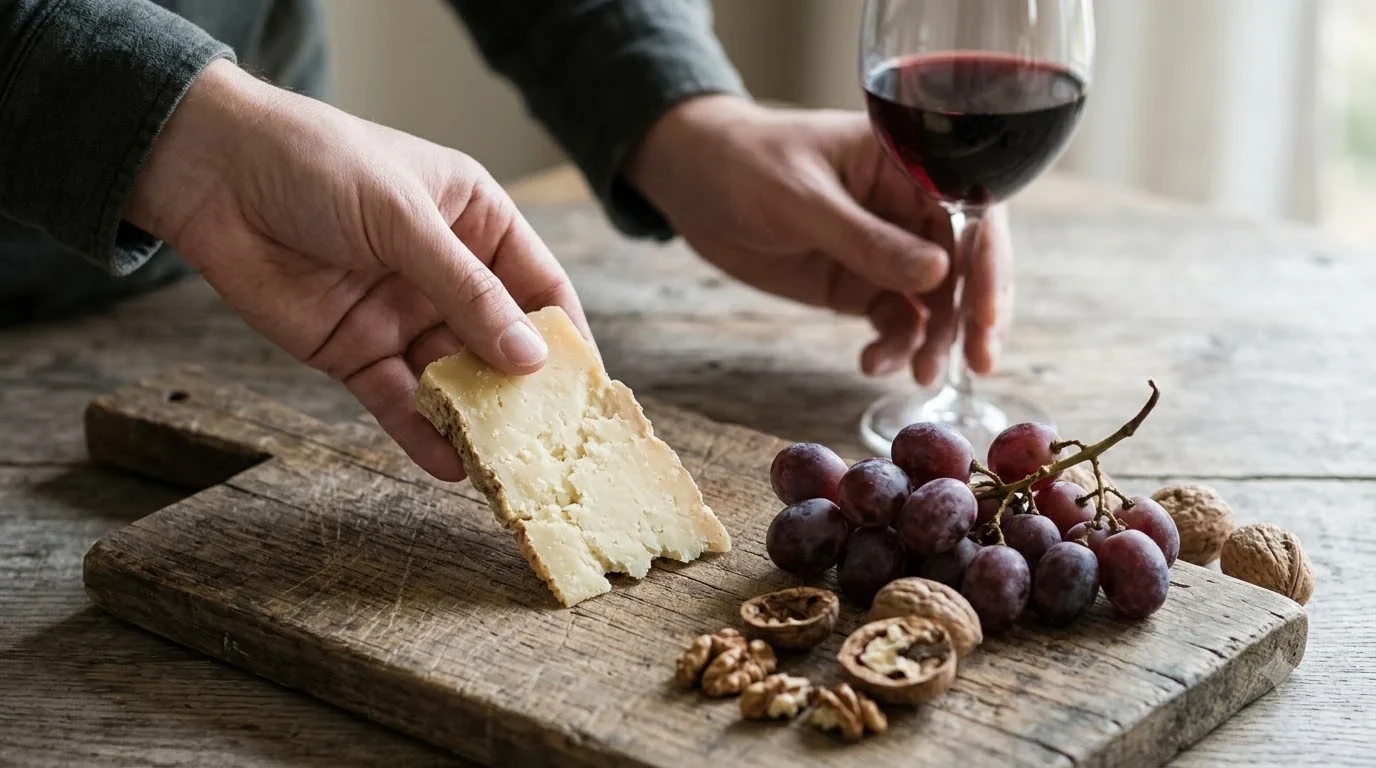
Aged cheeses: Aged cheddar and similar firm cheeses can complement the wine. Salt and fat soften the perception of tannin, while the cheese’s savory character provides a useful contrast to the wine’s dark fruit and vanilla notes.
Roasted vegetables: Mushrooms, caramelized onions, and roasted eggplant can provide savory flavors that complement the wine’s richer character. These ingredients are particularly useful in vegetarian pasta and pizza dishes.
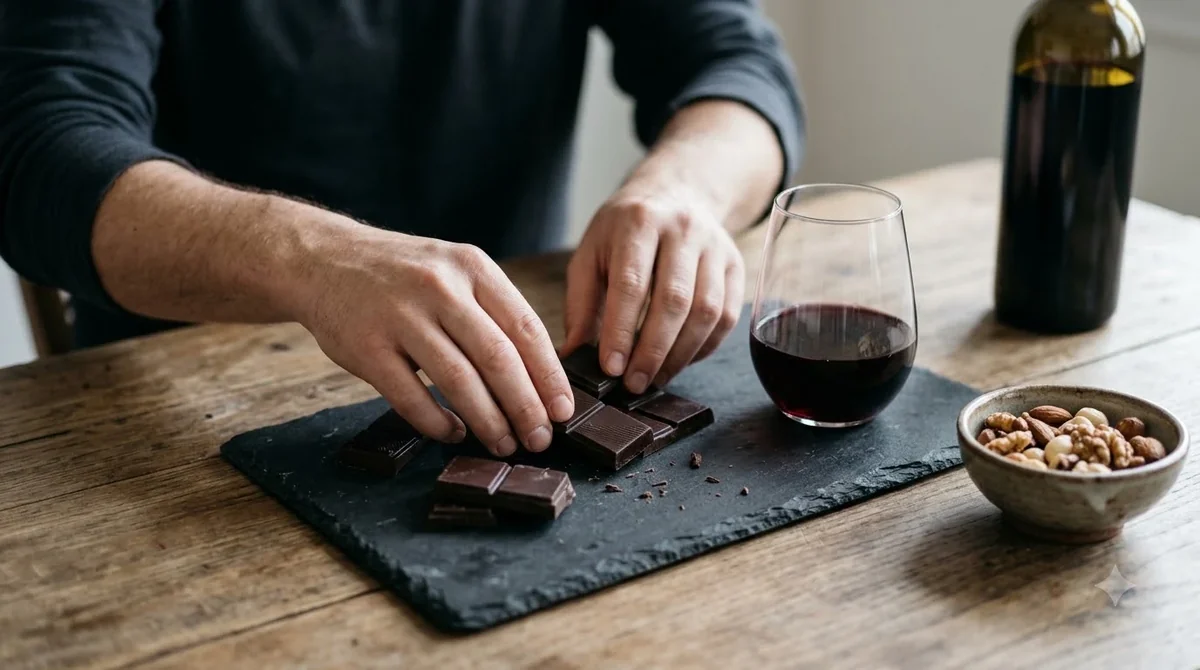
Desserts: Chocolate desserts may appear to be an obvious match because of the wine’s mocha and vanilla impressions. However, a dessert should generally be no sweeter than the wine if the pairing is to remain balanced. A very sweet chocolate cake can make a dry or off-dry red taste noticeably bitter.
Storage After Opening
Once opened, reseal the bottle with its original closure or a suitable wine stopper and place it in the refrigerator. Even red wine benefits from refrigeration after opening because lower temperatures slow oxidation and help preserve its fruit characteristics.
As a general guideline, most opened still wines remain in reasonable drinking condition for approximately 3–5 days when properly resealed and refrigerated. Apothic Red is a still wine, so this is a useful practical range rather than a guarantee of unchanged flavor. Taste and aroma may gradually decline as the bottle is exposed to oxygen.
For longer-term storage, keep unopened bottles away from direct sunlight, heat sources, and substantial temperature fluctuations. A cool environment near 55°F is a useful target. Bottles with traditional cork closures are generally stored horizontally to help prevent the cork from drying out.
Apothic Red is better approached as an accessible wine for relatively early enjoyment than as a bottle to store for many years. Proper storage preserves its intended character, but it cannot transform a fruit-forward commercial blend into a long-term cellar wine.
Frequently Asked Questions
Is Apothic Red made by Gallo?
Apothic is associated with E. & J. Gallo, the California wine company behind the brand. Its wines are part of a larger commercial portfolio rather than a small independent estate bottling. This helps explain the brand’s broad retail distribution and recognizable packaging.
Does Apothic Red contain sulfites?
Like many commercial wines, Apothic Red contains sulfites. Sulfur dioxide and sulfites are commonly used in winemaking to help protect wine against oxidation and unwanted microbial activity. Bottled wine labeling in the United States includes a sulfite declaration when the applicable threshold is reached.
Can Apothic Red be used in a wine cocktail?
Yes. The official Apothic website features red wine cocktail recipes, including sangria variations. Its ripe fruit and vanilla character can work in mixed drinks containing fruit, citrus, and complementary ingredients, although the additional ingredients will change the final sweetness and acidity.
Does Apothic Red need to be decanted?
No formal decanting is generally necessary for an approachable, fruit-forward red blend like Apothic Red. Opening the bottle shortly before serving and allowing the wine to breathe in the glass is usually sufficient. Decanting is more useful when separating sediment from an aged wine or providing additional aeration to a particularly concentrated young red.
Is Apothic Red suitable for cooking?
It can be used in recipes that call for an approachable red wine, particularly tomato-based sauces, braised meat dishes, and certain marinades. Its fruit-forward profile may contribute a more noticeable fruit character than a neutral dry cooking wine. Use a wine whose flavor you enjoy drinking, and avoid reducing it excessively if you do not want its fruit character to become concentrated.
Apothic Red is a sensible choice for drinkers who enjoy smooth California blends with dark fruit, vanilla, and a rounded texture. Its four-grape composition gives it a recognizable style that works particularly well with pizza, tomato-based pasta, grilled meats, and aged cheeses. If you prefer strongly tannic, highly acidic, or particularly complex reds, a traditional Cabernet Sauvignon or Pinot Noir may be a better match; otherwise, Apothic Red offers an approachable starting point for exploring California red blends.
More in Wine Brands
 Louis Latour Wine Price: Compare Bottles by Style and TierUpdated Nov 20, 2026
 Yellow Tail Moscato Price: What to Expect Before You BuyUpdated Nov 20, 2026
 Sutter Home Sweet Red Review: Find the Right Food PairingsUpdated Nov 20, 2026
 Franzia Chillable Red Review: Find the Right Serving StyleUpdated Nov 20, 2026
 Veuve Clicquot Rose Review: Flavor, Food Pairings and Buying AdviceUpdated Nov 20, 2026
 Rombauer Wine Price: Compare Bottles Before You BuyUpdated Nov 20, 2026