

We may earn a commission when you buy through links on this page, at no extra cost to you. Learn more.
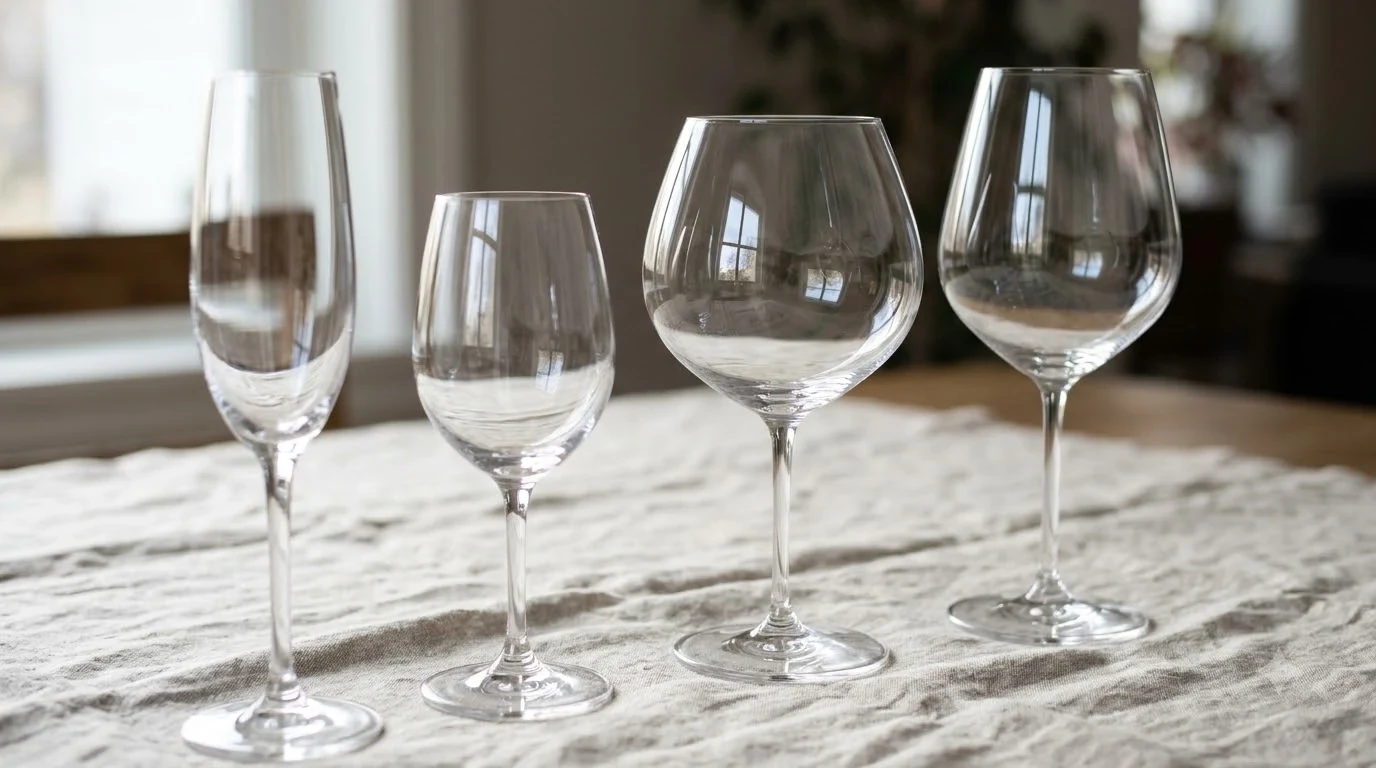
Libbey white wine glasses are a practical choice for everyday wine drinking, casual entertaining, and households that want attractive, functional glassware without complicated care requirements. The collection includes traditional stemmed designs such as Classic and Vina, along with shorter stemless options for relaxed serving. Their capacities, proportions, and intended uses differ, so choosing the right design depends on your preferred wine styles, serving habits, storage space, and expectations for durability.
Libbey makes several white wine glass designs rather than one universal model. Some emphasize traditional presentation and temperature-conscious handling, while others prioritize convenience and versatility. This review compares the manufacturer’s published specifications with customer feedback to explain what each design offers, where potential drawbacks arise, and which glasses make the most sense for different households.
Specs and Key Features
Libbey’s white wine glass selection covers conventional stemware and compact stemless designs. The Classic is a straightforward option for smaller servings, Vina offers a taller presentation and larger capacity, and the foodservice Stemless White Wine Glass provides a shorter alternative for casual settings. Libbey’s Classic White Wine Glass product listing provides the manufacturer’s specifications for its four-piece set.
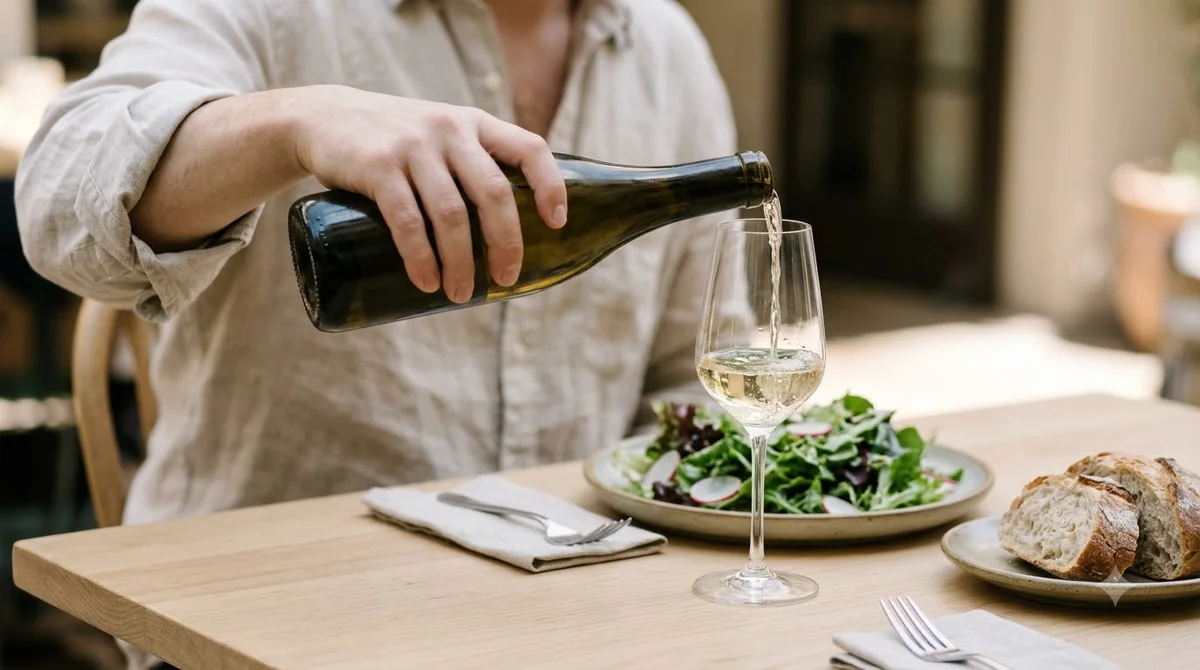
The most useful starting point is capacity. A larger glass does not require a larger wine pour; it simply provides additional room between the liquid and the rim. That extra space can make swirling easier and help release aromas. However, a smaller glass can be more convenient for everyday use, particularly when cabinet space and dishwasher loading matter.
| Model | Capacity | Dimensions | Set or case size | Construction style |
|---|---|---|---|---|
| Libbey Classic White Wine | 11 oz | 3.13-inch diameter x 7.88-inch height | 4 glasses | Stemmed |
| Libbey Vina White Wine | 18.5 oz | 3.625-inch diameter x 9.125-inch height | 6 glasses | Stemmed |
| Libbey Stemless White Wine, item 217 | 11.75 oz | 3.25-inch diameter x 4-inch height | 12 glasses | Stemless |
These specifications come from Libbey’s retail and foodservice product descriptions. The three options serve different purposes, so the largest capacity is not automatically the best choice. The Classic is more compact than the Vina, while the Stemless 217 has a much shorter profile than either stemmed design.
Classic: A traditional everyday option
The Classic White Wine Glass has an 11-ounce capacity and a teardrop-shaped bowl. Its dimensions of approximately 3.13 inches across and 7.88 inches tall give it a conventional stemmed appearance without taking up as much vertical space as the Vina.
Libbey describes the bowl as a way to emphasize wine’s natural taste and aroma. The shape is particularly appropriate for ordinary white wine service, including Sauvignon Blanc, Pinot Grigio, Riesling, and Chardonnay. Its relatively modest capacity also makes it easier to maintain sensible pours without filling an oversized bowl.
The four-piece package is practical for a couple, a small household, or someone gradually building a matching glassware collection. It is not necessarily the most convenient option for larger gatherings, but its traditional appearance works for both weekday dinners and more formal table settings.
Vina: A larger stemmed alternative
The Vina White Wine Glass offers considerably more capacity at 18.5 ounces. It measures approximately 9.125 inches tall and 3.625 inches across, making it a noticeably larger piece of stemware than the Classic.
Libbey highlights the Vina’s narrow design, graceful curves, elegant stem, and wide foot. The raised bowl helps keep the drink away from the warmth of the hand, which is useful when serving chilled white wine over a longer dinner. The wide foot also provides a stable foundation for a taller glass.
The six-piece set is more suitable for households that regularly entertain or prefer matching glasses for several guests. Its larger bowl offers more room for swirling, although the additional height means buyers should measure their cabinets and dishwasher racks before choosing it.
Stemless: A shorter, more casual design
Libbey’s foodservice Stemless White Wine Glass, item 217, holds 11.75 ounces and measures 4 inches tall. Its 3.25-inch diameter gives it a compact footprint compared with the taller stemmed designs.
The manufacturer identifies its tapered rim as a feature intended to direct aromas toward the nose. The glass is also designed for use with cocktails, mocktails, soda, and water, making it useful beyond wine service.
Its case pack of 12 is particularly relevant for restaurants, event organizers, and households that need multiple matching glasses. Buyers should distinguish this foodservice configuration from retail stemless sets, since package quantities and specifications can differ between listings.
What Owners Like
Customer feedback on Libbey stemless white wine glassware frequently highlights practical construction, comfortable handling, and versatility. The strongest appeal is not specialized wine performance but having everyday glasses that can serve several purposes without demanding elaborate maintenance.

WebstaurantStore’s listing for the 11.75-ounce Customizable Stemless White Wine Glass displays 113 customer reviews. Its Libbey stemless glass customer reviews include recurring positive comments about sturdy feel, convenient cleaning, useful sizing, and versatility. These comments provide useful context, although they should not be interpreted as direct reviews of every Classic or Vina model.
Practical construction for regular use
Several purchasers describe the stemless designs as sturdy and suitable for repeated use. One verified purchaser specifically praised the sturdy construction of the glasses and their suitability for small pours. Another business purchaser reported that the stemless glasses had proved more durable than stemmed alternatives in their setting.
This distinction matters because stemmed glasses have an additional point of vulnerability: the connection between the bowl and stem. A stemless design eliminates that particular component. It does not make glass unbreakable, but it removes one part that can be damaged during handling, washing, and storage.
For households with busy kitchens, this simpler shape can be appealing. There is no narrow stem to grip, and the shorter profile is often easier to position in crowded dishwashers. The wider body also makes the glass feel different from delicate traditional stemware.
Versatility beyond white wine
Another advantage is that Libbey’s stemless design can serve drinks other than wine. The manufacturer specifically lists cocktails, mocktails, soda, and water as suitable uses for item 217.
This flexibility is useful when buying glassware for a small apartment or multipurpose dining area. Rather than keeping separate glasses for every beverage, a household can use the same design for several occasions. A stemless glass can hold a refreshing Sauvignon Blanc at dinner, sparkling water during lunch, or a nonalcoholic cocktail at a gathering.
The 11.75-ounce capacity provides room for these different drinks without requiring an unusually large piece of glassware. For people who value straightforward kitchen organization, that practical advantage may matter more than a specialized wineglass shape.
Simple appearance and easy maintenance
Libbey’s clear glass designs are easy to coordinate with existing tableware. The Classic has a traditional silhouette, while the Vina looks more elongated and formal. The stemless option is more contemporary and casual.
All three product descriptions identify the respective glasses as dishwasher-safe. That feature is helpful for households that regularly serve several guests and do not want to hand-wash every glass after dinner.
However, dishwasher-safe should not be confused with immune to damage. Glasses can still strike other items during a wash cycle, and careless handling can produce chips or cracks. Good loading habits remain important even with glassware designed for convenient cleaning.
Positive feedback in context
Customer feedback suggests that Libbey’s stemless range is particularly appealing to people who prioritize everyday functionality. Purchasers mention repeated use, comfortable sizing, and suitability for small servings. Some also report using the glasses for desserts and other presentations.
These are useful indications of versatility, but there is an important distinction between practical customer satisfaction and specialist wine evaluation. A glass that works well for a casual dinner is not necessarily designed to provide the same experience as delicate, varietal-specific stemware.
For a general household purchase, the combination of straightforward appearance, dishwasher compatibility, and multiple beverage uses makes Libbey worth considering. Buyers who want more specialized white wine presentation should pay closer attention to bowl shape and capacity before deciding.
Common Complaints and Potential Drawbacks
The main concerns in available customer feedback involve occasional manufacturing irregularities and shipping damage rather than one consistent design flaw. Libbey’s dishwasher-safe construction and practical shapes are appealing, but buyers should still inspect their glasses carefully when they arrive.
WebstaurantStore reviews include reports of bubbles, visible swirls, asymmetrical shapes, and damaged items. Some reviewers also criticize protective packaging. These experiences are not proof that every shipment or product has quality problems, but they show why inspection is sensible.
Variations in glass appearance
Some customers have reported irregularities in their stemless glasses, including visible air bubbles and uneven shapes. For someone purchasing glassware primarily for casual home use, a minor cosmetic variation may not be particularly important. For a restaurant or someone assembling a coordinated formal table setting, consistency can matter more.
Glassware is expected to be transparent and reasonably uniform. Obvious asymmetry, substantial bubbles, rough edges, or visible cracks should not be ignored simply because the glasses are intended for everyday service.
It is also important not to generalize reviews across every Libbey design. The WebstaurantStore feedback covers several stemless capacities, including 9-ounce, 11.75-ounce, 15.25-ounce, and 17-ounce configurations. A complaint about one size or shipment does not establish that the Classic and Vina sets share the same issue.
Shipping damage
Shipping is another potential source of frustration. Some reviewers describe receiving broken glasses and criticize the protective materials used for certain orders. One reviewer specifically reported that multiple glasses arrived damaged because the packaging did not provide adequate protection.
Glassware can break during transportation even when the original product is manufactured correctly. Packaging, handling, the number of boxes inside a larger shipping carton, and the amount of cushioning all influence whether the contents arrive intact.
For this reason, inspect a new set before putting it into regular rotation. Check the rims, bases, bowls, and stems for cracks, chips, or unusual imperfections. Photograph any shipping damage and contact the seller promptly about replacement or return arrangements.
Traditional stemware still requires care
Libbey’s Classic and Vina glasses have conventional stems, which create a different handling experience from stemless designs. The stem provides a comfortable grip and keeps hands away from the bowl, but it also means there is another area that needs protection.
The Vina’s approximately 9.125-inch height may also be inconvenient for compact kitchen cabinets. Some dishwasher racks and cupboards are designed around shorter everyday tumblers, so measuring available clearance before ordering is a sensible precaution.
Neither design should be treated as indestructible simply because Libbey describes it as durable. Avoid knocking glasses together, twisting a stuck glass against another, or applying excessive pressure while drying narrow areas.
Not specialist crystal stemware
Buyers seeking exceptionally thin rims, delicate crystal construction, or highly specialized tasting shapes may prefer a different category of glassware. Libbey’s appeal is its practical balance of appearance and everyday convenience.
A more specialized wine glass can offer a thinner drinking edge or a shape designed around a particular grape variety. However, those characteristics may come with greater handling requirements and a less convenient cleaning routine.
For casual white wine service, Libbey’s designs are reasonable options. For collectors who want a dedicated glass for an expensive Burgundy Chardonnay or a carefully selected Riesling, a more specialized alternative may be a better match.
Tip: When ordering Libbey glassware online, inspect every glass immediately after delivery. Check the rim and base under good lighting, keep the packaging until the set has been examined, and report any shipping damage before using the glasses.
Who Should Buy and Who Should Skip
Libbey white wine glasses are best suited to buyers who want recognizable traditional or contemporary glassware for regular household use. The Classic, Vina, and Stemless 217 cover different needs, so the right choice depends more on serving preferences than on capacity alone.
Buy the Classic for everyday dining
The Classic is a sensible choice for people who prefer traditional stemware and do not need an oversized bowl. Its 11-ounce capacity is appropriate for ordinary white wine servings, while its approximately 7.88-inch height makes it less imposing than the Vina.
Consider this set if you mainly drink Sauvignon Blanc, Pinot Grigio, dry Riesling, or Chardonnay at home. It also makes sense for people who want a four-glass starter set rather than a larger collection.
The Classic is especially appealing when a household needs glasses that can work for both ordinary meals and occasional guests. Its teardrop profile offers a familiar wineglass appearance without the visual scale of larger stemware.
Buy the Vina for entertaining
The Vina is more appropriate for people who enjoy a larger bowl and a taller traditional presentation. Its 18.5-ounce capacity gives wine plenty of room for swirling, and its six-piece package is useful for serving several guests at once.
It is a particularly reasonable choice for households that regularly host dinner parties or prefer matching glasses across the table. The stem also helps keep hands away from chilled white wine, while the wide foot offers a stable base.
Before purchasing, consider storage. A glass measuring approximately 9.125 inches tall may not fit comfortably in every cupboard or dishwasher position. The Vina is a more substantial piece of stemware, and that should be part of the decision.
Buy Stemless 217 for casual versatility
The 11.75-ounce Stemless White Wine Glass is appropriate for buyers who value a compact design. Its 4-inch height makes it considerably shorter than the Classic and Vina, and its stemless shape works well for relaxed dining.
It is also a practical option for entertaining larger groups when the 12-piece case configuration makes sense. The glasses can serve wine, water, mocktails, and cocktails, giving them more uses than a dedicated stemmed white wine glass.
Households that frequently move glassware between the kitchen, dining area, and outdoor entertaining space may also appreciate the shorter profile. However, a stemless glass is not necessarily easier to grip for everyone, especially when the bowl is cold or wet.
Who should consider other glassware?
Skip these options if your main priority is exceptionally thin crystal, handmade construction, or a highly specialized tasting experience. The Classic and Vina are practical stemware rather than dedicated varietal-specific instruments.
Likewise, buyers who dislike stemless designs should not choose item 217 simply because it is shorter. The absence of a stem changes how the glass is held, and the bowl warms more readily through direct hand contact.
People who have very limited storage should also measure before buying the Vina. A shorter Classic or stemless option may be easier to accommodate in a compact kitchen.
For a broader comparison of shapes, capacities, and other manufacturers, the white wine glasses roundup provides another useful starting point. Those looking for a mixed collection can also compare the available wine glasses rather than limiting their purchase to one beverage category.
How It Compares to Alternatives
Libbey’s own Classic, Vina, and Stemless designs illustrate three different approaches to everyday white wine service. The differences are substantial enough that choosing between them is more useful than assuming one design is universally superior.
Classic versus Vina
The Classic is the more compact traditional option, with an 11-ounce capacity and a height of approximately 7.88 inches. Vina holds 18.5 ounces and stands approximately 9.125 inches tall.
The Classic makes sense for buyers who prefer smaller glasses and more manageable storage. Vina is better suited to people who appreciate extra room for swirling and a more prominent stemmed presentation.
Neither capacity determines the amount of wine that should be poured. A standard serving is approximately 5 ounces, so both glasses can accommodate a normal serving while leaving room for aromas to collect above the liquid.
Vina versus Stemless 217
These two designs address different priorities. Vina provides traditional stemware with an elevated bowl and wide foot, while Stemless 217 removes the stem and reduces the overall height to 4 inches.
The Vina’s 18.5-ounce capacity is considerably larger than the stemless model’s 11.75 ounces. Buyers who want room for swirling and a more formal appearance will generally prefer Vina. Those who want versatile everyday drinkware may prefer the shorter design.
Their cleaning requirements also deserve consideration. Both are listed as dishwasher-safe, but their shapes occupy different amounts of space in a dishwasher rack. Stemless glasses can be easier to arrange in some machines, while taller stemware requires more attention to clearance and positioning.
Classic versus Stemless 217
The Classic is the more traditional wineglass, with a raised bowl and stem. Stemless 217 is shorter and has a wider body relative to its height. Their capacities are relatively close at 11 ounces and 11.75 ounces, respectively.
Choose Classic if you want the conventional experience of holding a glass by its stem. Choose Stemless 217 if you want a more relaxed design that can also serve several other beverages.
The distinction is particularly noticeable with chilled white wine. A stemmed glass keeps the hand away from the bowl, whereas holding a stemless glass means direct contact with the glass containing the wine.
Comparing Libbey with specialized wineglass collections
Libbey should also be considered in the context of the broader glassware market. Other manufacturers offer collections aimed at buyers who prioritize fine rims, lightweight construction, or glass shapes designed for particular wine varieties.
For example, shoppers comparing traditional stemware with a wider selection can browse our guide to Glassware Brands. This is useful when the decision involves more than the number of glasses in a set.
Those building a complete collection may also want a dedicated set for reds. Our comparison of red wine glasses explains why larger bowls and different proportions can make sense for wines such as Cabernet Sauvignon and Pinot Noir.
Libbey’s practical advantage is that its white wine designs cover several ordinary serving situations without requiring a highly specialized glass for every grape. The trade-off is that buyers seeking premium crystal characteristics may want to investigate other collections before making a final decision.
Care, Cleaning, and Everyday Use
Libbey identifies the Classic, Vina, and Stemless 217 designs as dishwasher-safe, making them convenient for regular use. Good handling still matters, especially around rims, stems, and the narrow junctions between different parts of traditional wine glasses.
Preparing glasses before their first use
Wash new glasses before serving wine. Libbey specifically recommends washing its retail glassware before use, which is a sensible step after transportation and storage.
Use a gentle dishwashing detergent and avoid abrasive cleaning pads that may scratch the surface. Rinse thoroughly to prevent detergent residue from interfering with the wine’s aromas.
For hand-washing, support the bowl rather than twisting the stem while cleaning. This reduces unnecessary pressure on the connection between the bowl and stem. When cleaning stemless glasses, avoid gripping the rim too tightly or forcing the glass against other objects.
Dishwasher loading
Because Libbey describes these models as dishwasher-safe, machine washing is a convenient option. However, proper placement remains important.
Position glasses so they cannot strike neighboring dishes during the cycle. Keep the Classic and Vina away from heavy pots, pans, and large utensils. The taller Vina may need a rack position with sufficient clearance, while the shorter Stemless 217 can fit into different spaces depending on the dishwasher layout.
Do not overcrowd the rack. Even durable glass can chip if it repeatedly contacts another hard object. Allow enough space between individual pieces and make sure each glass is stable before starting the machine.
Drying without leaving marks
After washing, allow the glasses to drain and dry before storing them. If water spots remain, use a clean, lint-free cloth and handle each glass carefully.
For stemmed designs, avoid twisting the bowl and foot in opposite directions while polishing. This can place unnecessary pressure on the stem. A safer approach is to support the bowl with one hand and gently dry the exterior with the other.
Stemless designs are simpler to polish because they have no narrow stem or separate foot. Nevertheless, the rim still deserves attention, particularly if the glass is being handled repeatedly during cleaning.
Storage and serving temperatures
Store wine glasses upright in a clean, dry cupboard where their rims will not collide with other items. Avoid stacking traditional wine glasses unless the manufacturer specifically identifies a design as stackable. The Classic and Vina are stemmed glasses, so their shape is not suited to casual stacking.
Before serving white wine, choose a suitable temperature for the style. Light-bodied whites and rosé generally work well around 45 to 50 degrees Fahrenheit, while fuller-bodied whites such as richer Chardonnay are commonly served around 50 to 55 degrees Fahrenheit.
The glass does not need to be frozen or chilled aggressively. A clean glass at room temperature is generally suitable, and the wine’s serving temperature should do most of the work.
For a household that drinks wine regularly, the most useful maintenance routine is simple: wash after use, avoid collisions, dry carefully, and store each glass with sufficient space around it. These habits help preserve the appearance of both stemmed and stemless designs.
Frequently Asked Questions
Are Libbey white wine glasses made in the United States?
Libbey’s retail product listings identify the Classic and Vina sets with United States country-of-origin information. This applies to the particular listings described, rather than establishing the manufacturing origin of every glass sold under the Libbey name. Buyers purchasing a different collection or replacement piece should verify the origin information for that specific item.
Can Libbey white wine glasses be used for sparkling wine?
Yes, the glasses can physically serve sparkling wine, although they are not dedicated Champagne flutes. A traditional flute or tulip-shaped sparkling wine glass is generally more appropriate for preserving and presenting the wine’s bubbles. The Vina’s larger bowl is a reasonable casual serving alternative when a specialized sparkling glass is unavailable.
Can Libbey white wine glasses be used for red wine?
They can serve red wine, particularly lighter styles such as Pinot Noir. However, fuller reds such as Cabernet Sauvignon often benefit from larger bowls that provide more room for swirling. A dedicated red wine glass may be more suitable if red wine is the primary reason for buying new stemware.
How much wine should be poured into an 18.5-ounce glass?
A standard wine serving is approximately 5 ounces, even when the glass holds considerably more. That means a Vina glass should not be filled to its 18.5-ounce maximum during ordinary wine service. Leaving space above the liquid allows aromas to collect and gives the drinker room to swirl without spilling.
Are Libbey white wine glasses suitable for restaurant service?
Libbey offers foodservice glassware specifically for hospitality settings, including the Stemless White Wine Glass item 217 in a 12-piece case configuration. Its manufacturer listing identifies it as suitable for restaurants, bars, and wineries. Businesses should still consider replacement requirements, storage arrangements, and the handling practices of their service teams before selecting a glass for high-volume use.
Libbey white wine glasses make the most sense for buyers who value practical everyday glassware, straightforward cleaning, and a choice between traditional and stemless designs. The Classic is a sensible compact stemmed option, Vina offers a larger and more formal presentation, and Stemless 217 prioritizes versatility and convenience. Compare their dimensions and handling styles before choosing, and select the design that best fits your everyday wine service.
More in Wine Glasses
 Zwiesel Glas Champagne Flutes for Durable Everyday Sparkling WineUpdated Nov 20, 2026
 Vera Wang Crystal Wine Glasses: Design, Quality and Buying AdviceUpdated Nov 20, 2026
 West Elm White Wine Glasses: Compare Designs for Better Everyday Wine ServiceUpdated Nov 20, 2026
 Zalto Stemless Wine Glasses: Discover Their Distinctive DesignsUpdated Nov 20, 2026
 Viski Champagne Glasses That Match Your Style and Sparkling WineUpdated Nov 20, 2026
 Vista Alegre Decanter Review: Crystal Style and Wine ServiceUpdated Nov 20, 2026