

We may earn a commission when you buy through links on this page, at no extra cost to you. Learn more.
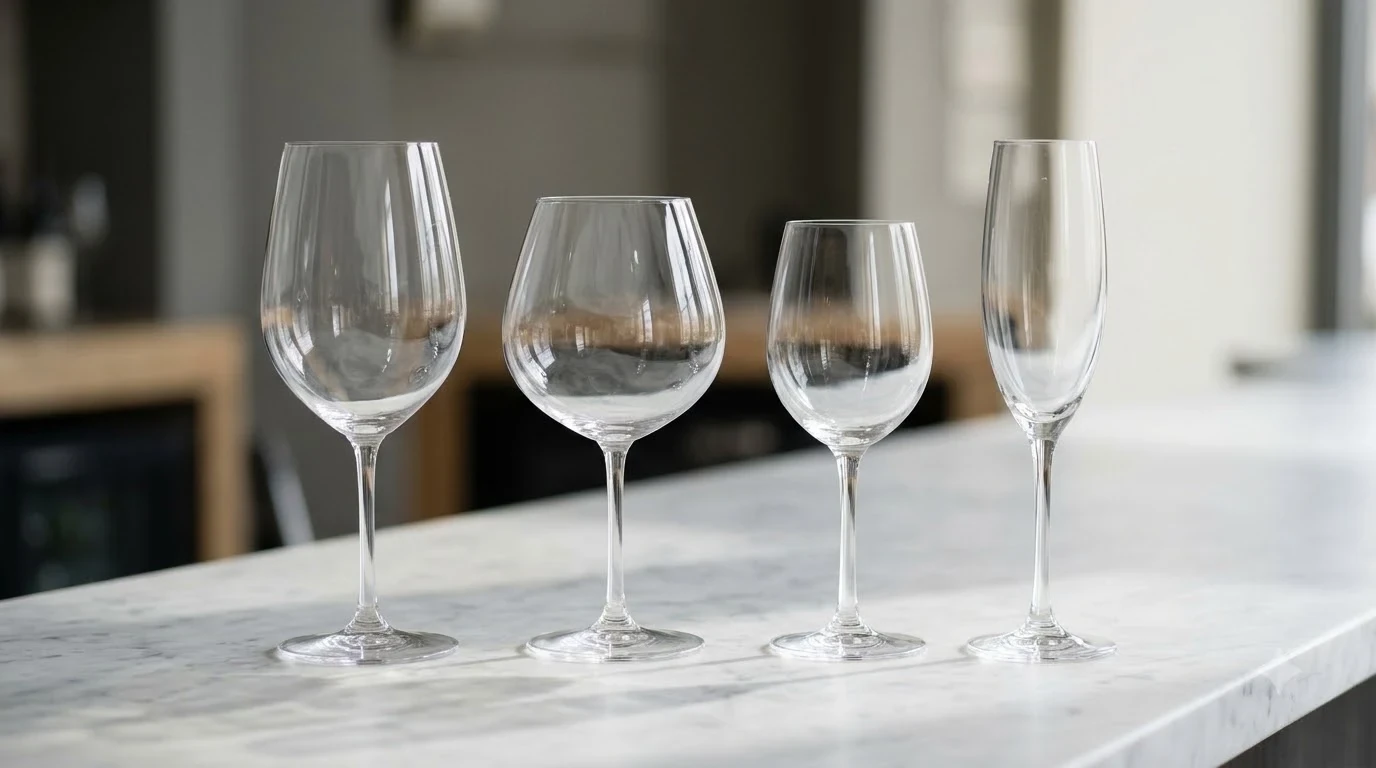
Wedgwood wine glasses are an excellent choice for buyers who want elegant crystal stemware, distinctive decorative details, and an upscale presentation for dinner parties and special occasions. Collections such as Helia and Vera Wang Swirl offer different interpretations of classic wine-glass design, from intricate geometric cuts to flowing optical patterns. Their main drawbacks are delicate construction, hand-washing requirements, and a stronger emphasis on presentation than everyday practicality.
Wedgwood is a familiar name in fine tableware, but its glassware deserves separate consideration when choosing stemware for a home wine collection. The brand offers several styles with different bowl shapes, decorative finishes, and capacities. The right choice depends on whether appearance, wine versatility, ease of maintenance, or gift presentation matters most. This review examines the available designs, their practical strengths, and the details worth checking before purchasing.
Specs and Key Features of Wedgwood Wine Glasses
Wedgwood wine glasses combine crystal construction with decorative designs intended for formal dining and special occasions. The Helia and Vera Wang Swirl collections illustrate two different approaches, with the former emphasizing cut detailing and the latter using flowing optical patterns.
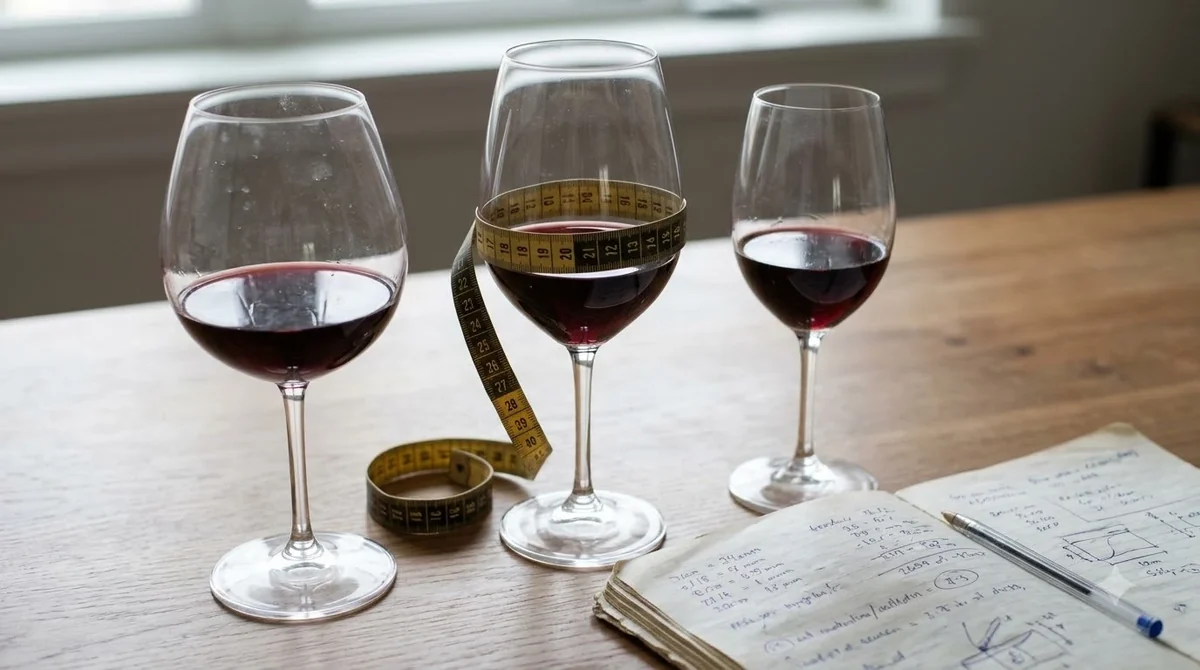
One important distinction is that Wedgwood does not sell just one universal wine-glass model. Its official US collection includes designs from Vera Wang, Helia, and Bacchus, alongside different shapes for red wine, white wine, and general table service. Consequently, specifications should be considered individually rather than assumed to apply to every glass bearing the Wedgwood name.
| Feature | Helia Wine Glass Pair | Vera Wang Swirl Red | Vera Wang Swirl White |
|---|---|---|---|
| Material | Lead-free crystal | Crystal | Crystal |
| Set size | 2 glasses | 2 glasses | 2 glasses |
| Capacity | 350 ml | Not specified on US product page | 440 ml |
| Height | 24 cm | 21.5 cm | 22.2 cm |
| Width | 8.5 cm | 12 cm | 9.7 cm |
| Design | Geometric cut detailing | Swirl optical pattern | Swirl optical pattern |
| Care | Hand wash | Hand wash recommended | Hand wash recommended |
The Helia specifications are published by Wedgwood and corroborated by John Lewis. The Swirl white-glass dimensions come from Wedgwood’s product listing, while the red-glass dimensions are listed by the manufacturer. These are useful reference points, although individual designs should not be treated as interchangeable.
Material is another important consideration. Crystal is generally selected for its clarity and potential for finer rims compared with conventional soda-lime glass. John Lewis distinguishes these materials in its glassware buying information, explaining that crystal permits more refined finishing. For wine drinkers, a fine rim can create a more delicate drinking experience, although it does not automatically make a particular glass better for every wine.
Wedgwood’s official range is particularly attractive to buyers who want coordinated tableware. A wine-glass pair can complement matching tumblers, champagne flutes, or other decorative drinkware. However, the decorative finish and practical dimensions deserve as much attention as the brand name when deciding which set to purchase.
For a broader overview of shapes, sizes, and everyday alternatives, see our guide to wine glasses.
What Owners and Buyers Are Likely to Appreciate
The strongest selling points of Wedgwood wine glasses are their appearance, distinctive finishing, and suitability for presenting wine at formal meals. The Helia geometric cuts and Vera Wang Swirl pattern give the collections recognizable visual identities without relying on oversized branding.
The Helia design is particularly appealing to people who prefer understated decoration. Its narrow vertical profile and detailed cuts provide texture without making the entire glass look heavily ornamented. Wedgwood describes the pattern as drawing inspiration from neoclassical references in its archive, while Harrods explains the geometric effect through its resemblance to knurled metal detailing.
Vera Wang Swirl takes a different approach. Its optical pattern is inspired by the designer’s use of layered fabric, translated into a twisting visual effect across the crystal. This creates a more expressive appearance, especially when light passes through the glass. The design can work well for celebratory dinners, wedding gifts, and coordinated entertaining collections.
Presentation and gift appeal
Packaging is another positive feature. Wedgwood presents its Helia wine-glass pair in signature packaging, while the Vera Wang Swirl red wine glasses come in a Vera Wang gift box. That makes these designs natural candidates for wedding presents, anniversary gifts, and housewarming occasions.
Two-glass sets are also convenient for couples and smaller households. Rather than purchasing a large collection immediately, buyers can begin with a pair for occasional wine service and expand later if matching pieces remain available.
There is also a practical advantage to buying a named collection rather than unrelated decorative glasses. A coordinated pair helps establish a consistent table setting, particularly when combined with matching crystal drinkware. The effect is most noticeable at a dinner table where glassware, plates, and serving accessories are chosen to work together.
Design without excessive decoration
Not every premium glass needs elaborate engraving or colored finishes. Helia’s cut crystal supplies enough visual interest to stand out while keeping the wine visible. This is helpful for people who enjoy observing the color of a Pinot Noir, the pale straw appearance of Chardonnay, or the deeper ruby shades of Cabernet Sauvignon.
Swirl is more decorative, but its transparent crystal still allows the wine to remain the central visual feature. Neither collection requires an elaborate table arrangement to make an impression.
These are aesthetic advantages rather than proof that a particular pattern improves aroma or flavor. Wine enjoyment also depends on bowl proportions, serving temperature, wine style, and the amount poured. Wedgwood’s strongest appeal is the combination of recognizable design and traditional crystal presentation.
Common Complaints and Practical Limitations
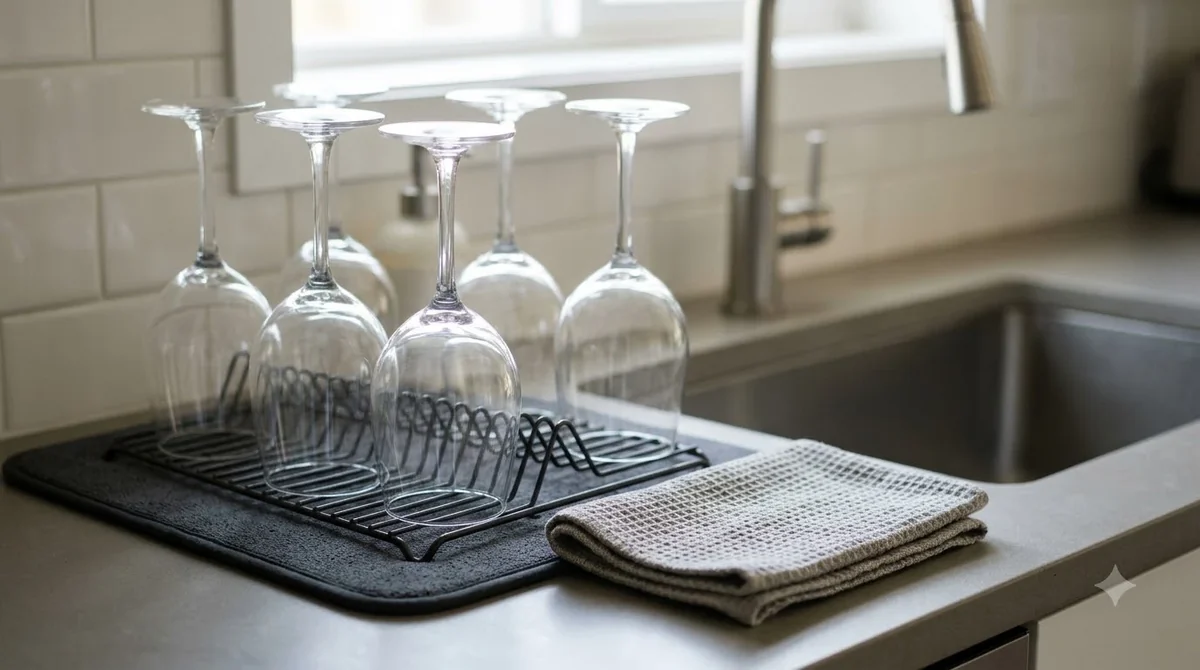
The most significant disadvantage of Wedgwood crystal wine glasses is maintenance. The manufacturer recommends hand-washing non-leaded crystal and glass, avoiding sudden temperature changes, and drying with a lint-free cloth. That makes the range less convenient than dishwasher-safe everyday stemware.
According to Wedgwood’s care guidance, crystal should not be placed in a dishwasher, microwave, oven, or freezer. The company also advises against twisting delicate stems or components while cleaning. These requirements are particularly important for glasses with detailed cuts or slender stems.
Delicate rims and stems
Fine glass rims are vulnerable to accidental impacts, particularly when several glasses are washed together in a crowded sink. Stems can also break if the bowl is twisted while the base is held firmly. These are general risks associated with delicate stemware, not evidence of a specific manufacturing defect in Wedgwood products.
Buyers who regularly entertain large groups should consider how much handling their glasses will receive. Washing eight or twelve delicate glasses after a dinner party requires more time and attention than cleaning a set of sturdy everyday tumblers.
Limited practicality for casual use
The decorative character of some Wedgwood collections may not suit every home. A heavily patterned glass can feel less appropriate for someone who prefers simple, nearly invisible stemware. Likewise, people who frequently move glasses between indoor dining areas, patios, and outdoor entertaining spaces may prefer more durable alternatives.
Another consideration is storage. A 24 cm Helia glass requires sufficient vertical clearance, and the shape of the bowl can affect how easily glasses fit into existing cupboards. Measure the available shelf space before purchasing multiple pairs.
Availability can also vary by collection and design. Wedgwood’s official website includes different wine-glass families, but a specific style or matching piece may not always be available through every retailer. Buyers assembling a larger coordinated collection should consider replacement availability before committing to a particular pattern.
Finally, a decorative crystal glass is not automatically a specialist tasting glass. Buyers primarily interested in evaluating wine aromas and flavors may prefer a simpler, universal shape with fewer decorative features. The appearance of Wedgwood glassware is a major strength, but it should not be confused with a guarantee of superior tasting performance.
Who Should Buy Wedgwood Wine Glasses and Who Should Skip Them
Wedgwood wine glasses are best suited to people who value attractive table settings, premium-looking crystal, and carefully coordinated entertaining accessories. They are particularly appealing for couples, gift buyers, and households that reserve delicate stemware for selected occasions.
Helia is a sensible direction for someone who prefers subtle geometric decoration and a relatively compact 350 ml capacity. Vera Wang Swirl offers a more expressive alternative, with separate red and white wine designs that make it easier to create a coordinated serving arrangement.
Buyers who should consider Wedgwood
- Formal entertainers: The cut detailing and optical patterns create a polished appearance for dinner parties, holiday meals, and celebrations.
- Wedding and anniversary gift buyers: The two-piece packaging and established design identity make the glasses suitable for presentation as a gift.
- Crystal collectors: Helia and Vera Wang Swirl offer different decorative approaches within the broader Wedgwood glassware range.
- Design-conscious households: Matching glassware can complement coordinated dining accessories and decorative table settings.
- Occasional wine drinkers: A carefully maintained pair may be more useful than purchasing a large assortment of specialized glasses.
Buyers who should look elsewhere
- Dishwasher-dependent households: Wedgwood’s non-leaded crystal care instructions recommend hand-washing rather than automatic dishwasher cleaning.
- Families needing sturdy everyday glasses: More durable machine-made glassware may be a better fit for frequent handling.
- Minimalist wine enthusiasts: A simple universal wine glass may be preferable to a decorative cut or optical pattern.
- Large-group entertainers: Maintaining multiple delicate crystal glasses can become time-consuming after frequent gatherings.
- People with limited cabinet space: The 24 cm height of Helia glasses may be inconvenient in short cupboards.
For buyers focused mainly on red wine, our selection of red wine glasses provides additional guidance on bowl shape, capacity, and serving preferences. Those who want a less fragile, casual alternative can also compare stemless wine glasses.
How Wedgwood Compares to Alternative Wine Glasses
Wedgwood occupies a design-oriented position in the wine-glass market. Its collections emphasize decorative crystal and coordinated presentation, whereas other glassware categories may place greater importance on durability, specialized tasting shapes, or everyday convenience.
The most useful comparison is not simply between brand names. It is between the priorities that influence how a glass will be used. A decorative crystal pair, a universal wine glass, and a dishwasher-resistant everyday glass can all serve different purposes.
Decorative crystal versus universal stemware
Helia and Vera Wang Swirl are attractive options for people who want wine service to contribute to the appearance of the dining table. A universal wine glass, by comparison, generally prioritizes versatility across multiple grape varieties and wine styles.
For example, Pinot Noir, Cabernet Sauvignon, Chardonnay, and Sauvignon Blanc have different aromatic and structural characteristics. A versatile glass with a suitable bowl and opening can accommodate several of these wines without requiring a separate design for every grape variety.
That does not make Wedgwood less useful. It simply means that someone buying primarily for wine evaluation may want to prioritize bowl geometry over decorative detailing.
Decorative crystal versus practical glassware
Everyday glassware often uses thicker construction and simpler profiles to make washing, storage, and replacement easier. Wedgwood’s crystal designs place more emphasis on visual finishing and careful presentation.
For a household that pours wine several evenings each week, convenience may outweigh decorative appeal. For occasional entertaining, the additional attention required by crystal may be an acceptable trade-off.
John Lewis’s glassware buying information also explains differences among soda-lime glass, conventional crystal, and more specialized glass materials. The practical lesson is to assess the material and care requirements of each product rather than assuming that every premium glass performs or cleans in the same way.
Helia versus Vera Wang Swirl
These two Wedgwood designs are useful examples of how the brand approaches different visual preferences. Helia has a neoclassical character, with fine geometric cuts and a 350 ml bowl. Swirl uses a fabric-inspired optical pattern and offers a larger 440 ml white wine glass.
Choose Helia if the main objective is a refined, understated presentation. Consider Swirl if a more noticeable pattern and the option of coordinating red and white wine glasses are more important.
Neither collection should be selected on appearance alone. The actual dimensions, bowl shape, storage requirements, and washing routine are all relevant to long-term satisfaction.
For more brand-level comparisons and glassware categories, see our Glassware Brands coverage.
Care, Cleaning, and Storage Recommendations
Proper maintenance is essential for keeping Wedgwood crystal clear and preventing avoidable damage. The manufacturer recommends careful hand-washing, protection from sudden temperature changes, and drying with a lint-free cloth.
Although crystal can be visually impressive, it is not maintenance-free. A consistent cleaning routine helps prevent water spots, residue, and accidental damage during washing and storage.
How to wash the glasses safely
- Prepare a protected washing area. Place a soft towel or nonslip mat in the sink to reduce the risk of impact if a glass slips.
- Use warm water and mild detergent. Avoid extreme water temperatures, abrasive cleaning products, and rough scrubbing pads.
- Wash each glass individually. Keep the glasses separated to prevent the rims and bowls from striking one another.
- Support the bowl carefully. Avoid twisting the bowl against the stem or applying unnecessary pressure to the connection.
- Rinse thoroughly. Remove soap residue that could leave a film or affect the appearance of the crystal.
- Dry with a lint-free cloth. Handle the glass gently and avoid gripping the stem too tightly.
- Store upright in a secure location. Follow Wedgwood’s advice not to store crystal glasses upside down.
Protect the crystal from temperature changes
Sudden temperature changes can damage crystal and glass. Avoid placing a cold glass into hot water or pouring a very cold beverage into a glass that has become unusually warm. A gradual change in temperature is a safer approach.
It is also sensible to avoid overcrowded cupboards. Glasses should have enough room to prevent their bowls, stems, and rims from knocking against neighboring pieces when someone opens or closes the cabinet.
Prevent scratches and surface damage
Keep crystal away from hard utensils, metal objects, and abrasive cleaning materials. Decorative cuts and polished surfaces should be treated gently, especially when the glasses are stored alongside other drinkware.
Tip: Keep Wedgwood crystal glasses in a dedicated cupboard with enough vertical clearance for their stems and bowls. Wash them separately in warm, soapy water, dry with a lint-free cloth, and never twist the bowl against the stem. The manufacturer’s official crystal and glass care guide provides the recommended cleaning and storage precautions.
Buyers should also retain the original packaging when possible. It can provide useful protection if a pair needs to be moved, stored for an extended period, or presented as a gift later. For collections that are difficult to replace, recording the product name and design details can make future matching purchases easier.
Frequently Asked Questions
Are Wedgwood wine glasses made in England?
Not necessarily. Wedgwood products are designed in the United Kingdom, but manufacturing takes place in selected facilities around the world. John Lewis lists Slovenia as the country of origin for the Helia wine-glass pair, illustrating why the manufacturing location should be checked for each individual product.
Are Wedgwood wine glasses lead-free?
Wedgwood’s care guide has a specific category for non-leaded crystal and glass. John Lewis also identifies the Helia pair as lead-free crystal. Buyers should distinguish this information from assumptions about other crystal products and verify the material description of the particular design they are considering.
Can Wedgwood wine glasses be used for champagne?
Standard wine glasses can be used to serve sparkling wine, although dedicated sparkling wine glasses are also available in Wedgwood’s wider glassware range. A flute or suitably shaped sparkling glass provides a different presentation and bubble-retention experience. The brand’s Vera Wang Swirl collection, for example, includes champagne flutes as well as wine glasses.
What is the difference between crystal and lead crystal?
Traditional lead crystal contains lead oxide, while non-leaded crystal uses alternative compositions to achieve clarity and other glassmaking characteristics. John Lewis distinguishes lead crystal by its traditional composition of at least 24% lead oxide. The Helia wine glasses are specifically described as lead-free crystal.
Can individual Wedgwood glasses be replaced if one breaks?
Replacement availability depends on the collection, pattern, and remaining retailer inventory. Wedgwood explains that its current website generally features newer and recently discontinued collections, while older pieces may require specialist replacement services. Keeping the original product name and article number can make identifying a matching glass considerably easier.
Wedgwood wine glasses are worth considering for buyers who appreciate decorative crystal, refined table settings, and attractive gift-ready presentation. Helia is the stronger choice for understated geometric detailing, while Vera Wang Swirl offers a more expressive appearance and distinct red and white wine designs. Their hand-washing requirements make them less suitable for households that prioritize convenience, but for carefully maintained entertaining stemware, they offer a distinctive combination of design and traditional crystal presentation.
More in Wine Glasses
 Zwiesel Glas Champagne Flutes for Durable Everyday Sparkling WineUpdated Nov 20, 2026
 Vera Wang Crystal Wine Glasses: Design, Quality and Buying AdviceUpdated Nov 20, 2026
 West Elm White Wine Glasses: Compare Designs for Better Everyday Wine ServiceUpdated Nov 20, 2026
 Zalto Stemless Wine Glasses: Discover Their Distinctive DesignsUpdated Nov 20, 2026
 Viski Champagne Glasses That Match Your Style and Sparkling WineUpdated Nov 20, 2026
 Vista Alegre Decanter Review: Crystal Style and Wine ServiceUpdated Nov 20, 2026