

We may earn a commission when you buy through links on this page, at no extra cost to you. Learn more.
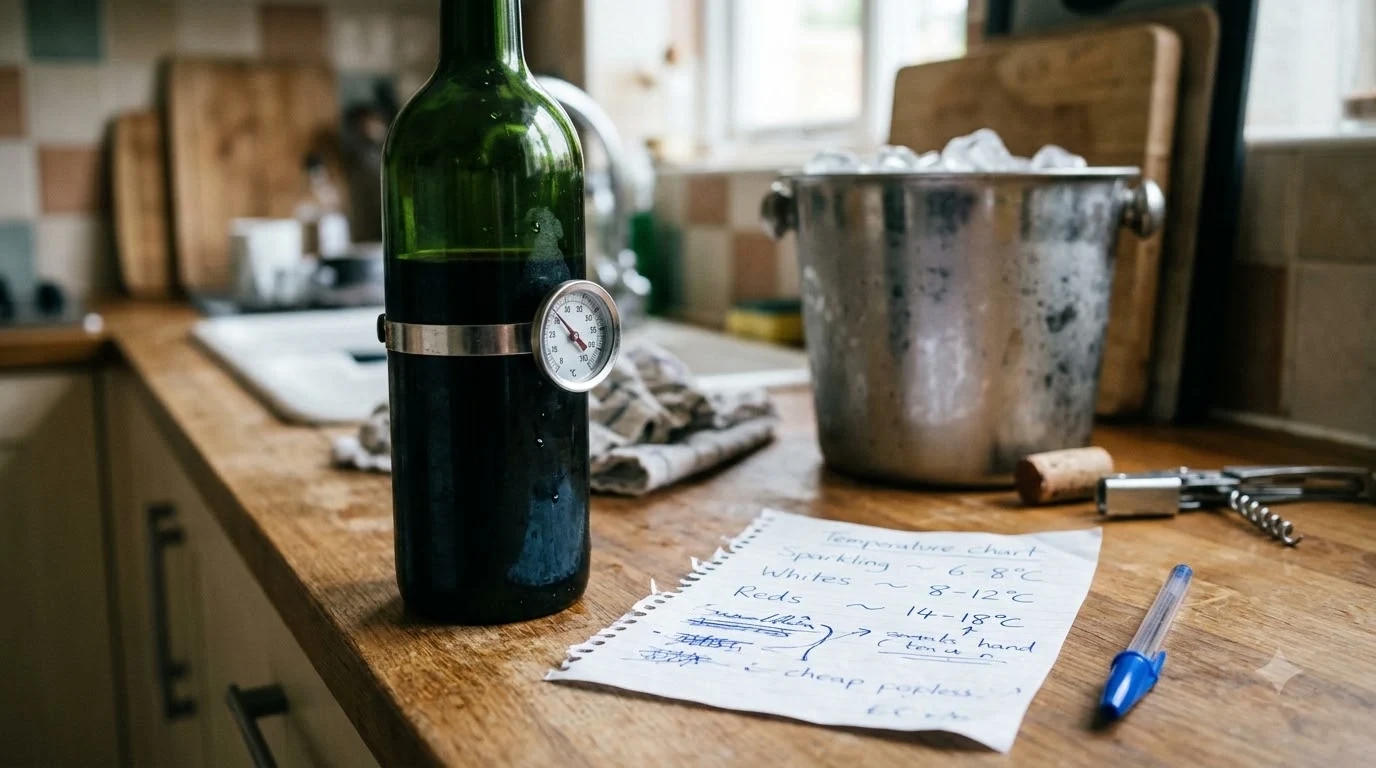
What temperature should a wine fridge be? About 55 degrees Fahrenheit (13 degrees Celsius), within a general storage range of 55 to 59 degrees Fahrenheit and humidity between 55 and 75 percent. Wine Folly gives the 55 to 59 degree range, and the Wikipedia wine cellar entry names 55 degrees Fahrenheit as an ideal point for both short-term storage and long-term aging. Stability matters as much as the exact number, so the fridge should hold steady rather than swing up and down.
Most people buy a wine fridge to protect bottles from heat, but the setting you choose has a big effect on how the wine ages. This guide explains the temperatures that storage experts recommend, why steady conditions matter more than a perfect number, and how to set up a wine fridge at home. It is aimed at readers who want a clear, practical answer.
The Recommended Temperature Range
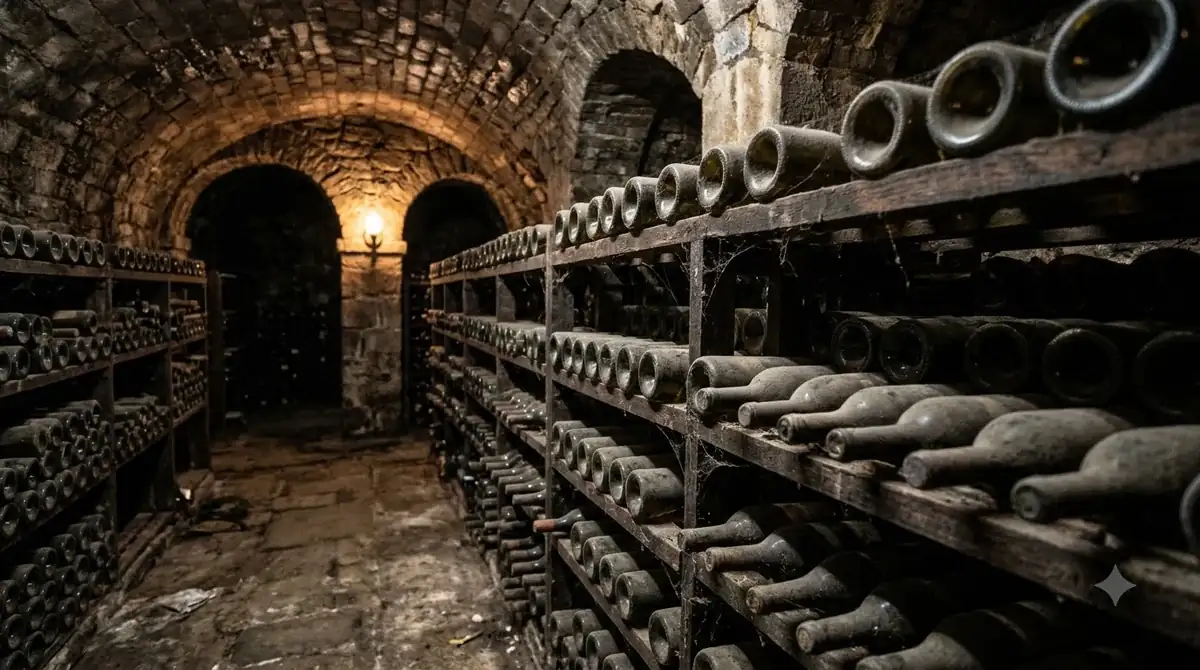
The most common target for stored wine is around 55 degrees Fahrenheit. According to the Wikipedia entry on wine cellars, wine can be stored between 7 and 18 degrees Celsius, which is about 45 to 64 degrees Fahrenheit, as long as the changes are gradual. The same source names 13 degrees Celsius, or 55 degrees Fahrenheit, as an ideal point and says wines age normally between 10 and 14 degrees Celsius.
Wine Folly’s storage guide gives a slightly narrower target, recommending 55 to 59 degrees Fahrenheit for storage. Both sources agree on the core idea: a cool, steady environment is better for long-term aging than a warm one. If your fridge can be set to a single value, 55 degrees Fahrenheit is a sensible starting point.
Why Stability Matters More Than the Exact Number
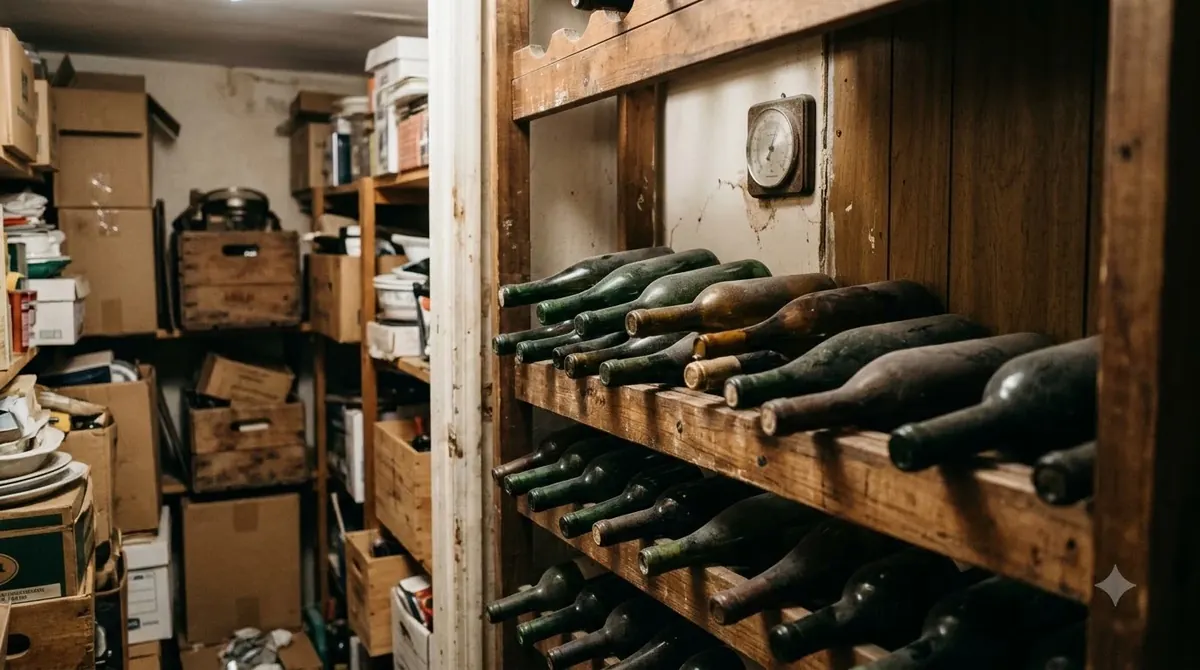
A wine fridge that holds a constant temperature protects the wine better than one that drifts. The Wikipedia summary notes that gradual changes are acceptable, but large swings are not. It warns that significant swings of 14 degrees or more can make the wine breathe through the cork and speed up aging.
That is why the setting on the dial is only part of the story. A fridge placed next to a radiator, a sunny window or a heat-producing appliance will work harder and swing more. Place the unit in a cool room, leave space around it for airflow, and avoid opening the door more often than you need to.
| Storage factor | Good target | Why it matters |
|---|---|---|
| Temperature | About 55 degrees Fahrenheit | Slows aging to a steady, predictable pace |
| Acceptable range | 45 to 64 degrees Fahrenheit, with gradual changes | Gives some room for seasonal variation |
| Humidity | 55 to 75 percent | Helps keep corks from drying out |
| Consistency | No large daily swings | Prevents wine from breathing too quickly |
Tip: Place a thermometer inside the fridge near the bottles, not only on the outside of the unit. The display may show the setting rather than the true temperature of the wine.
What Happens When Wine Gets Too Warm
Heat is the main threat to stored wine. Wine Folly cites a study in which wine stored at room temperature aged about four times faster than wine kept in a cellar. The same guide suggests that roughly a year of aging is acceptable if storage never goes above about 80 degrees Fahrenheit. Above that, the risk of cooked or flat flavors rises.
Warm storage does not always show at once. A bottle may taste normal when you open it but lose freshness over time. For that reason, it is worth keeping track of where your wines are stored, especially if you bought them from a shop that may have held them in a hot warehouse.
Choosing the Right Type of Wine Fridge
Wine fridges come in compressor and thermoelectric designs, and they behave differently. Wine Folly notes that aging units with a compressor run somewhat loudly because they need a condenser and fan. Thermoelectric units are quieter, but the same guide says they fluctuate too much in temperature for long-term storage.
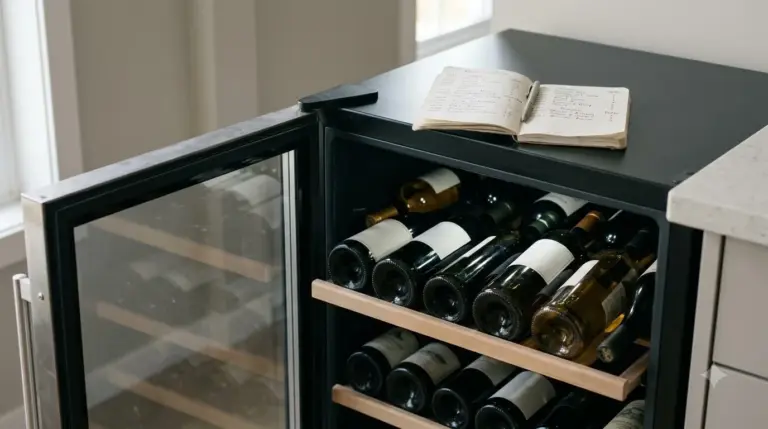
If you plan to age wine for years, a compressor unit that holds a steady temperature is usually the better choice. If you only keep a few bottles for near-term drinking, a smaller unit may be enough. Look for a model with a clear display, adjustable shelves and a door seal that closes firmly.
Setting Up a Wine Fridge at Home
Think about how often you open the door, too. Each opening lets warm air in, and a full fridge recovers more slowly than an empty one. If you add a batch of new bottles, leave the fridge closed for a while so the temperature can settle before you check the display again.
Start by setting the fridge to your target temperature and letting it run for a full day before loading bottles. That gives you a chance to check whether the unit holds the setting in your room. If the temperature rises or falls sharply, move the fridge to a cooler spot or adjust the placement.
Keep the fridge out of direct sunlight, since light can affect wine over time. Store bottles on their sides if they have corks, so the cork stays moist. Group wines you plan to drink soon near the front, and keep older bottles toward the back where the temperature is steadiest.
Serving Wine After It Has Been Stored
A wine fridge is built for storage, so the wine may need a short rest before serving. Bottles taken straight from a cool fridge can taste closed, especially reds. Let them sit out for a short time, then pour. Whites and sparkling wines often need less adjustment and can be served directly from the fridge.
If you are deciding how long to keep an open bottle, the guide to how long white wine lasts after opening covers the timing. Storage and serving work together, so a well-kept bottle is easier to enjoy when you open it.
Frequently Asked Questions
What is the best temperature for a wine fridge?
About 55 degrees Fahrenheit is a good target for most wines. Storage guides commonly name a range of 55 to 59 degrees Fahrenheit, and steady conditions matter as much as the exact figure.
Can a wine fridge be too cold?
A very cold setting can slow aging too much and make reds taste closed when served. Keep the fridge within a moderate range and let bottles warm slightly before pouring if you want to taste the full flavor.
Does wine go bad in a fridge that is set too warm?
Warm storage speeds aging and can cause flat or cooked flavors over time. For guidance on spoilage and fridge storage, see the guide on whether wine goes bad in the fridge.
Is humidity important in a wine fridge?
Humidity helps keep corks from drying out. A range of about 55 to 75 percent is commonly recommended, and a fridge that holds steady humidity protects the seal better.
Storage habits also shape how a wine tastes over the long run. The wine storage and serving temperatures guide covers the wider picture, including how to handle bottles before and after they reach the fridge. Reading it alongside your fridge setting will help you plan which bottles to keep and which to open soon.
For most people, the simple answer is to set the wine fridge near 55 degrees Fahrenheit, keep the temperature steady, and store bottles away from heat and light. That routine protects your collection and makes each bottle more enjoyable when you open it. Drink responsibly, and keep a note of the settings that work best in your home.
More in Storage & Fridge Care
 How Long Can You Store Wine in a Wine Fridge? Protect Bottle QualityUpdated Nov 20, 2026
 Can You Store Beer in a Wine Fridge? Keep Both Drinks FreshUpdated Nov 20, 2026
 Is It Worth Repairing a Wine Fridge? Spot the Cheap Fixes Before You ReplaceUpdated Nov 20, 2026
 Wine Fridge Condensation: Identify Causes and Fix Moisture ProblemsUpdated Nov 20, 2026
 Wine Fridge Too Cold: Protect Your Wine and Fix the TemperatureUpdated Nov 20, 2026
 How to Reset Wine Fridge: Restore Cooling and SettingsUpdated Nov 20, 2026