

We may earn a commission when you buy through links on this page, at no extra cost to you. Learn more.
Libbey red wine glasses are a practical choice for everyday wine drinking, offering generous bowls, dishwasher-safe designs, and several capacities to suit different preferences. The brand’s selection includes straightforward everyday glasses such as Vina and more substantial balloon styles such as Signature Kentfield. The right choice depends on how much bowl space you prefer, how many glasses you need, and whether you prioritize compact storage or a more generous presentation.
Libbey makes wine glasses for casual dinners, home entertaining, and more formal table settings. Its red wine glass selection includes different bowl shapes, stem designs, capacities, and construction features, so comparing individual collections is more useful than treating every Libbey glass as interchangeable. This review examines the practical differences, owner feedback, specifications, and buying considerations that matter before choosing a set.
Specs and Key Features
Libbey red wine glasses range from relatively compact traditional designs to oversized balloon bowls. Two particularly useful comparisons are the 18.25-ounce Vina and the 24-ounce Signature Kentfield, while the Perception foodservice collection provides additional options for people who prefer smaller capacities.

The Vina design has a large, rounded bowl and clean lines intended to complement everyday table settings. Its eight-piece set offers a convenient quantity for households that regularly entertain guests. Kentfield takes a more substantial approach, with a balloon-shaped bowl, a taller profile, and a thinner-wall construction that Libbey associates with its ClearFire glass composition.
The specifications below come from Libbey’s product descriptions and its published Perception catalog. These figures describe different collections rather than interchangeable versions of one glass.
| Model or collection | Capacity | Set or catalog format | Notable features |
|---|---|---|---|
| Vina Red Wine | 18.25 oz. | Set of 8 | Rounded bowl, lead-free, dishwasher-safe |
| Signature Kentfield Balloon | 24 oz. | Set of 4 | ClearFire composition, laser-cut rim, BPA-free and lead-free |
| Perception Red Wine No. 3056 | 10 oz. | Catalog listing | Traditional compact red wine glass |
| Perception Red Wine No. 3014 | 13.5 oz. | Catalog listing | Traditional rounded red wine bowl |
| Perception Balloon No. 3061 | 20 oz. | Catalog listing | Large balloon-shaped bowl |
| Perception Tall Wine No. 3060 | 20 oz. | Catalog listing | Taller wine glass profile |
The Vina dimensions are approximately 4 inches across and 8.25 inches tall. Kentfield is approximately 4.3 inches across and 8.9 inches tall. That difference matters because taller glasses and wider bowls require more cupboard clearance and can feel more substantial when carried between the table and kitchen.
Another important distinction is the construction. Libbey describes Kentfield as having thinner walls, a laser-cut rim, and a stable foot. These features contribute to its appearance and handling characteristics, but they should not be interpreted as making glassware unbreakable. A thinner rim can provide a refined drinking experience while still requiring careful handling.
The manufacturer’s Kentfield product specifications provide additional details about its bowl, glass composition, dimensions, and intended uses.
What the capacities mean in practice
A glass’s maximum capacity is not the same as its recommended serving size. A standard wine serving is approximately 5 ounces, which means an 18.25-ounce Vina glass and a 24-ounce Kentfield glass both leave room above the wine for swirling and aroma collection.
For someone who usually serves a modest pour, a 10-ounce or 13.5-ounce Perception glass may be more proportionate. For someone who enjoys examining aromas and swirling fuller-bodied reds, the larger Vina and Kentfield bowls provide more working space.
Tip: Do not fill a 24-ounce wine glass anywhere near its full capacity. A pour of approximately 5 ounces leaves plenty of room to swirl without spilling and makes it easier to appreciate the wine’s aromas.
What Owners Like
Owner feedback on Libbey wine glasses frequently emphasizes attractive presentation, practical sizing, and convenience. The Midtown customer-review summary on Wayfair highlights the generous capacity, appearance, perceived quality, and dishwasher-safe convenience as positive points.
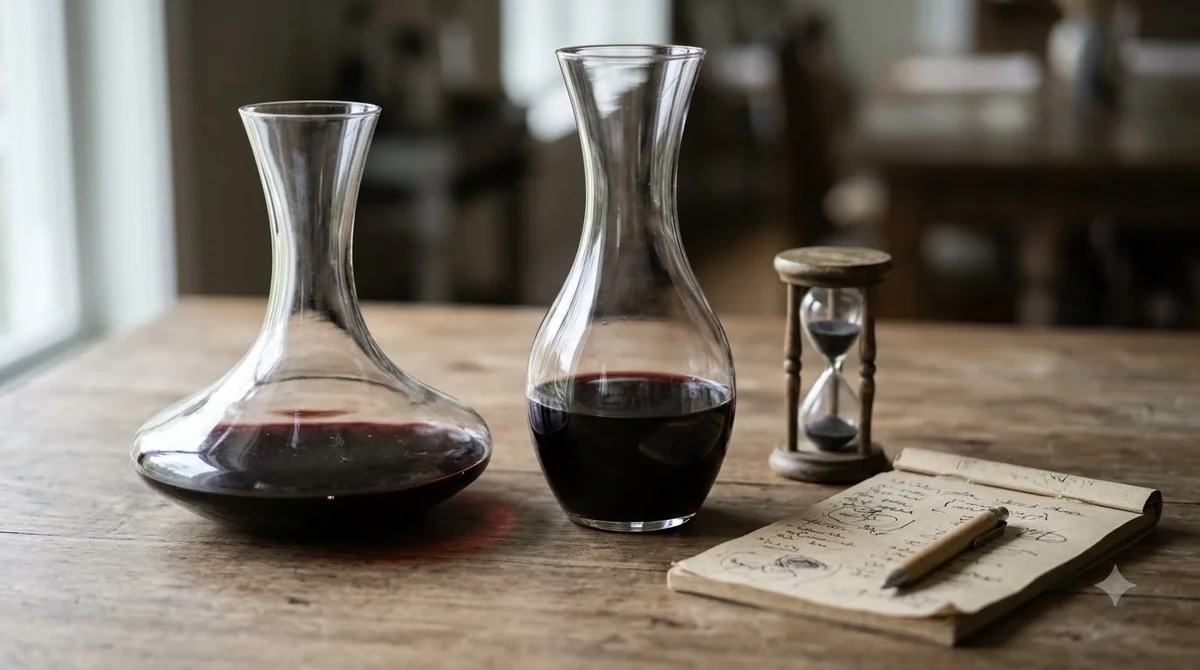
The generous bowl is particularly appealing to people who prefer a traditional red wine glass rather than a narrow multipurpose tumbler. A broad bowl gives wine room to move when swirled and provides a larger surface area between the liquid and the air. This can help aromas become more apparent during a tasting.
Another positive is the availability of different set sizes. The Vina set includes eight glasses, making it a reasonable option for households that host larger dinners. Kentfield’s four-piece configuration is more suitable for someone who wants a smaller matching collection or already owns other stemware.
Appearance and table presentation
Libbey’s designs generally favor clear glass and familiar stemmed silhouettes. The Vina has a clean, rounded profile that can work with everyday dinnerware, while Kentfield has a more dramatic balloon shape. Both designs can complement a traditional table setting without introducing unusual colors or decorative patterns.
Clear glass is also useful when examining wine appearance. A glass with an unobstructed bowl makes it easier to observe the color and intensity of Cabernet Sauvignon, Merlot, Pinot Noir, or other red varieties. This is a practical benefit for people who enjoy comparing different bottles during a dinner.
Convenience for regular use
Dishwasher compatibility is another advantage mentioned in the manufacturer’s descriptions. Both Vina and Kentfield are identified as dishwasher-safe, which is convenient for households that use wine glasses several times a week rather than reserving them for special occasions.
Still, convenience does not eliminate the need for sensible handling. Wine glasses have delicate rims and stems, and crowded dishwashers can allow individual pieces to strike one another. Owners who prefer handwashing fragile stemware can continue doing so even when a product is labeled dishwasher-safe.
For a broader comparison of shapes and uses, the red wine glasses buying guide can help clarify whether a generous balloon bowl or a more compact traditional glass is the better match.
Common Complaints
The main considerations with Libbey red wine glasses are their physical size, the fragility inherent in stemmed glassware, and differences between individual collections. A large bowl may look impressive, but it is not automatically the most convenient choice for every household.
For example, a 24-ounce Kentfield glass measures approximately 8.9 inches tall and 4.3 inches wide. That is a substantial piece of stemware, particularly when compared with the 10-ounce Perception No. 3056, which measures approximately 7.5 inches tall. People with limited cabinet space should consider these measurements before purchasing a large set.
Oversized bowls can be awkward
Large-capacity glasses are designed to provide additional room for swirling, but their proportions can be inconvenient for people with smaller hands or limited storage. The wider bowl also requires more clearance around other glasses on a dining table.
Some drinkers simply prefer a smaller rim and a more compact drinking experience. A 24-ounce glass can feel excessive when the usual serving is only 5 ounces. In that situation, a smaller Perception design may be more comfortable.
Glassware still requires careful handling
Although Libbey promotes certain construction features as supporting durability, ordinary glass remains vulnerable to impacts, sudden temperature changes, and accidental drops. A stable foot does not protect a stem from being struck against a countertop or another glass.
There is also an important distinction between a chip-resistant rim and a guarantee against breakage. Kentfield’s laser-cut rim is described by Libbey as having a beadless, chip-resistant edge. That wording should not be interpreted as a promise that the entire glass cannot chip or break.
Not every model has the same construction
Another possible source of disappointment is assuming that all glasses bearing the Libbey name share identical specifications. The Vina, Kentfield, and Perception collections have different capacities, dimensions, and construction descriptions.
For example, Kentfield is marketed with ClearFire composition and a laser-cut rim, while the Perception catalog uses separate feature designations such as DuraTuff, heat-treated construction, and Safedge guarantees. These terms describe different features and should not be treated as universal specifications across the brand.
Before ordering replacement pieces, compare the collection name and model identification rather than relying only on the appearance of a product photograph. A visually similar glass can have a different capacity or bowl profile.
Who Should Buy and Who Should Skip
Libbey is a sensible option for buyers who want recognizable stemware designs, useful everyday capacities, and practical care options. However, the most appropriate collection depends on serving habits, available storage, and the number of people regularly using the glasses.
Who should consider Vina?
Vina is a strong candidate for households that want a matching set of eight glasses with a substantial but not unusually oversized bowl. Its 18.25-ounce capacity provides room for swirling, and its rounded appearance works for casual dinners and more formal gatherings.
The eight-piece configuration is particularly practical for people who regularly host four or more guests. It also gives households a few spare glasses when one or two pieces are being washed or are temporarily unavailable.
Who should consider Kentfield?
Kentfield is more appropriate for people who prioritize presentation and a large balloon-style bowl. Its 24-ounce capacity offers considerable space for swirling Cabernet Sauvignon, Merlot, Shiraz, and Zinfandel.
Its four-piece set can work well for smaller households or couples who prefer to purchase a more distinctive style of stemware. The ClearFire composition, laser-cut rim, and stable foot are useful features to consider when comparing its construction with other Libbey collections.
Who should consider Perception?
Perception deserves attention from buyers who prefer a smaller traditional wine glass or need glassware for more frequent service. Its 10-ounce and 13.5-ounce red wine options provide alternatives to the larger retail-oriented Vina and Kentfield designs.
The smaller capacity can also be useful when serving multiple wines during a meal. For example, a compact glass may be more convenient when guests are comparing a Pinot Noir, Merlot, and Cabernet Sauvignon without wanting several oversized glasses occupying the table.
Who should skip oversized stemware?
Buyers with shallow cupboards, limited shelving, or a preference for compact drinking glasses may find Kentfield unnecessarily large. The same applies to people who regularly carry glasses through crowded dining areas or want uncomplicated storage.
Those buyers may prefer a smaller traditional glass or a stemless design. Stemless glasses have a different handling experience because the bowl rests directly in the hand, but they can be convenient where stem clearance is a concern. The stemless wine glasses comparison provides another perspective on that style.
Finally, anyone who wants genuinely unbreakable drinkware should skip conventional glass stemware altogether. Libbey’s durability descriptions do not change the basic fact that these products are glass and can break when mishandled.
How It Compares to Alternatives
Comparing Libbey collections is useful because the differences in capacity and construction can be more important than the brand name itself. Vina, Kentfield, and Perception each serve a different preference, even though all three are associated with red wine service.
Vina offers a useful middle ground, Kentfield favors generous proportions and presentation, and Perception provides smaller traditional options. The choice should reflect the way the glasses will actually be used rather than simply selecting the largest available bowl.
Vina versus Kentfield
The most obvious difference is capacity: Vina holds 18.25 ounces, while Kentfield holds 24 ounces. That additional space gives Kentfield a more substantial balloon profile, but it also makes the glass wider and taller.
Vina is supplied in an eight-piece set, compared with four pieces for the Kentfield set. Buyers who need enough glasses for a larger gathering may find Vina more convenient, while people purchasing a smaller collection may prefer Kentfield’s distinctive presentation.
Construction is another difference. Kentfield is specifically marketed with ClearFire composition and a laser-cut rim. Vina’s product description emphasizes its rounded bowl, clarity, lead-free construction, and dishwasher-safe convenience.
Perception versus Vina
Perception provides a more compact alternative. Its 10-ounce No. 3056 and 13.5-ounce No. 3014 are considerably smaller than Vina’s 18.25-ounce capacity.
That distinction affects how much room remains above a typical serving. Someone who prefers a traditional glass with a smaller bowl may find Perception more proportionate, while someone who enjoys swirling wine and examining developing aromas may appreciate the additional space provided by Vina.
The Perception catalog also lists a 20-ounce Balloon No. 3061 and a 20-ounce Tall Wine No. 3060. These options demonstrate that the collection includes different shapes rather than only compact red wine glasses.
Which alternative makes the most sense?
For a household that wants a straightforward set for regular dinners, Vina is an appealing starting point. For a more substantial balloon glass, Kentfield offers the larger bowl and additional construction details. For smaller servings and traditional proportions, Perception is worth considering.
Buyers comparing several manufacturers should also consider the shape, rim, stem, foot, and total dimensions instead of relying on capacity alone. The broader wine glasses buying guide covers these differences across styles and intended uses.
Choosing the right glass for different red wines
Large-bowled glasses are particularly popular for fuller-bodied reds because they provide room for swirling. Cabernet Sauvignon and Syrah, for example, typically have relatively high tannin, while Merlot generally has medium, softer tannin.
Pinot Noir usually has lower-to-medium tannin and higher acidity. It can work comfortably in a moderately sized rounded bowl rather than requiring the largest glass in a collection.
Glass shape does not change a wine’s actual acidity, tannin concentration, or alcohol level. Instead, the bowl influences the drinking experience by providing space to swirl and directing aromas toward the nose.
Care and Everyday Use
Proper care helps preserve the appearance and usability of Libbey stemware. Although Vina and Kentfield are identified as dishwasher-safe, careful loading, washing, drying, and storage remain important for protecting their rims and stems.
Dishwasher handling
Leave enough space between individual glasses so they cannot strike one another during a wash cycle. Position stemware securely according to the dishwasher rack design and avoid placing heavy cookware where it can shift against the bowls.
Use the manufacturer’s care instructions for the particular collection. A glass that is dishwasher-safe is not necessarily suited to every temperature setting, detergent, or loading arrangement.
Handwashing and drying
For handwashing, use warm water, mild dish soap, and a soft sponge. Avoid abrasive pads that can scratch the glass surface, and rinse thoroughly to prevent detergent residue.
When drying, support the bowl rather than twisting the stem. Applying excessive pressure between the bowl and stem can cause damage, particularly when a towel becomes caught around the glass.
Storage recommendations
Store stemmed glasses upright on a stable shelf where the rims cannot strike one another. Avoid stacking conventional stemware unless the manufacturer specifically identifies a design as stackable.
Leave sufficient vertical clearance for taller glasses. Kentfield measures approximately 8.9 inches tall, so a cupboard that comfortably accommodates a smaller 7.5-inch Perception glass may not be suitable for the larger model.
For households with limited storage, keeping fewer large glasses and using a smaller everyday collection can be more practical than filling every available shelf with oversized stemware.
Using the glasses for wine service
A standard 5-ounce serving leaves room in both Vina and Kentfield for gentle swirling. Hold a stemmed glass by its stem or near the base of the bowl to reduce fingerprints and avoid unnecessarily warming chilled wine.
Serving temperature also matters. Light-bodied reds are generally best served around 55 to 60 degrees Fahrenheit, while fuller-bodied reds are generally served around 60 to 65 degrees Fahrenheit. A suitable glass supports the experience, but serving temperature remains an important part of enjoying the wine.
For a dinner featuring Cabernet Sauvignon, Merlot, and Pinot Noir, a matching set of rounded Libbey glasses can provide a consistent presentation without requiring a different glass for every bottle.
Frequently Asked Questions
Are Libbey red wine glasses made in the United States?
Some Libbey collections are identified as made in the United States. The Perception catalog, for example, identifies its No. 3056 and No. 3014 red wine glasses as USA products, and Libbey also identifies Kentfield as made in the USA. Manufacturing origin should be evaluated by collection rather than assumed to be identical across every Libbey glass.
What does Safedge mean on Libbey glassware?
Safedge is a Libbey glassware feature associated with rim or rim-and-foot guarantees. The manufacturer’s catalog distinguishes the Safedge Rim Guarantee from the Safedge Rim and Foot Guarantee. These are specific product designations, not a blanket guarantee that every Libbey glass is resistant to all damage.
Can Libbey wine glasses be used for cocktails?
Yes. Libbey describes its Kentfield balloon glasses as suitable for chilled water and cocktails in addition to red wine. Their wide bowls can accommodate drinks with ice and garnishes, although a dedicated cocktail glass may be more convenient for recipes requiring a particular shape.
Are Libbey wine glasses suitable for professional restaurant service?
Libbey has a separate foodservice glassware catalog that includes traditional wine glasses, red wine models, and balloon designs. Its Perception collection includes products supplied in commercial case quantities, such as two-dozen configurations for certain models. Restaurant buyers should compare case quantities, individual product identification, and any applicable rim or foot guarantees before ordering.
What is the difference between lead-free and BPA-free glassware?
These descriptions refer to different material considerations. Lead-free identifies glassware made without lead as an ingredient in its composition, while BPA-free refers to the absence of bisphenol A. Libbey specifically describes Kentfield as both lead-free and BPA-free, whereas the Vina listing specifically identifies its glasses as lead-free.
Libbey red wine glasses offer a practical selection for households that want clear, traditional stemware with useful capacity choices and convenient care options. Vina is a sensible everyday option, Kentfield suits people who prefer a larger balloon bowl, and Perception provides smaller alternatives. Compare the dimensions and set sizes before choosing, and prioritize the glass that fits your serving habits and available storage rather than simply choosing the largest capacity.
More in Wine Glasses
 Zwiesel Glas Champagne Flutes for Durable Everyday Sparkling WineUpdated Nov 20, 2026
 Vera Wang Crystal Wine Glasses: Design, Quality and Buying AdviceUpdated Nov 20, 2026
 West Elm White Wine Glasses: Compare Designs for Better Everyday Wine ServiceUpdated Nov 20, 2026
 Zalto Stemless Wine Glasses: Discover Their Distinctive DesignsUpdated Nov 20, 2026
 Viski Champagne Glasses That Match Your Style and Sparkling WineUpdated Nov 20, 2026
 Vista Alegre Decanter Review: Crystal Style and Wine ServiceUpdated Nov 20, 2026