

We may earn a commission when you buy through links on this page, at no extra cost to you. Learn more.
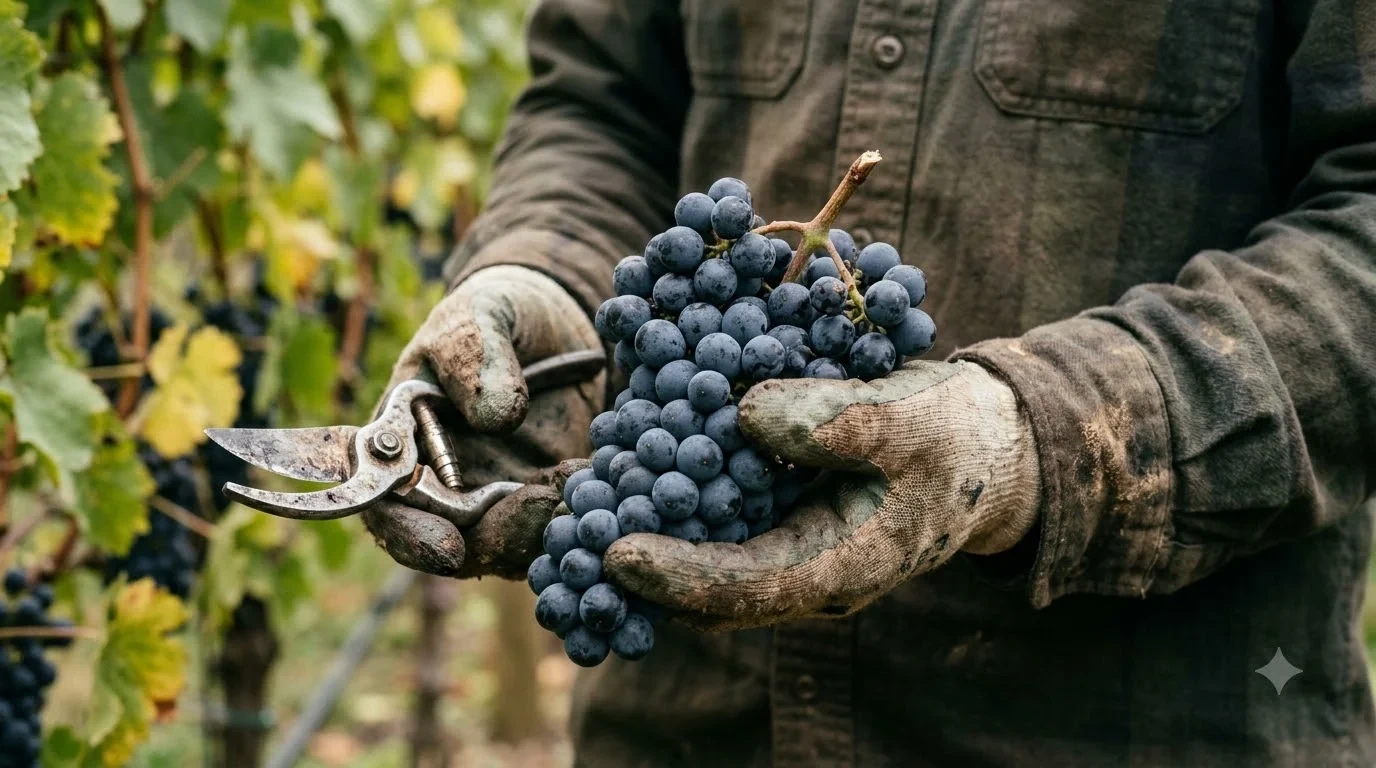
Willcox vineyards are planted on a high, arid basin in southeastern Arizona, where vines grow at more than 4,000 feet and about 85 percent of the state’s wine grapes come from the appellation. The region was approved as an American Viticultural Area in 2016 and is home to around 21 commercial vineyards and 18 wineries. Growers work with a wide mix of Rhône, Italian and classic European varieties, adapting each to a hot, dry climate with cool nights.
Few wine drinkers picture Arizona when they think of vineyards, yet the Willcox area has become one of the state’s most important grape-growing districts. This guide explains where the vineyards sit, what the climate asks of the vines, which grapes are planted, and how to get the most from wines from this region. It is written for readers who want a clear picture of an unusual wine area.
Where the Willcox Vineyards Sit
The Willcox American Viticultural Area is centered on the city of Willcox in southeastern Arizona. According to the Wikipedia entry on the Willcox AVA, the region was established on September 12, 2016, and it was the state’s second wine appellation. That official recognition gave local producers a defined area to build a shared identity.
The vineyards sit on a flat basin floor, mostly above 4,000 feet. The lowest point in the region is the Willcox Playa at about 4,135 feet, and the highest ground reaches roughly 4,700 feet near the foothills of the Chiricahua Mountains. The high elevation is one of the defining features of the district, because it sets up the temperature swings that help the grapes keep their balance.
A Hot, Dry Climate With Cool Nights
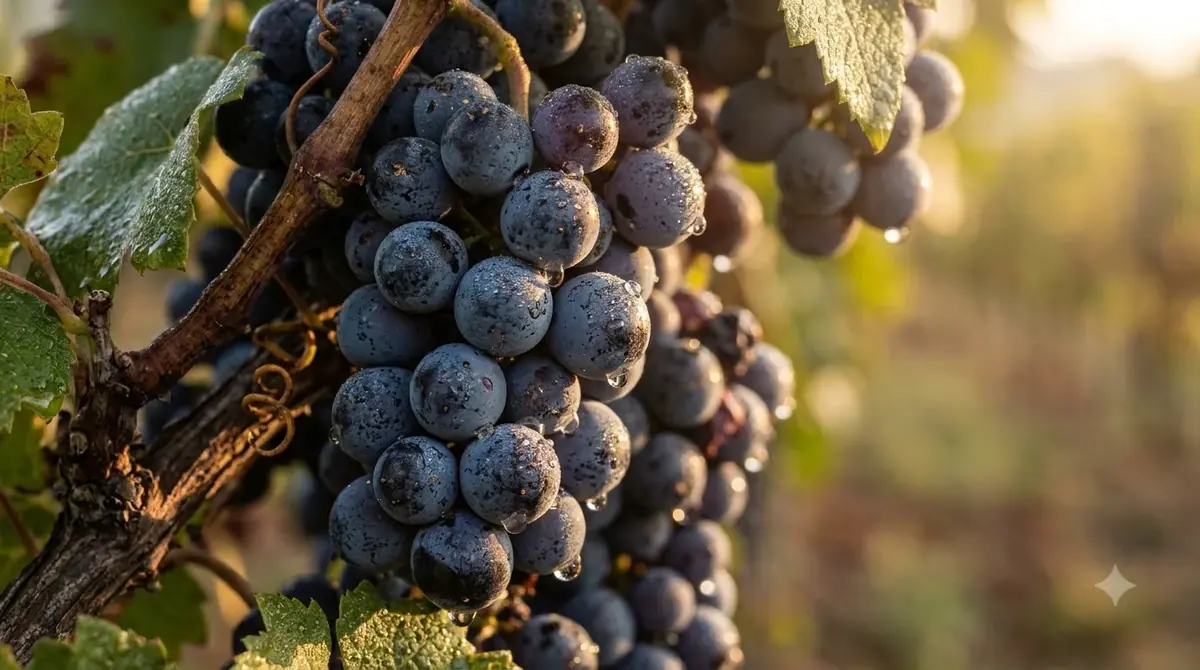
Southeastern Arizona is generally considered arid, and the Willcox area follows that pattern. The growing season runs about 192 days, and the region accumulates around 4,170 growing degree-days. Most of the rain falls during the July and August monsoon season, which means the rest of the year can be very dry. Growers depend on irrigation, and drip systems are common because the basin relies on wells and seasonal rainfall.
The high elevation brings cool nights, even when daytime temperatures are high. That difference between day and night helps grapes hold acidity while still ripening. The trade-off is early-spring frost risk, since sub-freezing nights can damage young shoots. Vineyard managers plan around that risk, and it is one reason the calendar of work here looks different from many other wine regions.
| Growing factor | Willcox detail | What it means for the wine |
|---|---|---|
| Elevation | Mostly above 4,000 feet | Cool nights that help preserve acidity |
| Growing season | About 192 days | Enough time for varieties from warm regions to ripen |
| Rainfall | Concentrated in July and August | Irrigation planning matters year-round |
| Frost risk | Possible in early spring | Vineyard work is timed around the risk |
Tip: When you read a Willcox label, check whether the wine says Willcox on the bottle. The appellation name tells you where the grapes were grown, which matters in a state where many wineries source fruit from different areas.
The Grapes Growers Plant
The Wikipedia summary lists about 25 grape varieties grown in the Willcox area. They fall into a few broad groups. Rhône-associated grapes include Syrah, Mourvèdre, Marsanne and Viognier. Italian varieties include Sangiovese, Nebbiolo, Trebbiano and Malvasia Bianca. A third group covers classic European and American varieties such as Cabernet Sauvignon, Merlot, Chardonnay, Riesling and Zinfandel.
That range reflects how winemakers in Arizona have approached the climate. Warm, dry conditions suit grapes that handle heat and high sugar, and the cooler nights help keep the wines from tasting flat. Many producers also experiment with blends, so a single bottle may combine varieties from different traditions.
Syrah and Other Reds From the Region
Syrah is one of the Rhône grapes that often stands out in warm climates. Wine Folly’s Syrah guide notes that wines from the United States tend to be fruit-driven and quite spicy, which matches the general picture of hot, dry districts. In practice, that means a Willcox Syrah may show ripe dark fruit and a peppery finish, with the structure shaped by the high-elevation nights.
Italian reds such as Sangiovese and Nebbiolo are also part of the story. These grapes ask for careful handling in warm conditions, and growers who work with them often focus on fruit quality and balance. If you enjoy food-friendly reds, a Willcox red from one of these grapes can be a useful reference point for comparing styles across regions. The Douro wine guide is another example of a region where structured reds are central to the local identity.
Whites and Rosé From the Basin
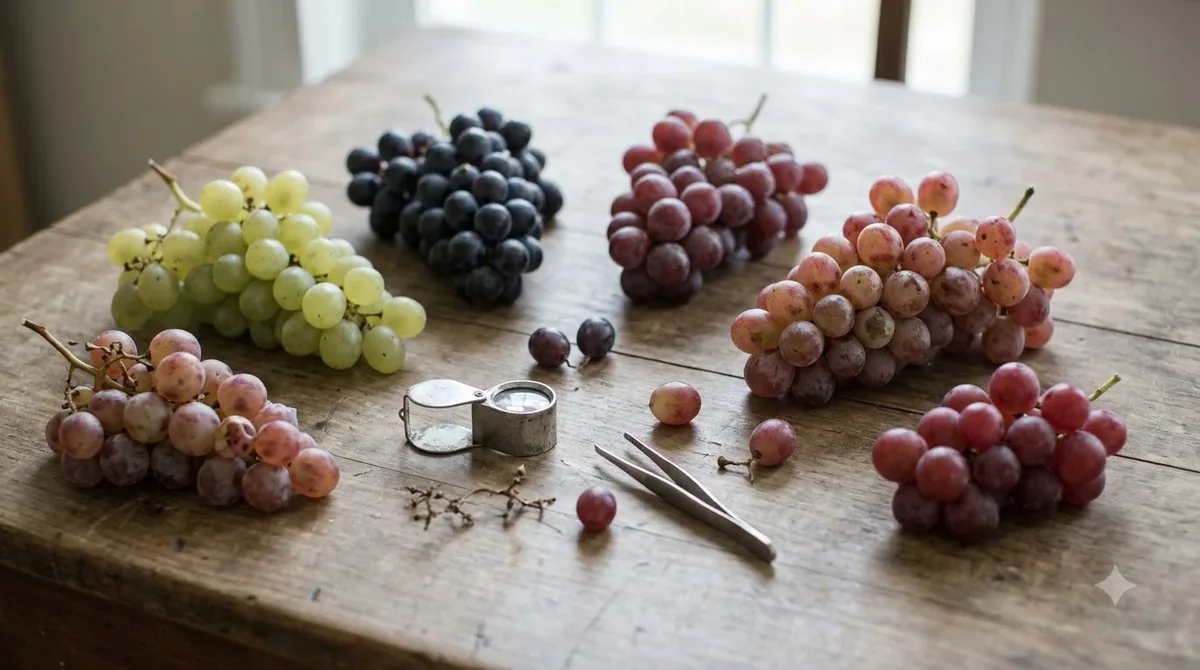
White wines from the region are just as varied. Viognier, Marsanne and Trebbiano show the Rhône and Italian side of the planting list, while Sauvignon Blanc, Chardonnay and Riesling cover more familiar styles. The high elevation can help white wines keep their freshness, which suits food pairing in a hot climate.
Because the district has many grape types, winemakers often produce a broad lineup. That can make it harder for a visitor to know where to begin, so tasting flights are a practical way to compare styles side by side. Ask which vineyard blocks or grape types go into each wine, and you will get a clearer picture of what the producer is trying to show.
Visiting and Buying Willcox Wine
The region is spread across a wide basin, so visitors usually plan a route rather than walking between estates. Tasting rooms and wineries vary in size and hours, and some are open only on certain days. Check each winery’s site before you go, and allow time to drive between stops, since the distances are longer than in a compact valley.
When buying a bottle, look for the producer’s name, the vintage and the appellation. Many estates explain their sourcing and recommended drinking windows on their websites. Store wines away from heat, since arid-region bottles are sometimes shipped through hot warehouses before they reach a shop.
Serving and Pairing Willcox Vineyard Wines
Serve reds a little cooler than a warm room and let young, structured bottles breathe in the glass. Whites are best chilled but not ice cold, which keeps their aromas open. Syrah and Italian-style reds pair well with grilled meats, roasted vegetables and firm cheeses, while the fresher whites suit salads, grilled fish and lighter plates. If you are building a broader reference, the wine regions guide helps place Arizona next to better-known areas.
Wines from new and unusual regions reward curiosity. Try a flight, note what surprises you, and compare the results with a familiar European bottle. That exercise will show you how much climate and elevation shape a wine’s character, even when the grape is the same.
Frequently Asked Questions
Where are the Willcox vineyards located?
The vineyards are in the Willcox American Viticultural Area in southeastern Arizona. The area is centered on the city of Willcox and sits on a high basin floor.
When did Willcox become a wine appellation?
According to the Wikipedia summary, the appellation was established on September 12, 2016, as the state’s second wine appellation.
What grapes grow in the Willcox area?
The region grows a wide mix of varieties, including Syrah, Mourvèdre, Sangiovese, Nebbiolo, Viognier, Chardonnay and Riesling, among about 25 types in total.
Is Willcox wine different from California wine?
Yes. Willcox is a higher-elevation, arid climate, which gives the wines a different balance. Cool nights help keep acidity while the days stay warm, so the wines often show a distinct character.
Willcox vineyards offer a useful lesson in how elevation and climate shape wine, even in a state that few people associate with grapes. Start with a Syrah or an Italian-style red, compare it with a white from the same basin, and pay attention to the vintage. Please drink responsibly, and plan visits and driving with care.
More in Wine Regions
 Willcox Wine Trail: Discover Arizona’s High-Elevation Wine CountryUpdated Nov 20, 2026
 Yakima Valley Wine Region: Find the Best Styles to TryUpdated Nov 20, 2026
 Vosne Romanee Wine Tasting: Identify Aromas and Choose Better PairingsUpdated Nov 20, 2026
 Yakima Valley Wine Festival: Find the Best Seasonal Wine EventsUpdated Nov 20, 2026
 Wales Vineyards: Discover Cool-Climate Wines and Where to VisitUpdated Nov 20, 2026
 Yountville Wine Festival: Discover Napa Wines and Local FoodUpdated Nov 20, 2026