

We may earn a commission when you buy through links on this page, at no extra cost to you. Learn more.
A port gift is an excellent choice for someone who enjoys rich, sweet wine, and an aged Tawny Port is one of the most versatile bottles to give. A 10-year-old Tawny offers an approachable introduction, while a 20-year-old or 30-year-old Tawny feels more substantial for an anniversary or milestone celebration. For someone who appreciates traditional wine collecting, Vintage Port or a Colheita from a meaningful year can make a more personal present.
Port has a natural association with celebrations, shared meals, and after-dinner occasions, but choosing the right bottle requires more thought than simply selecting the oldest-looking label. Ruby, Tawny, Vintage, and White Port offer different flavors, aging methods, and serving experiences. The recipient’s preferences, the occasion, and whether the wine will be opened immediately should guide the decision. This guide explains how to choose a thoughtful bottle, compare Port styles, and present it with confidence.
Who This Port Gift Guide Is For
A bottle of Port works particularly well for someone who appreciates dessert wines, traditional European wine regions, or leisurely after-dinner drinks. It is also a strong option for celebrations where a conventional bottle of Cabernet Sauvignon or Chardonnay might feel less distinctive.

Port makes sense for several types of recipients. A wine enthusiast might appreciate a Vintage Port from a meaningful harvest year, while someone who enjoys caramel, toasted nuts, and dried fruit may prefer an aged Tawny. A casual wine drinker who rarely buys fortified wine may find a 10-year-old Tawny or Reserve Ruby more approachable than a bottle requiring extensive preparation.
Consider the occasion before choosing the style. For a retirement, wedding anniversary, milestone birthday, or holiday gathering, an age-indicated Tawny offers a polished presentation and can be enjoyed without a complicated opening routine. For a birth-year celebration, Colheita or Vintage Port from the relevant harvest may provide a more personal connection.
Port is also suitable for hosts and food enthusiasts. A Ruby or Late Bottled Vintage (LBV) bottle complements a cheese course, chocolate dessert, or winter gathering. White Port offers another direction for someone who enjoys aperitifs and lighter drinks, particularly when served chilled or mixed with tonic water.
If the recipient enjoys wine but rarely drinks sweet styles, think carefully about the selection. Port is fortified and generally has considerably more sweetness and alcohol than ordinary dry table wine. A dry or extra-dry White Port may be a better starting point than a rich, full-bodied Vintage Port. For broader gifting ideas, the guide to best wine for gift can help compare Port with other wine categories.
Finally, consider whether the recipient has the equipment and space to enjoy the bottle. A mature Vintage Port may require a decanter and careful handling, whereas an aged Tawny is generally ready to serve straight from the bottle. A gift should feel enjoyable rather than like an assignment.
Key Factors to Compare Before Buying a Port Gift
The most important factors are the Port style, aging designation, occasion, and drinking timeline. Comparing these details helps narrow the selection without relying on an impressive-looking label alone.
| Port style | Typical aging or designation | Flavor profile | Best gifting occasion |
|---|---|---|---|
| Reserve Ruby | Selected wines blended before bottling | Dark berries, plum, chocolate | Casual celebrations and hosts |
| 10-Year Tawny | 10-year age indication | Caramel, nuts, dried fruit | Birthdays and general gifting |
| 20-Year Tawny | 20-year age indication | Toasted nuts, figs, spice | Anniversaries and milestone occasions |
| 30-Year Tawny | 30-year age indication | Complex dried fruit, coffee, caramel | Major celebrations and collectors |
| LBV | One harvest, generally 4–6 years in wood | Black fruit, chocolate, concentrated richness | Dessert lovers and dinner hosts |
| Vintage Port | One declared harvest, followed by bottle ageing | Dark fruit, spice, evolving complexity | Important anniversaries and collectors |
| Colheita | One harvest, at least 7 years in wood | Caramel, nuts, dried fruit | Birth-year and anniversary gifts |
| White Port | Ranges from youthful to aged styles | Citrus, orchard fruit, nuts, honey | Aperitif enthusiasts and summer hosts |
These categories are not interchangeable. A 20-year-old Tawny is an age-indicated blend rather than a wine produced entirely from grapes harvested 20 years earlier. The designation describes the wine’s approximate age profile and style. A 1990 Colheita, by contrast, refers to a specific harvest and subsequent maturation in wood.
The distinction matters because a recipient interested in a particular birthday year may appreciate a Colheita more than an age-indicated Tawny. Someone who simply wants a mature, ready-to-drink bottle may prefer the consistency and convenience of a 20-year-old Tawny.
Producer reputation is another useful consideration. Established Port houses offer recognizable labels and a range of styles, making it easier to select something appropriate. However, the producer name should not replace attention to the actual category, vintage, and maturation method.
Presentation can also influence the decision. A wooden presentation box, gift carton, or carefully packaged bottle can make an appropriate selection feel more complete. For Vintage Port, investigate bottle condition and storage history, especially when purchasing an older bottle. A beautifully presented bottle with questionable provenance is not a better gift than a well-preserved bottle in ordinary packaging.
Tip: If you do not know the recipient’s preferred Port style, start with a 10-year-old Tawny. It offers developed flavors, requires little preparation, and is generally easier to enjoy soon after receiving it than a bottle of Vintage Port.
Step-by-Step: How to Choose the Right Port Gift
A reliable selection process starts with the recipient rather than the bottle. Follow these steps to match the wine to the occasion, expected drinking date, and level of wine knowledge.
-
Identify the recipient’s flavor preferences.
Someone who enjoys dried figs, toasted almonds, walnuts, and caramel will probably appreciate Tawny Port. A person who prefers blackberry, plum, cherry, and dark chocolate may enjoy Ruby or Vintage Port. If they usually drink lighter white wines, consider White Port instead.
-
Decide whether the wine will be opened soon.
For an upcoming dinner or birthday celebration, choose a ready-to-drink Tawny, Reserve Ruby, or appropriately filtered LBV. For a bottle intended to be stored for a future occasion, investigate Vintage Port and its recommended cellaring conditions.
-
Match the designation to the importance of the occasion.
A 10-year-old Tawny suits ordinary birthdays and host gifts. A 20-year-old Tawny is a more substantial option for an anniversary or retirement. A 30-year-old Tawny or carefully selected Vintage Port can suit a major family milestone.
-
Consider whether a specific year matters.
For a birth-year present, compare Colheita and Vintage Port from the relevant harvest. Remember that Colheita is matured in wood, while Vintage Port develops through bottle ageing. Their flavors and drinking requirements are different even when the harvest year is identical.
-
Research the producer and bottle condition.
Choose an established Port producer with clear information about the category and maturation. When buying older bottles, pay attention to storage, fill level, cork condition, packaging, and the seller’s handling practices.
-
Plan the presentation.
Use an appropriate gift carton or presentation box and include a short note explaining why the particular style was selected. If the wine needs decanting, a suitable decanter can make a useful accompanying gift.
-
Include serving and pairing suggestions.
Tell the recipient whether the bottle should be chilled, decanted, or served immediately. Suggest an appropriate pairing such as Stilton with Vintage Port, dark chocolate with Ruby Port, or toasted nuts with Tawny Port.
This approach prevents a common gifting problem: choosing a prestigious or expensive-looking bottle that does not suit the recipient’s tastes. The right Port is the one that fits the occasion and gives the recipient a clear reason to enjoy it.
For more information about selecting bottles across different wine categories, explore the site’s Wine Buying Guides.
Port Types and Styles Explained for Gift Buyers
Port styles are primarily distinguished by their maturation methods and resulting flavors. Ruby styles emphasize youthful fruit, Tawny styles develop through oxidative ageing, Vintage Port matures in bottle, and White Port provides a different expression of the Douro’s fortified wine tradition.
Ruby Port: Fruit-Forward and Approachable
Ruby Port is generally a good option for recipients who enjoy rich, dark fruit flavors. It is protected from excessive oxidation during maturation, helping preserve its deep red color and youthful character. Black cherry, blackberry, plum, and chocolate are common flavor associations.
Reserve Ruby is a useful step up from basic Ruby for gifting. It generally offers a more selected blend and a richer impression without requiring the recipient to understand vintage classifications or bottle ageing. It is suitable for casual celebrations, chocolate desserts, and cheese boards.
Tawny Port: A Versatile Gift for Special Occasions
Tawny Port is among the strongest gifting choices because its barrel maturation develops a recognizable combination of dried fruit, caramel, toasted nuts, and spice. The wine gradually develops a tawny or amber appearance through oxidative ageing.
A 10-year-old Tawny is an accessible introduction to the style. It provides mature flavors without being too specialized for someone who drinks Port occasionally. A 20-year-old Tawny generally offers more developed character and a more substantial presentation, making it particularly appropriate for an anniversary or significant birthday.
A 30-year-old or 40-year-old Tawny can suit an important celebration for someone who already appreciates fortified wine. These bottles are often associated with greater complexity and a more contemplative drinking experience. However, the age designation represents an average style of blended wines rather than a guarantee that every component is exactly that age.
Late Bottled Vintage: Concentrated Flavor Without a Long Wait
LBV Port comes from a single harvest and generally spends four to six years ageing in wood before bottling. It offers concentrated fruit and a fuller structure, providing an interesting middle ground between everyday Ruby and traditional Vintage Port.
Its suitability as a gift depends partly on filtration. Filtered LBV is generally ready to pour without sediment-related preparation. Traditional unfiltered LBV may develop sediment and can benefit from decanting. This distinction is useful when selecting a bottle for someone who does not own a decanter.
Vintage Port: A Gift for Collectors and Milestones
Vintage Port is made from a single declared harvest and is bottled relatively young before developing in the bottle. It is associated with long-term ageing, concentrated fruit, firm structure, and the ability to evolve over many years.
It can be an especially meaningful gift for an important birthday or anniversary when the harvest year has a personal connection. However, Vintage Port is less convenient than Tawny because it may require careful storage, upright settling, and decanting to remove sediment. It is best suited to someone who enjoys wine preparation and has appropriate storage.
Colheita and White Port: Distinctive Alternatives
Colheita is a Tawny-style Port from a single harvest, aged in wood before release. It offers a useful alternative when the recipient values a particular year but prefers the mellow, nutty character of barrel-aged wine. It should not be confused with Vintage Port, which develops differently through bottle maturation.
White Port offers a more unusual gift option. It is produced from white grapes and can range from dry to sweet, with youthful versions often showing citrus and orchard-fruit characteristics. Aged White Port may develop honeyed, nutty, and dried-fruit notes. Dry White Port is particularly suitable for an aperitif enthusiast who enjoys chilled drinks or Port and tonic.
Readers interested in the differences between drier fortified styles can also explore dry port before making a final selection.
Common Mistakes When Buying Port as a Gift
The biggest mistakes involve confusing age statements, assuming every Port needs long-term cellaring, and overlooking the recipient’s sweetness preferences. A few basic distinctions can prevent an otherwise thoughtful present from becoming difficult to enjoy.
Assuming Older Always Means Better
A 40-year-old Tawny is not automatically the best choice for every recipient. Someone who prefers fresh blackberry and plum flavors may find a younger Ruby or LBV more appealing. Meanwhile, a seasoned Port enthusiast may value a mature Tawny for its subtle aromas and developed texture.
Choose age according to taste and occasion, not as a substitute for understanding the wine. The number on an age-indicated Tawny label describes a blended age category rather than the harvest year.
Confusing Vintage Port With Colheita
Both wines can carry a specific year, but their production methods differ. Vintage Port is bottled young and continues developing in the bottle. Colheita spends an extended period ageing in wood, developing oxidative flavors before release.
For someone who wants to open the bottle soon, Colheita can be an appealing alternative. Vintage Port is more appropriate for someone who appreciates its traditional cellar potential and understands the extra preparation involved.
Buying a Bottle Without Considering Sweetness
Port is generally sweeter and more alcoholic than dry table wine. However, White Port includes dry and extra-dry expressions, so not every bottle offers the same level of sweetness. A person who normally drinks Sauvignon Blanc or dry sparkling wine may find a dry White Port more familiar than a rich Ruby or Tawny.
Do not assume that the recipient enjoys dessert wine simply because they enjoy red wine. If their preferences are unknown, a more versatile selection and a brief explanation of the wine’s sweetness are useful.
Choosing Vintage Port Without Considering Preparation
Vintage Port often contains natural sediment, particularly after extended bottle ageing. The bottle may need to stand upright before opening, followed by careful decanting. A recipient who expects to open the wine immediately at a dinner party may find this inconvenient.
For a simple, ready-to-serve present, a Tawny or filtered LBV is generally a more practical choice. If Vintage Port is the intended gift, provide a short serving note and consider including a decanter.
Ignoring Storage and Bottle Condition
An older Port should come from a seller who can explain how the bottle was stored. Excessive heat, temperature fluctuations, damaged corks, and poor storage conditions can compromise the wine.
For Vintage Port, inspect the fill level, capsule, cork area, and general condition. A historical vintage is not necessarily a sound bottle. Provenance is especially important when the gift is intended for a collector or a major celebration.
Forgetting That Presentation Should Match the Recipient
Not everyone needs an elaborate presentation box or additional accessories. A straightforward bottle with a thoughtful note may be more appropriate for a casual host than an elaborate collector-style presentation. For a formal milestone, coordinated packaging and a suitable decanter can make the present feel more complete.
Also avoid adding food without considering the wine’s style. Very sweet desserts can overwhelm an already sweet Port, while a strong blue cheese or dark chocolate may provide a more balanced pairing.
Port Gift Care, Storage, and Serving Tips
A well-chosen bottle deserves appropriate storage and serving. The main distinction is between Tawny and Ruby styles that are generally ready to drink after bottling and Vintage Port that can continue developing in the bottle.
Storing an Unopened Bottle
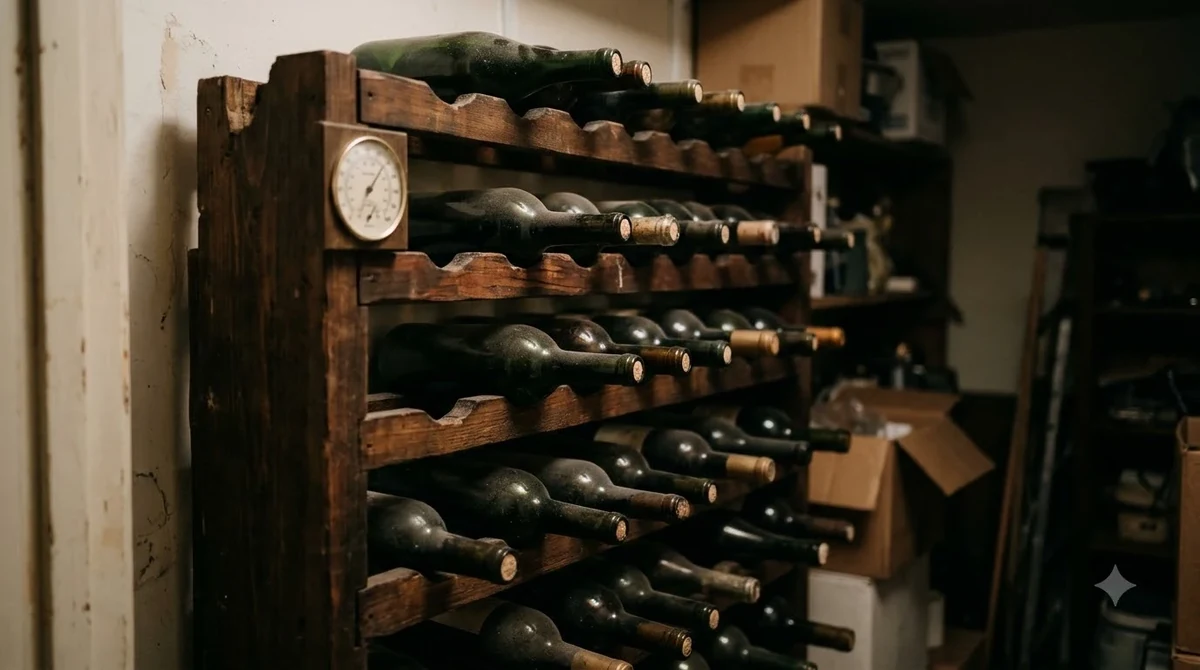
For bottles intended for longer storage, a cool, dark, and relatively stable environment is important. A temperature near 55°F is a useful general target for wine storage, with minimal temperature fluctuation and no direct sunlight. Bottles with natural corks intended for extended ageing are generally stored on their sides to help keep the cork from drying out.
Vintage Port is the main category in this guide for which extended bottle ageing is an important part of the wine’s character. Most age-indicated Tawny Port, Reserve Ruby, and ordinary LBV are purchased to enjoy rather than to improve through decades of additional storage. A gift recipient should not assume that a 20-year-old Tawny needs another 20 years in a cellar.
Serving Temperatures
Port generally benefits from being served slightly cooler than an ordinary room-temperature red wine. The appropriate temperature varies by style and age.
- Tawny Port: Approximately 55–58°F for a refreshing but aromatic serving.
- Young Ruby Port: Approximately 60–64°F to retain its fruit character.
- Vintage Port: Approximately 60–64°F for a balanced expression of its aromas and structure.
- White Port: Serve chilled, with the precise temperature depending on whether the style is dry, sweet, or aged.
These recommendations follow the serving guidance from Premium Port Wines. For additional background on how Port styles differ in production and maturation, see the WSET explanation of Port wine. Avoid serving Vintage Port too warm: its educational guidance cautions that temperatures of 68°F or higher can make its aromatic balance less appealing.
Decanting Vintage Port
Vintage Port can develop sediment during bottle ageing because it is generally bottled without filtration. This deposit is natural and does not automatically mean the wine is defective. Decanting separates the wine from the sediment and helps prepare it for serving.
Premium Port Wines recommends opening and decanting Vintage Ports younger than 40 years approximately two to three hours before drinking. For bottles older than 40 years, a shorter period of approximately 30 minutes to one hour is recommended because older wines can be more fragile.
Stand a younger Vintage Port upright for approximately 10 to 15 minutes before decanting. For older bottles, allow up to 30 minutes. Pour gently into a decanter and stop when sediment approaches the bottle neck. Older wines should be handled particularly carefully to avoid disturbing the deposit or unnecessarily exposing delicate aromas to air.
Glassware and Food Pairings
Port is often served in smaller quantities than ordinary table wine because it is fortified and concentrated. A traditional Port glass or an 8–10-ounce white wine glass provides room for aromas to develop while allowing a manageable serving.
Ruby, LBV, and young Vintage Port pair naturally with dark chocolate and strong blue cheeses such as Stilton. Their dark fruit and sweetness can complement the intensity and saltiness of these foods.
Tawny Port is a particularly good partner for toasted nuts, pecan desserts, dried fruit, and caramel-based sweets. A 20-year-old Tawny can also be served on its own after dinner, allowing its developed nutty and oxidative flavors to remain the focus.
Keeping Port After Opening
Opened Port does not have one universal storage life. The style, age, exposure to oxygen, and storage conditions all matter. Tawny Port generally keeps longer after opening than Vintage Port because it has already experienced extended oxidative ageing in wood.
Premium Port Wines indicates that Tawny can remain fresh for months after opening, while young Ruby can retain freshness for approximately six to eight weeks under suitable conditions. Vintage Port is considerably more delicate and is best enjoyed within a day or two after opening, with very old bottles potentially losing freshness even faster.
Use a suitable closure and keep opened bottles in appropriate cool storage. Refrigeration is a practical option for preserving many opened Port styles, particularly White and Tawny. Allow a bottle to approach its recommended serving temperature before pouring.
For a gift intended to be enjoyed across several evenings, Tawny is usually the more convenient option. Vintage Port is better suited to a planned gathering where the bottle can be shared soon after opening.
Frequently Asked Questions
Is Port wine always made in Portugal?
Authentic Port is associated with the demarcated Douro wine region in Portugal and is protected by its geographical designation. The name is not simply a general description for any sweet fortified wine. Other countries produce fortified wines using different regional names and production traditions.
Does a Port gift need a special corkscrew?
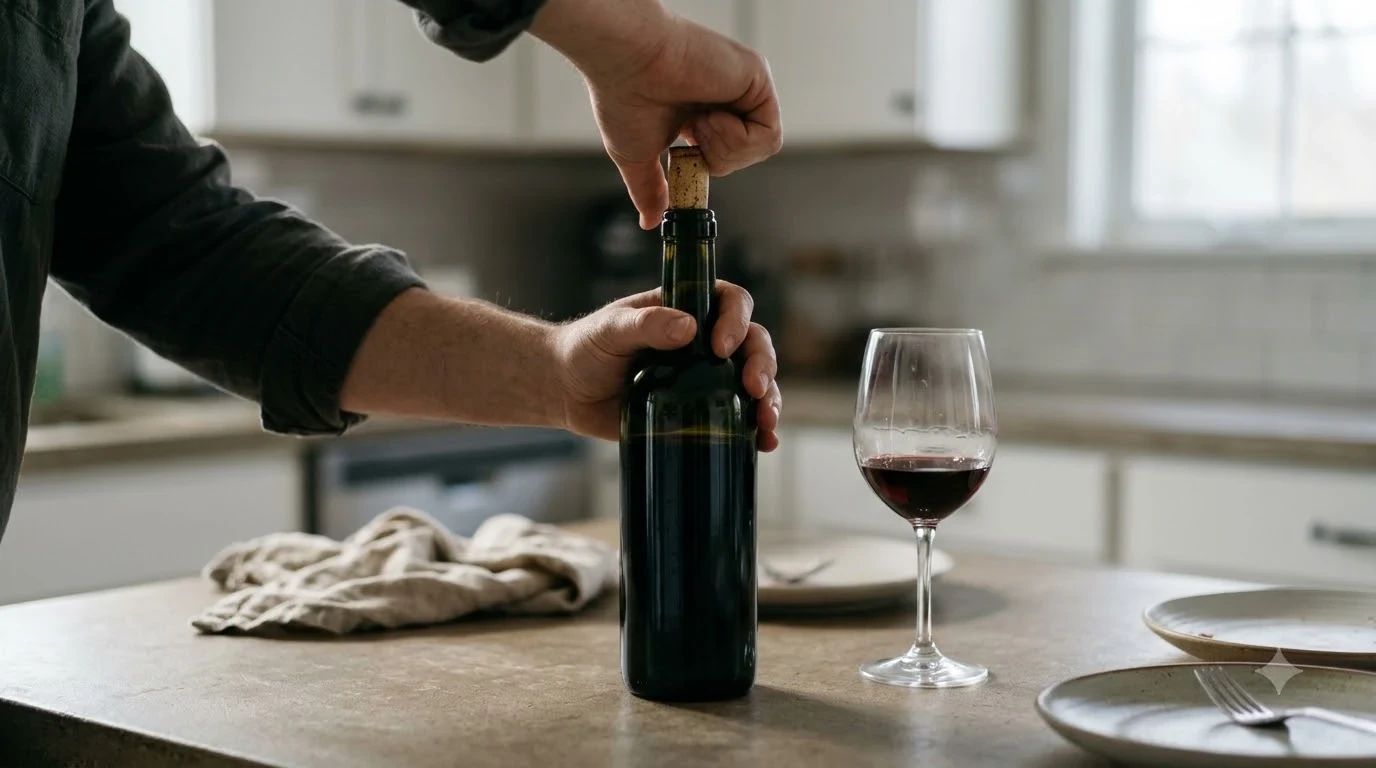
Most standard Port bottles can be opened with a suitable corkscrew, but very old Vintage Port may have a fragile cork. Traditional Port tongs are another option used by experienced collectors to open bottles with heat rather than pulling an aged cork. They are specialized equipment rather than a requirement for ordinary Tawny or Ruby bottles.
Can Port be used to make cocktails?
Yes. Dry White Port is particularly suitable for a Port and tonic, often called a Portonic. A common preparation combines one part White Port with two parts tonic water over ice, with citrus as a garnish. This is a useful way to introduce someone to Port outside the traditional after-dinner setting.
What does LBV stand for on a Port label?
LBV means Late Bottled Vintage. The designation identifies Port made from a single harvest and aged in wood longer than traditional Vintage Port before bottling. The bottling date and filtration status can help explain how the wine should be served and whether it may contain sediment.
Can a bottle of Port be given without knowing the recipient’s birthday or anniversary year?
Absolutely. An age-indicated Tawny is a practical choice because it does not depend on matching a particular harvest year. A 10-year-old or 20-year-old Tawny can communicate a sense of occasion without requiring the recipient to celebrate a specific birth year or historical event.
The best Port gift combines the recipient’s taste with the occasion and the bottle’s intended drinking timeline. A 10-year-old Tawny is a dependable starting point, while 20-year-old Tawny, Colheita, and Vintage Port offer more distinctive choices for major celebrations. Pay attention to style, producer, bottle condition, and serving requirements, and the result will be a thoughtful present that can be enjoyed long after the occasion itself.
More in Wine Buying Guides
 Cheap Red Blend: How to Find a Flavorful Bottle for LessUpdated Nov 20, 2026
 Pinot Grigio Gift: How to Choose a Bottle They’ll EnjoyUpdated Nov 20, 2026
 Best White Wine at Total Wine for Every MealUpdated Nov 20, 2026
 Wine Fridge Replacement Shelves: Find the Right FitUpdated Nov 20, 2026
 Best Sparkling Wine Under 20: Find Bubbles Worth BuyingUpdated Nov 20, 2026
 Best Wine For Birthday Celebrations With Perfect Party PairingsUpdated Nov 20, 2026