

We may earn a commission when you buy through links on this page, at no extra cost to you. Learn more.
A Brut traditional-method bottle—such as non-vintage Champagne, Spanish Cava, or French Crémant—is the safest and most versatile sparkling wine gift for almost any occasion. Brut styles contain less than 12 grams per liter of residual sugar, striking a crisp balance that pleases both dry-wine fans and casual drinkers. Matching the production method and sweetness tier to the recipient guarantees a bottle that feels celebratory and pairs easily with food.
Buying bubbly for someone else often feels intimidating because labels rely on French, Italian, and Spanish terms that say little about how the wine actually tastes. Understanding how bubbles are formed, how sweetness is measured, and what regional styles bring to the glass turns guesswork into an intentional choice.
Who This Sparkling Wine Gift Guide Is For
This buying guide helps shoppers select a memorable bottle for hosts, colleagues, newlyweds, milestone birthdays, and holiday gatherings without needing to memorize hundreds of producers. Whether the recipient collects aged cellar bottles or simply enjoys a cold glass at brunch, matching the wine’s structure to the occasion makes the present feel personal.
Different celebrations call for distinct levels of complexity and formality. A housewarming party or weekend brunch benefits from a bright, fruit-forward bottle that opens easily for a crowd, whereas a milestone anniversary or executive thank-you calls for extended bottle aging and recognizable regional prestige. Exploring Wine Buying Guides helps clarify how regional rules shape quality before stepping into a wine shop.
Gift buyers also face the practical challenge of unknown palates. Choosing a style with balanced acidity and moderate fruit avoids extremes—such as bone-dry zero-dosage cuvées or syrupy dessert sparklers—unless the recipient specifically loves those profiles. Focusing on grape varieties, aging time, and dosage levels ensures the bottle fits the moment.
Key Factors to Compare Before You Buy
Four technical traits determine the flavor, texture, and gifting impression of any sparkling bottle: production method, sweetness level, grape composition, and lees aging duration. Comparing these specifications side by side reveals why two bottles sitting next to each other on a shelf can taste completely different.
| Sparkling Style | Primary Region | Production Method | Minimum Lees Aging | Bottle Pressure | Core Flavor Profile |
|---|---|---|---|---|---|
| Non-Vintage Champagne | Champagne, France | Traditional (in bottle) | 15 months | 5 to 6 atmospheres | Lemon zest, white peach, toasted brioche, almond |
| Vintage Champagne | Champagne, France | Traditional (in bottle) | 36 months (3 years) | 5 to 6 atmospheres | Baked apple, hazelnut, pastry, honeyed citrus |
| Spanish Cava (Standard) | DO Cava (95% Penedès), Spain | Traditional (in bottle) | 9 months | 5 to 6 atmospheres | Crisp lime, green apple, wet stone, faint toast |
| Prosecco DOC | Veneto & Friuli, Italy | Charmat (in tank) | No minimum required | About 3 atmospheres | Ripe pear, green melon, honeysuckle, white flowers |
| Crémant de Bourgogne | Burgundy, France | Traditional (in bottle) | 9 months | 5 to 6 atmospheres | Orchard fruit, chalky citrus, light biscuit |
Production Method and Bubble Texture
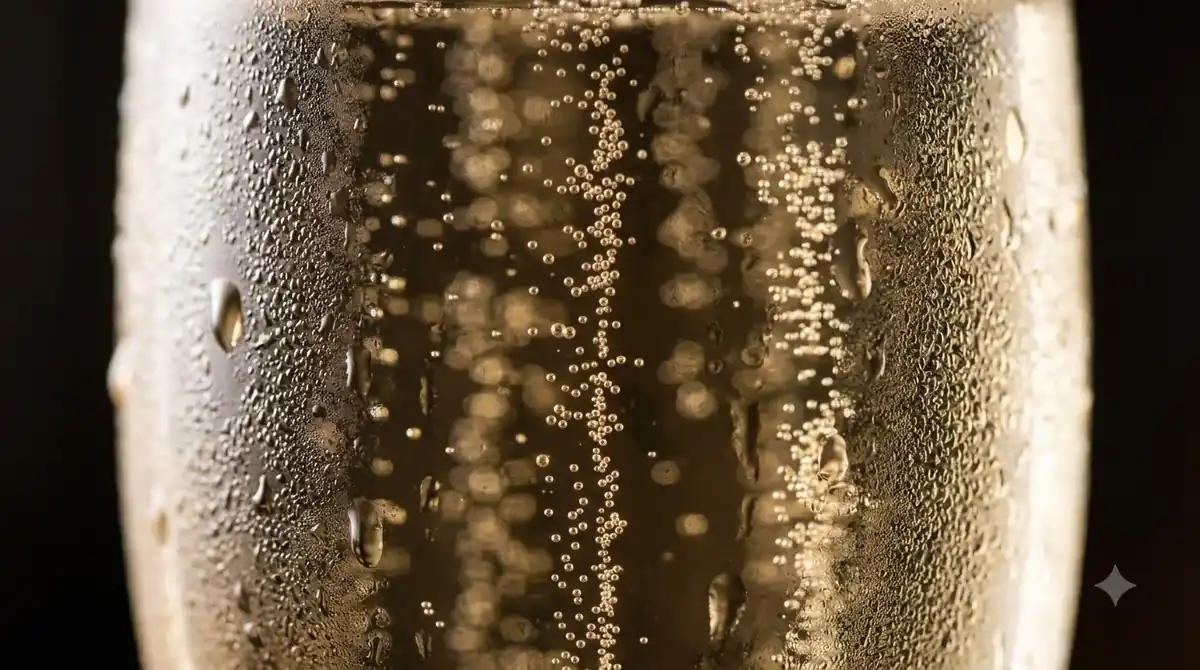
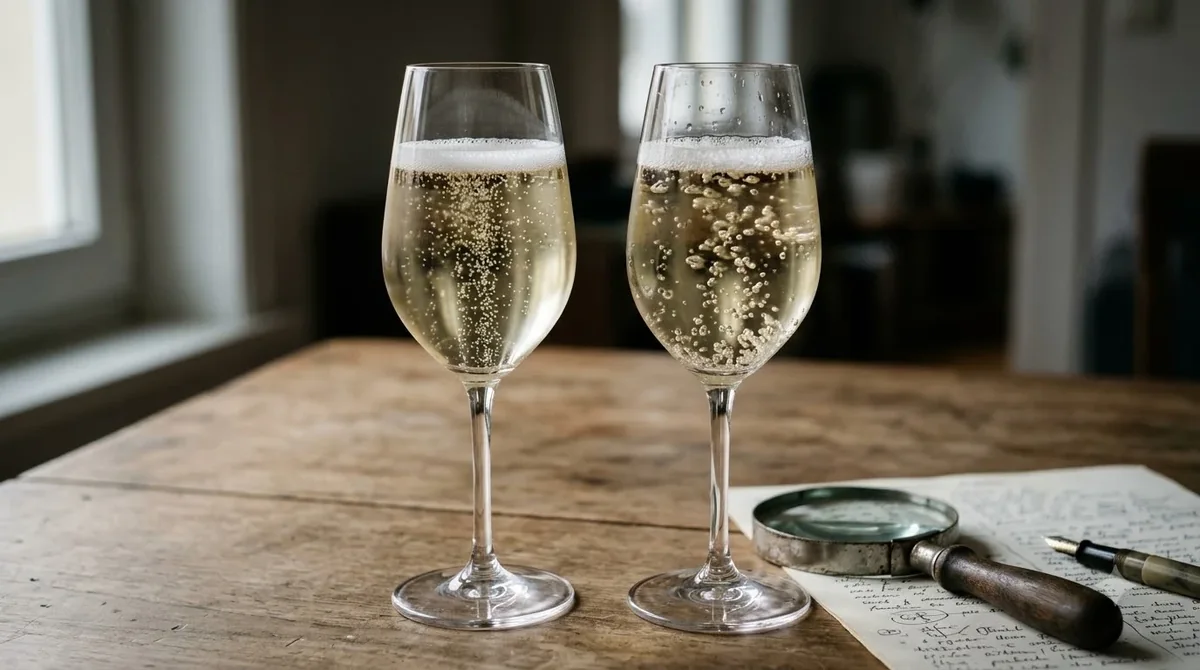
How carbon dioxide gets trapped in the wine controls both bubble size and mouthfeel. In the traditional method—used for Champagne, Cava, and Crémant—a still base wine undergoes its second fermentation inside the individual glass bottle. According to VinePair, traditional-method bottles build 5 to 6 atmospheres of pressure, producing tiny, persistent bubbles that feel creamy on the palate.
By contrast, the Charmat or tank method conducts secondary fermentation in large pressurized stainless-steel vats before bottling under pressure. Prosecco relies on this method, reaching roughly 3 atmospheres of pressure. The resulting fizz feels softer, frothier, and lighter, keeping fresh grape aromas front and center rather than toasted yeast notes.
Sweetness Levels and Dosage
Winemakers adjust final sweetness by adding a small mixture of wine and sugar called dosage right after removing spent yeast from the bottle. As detailed by Decanter, legal sweetness tiers run from driest to sweetest: Brut Nature (0 to 3 grams per liter of residual sugar), Extra Brut (0 to 6 g/L), Brut (under 12 g/L), Extra Dry (12 to 17 g/L), Dry or Sec (17 to 32 g/L), Demi-Sec (32 to 50 g/L), and Doux (over 50 g/L). Because sparkling base wines have high natural acidity, a Brut bottling tastes crisp and dry rather than sugary.
Tip: Do not let the words “Extra Dry” fool you at the register. In sparkling wine labeling, Extra Dry holds 12 to 17 grams per liter of residual sugar—noticeably sweeter and rounder than Brut, which caps residual sugar under 12 grams per liter.
Step-by-Step Process for Choosing a Sparkling Wine Gift
Following a structured five-step sequence eliminates shelf confusion and aligns every detail of the bottle with the person receiving it. Work through these decisions in order before picking a specific label.
- Identify the recipient’s everyday wine preference. Notice whether they usually pour crisp whites like Sauvignon Blanc, rich reds like Pinot Noir, or fruit-forward off-dry wines. Fans of high-acid white wines gravitate toward Chardonnay-based Blanc de Blancs, while red-wine drinkers appreciate the structure of Pinot Noir-dominant cuvées.
- Match the style to the celebration scale. Reserve prestige cuvées, Grand Cru bottlings, or single-vintage releases for major life milestones like weddings, retirements, or big promotions. For casual dinner invitations, host gifts, or group toasts, non-vintage Brut bottlings from Cava, Crémant, or California deliver lively refreshment without ceremony.
- Lock in the right sweetness tier. Choose Brut when the recipient’s palate is a mystery, as its under-12-grams-per-liter sugar level balances sharp acidity and suits appetizers through main courses. Step down to Extra Brut or Brut Nature only for seasoned enthusiasts who love tart, mineral-driven wines, or step up to Extra Dry and Demi-Sec for brunch and dessert lovers.
- Check the label for aging and producer clues. Look for aging tiers—such as Reserva (18 months) or Gran Reserva (30 months) on Cava, or vintage dates on Champagne—when gifting to someone who enjoys rich, toasty flavors. On Champagne bottles, small two-letter codes near the bottom edge show whether a large house (NM) or an independent estate grower (RM) crafted the wine.
- Consider bottle format and presentation. A standard 750 ml bottle pours about five 5-ounce glasses, making it ideal for couples or small dinners. If the gift is meant for a large party or milestone toast, stepping up to a 1.5-liter magnum provides ten pours and slows oxidation, keeping the wine fresher and more dramatic on the table.
Popular Sparkling Wine Styles Explained
Exploring the major regional and stylistic categories makes it easy to pick a bottle with a distinct personality. Each style below brings specific grapes, winemaking traditions, and food affinities to the gift box.
Champagne: Blanc de Blancs, Blanc de Noirs, and Rosé
Authentic Champagne comes exclusively from northern France and relies primarily on Chardonnay, Pinot Noir, and Pinot Meunier, with four rare heritage grapes—Arbane, Pinot Blanc, Petite Meslier, and Fromenteau—also permitted. According to Wine Folly, non-vintage Champagne requires at least 15 months of aging on the lees, while vintage Champagne requires a minimum of 3 years and frequently ages 5 to 10 years before release. Within the region, 17 villages hold Grand Cru status and 42 hold Premier Cru status, offering clear quality benchmarks on the label.
Grape selection divides Champagne into three unmistakable gift profiles. Blanc de Blancs uses 100 percent white grapes—almost always Chardonnay from chalky slopes like the Côte des Blancs—delivering laser-bright lemon, green apple, and chalky minerality. Blanc de Noirs uses 100 percent red-skinned Pinot Noir or Pinot Meunier pressed gently off the skins, creating a golden, full-bodied dry sparkling wine with red berry, spice, and savory depth. Rosé Champagne blends a small portion of still red Pinot Noir or Pinot Meunier into white base wine, yielding vibrant strawberry and raspberry fruit with crisp, low-tannin structure.
Spanish Cava and French Crémant
Pairing a Sparkling Wine Gift with Food and Occasions
Connecting a bottle to a specific meal or gathering turns an ordinary gift into an immediate experience for the host. Sparkling wine’s high natural acidity and lively carbonation scrub the palate between bites, making it far more adaptable at the dinner table than most still wines.
Match the weight and sweetness of the wine to the richness and sugar level of the dishes served. Crisp, high-acid Brut cuvées and Blanc de Blancs cut cleanly through salty, fried, and rich foods—such as oysters, triple-cream brie, roast chicken, or potato chips—because salt and fat soften sharp acidity while bubbles refresh the mouth. For main courses featuring duck, glazed ham, or wild mushrooms, a fuller-bodied Blanc de Noirs or Rosé Champagne brings enough red-fruit depth to stand alongside savory flavors without heavy tannins.
When gifting for dessert tables, fruit tarts, or spicy takeout, sweetness alignment prevents the wine from tasting harsh or metallic. A sparkling wine generally tastes best when it is at least as sweet as the dish beside it, which is why Demi-Sec (defined under EU rules and cited by Decanter at 32 to 50 grams per liter of residual sugar) or an aromatic sweet sparkling wine pairs gracefully with berry shortcake, wedding cake, or lightly spiced Asian appetizers. By contrast, serving bone-dry Brut Nature alongside sugary frosting makes the wine taste sour and thin.
Common Mistakes to Avoid When Buying Sparkling Wine
Even thoughtful gift buyers run into predictable pitfalls when browsing crowded wine shelves. Avoiding four common missteps protects both the flavor in the glass and the impression the gift makes.
- Assuming “Extra Dry” means drier than Brut: As noted in Decanter’s dosage breakdown, Extra Dry holds 12 to 17 grams per liter of residual sugar, whereas Brut caps sugar under 12 grams per liter. Buying Extra Dry for someone who asks for a dry wine often results in a noticeably sweeter bottle than intended.
- Overlooking bottle storage conditions in the store: Sparkling wine is sensitive to ultraviolet light and heat, especially when bottled in clear flint glass rather than dark green or amber glass. Avoid bottles displayed directly under bright fluorescent lights or near sunny storefront windows, which can cause “lightstruck” cabbage or wet-wool off-aromas.
- Defaulting to vintage bottles for casual gatherings: Under Comité Champagne rules, vintage Champagne must spend at least 36 months aging on its lees—and prestige cuvées often age even longer—creating complex nutty, toasted flavors suited to food and attentive sipping. For an energetic outdoor toast or casual brunch, a fresh non-vintage Brut or tank-fermented Prosecco tastes brighter and more crowd-pleasing.
- Forgetting bottle shape and wrapping constraints: Wider Burgundy-style and prestige cuvée bottles often do not fit inside standard slim gift bags or narrow wine boxes. Checking the base diameter before leaving the shop saves last-minute packaging headaches.
Storing, Chilling, and Serving Tips to Share with Your Gift
Including a quick care note on the gift tag helps the recipient enjoy the bottle at peak freshness. Proper storage and serving temperature preserve the carbonation, aroma, and crisp balance that the winemaker built into the cuvée.
For short-term keeping over a few weeks or months, store sparkling wine bottles on their side in a cool, dark spot around 55°F—the standard cellar temperature recommended by Wine Folly—so the cork stays moist and sealed against air ingress. Avoid leaving unopened bottles inside a standard kitchen refrigerator for months at a time, as low humidity can dry out natural corks and allow carbon dioxide to escape.
Before pouring, chill the bottle to the 38°F to 45°F range recommended by Wine Folly for sparkling wines—roughly two to three hours in a standard refrigerator or 20 to 30 minutes in a bucket filled with equal parts ice and cold water. Avoid leaving a sparkling bottle in the freezer to speed up cooling, because frozen wine expands and can push out the cork or shatter pressurized glass. Once opened, seal the bottle with a hinged sparkling wine stopper and refrigerate it upright to keep the bubbles lively for 1 to 3 days; additional practical advice on matching bottles to recipients appears in this guide to the best wine for gift occasions.
Frequently Asked Questions
What do the two-letter producer codes like NM and RM mean on a Champagne label?
According to Wine Folly, small two-letter codes printed near the bottom edge of a Champagne label identify who grew the grapes and made the wine. NM (Négociant Manipulant) indicates a house that buys grapes from growers to blend large, consistent cuvées, while RM (Récoltant Manipulant) signifies a grower-producer using at least 95 percent estate-grown fruit for a terroir-driven style.
Which Champagne villages hold Grand Cru status for gift-worthy bottles?
Wine Folly notes that the Champagne region classifies 17 communes as Grand Cru and 42 communes as Premier Cru based on historical vineyard quality. Ten of those Grand Cru villages sit in the Pinot Noir-focused Montagne de Reims, while six are located in the Chardonnay-dominant Côte des Blancs.
How many standard glasses of sparkling wine are in a 750 ml bottle?
Per standard U.S. metric conversions (750 ml equals roughly 25.4 fluid ounces), one bottle yields five 5-ounce pours or six 4-ounce celebratory toast pours.
Can sparkling wine be served in regular white wine glasses instead of flutes?
Yes, tulip-shaped sparkling glasses or standard white wine glasses actually showcase complex, lees-aged wines better than narrow flutes. A wider bowl gives toasted brioche, orchard fruit, and floral aromas room to open up while still funneling bubbles toward the nose.
What is the safest way to open a chilled bottle of sparkling wine?
According to Wine Folly’s serving guide, keep one hand firmly over the cork from the moment you untwist the wire cage (typically six half-turns) until the cork separates from the neck. Hold the bottle at a 45-degree angle and twist the base of the bottle rather than the cork, easing it out with a quiet sigh instead of a loud pop that wastes carbonation.
Selecting a memorable sparkling wine gift comes down to three clear checks: match the production method to the occasion, choose Brut when sweetness preferences are unknown, and look for aging or regional cues that suit the recipient’s palate. Whether you pick a lively Spanish Cava for a weekend host or a Grand Cru Blanc de Blancs for a milestone toast, thoughtful alignment helps make every glass feel special.
More in Wine Buying Guides
 Cheap Red Blend: How to Find a Flavorful Bottle for LessUpdated Nov 20, 2026
 Pinot Grigio Gift: How to Choose a Bottle They’ll EnjoyUpdated Nov 20, 2026
 Best White Wine at Total Wine for Every MealUpdated Nov 20, 2026
 Wine Fridge Replacement Shelves: Find the Right FitUpdated Nov 20, 2026
 Best Sparkling Wine Under 20: Find Bubbles Worth BuyingUpdated Nov 20, 2026
 Best Wine For Birthday Celebrations With Perfect Party PairingsUpdated Nov 20, 2026