

We may earn a commission when you buy through links on this page, at no extra cost to you. Learn more.
The cabernet sauvignon grape is a thick-skinned red variety that makes full-bodied, tannic wines with black fruit, firm structure, and good aging potential. It originated in France and now grows in Bordeaux, California, Australia, Chile, and many other regions. Its flavors shift with climate, from blackcurrant in cool areas to jammy fruit in hot ones.
This guide explains where the cabernet sauvignon grape came from, what its vines and berries need, how climate changes its flavor, and where it grows best. It is written for readers who want to understand the grape itself, not just a single bottle.
Where the cabernet sauvignon grape comes from
Cabernet sauvignon is one of the most famous red grapes in the world, and its story starts in France. It is generally traced to Bordeaux, which is part of the historic Aquitaine region. The name is often translated as “wild Cabernet,” which reflects the grape’s bold character and its rugged vine habits.
Modern DNA research has settled the question of its parentage. Studies at UC Davis showed that cabernet sauvignon is a cross between Cabernet Franc and Sauvignon Blanc. Earlier theories that linked it to ancient Roman varieties or to Rioja were not supported by this evidence. The cross likely happened by chance in France in the seventeenth century, and the grape spread from there.
Vine and berry traits
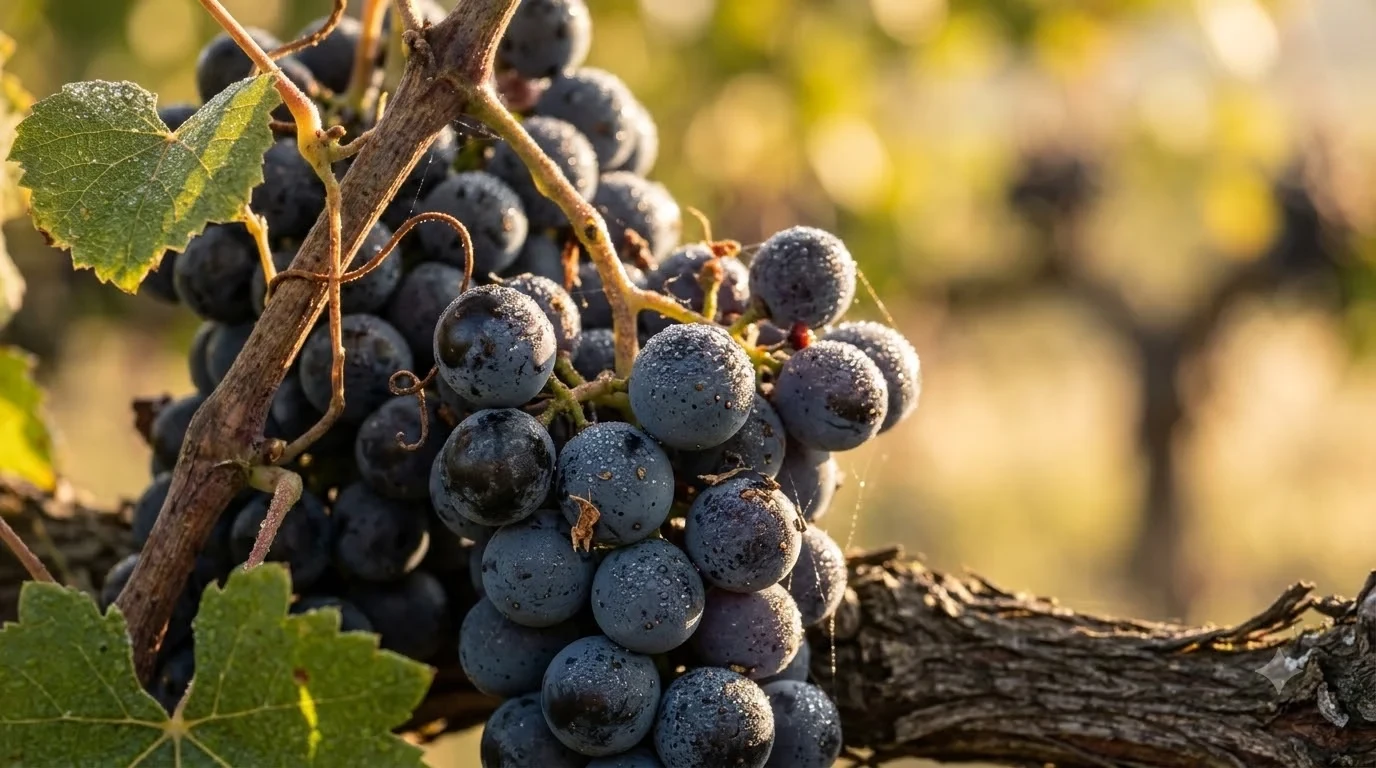
The grape’s physical traits explain much of its style. The berries are small and have thick skins, and the seeds make up a large share of each berry. This combination gives the wine high levels of phenols and tannins, which are the compounds that create structure, color, and the drying sensation on the palate.
The vines are hardy and naturally low-yielding. They bud late in spring, which helps them avoid spring frost. The grape ripens late in the season, usually one to two weeks after Merlot and Cabernet Franc. That late ripening is why the grape needs a warm climate or a long growing season to reach full flavor.
Vigor is a challenge. Vines can overproduce if they are not managed, and growers control this with rootstock choice, careful pruning, and green harvesting. Cabernet sauvignon also has some disease weaknesses, including susceptibility to powdery mildew, so vineyard care matters as much as the site itself.
Where cabernet sauvignon grows
The grape is planted widely, but its best-known regions share a warm climate and well-drained soils. Each area produces a noticeably different style, which is why a bottle’s origin often says as much as the grape name does.
| Region | Typical style | Notes |
|---|---|---|
| Bordeaux, France | Structured, earthy, graphite notes | Gravel soils in the Medoc and Graves, mostly blended |
| Napa Valley and Sonoma, California | Ripe black fruit with rich oak | Famous for bold, concentrated bottles |
| Coonawarra and Margaret River, Australia | Dark fruit, mint, and eucalyptus | Cooler parts of the country suit the grape well |
| Maipo and Colchagua, Chile | Ripe fruit with approachable tannins | Often noted for good value |
| Columbia Valley, Washington | Balanced fruit and fine tannin | Widely planted red grape in the state |
How climate changes the flavor
Climate shapes this grape more than almost any other red variety. In cool regions, the wine shows blackcurrant, green bell pepper, and herbal notes. Those green flavors come from compounds called pyrazines, which build up when grapes do not fully ripen. Some drinkers like this character, while others find it sharp.
In moderate climates, the fruit moves toward black cherry, olive, and cedar, with a balanced structure. In hot climates, the grapes can over-ripen, and the wine can taste jammy, stewed, or heavy. Winemakers in hot areas often pick earlier or use cooler vineyard sites to keep the balance.
How cabernet sauvignon is used in wine
Many of the world’s best cabernet sauvignon wines are blends. In Bordeaux, the grape is combined with Merlot, Cabernet Franc, and other varieties to create a structured wine with depth. Blending lets winemakers balance tannin, acidity, and fruit from different plots. In California and elsewhere, many bottles are single varietal wines, labeled with the grape name and the vineyard area.
Oak is another important tool. Cabernet sauvignon takes well to new and used oak, which adds vanilla, baking spice, and toast. Mint, eucalyptus, tobacco, and, with age, cedar and pencil shavings can also develop. The amount of oak used can change a wine from fresh and direct to rich and round.
Serving and decanting cabernet sauvignon
Cabernet sauvignon is usually served at a cellar temperature. The Wine Folly grape guide gives a serving range of 60 to 68 degrees Fahrenheit, which keeps the tannins smooth and the fruit focused. Serving it too warm can make the wine taste heavy and alcoholic.
Decanting is recommended for young, firm bottles. The same guide suggests decanting for about one hour, which allows the tannins to soften and the aromas to open. A large red wine glass with a wide bowl gives the wine room to breathe in the glass as well.
Tip: If a young cabernet sauvignon tastes tight or dry, give it more time in a decanter or in the glass before judging it.
Food pairings for cabernet sauvignon
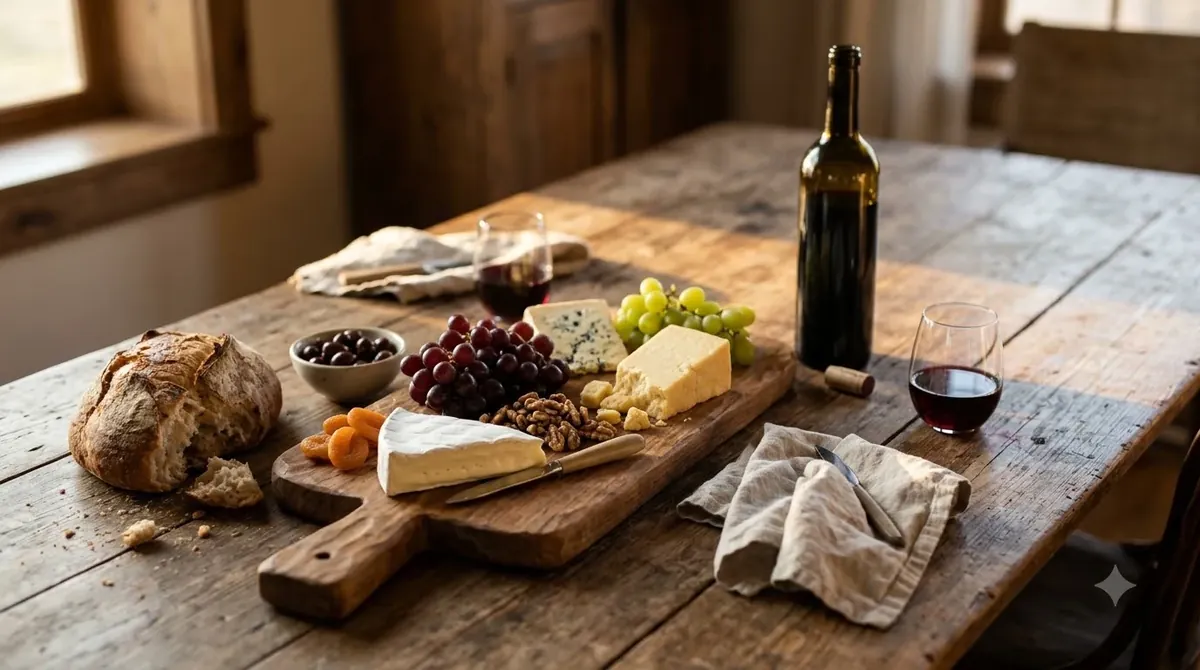
The grape’s firm tannins and bold fruit make it a natural match for rich, savory food. Grilled steak, roast lamb, and braised beef are classic choices, because the fat in the meat softens the tannins and the wine cleans the palate. Peppery sauces, mushroom dishes, and aged hard cheeses also pair well.
For lighter meals, look for cooler-climate bottles with less oak, which pair better with roast chicken or herb-rich vegetable dishes. Very spicy food, on the other hand, can make the wine taste harsh, so a fruitier red may suit those dishes better.
How long cabernet sauvignon ages
The grape has strong aging potential when it comes from a well-structured vintage. Wines from top producers and cooler areas often improve for a decade or longer. The same guide suggests cellaring for ten years or more for the best examples, although most everyday bottles are meant to be drunk within a few years of release.
As the wine ages, the tannins soften and the fruit gives way to dried fruit, leather, cedar, and earth. Young cabernet sauvignon tastes more direct, while mature bottles often feel rounder and more complex. Storing bottles on their sides in a cool, dark place helps them age evenly.
Frequently Asked Questions
What is cabernet sauvignon made from?
It is a red wine grape, and wine made from it is a single varietal wine when it is bottled alone. DNA research shows the grape is a cross of Cabernet Franc and Sauvignon Blanc.
Is cabernet sauvignon a full-bodied wine?
Yes, cabernet sauvignon is usually full-bodied, with high tannins and noticeable acidity. Its body and structure make it one of the most recognizable red wine styles.
Where does cabernet sauvignon grow best?
It grows well in warm regions with well-drained soils, such as Bordeaux, Napa Valley, parts of Australia, and Chile. Cooler sites produce greener, more herbal wines, while hot sites produce riper and jammier styles.
How is cabernet sauvignon different from Cabernet Franc?
Cabernet sauvignon is the offspring of Cabernet Franc, so the two share some traits. Cabernet sauvignon usually has thicker skins, higher tannin, and a more full-bodied profile, while Cabernet Franc is often lighter and more herbal.
The cabernet sauvignon grape rewards careful tasting. Learn its structure, notice how climate and oak change its flavors, and match it with rich food to see why it became one of the most widely loved red varieties. For a broader view of red grapes and their styles, the Wine by Type guide is a useful next step, and the brunello di montalcino grape page offers a helpful comparison with another firm, age-worthy red.
More in Wine Types & Grapes
 Zinfandel Sugar Content: Dry Red vs. White Zinfandel GramsUpdated Nov 21, 2026
 Best Zinfandel Substitute Options for Sipping and CookingUpdated Nov 21, 2026
 Zweigelt Food Pairing: Best Dishes, Cheeses, and Serving TipsUpdated Nov 21, 2026
 Zinfandel Tannins Explained: How Structure Shapes Every BottleUpdated Nov 21, 2026
 Zinfandel Sweetness Level: Dry Red vs. Sweet White Zin ExplainedUpdated Nov 21, 2026
 Xinomavro Food Pairing: Best Dishes, Styles, and Serving TipsUpdated Nov 21, 2026