

We may earn a commission when you buy through links on this page, at no extra cost to you. Learn more.
Garnacha wine is a Spanish red made from the garnacha grape, known for ripe red berry flavors, soft tannins, and a warm, easygoing style. Garnacha is one of the most important red grapes in Spain, and it is grown across many regions, from the high vineyards of Aragón to the slate hills of Priorat. Its wines range from bright, fresh young reds to deep, concentrated old-vine bottlings.
This guide covers where garnacha wine comes from, how it tastes, why old vines matter, how to serve it, and which Spanish dishes it suits best. It also explains how garnacha differs from the grape’s other names. For the grape itself, see garnacha grape.
Where Garnacha Wine Comes From in Spain
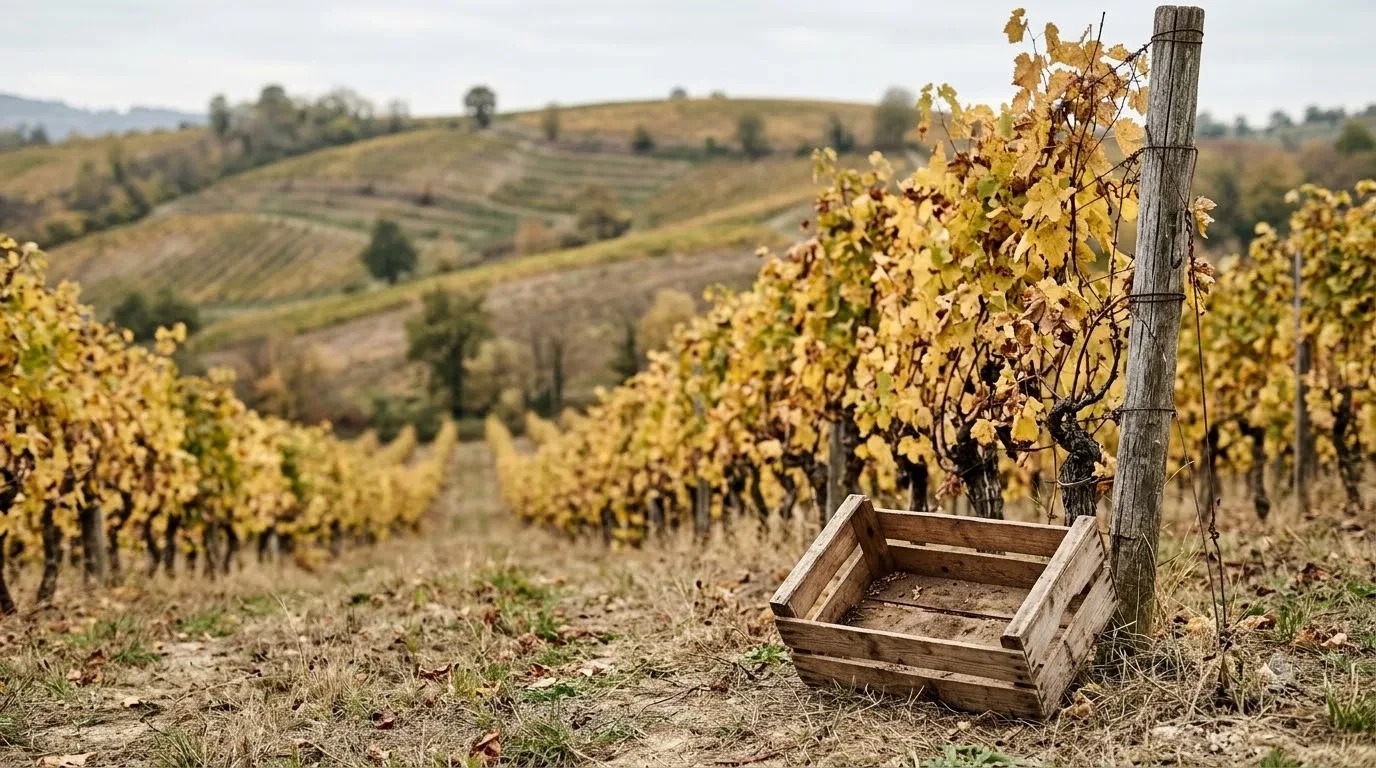
Garnacha is grown in many parts of Spain, and each region gives the wine a different character. The grape is late-ripening, so it needs heat and a long growing season to reach full flavor. Altitude, soil, and the gap between day and night temperatures all shape the final wine.
According to a Spain wine guide on garnacha, the grape is one of the country’s most important reds and is often compared to Pinot Noir for how closely it reflects the place where it grows. The regions below show that range.
| Region | Typical character | Notes |
|---|---|---|
| Calatayud (Aragón) | Powerful, concentrated wines with strawberry, raspberry, and damson notes | High vineyards that reach about 1,000 meters |
| Campo de Borja (Aragón) | Structured, value-driven reds with old-vine depth | Called the “Empire of Garnacha” in one guide |
| Sierra de Gredos | Fresh, transparent wines with red fruit | Granite and slate soils west of Madrid |
| Priorat (Catalonia) | Full, mineral wines with black fruit, spice, and licorice | Llicorella slate and quartzite soils, very low yields |
| La Rioja | Savory reds with smoky, spicy character | Blended with Tempranillo in many classic bottlings |
Calatayud has the most dramatic vineyards in this list. Its high sites, some reaching about 1,000 meters, give the grape a cooler edge that keeps the fruit lively. Priorat sits at the other end, with warm, steep slopes and very poor soils that push the wines toward darker fruit and more power.
Flavor, Tannin, and Style
Garnacha wine is usually fruit-forward, with a soft texture and only moderate tannin. Young wines tend to show ripe strawberry, raspberry, and cherry, along with a warm, round finish that suits everyday drinking.
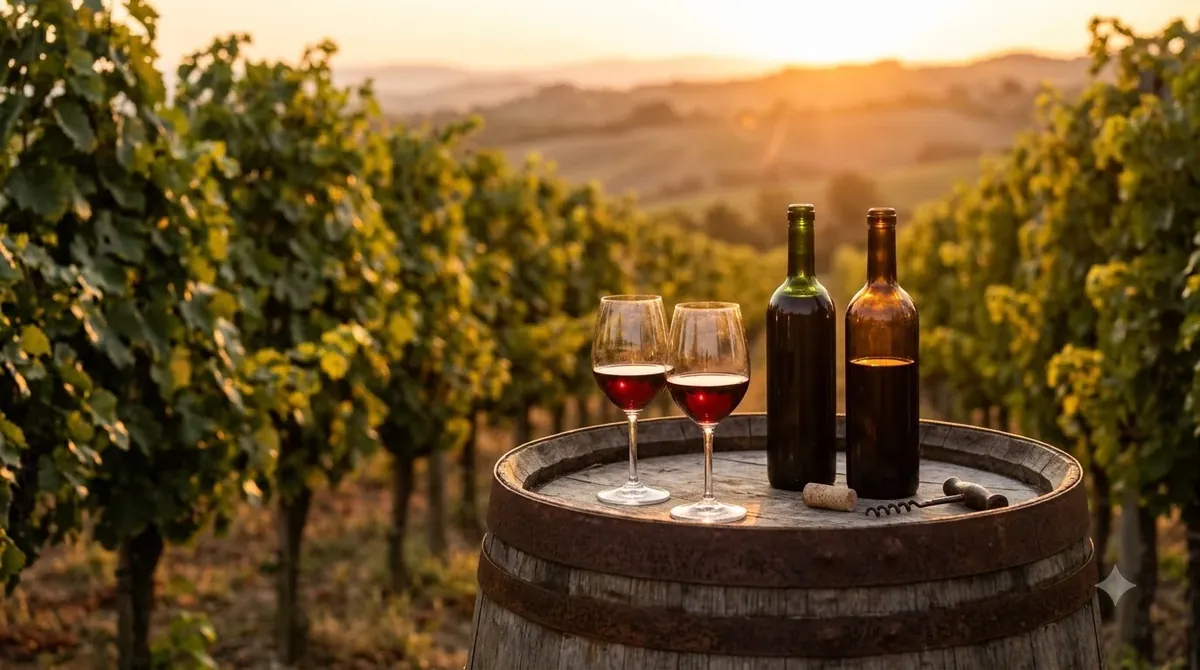
Aging adds a second layer. Older wines can show blackberry, spice, and earthy notes, and oak aging adds gentle vanilla and clove. Tannins are soft in young bottles and can grip more when the wine has spent time in oak, so the style depends a great deal on how the winemaker treats it.
Alcohol is often high. The swallowdontspitwine guide on the grape lists typical alcohol between 13.5% and 15%, which gives the wine body and warmth. Poorly made examples can taste flabby, pale, and low in acidity, so a good bottle is usually one with clear fruit and a fresh finish.
Spain’s wine rules also shape the style. Rioja and Navarra use the traditional aging categories of crianza, reserva, and gran reserva, while Priorat and Campo de Borja often skip them and let the vineyard speak more directly. When you shop, the region on the label often tells you more than the age statement.
Old Vines and Why They Matter
Old garnacha vines are the most prized part of the category, because their low yields produce more concentrated and complex wine. Many of the best bottles come from vines that are decades old, and some are much older.
The term viñas viejas, which means old vines, is often used on labels to signal that the wine comes from older plantings. Old bush vines produce very small crops, and one guide describes them as the most valuable resource in the vineyard. The swallowdontspitwine guide notes that Calatayud has vineyards over 100 years old.
Old vines have their own risks. Growers face disease, particularly bunch rot and mildew, and the cost of farming small, low-yield plots is high. In the early 21st century, some local authorities encouraged growers to pull up old vines, and owners later offered incentives to keep them. That history explains why many old garnacha vineyards are now treated as a valuable resource.
Serving Temperature and Food Pairings
Serving temperature changes how garnacha tastes, and the style of the bottle should guide the choice. Rosés taste best cooler, while full-bodied old-vine reds open up when they are served a little warmer.
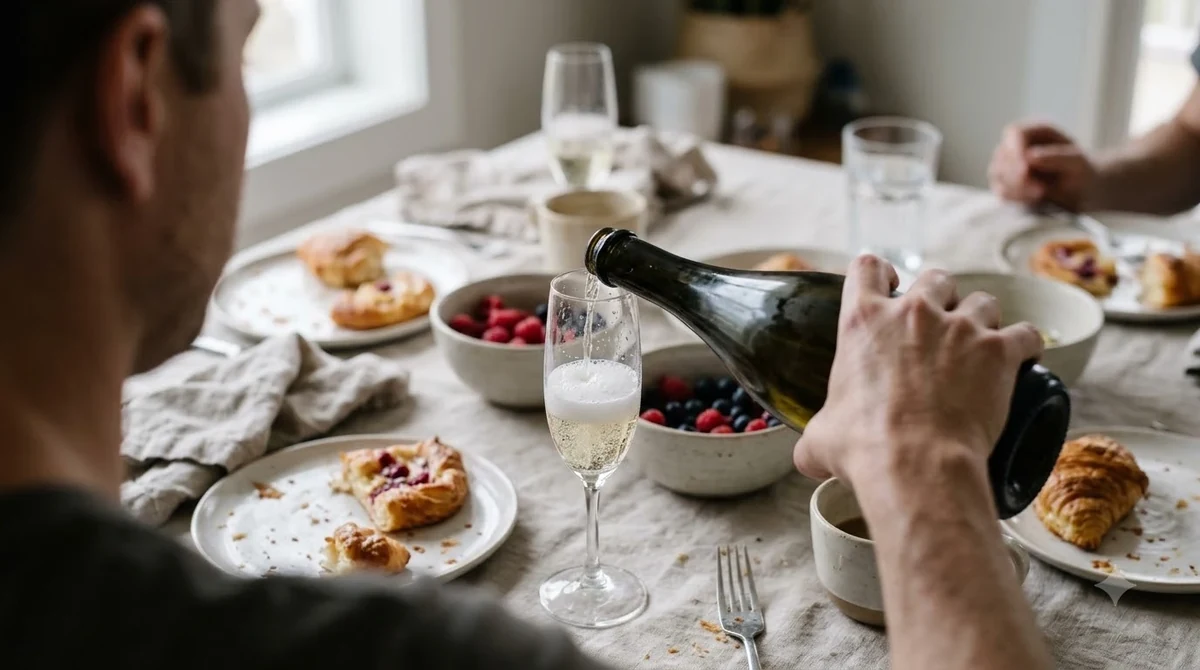
The swallowdontspitwine guide gives 8 to 10°C (46 to 50°F) for rosados, 12 to 14°C (54 to 57°F) for lighter reds, and 16 to 18°C (61 to 65°F) for old-vine, full-bodied reds. If a bottle has been sitting in a warm room, a short stay in the refrigerator helps bring it to the right range before serving.
| Wine style | Serving temperature | Good with |
|---|---|---|
| Rosado | 8 to 10°C (46 to 50°F) | Grilled seafood, salads, Manchego |
| Young, lighter red | 12 to 14°C (54 to 57°F) | Roasted vegetables, herb-crusted lamb |
| Old-vine, full-bodied red | 16 to 18°C (61 to 65°F) | Lamb tagines, slow-cooked stews, roasted duck |
Spanish food is the natural partner. The same guide suggests escalivada, chilindrón, fideuà, and calçots with romesco as regional matches, and it lists paella and asado as good everyday pairings for younger wines. Garnacha’s ripe fruit and soft tannin fit grilled meats and smoky vegetables well, because the wine does not overpower them.
Tip: Ask the producer or the back label whether the bottle is from old vines or a single vineyard. Those details usually explain the style better than a generic description.
Garnacha in Blends and Rosé
Garnacha is often blended, and it plays a supporting role in many of Spain’s best-known reds. In Rioja and Navarra, it is commonly combined with Tempranillo, which adds structure while garnacha brings fruit and roundness.
Rosé is another major style. Navarra is known for vibrant garnacha rosés, which tend to be dry, fresh, and fruit-driven. Those wines are a good starting point for newcomers, because they show the grape’s fruit without much tannin.
Some producers also use garnacha in blends that sit outside the classic Spanish formula, including mixes that combine it with other southern red varieties. The result is often softer and more approachable than a pure garnacha bottling from a warm site.
Frequently Asked Questions
Is garnacha wine sweet?
Garnacha is a dry wine in most cases. Its ripe fruit can taste generous, especially in young bottles, but the wine itself is typically fermented dry. If you want a sweeter red, look for a fruit-forward style from a warm region and check the label for sweetness terms.
How is garnacha different from Tempranillo?
Garnacha is usually softer and fruitier, with lower tannin and a rounder texture. Tempranillo tends to show more structure and savory, leathery notes. Many Rioja wines combine the two, which is one reason they pair so well together.
What food goes well with garnacha wine?
Grilled and roasted meats, smoky vegetables, and Spanish dishes such as paella and chilindrón all suit garnacha. Rosé versions work with seafood and salads, while old-vine reds go well with stews and braised meats.
Which region makes the best garnacha?
No single region wins for every style. Priorat is known for deep, mineral wines, Calatayud for concentrated, high-altitude fruit, and Navarra for lively rosés. The best choice depends on whether you want power, freshness, or an everyday red.
Start with a young garnacha from a region you have not tried, such as Calatayud or Navarra, and serve it slightly cool. For a broader view of how this grape fits among other reds, read about cabernet sauvignon wine, or browse Wine by Type to compare the other styles.
More in Wine Types & Grapes
 Zinfandel Sugar Content: Dry Red vs. White Zinfandel GramsUpdated Nov 21, 2026
 Best Zinfandel Substitute Options for Sipping and CookingUpdated Nov 21, 2026
 Zweigelt Food Pairing: Best Dishes, Cheeses, and Serving TipsUpdated Nov 21, 2026
 Zinfandel Tannins Explained: How Structure Shapes Every BottleUpdated Nov 21, 2026
 Zinfandel Sweetness Level: Dry Red vs. Sweet White Zin ExplainedUpdated Nov 21, 2026
 Xinomavro Food Pairing: Best Dishes, Styles, and Serving TipsUpdated Nov 21, 2026