

We may earn a commission when you buy through links on this page, at no extra cost to you. Learn more.
Blaufrankisch wine is a dry red made from the Blaufrankisch grape, which grows mainly in Austria and Hungary. It is medium-bodied with medium-high acidity and tannins, and it shows dark fruit such as blackberry and black cherry with a peppery finish. Serve it slightly cooler than most reds, and it pairs well with hearty, savory food.
This guide covers the taste of Blaufrankisch wine, the regions where the grape is grown, how to serve and store it, and what to eat with it. It also explains the different names the grape goes by, which often confuses shoppers who see it on a label.
What Blaufrankisch wine tastes like
Blaufrankisch wine is built around fruit and spice. According to the Wine Folly grape guide, the rich black fruit is balanced by peppery flavors and firm acidity. Common flavor notes include blackberry bramble, black cherry, dark chocolate, and allspice.
The wine is dry and usually sits in the medium-body range. Its tannins are firm but not as heavy as those of a big Cabernet Sauvignon, and the acidity keeps the wine fresh on the palate. Alcohol typically falls between 13.5 and 15 percent by volume, depending on the producer and the vintage.
Style matters a great deal. Unoaked versions tend to show bright fruit and a lively, spicy edge. Wines aged in oak are usually fuller, with more vanilla, toast, and dark chocolate, and they can feel rounder on the finish.
Where Blaufrankisch grows
The grape’s history is older than most people expect. Its geographic origin is generally traced to Lower Styria, which is now part of Slovenia, and DNA analysis links it to a cross involving Gouais blanc. Over the centuries it spread through central and eastern Europe, and today it is one of the most widely planted red varieties in the region.
Blaufrankisch is an Austrian grape at heart, and Austria remains its most important home. The largest plantings are in Burgenland, especially the Mittelburgenland area, with smaller areas around the Neusiedlersee and Carnuntum. Hungary also grows a large share of the grape, and it has been part of the country’s red wine identity for a long time.
The grape travels under many names. In Germany it is called Lemberger and is grown mainly in the Wurttemberg region. In Hungary it is Kekfrankos, and in the Czech Republic it is Frankovka. Smaller plantings exist in Slovenia, Croatia, Romania, and parts of the United States, including New York and Washington. If a bottle says Lemberger or Kekfrankos, it is usually the same grape.
| Country | Name on the label | Well-known areas |
|---|---|---|
| Austria | Blaufrankisch | Burgenland, Neusiedlersee, Carnuntum |
| Germany | Lemberger | Wurttemberg |
| Hungary | Kekfrankos | Sopron, Eger, Kunsag |
| Czech Republic | Frankovka | Moravian subregions |
| Slovenia | Modra frankinja | Podravje and Posavje |
How to serve Blaufrankisch wine
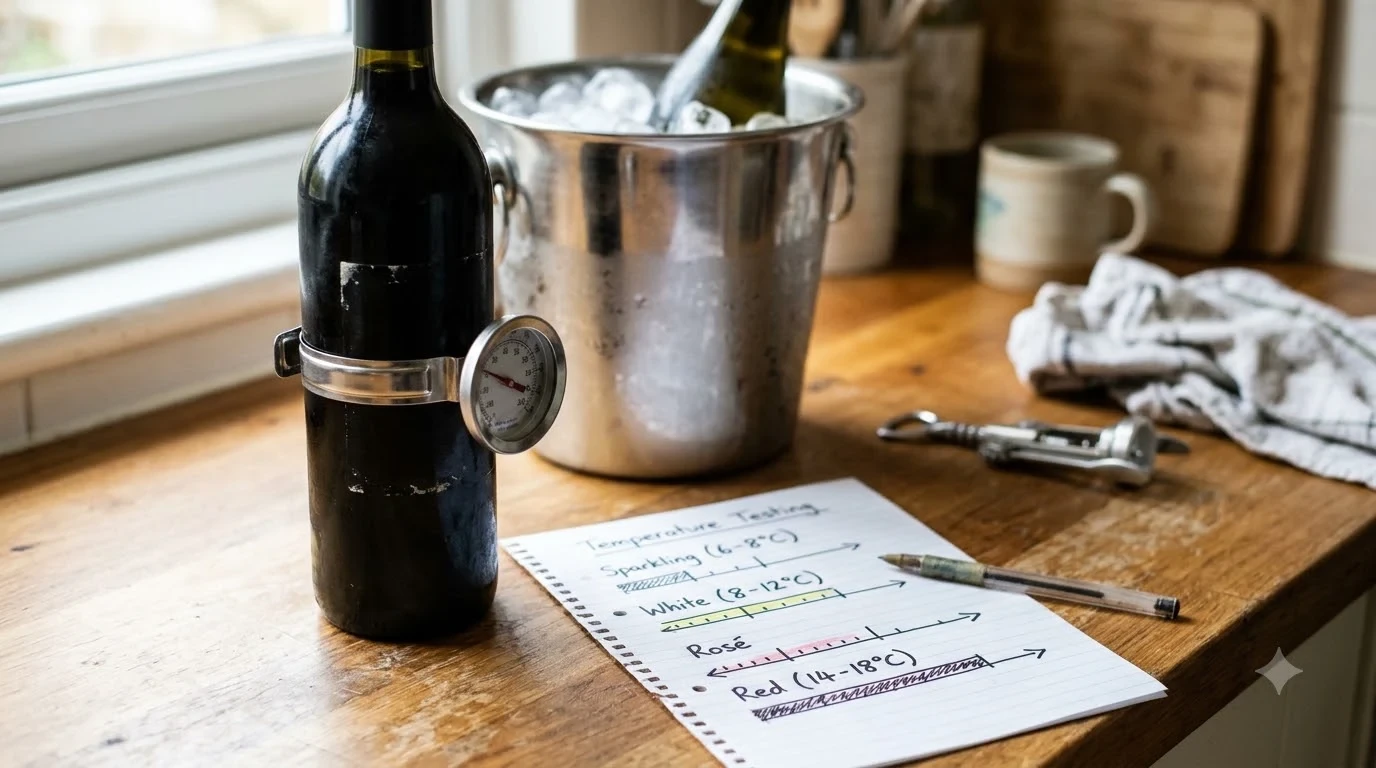
Serving temperature has a clear effect on this wine. The Wine Folly guide recommends serving Blaufrankisch between 60 and 68 degrees Fahrenheit, which is a little cooler than many people expect for a red. At this range the fruit stays focused and the acidity keeps the wine lively, while the tannins stay smooth rather than drying the mouth.
Decanting is also worth doing for younger bottles. The same guide suggests decanting for about 30 minutes. This gives the wine time to open up, especially if the bottle is a firmer, unoaked style. A standard universal wine glass works well, because it lets the peppery aromas gather near the top of the bowl.
Tip: Chill the bottle for about fifteen minutes before serving on a warm evening. It will keep its structure and taste less heavy.
Food pairings for Blaufrankisch wine
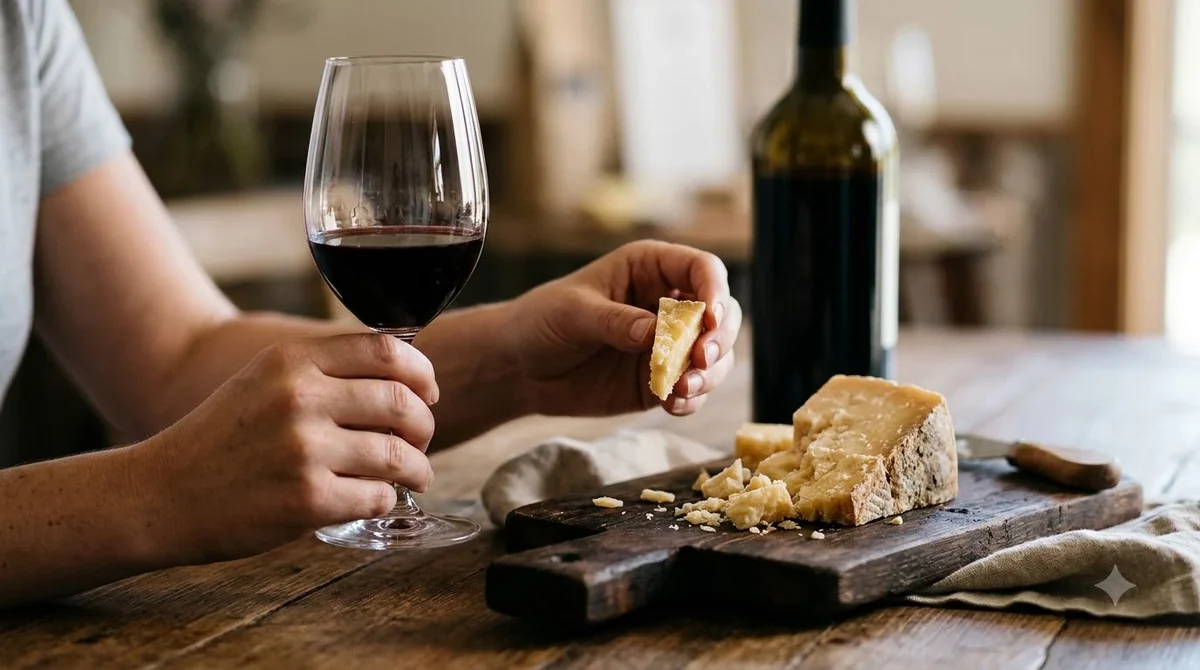
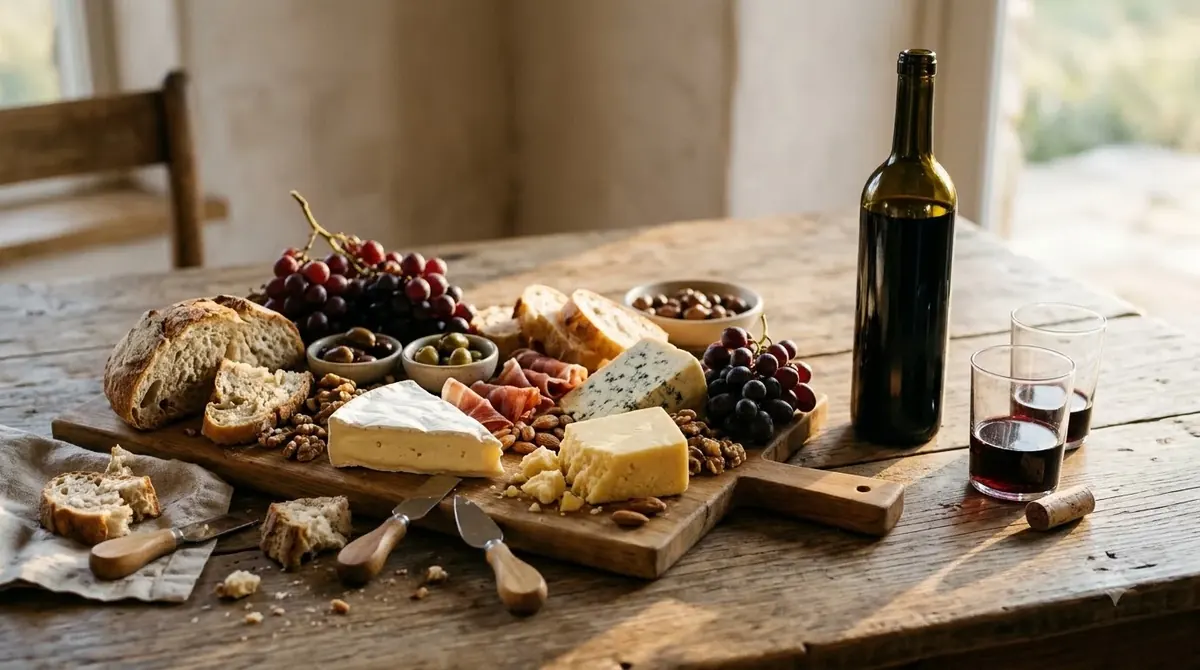
Blaufrankisch pairs best with the food of the regions where it grows. Smoked sausage, roast pork, and goulash all match its peppery character and firm acidity. The Wine Folly guide also suggests cheesy spaetzle and red potato dishes, which are rich enough to stand up to the wine’s tannins.
The wine also works well with grilled meats, roasted mushrooms, and dishes built on paprika or black pepper. For vegetarian meals, try lentils with smoked spices or roasted root vegetables. Lighter fish dishes are a poor match, because the wine’s structure can overwhelm them.
Aging and how to choose a bottle
Yield matters for this grape. Where growers push the vines to produce large crops, the wine can turn thin and weedy, so a bottle from a careful producer usually shows more concentration. Look for a producer who talks about vineyard age, site, or low yields on the back label or website.
Blaufrankisch is a wine that can age. The Wine Folly guide gives a cellaring window of about five to ten years for well-made examples. Younger bottles show bright fruit and spice, while older bottles develop softer tannins and more savory notes such as leather and dried herbs.
When choosing a bottle, look at the producer and the region. Wines from Burgenland, Mittelburgenland, and Sopron often show more structure and depth. If you prefer a fresher, fruit-forward style, look for unoaked bottles and vintages that are only a few years old. Labels that list the grape as Lemberger or Kekfrankos are worth trying alongside Austrian bottles to compare how the style changes with place.
Who will enjoy Blaufrankisch wine
Blaufrankisch suits drinkers who like a red with structure but do not want the heaviness of a very big wine. People who enjoy Syrah, Zinfandel, or a rustic Italian red often find the grape appealing because it has a similar spice and savory edge. The firm acidity also makes it a good match for people who like food-focused wines that cut through rich dishes.
It may be less appealing if you prefer soft, plush reds with a lot of sweet oak. Many Blaufrankisch bottles are direct and savory, so drinkers who expect a jammy style may find them drier and more austere at first. Giving the wine a short decant or a little time in the glass usually helps show its fuller character.
How Blaufrankisch compares with other reds
Blaufrankisch sits between a light, fruity red and a firm, structured one. It is often compared with Gamay because the grape is a relative, and both share a juicy fruit character. Compared with Pinot Noir, Blaufrankisch usually has more tannin and a darker color. Compared with Cabernet Sauvignon, it tends to be lighter in body and more focused on spice than on oak.
If you already enjoy the bright acidity of an Italian red, the grape can feel familiar. For a broader view of the main red families, the Wine by Type guide places these styles side by side, and the brunello di montalcino grape page gives a useful comparison for a firm, age-worthy red.
Storing and opening a bottle
Store unopened bottles in a cool, dark place with steady temperatures, and keep them lying on their sides if they have a cork closure. Once opened, a Blaufrankisch can last a day or two when recorked and refrigerated, though the fruit will gradually fade. Because the wine has structure, it often tastes better on the second day than on the first, which is a good reason to pour a glass and taste it again later.
Frequently Asked Questions
Is Blaufrankisch wine sweet or dry?
Blaufrankisch is a dry wine. Its flavors lean toward dark fruit and spice rather than sweetness, and most bottles finish with firm acidity and noticeable tannins.
What does Blaufrankisch taste like?
Expect blackberry, black cherry, dark chocolate, and a peppery note. Unoaked bottles taste brighter and spicier, while oaked bottles are rounder with vanilla and toast.
Is Blaufrankisch the same as Lemberger?
Yes, Lemberger is the German name for the same grape. In Hungary the grape is called Kekfrankos, so the label may use a different name depending on the country.
What food goes well with Blaufrankisch?
Smoked sausage, roast pork, goulash, and grilled meats are classic matches. Dishes with paprika or black pepper also work well because they echo the wine’s spicy character.
Blaufrankisch is a rewarding choice for anyone who wants a dry red with character and food-friendly structure. Serve it cool, decant a younger bottle, and pair it with rustic dishes to get the most from it. Once you have tried one, the wider Wine by Type section is a good next stop for comparing other reds.
More in Wine Types & Grapes
 Zinfandel Sugar Content: Dry Red vs. White Zinfandel GramsUpdated Nov 21, 2026
 Best Zinfandel Substitute Options for Sipping and CookingUpdated Nov 21, 2026
 Zweigelt Food Pairing: Best Dishes, Cheeses, and Serving TipsUpdated Nov 21, 2026
 Zinfandel Tannins Explained: How Structure Shapes Every BottleUpdated Nov 21, 2026
 Zinfandel Sweetness Level: Dry Red vs. Sweet White Zin ExplainedUpdated Nov 21, 2026
 Xinomavro Food Pairing: Best Dishes, Styles, and Serving TipsUpdated Nov 21, 2026