

We may earn a commission when you buy through links on this page, at no extra cost to you. Learn more.
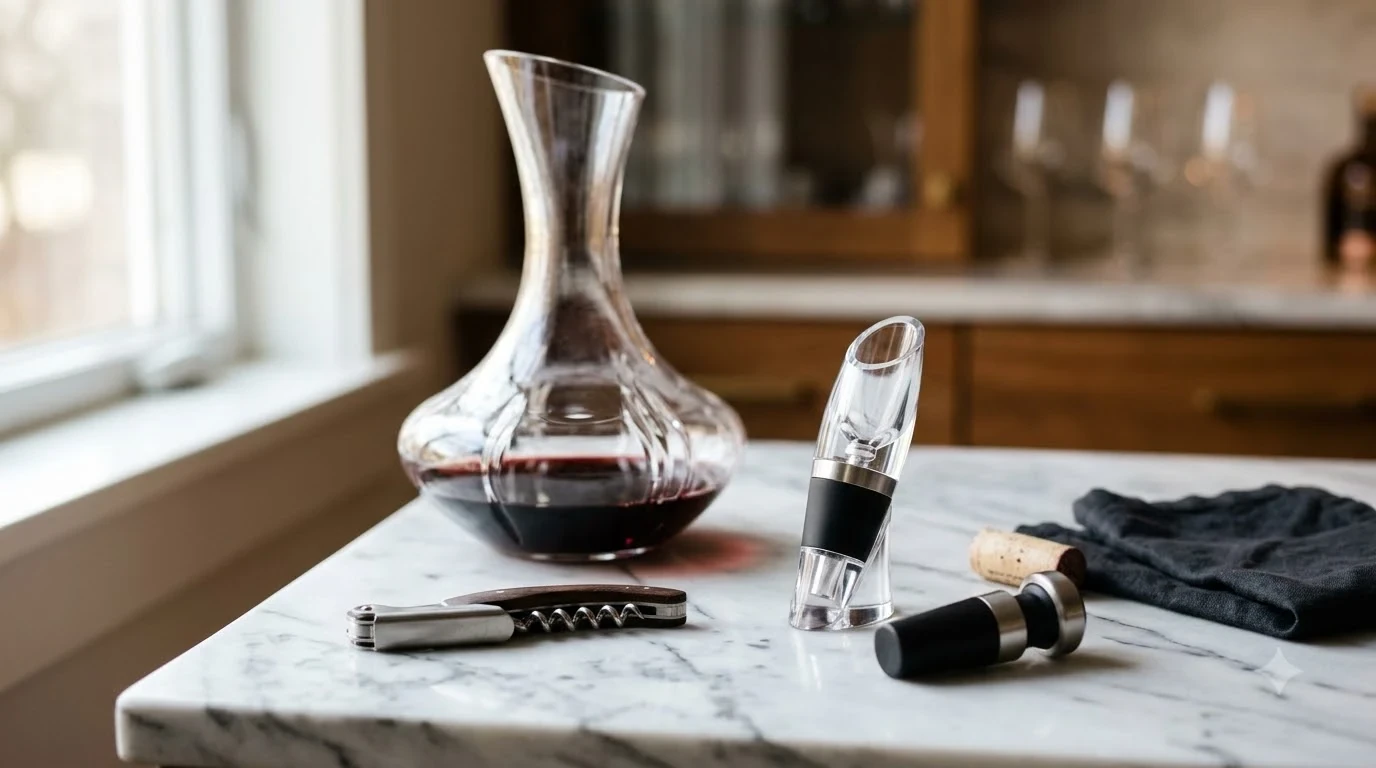
A villeroy and boch decanter is a stylish choice for serving wine, with the Purismo Red Wine Decanter standing out for its generous 33.75-ounce capacity, clean glass design, and flush-fit stopper. The brand offers different decanter shapes for different wine styles, from broad vessels for aeration to more slender designs for delicate reds. Its glassware is attractive enough for formal dining but also has practical uses for regular wine service. The main buying consideration is choosing the right shape, capacity, and cleaning requirements rather than assuming every model serves the same purpose.
Villeroy & Boch has a recognizable place in premium tableware, and its glassware follows the same emphasis on coordinated presentation and functional design. Its decanters are intended for people who want more than a container for transferring wine: shape, pouring comfort, clarity, and the way a vessel looks on a dining table all matter. The Purismo range is a particularly useful starting point because its straightforward appearance suits contemporary table settings. This review examines its available features, owner feedback, practical limitations, and the differences to consider before choosing a Villeroy & Boch decanter.
Specs and Key Features
The Purismo Red Wine Decanter is a clear-glass serving vessel designed to accommodate a substantial quantity of wine while keeping its appearance restrained. Its 33.75-ounce capacity and flush-fit stopper make it a practical option for households that regularly serve wine at dinner or entertain several guests.
| Specification | Purismo Red Wine Decanter |
|---|---|
| Brand | Villeroy & Boch |
| Collection | Purismo |
| Product type | Red wine decanter |
| Material | Glass |
| Color | Clear |
| Capacity | 33.75 fl oz (approximately 1 liter) |
| Stopper | Flush-fit stopper |
| Care listed by retailer | Dishwasher safe |
| Primary purpose | Wine serving and aeration |
The specifications above are those published for the Purismo Red Wine Decanter by Bloomingdale’s. Its approximately one-liter capacity is a useful size for a standard 750 ml wine bottle, leaving additional room for pouring and air exposure. It is also large enough to serve several people without repeatedly returning to the original bottle.
The flush-fit stopper is another practical detail. A stopper helps protect the contents from dust and limits exposure when the decanter is temporarily set aside. However, a fitted stopper should not be treated as a substitute for a proper wine preservation system. Wine transferred into a decanter has already been exposed to oxygen, and a stopper does not reverse that process.
There is an important distinction between the Purismo Red Wine Decanter and other products carrying the Villeroy & Boch name. The manufacturer’s US product listing identifies the Purismo Decanter as clear glass with a 33.9-ounce capacity. Bloomingdale’s separately lists its Purismo Red Wine Decanter at 33.75 ounces. These small differences reflect the specifications displayed on the respective listings, so buyers should match the exact product description rather than assume every listing uses identical measurements.
The brand’s broader collection also includes whisky decanters, carafes, and other serving vessels. These products may look similar in a display cabinet, but their proportions and closures can be quite different. A whisky decanter designed for spirits presentation, for example, is not automatically the best choice for aerating a young red wine.
Design and Wine-Serving Performance
The strongest appeal of the Purismo design is its understated appearance and clear glass construction. A neutral vessel can work with traditional dinnerware, contemporary place settings, and different colored wine glasses without competing for attention.
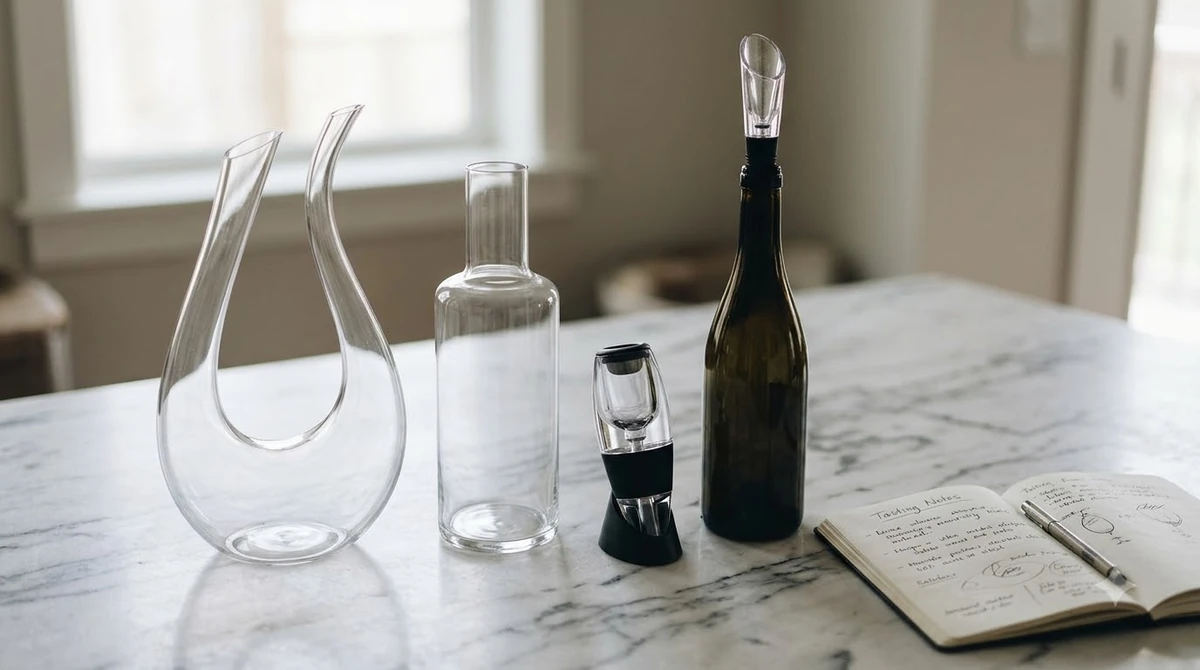
Clear glass is particularly useful for wine service because it allows guests to see the wine’s color and clarity. This is relevant when serving older reds that may contain sediment or when presenting a wine with an attractive ruby, garnet, or deep purple appearance. The vessel also makes it easier to observe how much wine remains before another pour is needed.
Capacity is an important part of performance. At 33.75 ounces, the Purismo Red Wine Decanter can accommodate a standard 750 ml bottle, which contains approximately 25.4 fluid ounces. That leaves room above the wine level for practical handling and pouring. It also gives the wine a larger serving vessel than the original bottle.
Air exposure can change the aroma and perceived structure of certain wines. Young Cabernet Sauvignon, Bordeaux blends, and other tannic reds can benefit from controlled aeration. The extra space inside a decanter provides an opportunity for oxygen contact, although the actual effect depends on the wine’s age, composition, temperature, and the vessel’s geometry.
The design should not be judged solely by how attractive it looks when filled. A useful decanter needs a stable base, a comfortable pouring angle, and an opening that makes cleaning manageable. A wide opening can make filling and rinsing easier, while a narrower neck may offer a more controlled pour. These are practical considerations to assess in the exact Purismo model before purchasing.
For delicate wines, more air is not necessarily better. Pinot Noir, mature Burgundy, and older wines with fragile aromas can lose their character if left exposed for too long. A slender decanter or brief transfer may be preferable to prolonged aeration in a broad vessel.
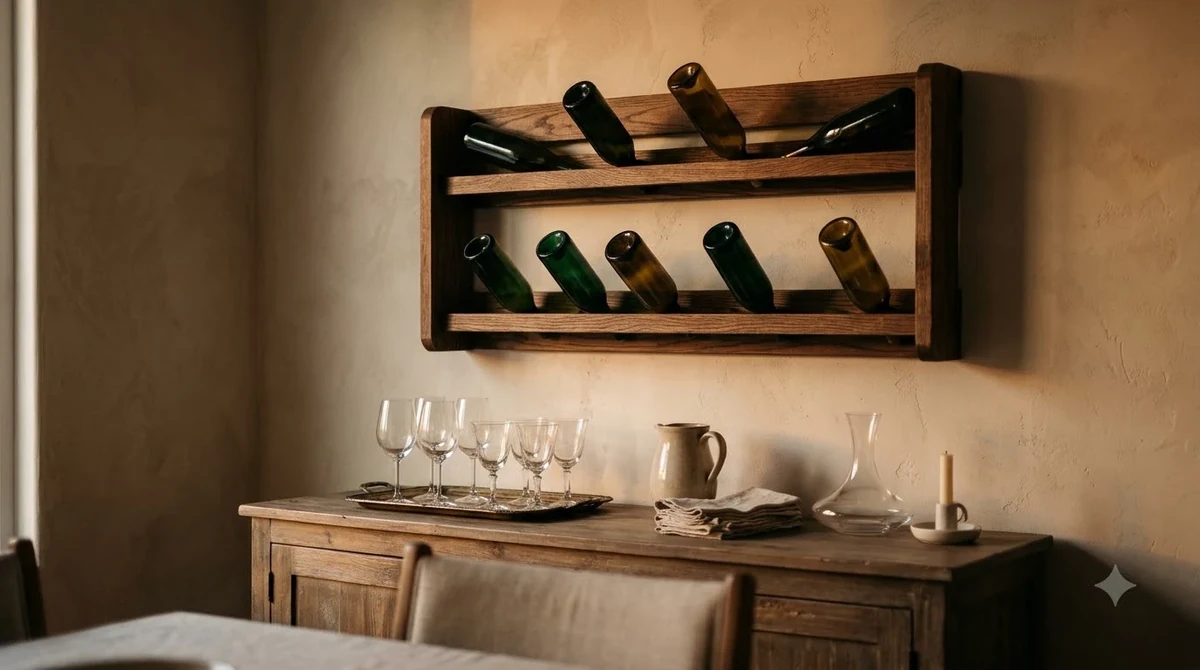
Villeroy & Boch explains the distinction between different decanter shapes in its official guide to wine carafes and decanters. The manufacturer describes wider-bodied vessels as useful for wines that benefit from more oxygen contact, while more delicate wines can require a gentler approach. That distinction is more useful than assuming every red wine needs the same amount of aeration.
What Owners Like
Customer feedback for the Purismo Red Wine Decanter points particularly to its elegant appearance, clean design, perceived quality, and suitability as a gift. These themes make sense for a product intended to serve as both functional wine equipment and part of a coordinated dining presentation.
Bloomingdale’s review summary identifies appearance and gifting suitability as recurring positive comments. Customers also mention the decanter’s usefulness for aerating wine. These observations suggest that buyers appreciate having an object that performs a serving function while looking appropriate on a dining table or bar.
The clear design is another advantage for people who prefer glassware that does not dictate the rest of the table setting. A transparent decanter can accompany white dinnerware, dark plates, colored napkins, and different stemware styles. It is also easier to coordinate with existing pieces from other Villeroy & Boch collections.
Capacity is likely to appeal to hosts who regularly open a full bottle for multiple guests. A vessel holding approximately one liter can accommodate a standard bottle without requiring the wine to be divided between multiple containers. It also leaves enough space to swirl the wine gently when appropriate.
Gift appeal is another recurring theme in customer feedback. A wine decanter is a practical present for someone who already owns basic glassware but wants a more complete serving setup. It can suit a housewarming, wedding, anniversary, or dinner-hosting occasion, particularly when paired with appropriate wine glasses.
That said, owner feedback should be interpreted carefully. Positive comments about appearance and perceived quality do not establish how well a vessel performs with every wine variety. Nor do they guarantee that every version sold under the same brand has identical construction or cleaning requirements.
Common Complaints and Limitations
The main limitations to consider are the cleaning process, the fragility associated with glass serving vessels, and the fact that an attractive decanter cannot compensate for unsuitable aeration. Buyers should also distinguish the published care instructions for individual models rather than applying one rule to the entire brand.
Cleaning is an important practical issue because decanters have shapes that can be difficult to reach with an ordinary sponge. Wine residue can collect near the bottom, around curved shoulders, or inside a narrow neck. Even a vessel listed as dishwasher safe may require more attention if water spots or dried wine deposits remain after a cycle.
There is also a difference between the Purismo Red Wine Decanter and Villeroy & Boch’s other glassware products. The manufacturer’s broader glassware guidance recommends hand washing certain high-quality crystal pieces to help prevent cloudiness. That general advice should not be confused with the specific dishwasher-safe care instruction listed by Bloomingdale’s for the Purismo Red Wine Decanter.
Another limitation is that the brand name alone does not establish the precise material composition of every decanter. Villeroy & Boch makes distinctions between glass and different types of crystal glass across its broader glassware range. These terms describe different material characteristics, so shoppers should examine the specifications of their selected item.
Storage is another consideration. A tall decanter needs enough cabinet or shelf clearance, while a broad-bodied model requires additional width. Owners with limited kitchen storage may find that a smaller carafe is easier to keep accessible than a large display-oriented decanter.
Finally, a decanter is not essential for every wine. Many lighter wines are ready to serve directly from the bottle, and some mature wines need only careful separation from sediment. If most bottles opened at home are delicate older reds, a large aeration-focused vessel may not provide the best match for everyday use.
Who Should Buy and Who Should Skip
The Purismo Red Wine Decanter is best suited to wine drinkers who value clear, contemporary glassware, serve full bottles regularly, and want a dedicated vessel for presentation and aeration. It is less compelling for someone who rarely transfers wine from its original bottle or prefers equipment designed primarily for long-term storage.
Who should consider buying it
Regular red wine drinkers: People who frequently serve Cabernet Sauvignon, Merlot, Syrah, or Bordeaux blends may appreciate having a dedicated decanter. These wines can benefit from aeration depending on their age and structure, and a one-liter vessel provides practical capacity for a standard bottle.
People who entertain: The clear appearance and generous capacity make the Purismo suitable for dinner parties and family gatherings. Rather than placing an opened wine bottle directly on the table, a host can transfer the wine into a serving vessel that coordinates with the rest of the glassware.
Buyers who value coordinated tableware: Villeroy & Boch offers several glassware collections, so the decanter can form part of a larger dining arrangement. Someone already choosing wine glasses may appreciate having a matching or complementary serving piece.
Gift shoppers: A decanter can make a thoughtful present for someone who enjoys wine and already understands the difference between simple pouring and decanting. Its presentation value is especially appealing for formal dining enthusiasts.
Who should skip it
Occasional wine drinkers: If wine is only opened occasionally, a dedicated decanter may spend more time in storage than on the table. A simple glass pitcher may be sufficient for casual serving, although it will not necessarily provide the same design or wine-specific features.
People who primarily drink sparkling wine: Decanting sparkling wine can reduce carbonation, which defeats an important part of the drinking experience. Those who regularly serve Champagne or Prosecco should prioritize suitable champagne flutes rather than buying a red wine decanter as their primary serving accessory.
People with limited storage: A larger glass vessel needs a secure cabinet location. If storage space is already limited, a smaller carafe or compact serving accessory may be more convenient.
Buyers seeking a preservation device: A decanter is primarily a serving and aeration vessel. It is not designed to preserve opened wine for extended periods. Someone who regularly saves unfinished bottles should consider dedicated preservation accessories as well.
How It Compares to Alternatives
Villeroy & Boch offers several types of glass vessels, and the right alternative depends on whether the priority is aeration, sediment separation, spirit presentation, or general table service. The Purismo Red Wine Decanter is a practical choice for red wine, but it is not the only option within the manufacturer’s glassware range.
| Product or style | Published capacity | Best suited to | Main distinction |
|---|---|---|---|
| Purismo Red Wine Decanter | 33.75 fl oz | Red wine serving | Flush-fit stopper |
| Purismo Decanter | 33.9 fl oz | General wine service | Clear glass |
| Traditional wide-bodied decanter | Varies by model | Young wines requiring aeration | Greater air contact |
| Slender wine decanter | Varies by model | Delicate wines | More controlled air exposure |
The Purismo figures come from the manufacturer and retailer product listings. The remaining descriptions refer to general decanter shapes rather than additional Villeroy & Boch model specifications. Capacity alone does not establish identical neck widths, base shapes, or pouring characteristics.
Purismo versus other Villeroy & Boch designs
Purismo is a sensible choice for shoppers who prefer a straightforward modern presentation. The red wine version has a documented capacity of 33.75 fluid ounces and a flush-fit stopper, making it an identifiable option for serving a standard bottle.
The manufacturer’s US listing describes the Purismo Decanter as a clear glass vessel holding 33.9 fluid ounces. The two published capacities are close, but the product listings should still be treated as separate references. Buyers should compare the exact product photographs, included components, and product descriptions before ordering.
Wine decanter versus whisky decanter
A wine decanter is intended to transfer wine for serving, aeration, or sediment separation. A whisky decanter is more closely associated with presentation and keeping spirits in a dedicated serving vessel. Its closure and shape may therefore prioritize different requirements.
For example, a spirit decanter with a tight stopper may be more appropriate for displaying whisky on a bar than for transferring a young red wine that needs room for oxygen contact. A wine-specific vessel is generally the more useful choice for someone who regularly decants bottles before dinner.
Wine decanter versus ordinary carafe
A conventional carafe can be sufficient for serving water, juice, or wine at a casual meal. A wine-specific decanter is more useful when the shape has been selected to accommodate aeration or sediment separation.
Villeroy & Boch makes this distinction in its own guidance: wider-bodied vessels offer more air contact for young wines, while slender designs can help preserve the aromas of delicate varieties. A shopper who mainly needs a decorative water-serving vessel may not need a specialized red wine decanter.
For a coordinated wine setup, the decanter should also complement the glasses used at the table. Those comparing stemware can explore red wine glasses and the broader glassware brands category to understand the differences in shape and serving purpose.
Cleaning, Handling, and Everyday Care
Proper cleaning is essential for keeping a clear glass decanter attractive and preventing old wine deposits from affecting future servings. The manufacturer’s general advice is to rinse decanters promptly with warm water after use, while individual models may have different dishwasher and hand-washing requirements.
For the Purismo Red Wine Decanter, Bloomingdale’s lists dishwasher-safe care. This is convenient for people who regularly entertain and do not want to hand wash every serving accessory. Nevertheless, delicate glass should be positioned securely in the dishwasher, away from items that could strike it during a cycle.
For other Villeroy & Boch products, the care instructions can differ. The manufacturer’s broader glassware guidance recommends hand washing certain high-quality crystal pieces. The important point is to follow the instructions for the exact vessel rather than treating all glassware under the brand as interchangeable.
Tip: Rinse a wine decanter with warm water immediately after pouring. For stubborn wine residue, use a decanter-specific cleaning brush or cleaning beads that are suitable for the material. Allow the vessel to drain and dry completely before storing it.
Drying deserves particular attention. Water left inside a vessel can create visible spots, especially on transparent glass. A drying rack that supports the decanter securely is preferable to balancing a heavy vessel upside down on a narrow towel. If a decanter has a narrow neck, allow additional drying time before fitting its stopper.
Handling is equally important. Hold the vessel by its body or stable base when moving it, and avoid lifting it by a stopper or narrow neck. When serving, keep the decanter on a flat surface and pour slowly to prevent splashing. A decanter filled with an entire bottle of wine can be heavier than it appears.
Storage should protect the rim and base from contact with other glassware. A dedicated cabinet shelf is ideal, particularly for larger models. Avoid stacking objects inside a decanter, and do not force a stopper into position if it does not fit naturally.
For wine service, the appropriate aeration period depends on the wine rather than a universal timer. Villeroy & Boch suggests approximately 90 to 120 minutes for young, high-tannin Cabernet Sauvignon or Bordeaux, about 60 minutes for Pinot Noir, and no more than 30 minutes for mature reds. These are starting points rather than fixed rules. A delicate older bottle may need only a short transfer before serving.
White wine can also benefit from decanting in selected circumstances. Fuller-bodied Chardonnay and mature Riesling are examples identified by the manufacturer, with approximately 30 minutes suggested for white and rosé wines. Serving temperature still matters: full-bodied whites generally work best around 50 to 55 degrees Fahrenheit, while lighter whites are typically served around 45 to 50 degrees Fahrenheit.
Frequently Asked Questions
Is Villeroy & Boch a German tableware brand?
Yes. Villeroy & Boch is a German company associated with tableware, ceramics, and glassware. Its products are distributed internationally through its own retail channels and independent retailers.
Does crystal glass always contain lead?
No. Crystal glass is a broad material category, and not every crystal product contains lead. The term lead crystal specifically refers to crystal glass with a higher lead content, so material specifications matter when comparing individual decanters.
Can a wine decanter be used for water?
Yes. A clean glass decanter can also serve water at the dining table. However, using a dedicated water vessel can reduce the cleaning required when the wine decanter is regularly used for red wines.
How many servings does a one-liter decanter provide?
A one-liter vessel holds approximately 33.8 fluid ounces. At a typical five-ounce wine pour, that is roughly six full servings, although the actual number depends on the amount transferred and the serving size.
Should a decanter be stored with its stopper in place?
Store a completely clean and dry decanter in a dust-free cabinet. Keeping the stopper separate during storage can help prevent trapped moisture and unwanted odors from accumulating inside the vessel.
The Villeroy & Boch Purismo Red Wine Decanter is a compelling choice for people who want attractive glassware with practical capacity and a clean, contemporary appearance. Its approximately one-liter capacity, flush-fit stopper, and documented wine-serving purpose make it particularly suitable for regular red wine service and entertaining. Before purchasing, compare the exact model’s dimensions, stopper, and care instructions so the decanter fits both your wine habits and your available storage space.
More in Wine Glasses
 Zwiesel Glas Champagne Flutes for Durable Everyday Sparkling WineUpdated Nov 20, 2026
 Vera Wang Crystal Wine Glasses: Design, Quality and Buying AdviceUpdated Nov 20, 2026
 West Elm White Wine Glasses: Compare Designs for Better Everyday Wine ServiceUpdated Nov 20, 2026
 Zalto Stemless Wine Glasses: Discover Their Distinctive DesignsUpdated Nov 20, 2026
 Viski Champagne Glasses That Match Your Style and Sparkling WineUpdated Nov 20, 2026
 Vista Alegre Decanter Review: Crystal Style and Wine ServiceUpdated Nov 20, 2026