
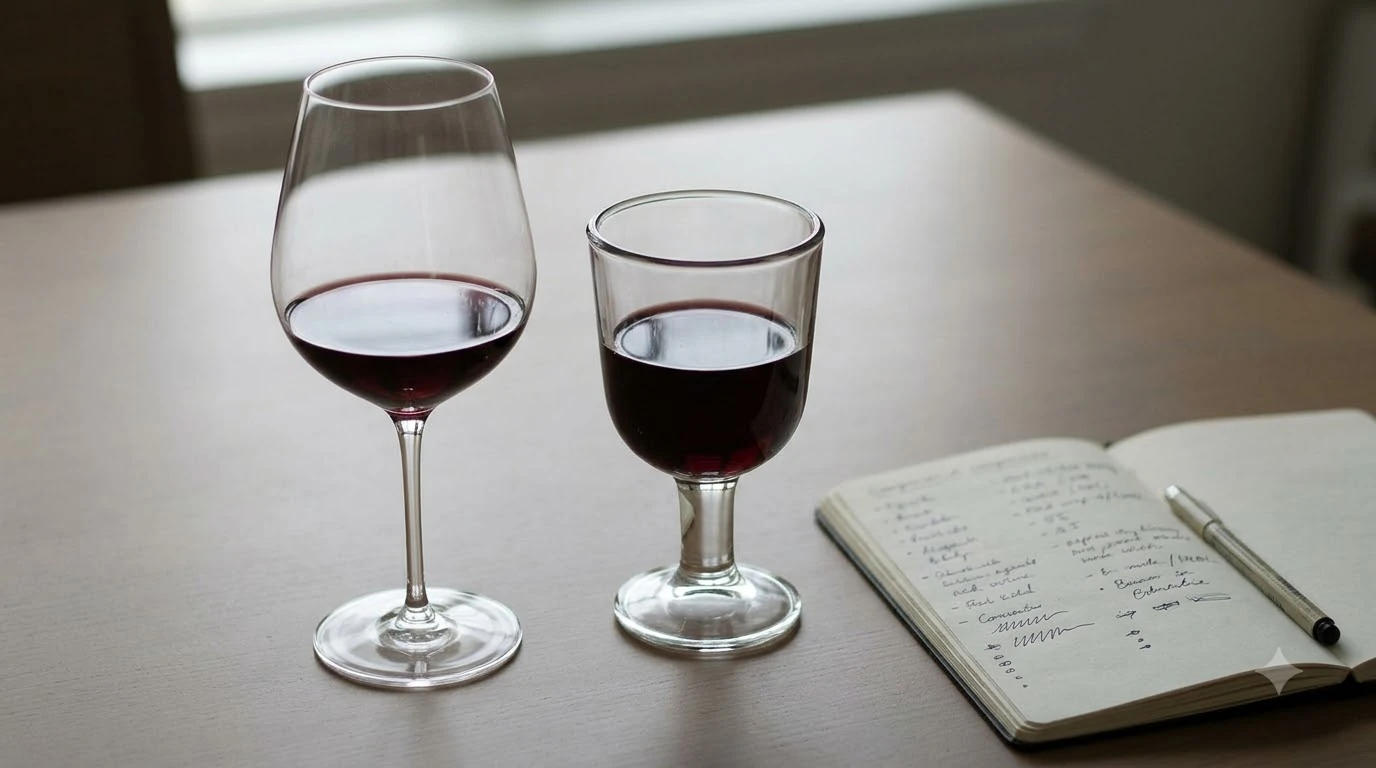

We may earn a commission when you buy through links on this page, at no extra cost to you. Learn more.
Spiegelau red wine glasses are a strong choice for wine drinkers who want clear crystal, thoughtfully shaped bowls, and practical dishwasher-safe construction without automatically moving into handcrafted glassware. The Authentis collection is a particularly appealing option for everyday red wine drinking, while Definition offers a lighter, more refined feel. The right choice depends on the wines you serve, your preferred glass weight, and how much attention you want to give your glassware.
Spiegelau has several red wine glass designs rather than one universal shape. Its collections cover everything from fuller Bordeaux-style bowls to wider Burgundy shapes and versatile red wine glasses. Understanding the differences makes it easier to select a set that suits your drinking habits instead of choosing solely by appearance. This review examines the construction, practical advantages, limitations, and differences between the main Spiegelau options.
Specs and Key Features
Spiegelau red wine glasses combine crystal-glass construction with machine-made consistency and wine-specific bowl designs. The Authentis Red Wine Glass is a useful reference point because its published specifications provide a clear picture of the dimensions, material, and everyday-care features buyers can expect.
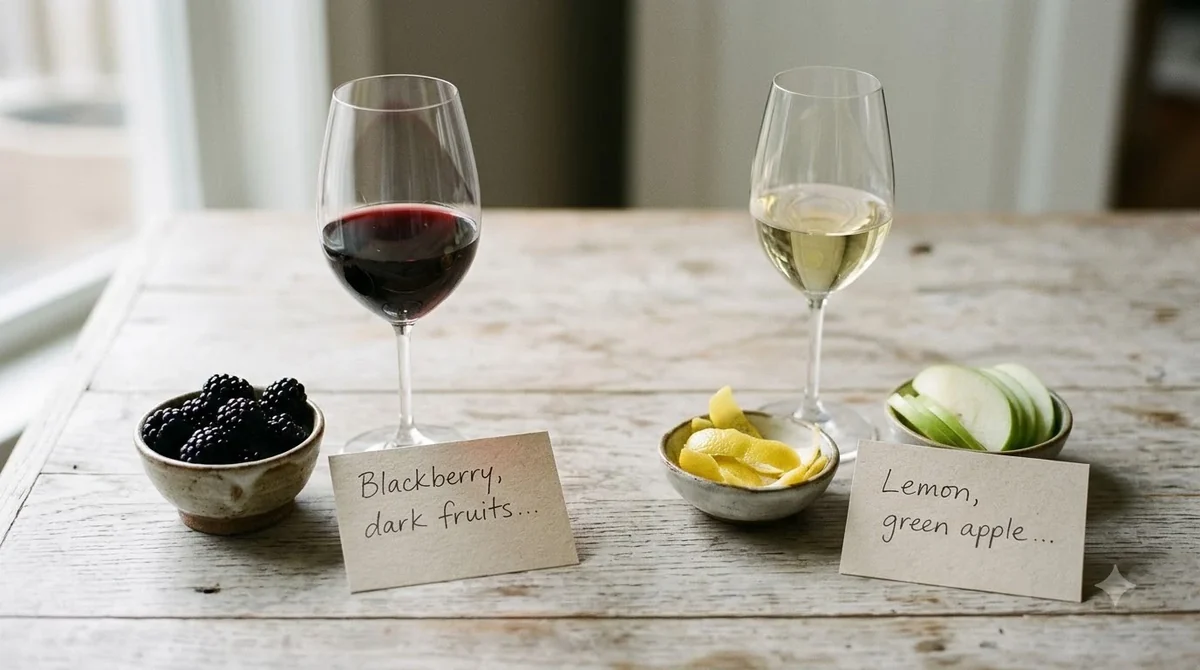
The Authentis Red Wine Glass is a stemmed design with a clear crystal finish. Spiegelau lists its height at approximately 8.58 inches and its largest diameter at 3.50 inches. The product comes in a set of four, making it suitable for a household that regularly serves wine to several people. Its proportions offer a practical middle ground between compact everyday stemware and oversized specialist tasting glasses.
Material is another important consideration. Spiegelau identifies Authentis as machine-made crystal glass. This manufacturing approach provides consistent shapes across a set, which is useful when replacing a broken glass or adding another set to an existing collection. The brand also emphasizes clarity and brilliance, qualities that make it easier to observe a red wine’s color and visual development.
| Feature | Authentis Red Wine Glass | Definition Bordeaux Glass |
|---|---|---|
| Collection | Authentis | Definition |
| Material | Crystal glass | Crystal glass |
| Manufacturing | Machine-made | Premium machine-made |
| Height | 8.58 inches | 9.57 inches |
| Largest diameter | 3.50 inches | 4.25 inches |
| Packaging | Set of 4 | Set of 2 |
| Dishwasher safe | Yes | Yes |
| Glass type | Stemmed | Stemmed |
The Definition Bordeaux has a different emphasis. Its premium machine-made construction produces a lightweight profile, with a published height of 243 mm and a widest diameter of 108 mm. It comes in a set of two rather than four. That difference matters when planning a complete dinner-party collection or deciding how many replacement glasses to keep available.
Both collections are designed for people who appreciate the appearance of crystal but still want practical glassware. However, their physical proportions are not interchangeable. The Authentis Red Wine Glass is a sensible general red wine choice, while the Definition Bordeaux has a more specialized shape and a lighter overall presentation.
Spiegelau also describes its crystal glass as a material that does not use lead oxide as its principal ingredient. Its FAQ explains that the company has exclusively produced this type of crystal glass since 2015. This is useful information for buyers comparing traditional crystal terminology with contemporary glassware materials. The manufacturer’s glassware care and product FAQ provides additional details about its material and maintenance recommendations.
For shoppers comparing the broader category, our guide to red wine glasses explains why bowl proportions, rim design, and stem construction matter beyond the brand name.
What Owners Like About Spiegelau Red Wine Glasses
The strongest reasons to consider Spiegelau are its visual clarity, consistent manufacturing, and combination of wine-focused shapes with convenient maintenance. These features make the brand appealing to people who want attractive stemware for regular meals rather than glasses reserved exclusively for special occasions.

Clarity is an important part of the appeal. A clear crystal bowl allows drinkers to examine the color of Cabernet Sauvignon, Pinot Noir, Merlot, and other red varieties without distracting visual distortions. This is especially useful when comparing wines from different regions or observing how a wine changes in the glass. A clean, transparent surface also looks appropriate on both casual dining tables and more formal settings.
The bowl design is another advantage. A wine glass should provide enough room to swirl without making the wine spill easily. Swirling helps release aromatic compounds, bringing fruit, floral, spice, and oak-related notes toward the rim. A properly proportioned red wine glass also leaves room above the liquid so those aromas can collect rather than escaping immediately.
Spiegelau offers several shapes because different red wines benefit from different proportions. A fuller Cabernet Sauvignon or Syrah can work well in a Bordeaux-style glass with a taller bowl. A lighter, aromatic Pinot Noir generally benefits from the broader bowl of a Burgundy glass. The distinction gives buyers a more useful choice than simply selecting the largest glass available.
Machine-made consistency is particularly attractive for households buying four or more glasses. Every glass in a matching set should feel familiar, sit similarly on the table, and provide a comparable drinking experience. Machine production helps achieve that uniformity while avoiding the need to purchase individually handcrafted pieces.
The brand’s approach to everyday durability also deserves attention. Spiegelau specifically identifies the Authentis Red Wine Glass as dishwasher safe. This reduces the maintenance burden for households that regularly entertain or serve several wines during a meal. It is still important to load crystal carefully, but the convenience is meaningful.
Independent editorial coverage provides another useful perspective. Liquor.com selected the Spiegelau Salute Bordeaux for its Bordeaux category, highlighting the large bowl, clear appearance, and ability to accommodate full-bodied red wines. Its assessment also noted that the glass retained its brilliance after dishwasher cleaning. The Liquor.com red wine glass review also discusses the Salute’s substantial stem and the practical considerations of handling its large bowl.
The design also works for different dining situations. A matching four-glass set can serve two people enjoying different wines or a small group sharing a bottle. For a larger dinner, additional matching sets make the table look coordinated. Buyers who want a broader collection can also explore the brand’s other ranges through our overview of glassware brands.
Common Complaints and Limitations
Spiegelau offers practical crystal glassware, but its products are not immune to the limitations of delicate stemware. Potential buyers should consider weight, handling, storage space, and the possibility of fingerprints before deciding that a particular collection is the right fit.
The first consideration is breakage. Crystal glasses can chip or break if they strike a hard surface, another glass, or a metal object. Thin rims and narrow stem connections require careful handling, especially when washing and drying. Dishwasher-safe does not mean unbreakable, and Spiegelau explicitly warns that dropped or tipped glasses can produce sharp shards.
Weight also varies between collections. The Definition range is designed to feel lightweight and balanced, while the Salute Bordeaux reviewed by Liquor.com has a comparatively substantial stem. That heavier construction may appeal to people who prefer a reassuring grip, but drinkers who favor very light stemware may find it less comfortable.
The Salute Bordeaux assessment also identified a cosmetic drawback: fingerprints can become visible when someone touches the bowl. This is not unusual with clear glassware, particularly when handling a large bowl under bright dining-room lighting. People who frequently rearrange their glasses or carry them by the bowl may need to polish them more often to maintain a spotless appearance.
Storage is another consideration. Large red wine glasses occupy more cabinet space than compact everyday tumblers. Wide Burgundy bowls can be especially awkward in narrow cupboards, crowded shelves, and standard glass racks. Before buying a large set, measure the available storage area and consider whether the glasses can stand upright without touching neighboring items.
There is also a practical difference between a specialist glass and an all-purpose option. A dedicated Bordeaux or Burgundy shape can be satisfying for people who regularly drink those varieties, but it may be unnecessary for households that alternate between red, white, and sparkling wine. A versatile glass can be a more economical use of storage space.
Finally, the visual appearance requires some maintenance. Crystal that has accumulated mineral deposits, detergent residue, or fingerprints will not look as brilliant as a freshly cleaned glass. This does not mean the material has permanently deteriorated. Often, appropriate cleaning and polishing are sufficient to restore a clear appearance.
These limitations do not make Spiegelau a poor purchase. They simply show why buyers should match the glass to their handling habits. A household that treats stemware carefully will get more practical value from a refined crystal set than someone who prefers to place all drinkware in a crowded sink without separating individual pieces.
Who Should Buy Spiegelau Red Wine Glasses and Who Should Skip Them
Spiegelau is best suited to wine drinkers who appreciate crystal clarity, distinctive bowl shapes, and matching stemware for regular meals. The brand makes particular sense for people who drink Cabernet Sauvignon, Merlot, Pinot Noir, or Syrah frequently enough to benefit from selecting an appropriate glass.
Buy Spiegelau if you regularly serve full-bodied red wines. Cabernet Sauvignon has relatively high tannin, and a generous Bordeaux-style bowl provides room for swirling and aromatic development. Syrah can also benefit from this style, particularly when its dark fruit and spice characteristics are prominent. Merlot, with its generally softer tannin profile, is another natural choice for this type of glass.
Spiegelau is also suitable for households that entertain several guests. The Authentis Red Wine Glass comes in a four-piece set, which is a convenient starting point for a small dinner table. Its machine-made construction creates a consistent appearance across the set, and its dishwasher-safe specification makes routine cleaning more manageable.
Buyers who appreciate refined table presentation should also consider Definition. Its premium machine-made construction is designed to provide a lightweight feel without requiring handmade production. The Bordeaux version is particularly appealing to people who prefer a larger, more specialized glass.
Consider another style if you primarily drink Pinot Noir. Pinot Noir is generally lower in tannin and relatively high in acidity. Its delicate aromas can benefit from a wider Burgundy bowl, which gives the wine more space to open and allows aromatic details to gather near the rim. A Bordeaux glass can still hold Pinot Noir, but it may not be the most suitable shape for a dedicated Pinot Noir drinker.
People who regularly travel with their glassware, have limited cupboard space, or prefer compact drinkware may also want to skip large stemmed designs. A stemless option is easier to fit into some cabinets and can feel less formal at casual meals. However, it warms more readily through hand contact because the bowl is held directly.
Another group that may prefer a different option is anyone who strongly favors extremely lightweight, handmade-feeling glassware. Spiegelau’s Definition collection approaches that experience through premium machine manufacturing, but machine-made glass remains a different proposition from individually handcrafted stemware.
For households that need one versatile design instead of several specialized shapes, a universal glass may be a better purchase. It can accommodate red and white wines without requiring separate cabinets for different varieties. Our broader wine glasses recommendations cover the practical differences between all-purpose and wine-specific designs.
The key decision is how often the glass will be used. If a dedicated red wine glass will appear at dinner several times each week, investing in a matching crystal set makes sense. If it will come out only a few times each year, a simpler and more compact glass may be sufficient.
How Spiegelau Compares to Alternative Glasses
Spiegelau occupies a useful position for buyers who want recognizable crystal construction and specialized shapes without assuming that every glass needs to be handmade. The most relevant comparisons involve its own Authentis and Definition ranges, as well as the Salute Bordeaux discussed in independent glassware coverage.
Authentis is the straightforward option for people who prioritize function. Its classic shapes cover several familiar wine categories, including Bordeaux, Burgundy, and general red wine. The Red Wine Glass set of four is particularly practical for households that want a consistent set without committing to a specialized shape for every bottle.
Definition takes a different approach. Its lightweight and balanced construction gives it a more refined feel, while the Bordeaux design offers a larger overall profile. The published specifications show a height of 243 mm and a widest diameter of 108 mm. It is supplied in a two-piece set, which makes it attractive for couples or people building a smaller specialist collection.
Salute Bordeaux is another option worth considering. Liquor.com’s editorial review describes its bowl as spacious enough to accommodate Cabernet Sauvignon, Syrah, and Merlot. The review also highlights the clarity of the glass and its dishwasher performance, while noting the relatively substantial stem as a possible drawback for people who prefer lighter glassware.
The differences become easier to understand when the intended use is considered. Authentis is a practical everyday choice, Definition focuses more on lightweight proportions and presentation, and Salute Bordeaux offers a dedicated shape for full-bodied red wines. None is automatically the right choice for every household.
For a wider comparison, it helps to think about the type of wine rather than the prestige of the glass collection. Cabernet Sauvignon and other tannic reds generally suit a larger Bordeaux-style bowl. Pinot Noir and other aromatic lighter reds are often better served in a Burgundy shape. If the household drinks both regularly, buying one of each shape can be more useful than buying several identical specialist glasses.
Spiegelau also makes sense for buyers who want to coordinate their glassware. Choosing several glasses from one collection creates a consistent appearance across the table. It can also simplify replacement because the designs share a recognizable visual style. However, availability and packaging can differ between collections, so buyers should confirm the exact set size before expanding an existing collection.
One additional point concerns the difference between a wine glass and a decanter. A large glass bowl gives wine room to swirl, but it does not replace the larger oxygen exposure provided by a decanter. Young, full-bodied red wines may still benefit from 30 to 60 minutes of decanting before serving. A good glass then helps present the wine’s developing aromas during the meal.
For most buyers, the most sensible comparison is not between the most expensive and least expensive glass. It is between a practical shape that will be used frequently and a specialized shape that will be used only for particular bottles. Spiegelau offers options for both approaches.
Care, Cleaning, and Everyday Use
Proper care is important for maintaining the clarity and appearance of Spiegelau crystal. Although the Authentis Red Wine Glass and Definition Bordeaux are identified as dishwasher safe, careful loading and sensible handling remain essential for reducing avoidable damage.
Spiegelau’s FAQ states that most of its glasses can withstand at least 1,000 dishwasher cycles without demonstrable changes to shine or clarity when loaded correctly. The brand references the EN 12875-1:2005 and EN 12875-2:2001 testing standards. This is a useful durability specification, but it should not be interpreted as a guarantee against breakage from impacts or poor loading.
The first cleaning rule is to keep glasses separated. They should not touch other glasses, metal utensils, or hard dishwasher surfaces during a cycle. A dedicated stemware rack is preferable when available because it supports the glasses and limits movement. Avoid overcrowding the dishwasher simply to fit an additional plate or serving dish.
Water quality can also affect appearance. Spiegelau recommends soft water with low mineral content to help prevent stains and cloudiness. Mineral deposits can create a hazy surface that makes clear crystal look dull even when the glass is otherwise clean.
For superficial stains, the manufacturer recommends soaking glasses in white vinegar. This can help address mineral residue without aggressive scrubbing. Avoid abrasive pads or rough cleaning materials that can scratch the surface or damage the rim.
Handwashing remains a reasonable choice for people who prefer extra control. Use warm water, a gentle cleaning product, and a soft cloth. Hold the glass carefully around the bowl rather than applying excessive pressure to the stem. When drying, use a clean lint-free cloth to reduce water marks.
Storage matters just as much as cleaning. Keep stemmed glasses in a cupboard where the bowls do not touch neighboring pieces. A stable shelf with adequate vertical clearance is preferable to a crowded cabinet. If glasses are stored upside down, make sure the rim rests on a clean, smooth surface and is not exposed to unnecessary pressure.
Temperature and serving technique can also make a difference to the overall experience. Light red wines such as Pinot Noir generally show well around 55 to 60 degrees Fahrenheit, while fuller-bodied reds such as Cabernet Sauvignon are better served around 60 to 65 degrees Fahrenheit. Serving a wine excessively warm can make alcohol seem more prominent and reduce the freshness of its fruit character.
Pouring size is another simple detail. A standard wine serving is approximately 5 ounces, and a 750 ml bottle provides about five such servings. Avoid filling a large bowl to the rim. Leaving enough room for swirling allows aromas to develop and makes the glass easier to handle.
Tip: Hold a Spiegelau red wine glass by its stem whenever practical. This limits fingerprints on the bowl and reduces unnecessary warming from your hand. For a full-bodied Cabernet Sauvignon, start with a moderate pour that leaves plenty of room for swirling.
These basic habits help preserve the appearance of crystal and reduce the risk of accidental damage. A dishwasher-safe designation is a convenience, not a substitute for sensible handling. With adequate storage and careful cleaning, Spiegelau glasses can remain attractive pieces of everyday tableware.
Frequently Asked Questions
Are Spiegelau glasses made in Germany?
Spiegelau is a German glassware brand with a long association with European glassmaking. Its product descriptions identify machine-made manufacturing, and the Definition collection is described as being produced in the company’s own factories. Buyers interested in the manufacturing location of a particular item should distinguish the brand’s German heritage from the country-of-origin details for an individual product.
Can Spiegelau glasses be used for wine tasting events?
Yes. Their clear crystal construction and wine-specific bowl designs make them suitable for comparing several red wines during a tasting. A consistent set is particularly helpful when serving different Cabernet Sauvignon or Pinot Noir bottlings because guests can compare wines using similar glass shapes.
Do Spiegelau red wine glasses have measurement markings?
The standard Authentis Red Wine Glass product specifications do not identify calibrated serving markings. Some specialized commercial glassware products may have measurement features, but buyers should not assume that a regular red wine glass includes them. For controlled tasting pours, using a separate measuring tool is a more reliable approach.
Can Spiegelau crystal glasses be polished with microfiber?
Yes. A clean microfiber cloth is useful for removing fingerprints and water marks from clear crystal. Spiegelau also provides care guidance for microfiber polishing cloths, recommending odorless soap and avoiding fabric softener because it can leave a greasy film on the cloth.
How can I identify an older Spiegelau glass collection?
Spiegelau recommends providing customer service with the purchase date, collection name if known, markings on the base, and a photograph. It also identifies three useful measurements: overall height, mouth-rim diameter, and base-plate diameter. These details can help distinguish similar-looking glasses from different collections.
Spiegelau red wine glasses are a worthwhile consideration for buyers who want attractive crystal stemware with practical everyday features. Authentis is the sensible starting point for regular use, while Definition is a compelling alternative for those who prefer a lighter, more refined Bordeaux glass. Choose the shape that matches your favorite wines, handle the crystal carefully, and the resulting set can serve both everyday dinners and special occasions.
More in Wine Glasses
 Zwiesel Glas Champagne Flutes for Durable Everyday Sparkling WineUpdated Nov 20, 2026
 Vera Wang Crystal Wine Glasses: Design, Quality and Buying AdviceUpdated Nov 20, 2026
 West Elm White Wine Glasses: Compare Designs for Better Everyday Wine ServiceUpdated Nov 20, 2026
 Zalto Stemless Wine Glasses: Discover Their Distinctive DesignsUpdated Nov 20, 2026
 Viski Champagne Glasses That Match Your Style and Sparkling WineUpdated Nov 20, 2026
 Vista Alegre Decanter Review: Crystal Style and Wine ServiceUpdated Nov 20, 2026