


We may earn a commission when you buy through links on this page, at no extra cost to you. Learn more.
Lav wine glasses are practical, design-focused glassware for everyday wine drinking, casual entertaining, and buyers who want several attractive shapes without choosing specialized luxury stemware. The brand offers multiple collections, including Fame, Lal, Empire, and Nevakar, with different capacities and bowl proportions. Its catalog provides useful dimensions for comparing individual glasses, while retailer feedback highlights attractive designs and some concerns about weight, chipping, and shipping damage. The best collection depends on whether you prefer smaller pours, larger bowls, traditional stems, or versatile everyday glassware.
LAV is a Turkish glassware manufacturer with a broad catalog covering wine glasses, champagne flutes, tumblers, and other drinkware. Its wine glass selection is not a single standardized design: collections such as Fame, Lal, and Empire have different dimensions, while Nevakar offers another traditional stemware option. That variety makes comparing actual capacity, height, and bowl width more useful than choosing a glass based on a collection name alone.
Specs and Key Features of LAV Wine Glasses
LAV’s strongest selling point is its selection of practical glass shapes in several capacities. The manufacturer’s catalog identifies specific dimensions for its main stemware collections, making it possible to compare glasses for different wines and serving preferences.
The company operates under the Gürok Group, and its official catalog describes substantial glass manufacturing operations and continuing investment in production equipment. That manufacturing background helps explain the breadth of the range, although it should not be confused with a claim that every LAV glass has identical construction or durability.
Four collections are particularly useful starting points for shoppers. Fame provides a choice between a relatively compact wine glass and a larger version. Lal has conventional wine glass proportions alongside an all-purpose design. Empire offers several wine capacities, while Nevakar gives buyers another traditional stemware option.
| Collection | Glass type | Capacity | Height | Diameter |
|---|---|---|---|---|
| Fame | Wine glass | 300 ml | 190 mm | 60 mm |
| Fame | Wine glass | 395 ml | 210 mm | 67 mm |
| Fame | All-purpose | 480 ml | 220 mm | 72 mm |
| Lal | Wine glass | 295 ml | 190 mm | 60 mm |
| Lal | Wine glass | 330 ml | 205 mm | 60 mm |
| Lal | All-purpose | 400 ml | 216 mm | 65 mm |
| Empire | Wine glass | 205 ml | 160 mm | 60 mm |
| Empire | Wine glass | 245 ml | 169 mm | 63 mm |
| Empire | Wine glass | 340 ml | 180 mm | 71 mm |
| Empire | All-purpose | 455 ml | 205 mm | 76 mm |
Specifications are taken from LAV’s official product catalog. Capacities are approximate, and the manufacturer cautions against treating them as standardized measuring quantities.
These differences have practical consequences. A 205 ml Empire glass is a compact option for modest servings, while a 395 ml Fame glass provides more room around the wine. The 455 ml Empire all-purpose glass has a wider 76 mm diameter, making it a more versatile choice for people who prefer one glass for different beverages.
Construction and care also deserve attention. LAV’s catalog uses product icons to communicate characteristics such as dishwasher compatibility, fine rims, stackability, and BPA-free construction. These symbols are assigned to particular products or collections rather than automatically applying to every item in the manufacturer’s catalog.
For shoppers who want to compare the manufacturer’s actual collection designs and dimensions, the official LAV glassware catalog provides a useful product reference.
For a closer look at competing shapes and materials, the site’s guide to wine glasses provides a useful broader comparison. It is particularly helpful if you are deciding whether a traditional everyday glass is sufficient or whether you want a more specialized tasting shape.
What Owners Like About LAV Glassware
Customer feedback generally highlights attractive styling, practical everyday use, and comfortable handling. Buyers who want coordinated glassware for a dining table may appreciate the range of traditional and contemporary designs.
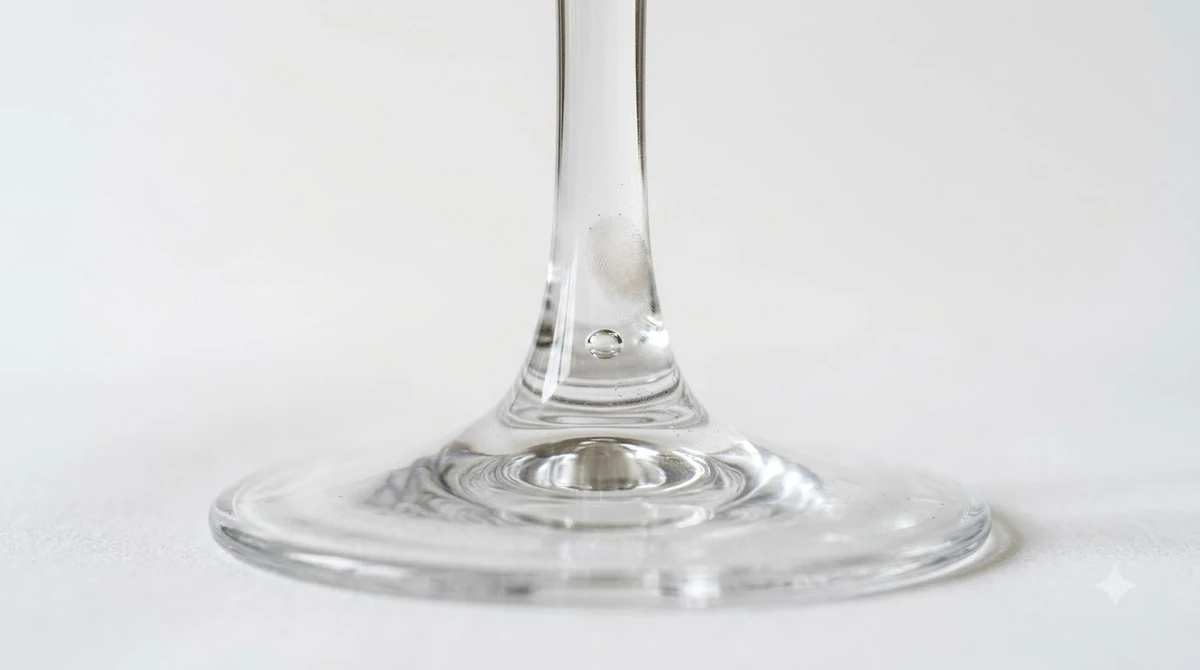
Wayfair’s customer feedback for a LAV Nevakar listing includes comments praising the shape, appearance, and feel of the glasses. One purchaser described the glasses positively for their quality and attractive shape, while other feedback highlights perceived value. This suggests that the collection appeals to shoppers who want an attractive traditional wine glass rather than an unusually elaborate design.
The same listing includes customer feedback that makes weight an important consideration. A substantial glass can feel reassuring in the hand, but buyers who prefer delicate stemware may find a thicker construction less appealing. Weight is subjective, so it is useful to compare the listed dimensions and product photographs before ordering.
Feedback on the Gaia stemless collection at Rinkit offers another perspective. Customers describe the glasses as useful for wine, water, and other beverages. The collection includes different sizes, including a 590 ml red wine glass and a 360 ml white wine glass. This versatility is appealing in households where the same set may serve several purposes.
Another positive point is the range of available capacities. Buyers can choose a compact 295 ml Lal wine glass, a 395 ml Fame design, or a 455 ml Empire all-purpose glass, depending on the way they usually serve wine. This is more useful than buying a large glass simply because it looks impressive.
Traditional stemware also has an advantage at the dining table. Holding a wine glass by its stem helps reduce the transfer of warmth from the hand to the wine. That is especially helpful with aromatic whites and lighter-bodied wines, which are often served cooler than full-bodied reds.
The broad catalog also makes coordinating a home bar easier. A household can choose matching or complementary stemware and tumblers from the same manufacturer rather than assembling unrelated designs from different brands. The official catalog includes both stemware and numerous tumbler collections, providing options for a coordinated table setting.
For buyers who value practical rather than highly specialized glassware, these characteristics make LAV worth considering. The range includes enough variation to accommodate different serving preferences, and retailer feedback suggests that many customers appreciate its appearance and everyday usefulness.
Common Complaints and Potential Drawbacks
The main concerns to consider are glass weight, possible breakage, inconsistent expectations about dimensions, and the limitations of interpreting a collection’s specifications. LAV offers a broad range, but a well-designed glass is not automatically the right glass for every household.
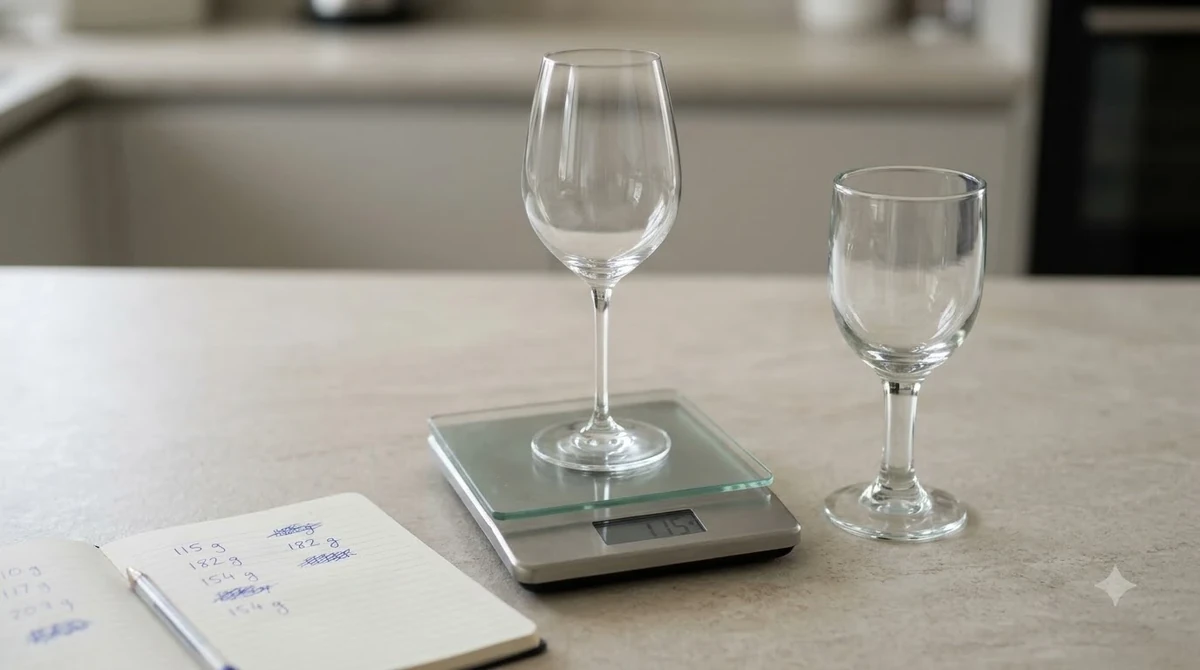
Weight is one of the clearest points of difference between buyer preferences. Retailer feedback on the Nevakar collection includes positive comments about its shape and appearance, but the overall feel of a glass remains a personal preference. Buyers who want particularly light stemware should pay attention to construction details rather than assuming that every model in the LAV range will feel the same.
There is also a difference between perceived thickness and proven durability. A heavier glass should not automatically be considered shatterproof or resistant to chipping. Rim thickness, bowl construction, stem proportions, and the quality of handling all influence how a particular glass performs in everyday use.
Customer comments about the Gaia collection on Rinkit illustrate another issue: shipping damage. Some customer feedback on glassware orders reports breakage during delivery, while other customers describe receiving their sets intact. These experiences indicate that packaging and delivery handling matter when ordering glassware online.
Another potential drawback is confusion about product capacity. A glass advertised as 400 ml does not necessarily have the ideal dimensions for every wine style. The number refers to the glass’s approximate total capacity, not the recommended amount to pour. A glass filled close to the rim leaves little room to swirl the wine or concentrate its aromas.
Some product listings can also create confusion between closely related variants. LAV’s catalog distinguishes several versions within a collection, while retailer listings may show different capacities or set quantities. A shopper looking at a 200 ml Nevakar listing should not assume that every Nevakar glass has that capacity.
Before ordering, compare the dimensions and product description with the actual item being sold. Confirm the number of glasses in the set, the capacity of each glass, and the dimensions of the selected variant. This is especially important when a retailer offers multiple size options on the same product page.
Finally, do not assume that dishwasher compatibility means unlimited resistance to wear. Even dishwasher-safe glass can develop scratches, cloudiness, or damage through contact with other items. Careful loading and avoiding sudden temperature changes remain sensible precautions.
Who Should Buy LAV Wine Glasses and Who Should Skip Them
LAV is a reasonable choice for households looking for attractive, practical glassware in several sizes. It is less compelling for buyers whose main priority is exceptionally lightweight, delicate stemware or specialized professional tasting equipment.
Who should consider buying
Everyday wine drinkers: People who regularly serve wine with dinner can benefit from the practical capacities available in the Fame and Lal collections. The 295 ml Lal glass and 300 ml Fame glass are relatively compact options for ordinary table service.
Households furnishing a dining table: The variety of collections gives shoppers several styling options. Empire offers multiple stemware capacities, while Fame and Lal provide alternative proportions for a coordinated table.
Casual entertainers: People who host dinners, birthday gatherings, or weekend get-togethers may appreciate having a consistent set of glasses rather than mixing unrelated designs. A 395 ml Fame glass or 455 ml Empire all-purpose glass can accommodate a broader range of pours than a very small glass.
Buyers who prefer substantial glassware: Some customers like a heavier glass because it feels more solid during use. The best approach is to compare the dimensions and product construction of the individual model rather than assuming all LAV collections have the same feel.
People who want versatile drinkware: The Gaia stemless collection is particularly interesting for households that want glasses suitable for wine, water, and other beverages. Its 590 ml red wine glass capacity is generous, although it is not necessary to choose such a large glass for ordinary wine service.
Who should consider alternatives
Fans of extremely lightweight stemware: If you prefer very thin, delicate glasses, investigate the precise construction before buying. A substantial everyday glass may not deliver the delicate feel you expect.
Dedicated wine enthusiasts: A person who regularly compares Burgundy Pinot Noir, Cabernet Sauvignon, Riesling, and Champagne may prefer specialized glass shapes rather than a general-purpose set. Bowl geometry and rim design can be more important than having one attractive design for every bottle.
Households with limited storage: Tall stemware requires more careful storage than many compact tumblers. The 220 mm Fame all-purpose glass and 216 mm Lal all-purpose glass may not fit every cupboard or dishwasher arrangement.
People who dislike handling fragile items: No ordinary glass wine set should be treated as unbreakable. If glass breakage is a major concern, compare the available alternatives in materials and construction rather than relying on appearance or weight alone.
For shoppers who mainly drink Cabernet Sauvignon, Merlot, or Syrah, comparing bowl proportions with dedicated red wine glasses can help determine whether a standard LAV model offers enough room for swirling and aroma development.
How LAV Compares to Alternative Wine Glass Options
LAV competes in the broad everyday glassware category, where the most important comparisons involve shape, capacity, weight, and intended use. The distinction is not simply between expensive and inexpensive glasses; it is between practical multipurpose stemware and more specialized designs.
The Fame collection is a useful example of the brand’s practical approach. Its 300 ml and 395 ml wine glasses offer different capacities within the same family. The smaller version is suitable for modest table pours, while the larger one offers additional space for swirling and aroma development.
Lal takes a similarly straightforward approach, with 295 ml and 330 ml wine glasses and a 400 ml all-purpose version. The 400 ml model measures 216 mm tall, giving it a relatively substantial overall profile. It is a useful option for someone who wants a conventional stemmed glass that can serve several wine styles.
Empire gives shoppers more variation in the manufacturer’s listed capacities. Its 205 ml, 245 ml, and 340 ml wine glasses provide more choice for different serving preferences. The 455 ml all-purpose glass offers another option for households that want a larger glass without moving to the oversized stemless category.
Nevakar deserves consideration if its shape and handling appeal to you. Retailer feedback highlights its attractive appearance and substantial feel. However, buyers who prefer particularly delicate stemware should investigate the individual model before choosing it.
Specialized wine glass ranges take a different approach. A Burgundy glass typically has a broad bowl to accommodate delicate aromas, while a Bordeaux-style glass is generally taller with a more elongated bowl. A general-purpose LAV glass may serve both reasonably well for casual drinking, but it will not necessarily reproduce the proportions of dedicated tasting glassware.
Stemless glasses are another alternative. They are often easier to fit into certain cupboards and can be useful for casual gatherings, but they do not offer the same stem-based grip as traditional wine glasses. The Gaia range illustrates the difference, with separate 590 ml and 360 ml designs for different wine preferences. These are generous, versatile glasses rather than small, specialized wine vessels.
Buyers comparing traditional and stemless styles can explore the guide to stemless wine glasses. That comparison is useful if storage, casual handling, and versatility are more important than traditional stemware presentation.
Overall, LAV’s main advantage is variety within a practical glassware range. It provides several dimensions and shapes that make sense for normal home use. Buyers seeking very specific tasting characteristics should prioritize bowl geometry and construction, while casual drinkers may find the brand’s conventional options entirely suitable.
Frequently Asked Questions
Are LAV wine glasses made in Turkey?
LAV is a Turkish glassware manufacturer associated with the Gürok Group. Its manufacturing operations are described in its corporate catalog, which identifies two major production facilities. Individual product packaging and retailer descriptions can provide additional country-of-origin information for a particular item.
Are LAV wine glasses crystal or ordinary glass?
The cited LAV collection specifications identify the products as glass rather than establishing them as lead crystal. The Nevakar retailer listing also describes its material simply as glass. Buyers specifically seeking lead-free crystal should look for an explicit material declaration rather than assuming that clear appearance indicates crystal construction.
Can LAV wine glasses be used for sparkling wine?
LAV’s catalog includes dedicated champagne flute designs alongside its wine stemware. For example, the Fame flute has an approximate capacity of 215 ml, while the Empire flute is listed at 220 ml. A dedicated flute provides a narrower shape than a conventional red wine glass.
Can LAV wine glasses be used for nonalcoholic drinks?
Yes. A wine glass can also serve sparkling water, grape juice, or other cold beverages. Larger all-purpose and stemless designs are particularly convenient for this purpose, and LAV’s catalog includes several glassware categories beyond wine stemware.
How many glasses should a household purchase?
A household of two may find four to six glasses sufficient for ordinary meals and occasional guests. A household that regularly entertains larger groups may prefer eight to twelve matching glasses. Having an additional two glasses beyond the usual number of guests also provides a useful replacement buffer if one breaks.
LAV wine glasses are worth considering if practical capacities, traditional styling, and a broad selection of everyday designs are your priorities. Fame, Lal, Empire, and Nevakar each offer different advantages, so compare the individual dimensions and construction before choosing a set. For most casual wine drinkers, selecting a comfortable shape with suitable capacity will matter more than buying the largest glass in the collection.
More in Wine Glasses
 Zwiesel Glas Champagne Flutes for Durable Everyday Sparkling WineUpdated Nov 20, 2026
 Vera Wang Crystal Wine Glasses: Design, Quality and Buying AdviceUpdated Nov 20, 2026
 West Elm White Wine Glasses: Compare Designs for Better Everyday Wine ServiceUpdated Nov 20, 2026
 Zalto Stemless Wine Glasses: Discover Their Distinctive DesignsUpdated Nov 20, 2026
 Viski Champagne Glasses That Match Your Style and Sparkling WineUpdated Nov 20, 2026
 Vista Alegre Decanter Review: Crystal Style and Wine ServiceUpdated Nov 20, 2026