

We may earn a commission when you buy through links on this page, at no extra cost to you. Learn more.
JBHO wine glasses are worth considering if you want lightweight, hand-blown, lead-free crystal stemware with an elegant appearance, particularly for serving red wine. The brand offers several bowl shapes, including Bordeaux, Burgundy, white wine, and universal designs, alongside stemless glasses and Champagne flutes. Its appeal comes from thin rims, clear crystal, and gift-ready presentation, but customer feedback raises legitimate questions about fragility and manufacturing consistency. Buyers who prioritize delicate glassware over everyday toughness will find the most to like here.
Choosing wine glasses involves more than picking an attractive shape. Bowl proportions, rim thickness, stem balance, material, and cleaning requirements all affect how comfortable a glass feels and how practical it becomes over time. JBHO occupies an interesting position in this category, offering crystal designs with an upscale appearance and several styles for different wines. This review examines the brand’s most recognizable Bordeaux glasses, its broader selection, customer experiences, and the considerations that matter before purchasing a set.
Specs and Key Features of JBHO Wine Glasses
JBHO’s Bordeaux glasses combine lead-free crystal, hand-blown construction, and a generously sized bowl in a traditional stemmed design. The four-piece Bordeaux set is particularly useful for evaluating the brand because its product specifications provide concrete details about materials, construction, and dimensions.
| Specification | JBHO Bordeaux Set |
|---|---|
| Brand | JBHO |
| Model number | JB0003 |
| Set size | 4 glasses |
| Capacity | 18 fluid ounces per glass |
| Material | Lead-free premium crystal |
| Construction | Hand-blown |
| Manufacturing process | 23 procedures, according to the product description |
| Rim | Ultra-thin, beadless edge |
| Design | Integrated bowl and stem |
| Base | Flat foot |
| Care information | Listed as dishwasher-safe by the seller |
| Package dimensions | 13.4 x 11.9 x 5.2 inches |
These specifications come from the JBHO Bordeaux product listing published by Advanced Mixology. They describe a glass designed to look delicate while retaining a traditional stemmed silhouette. The combination of an 18-ounce capacity and an ultra-thin rim makes the set particularly interesting for people who appreciate larger red wine glasses.
The crystal material deserves a closer look. According to the product description, JBHO uses barium carbonate, zinc, and titanium oxides as substitutes for traditional lead oxide. The stated intention is to achieve clarity and optical properties associated with crystal without using lead. The manufacturer also emphasizes hand-blown construction, describing a process involving 23 procedures and experienced craftspeople.
That manufacturing description provides useful context, but hand-blown construction should not automatically be interpreted as superior durability. Thin walls and delicate rims can create an appealing drinking experience while also demanding more careful handling. Craftsmanship and resistance to accidental impacts are separate considerations.
The Bordeaux set has an 18-ounce capacity, which provides considerable room for swirling. However, capacity does not indicate how much wine should be poured. A standard 5-ounce serving leaves substantial space above the wine, allowing the drinker to swirl without spilling.
For someone comparing several options, the wine glasses buying guide provides a broader perspective on bowl shapes, materials, and practical differences between styles. That comparison is useful because a generously sized Bordeaux glass is not necessarily the right choice for every wine or household.
What Owners Like About the Design and Drinking Experience
Customer feedback highlights three recurring strengths: lightweight construction, thin rims, and attractive presentation. These qualities help explain why JBHO appeals to buyers looking for crystal stemware that feels more delicate than ordinary everyday drinking glasses.
The rim is one of the most important parts of a wine glass. A thick, rounded edge can feel more noticeable against the lips, while a fine edge generally creates a less obstructive transition between the glass and the wine. BestViewsReviews reports that 88% of the analyzed users were satisfied with the thin rims on the JBHO Bordeaux glasses.
That feature makes sense for drinkers who pay attention to glass shape and mouthfeel. It is also consistent with the product description, which specifically identifies an ultra-thin, beadless edge. The rim is a visible part of the design, but its appeal is not merely cosmetic: it affects how the glass feels during an ordinary sip.
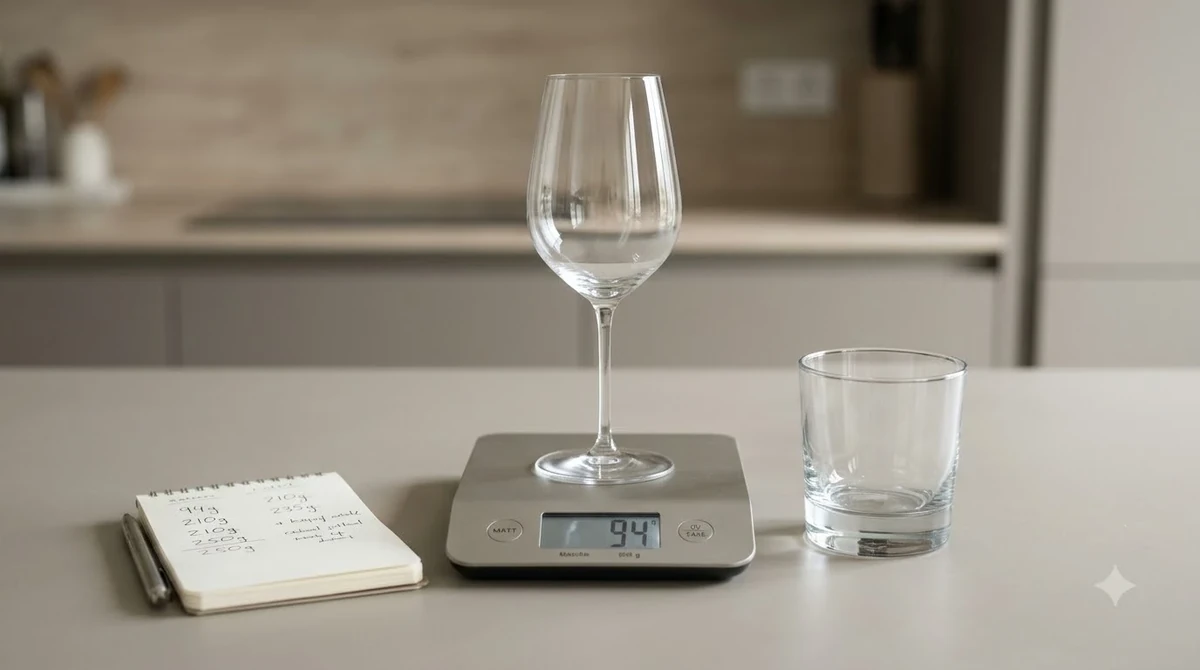
Weight is another positive theme. BestViewsReviews reports that 82% of analyzed users liked the lightweight feel. This is a useful distinction because large wine glasses can become cumbersome if their construction feels heavy or their stems are awkwardly proportioned.
A lighter glass may be more comfortable to hold during a long dinner or tasting. It can also make a generously sized bowl feel less cumbersome. However, lightweight construction has a trade-off: people who prefer thick, sturdy glassware may find a thin crystal design less reassuring.
Stem proportions also receive favorable feedback. BestViewsReviews reports that 85% of analyzed users appreciated the stem length, suggesting that the overall proportions work for many owners. A stem gives the drinker a natural place to hold the glass without wrapping fingers around the bowl.
This matters particularly when serving chilled white wine or rosé. Holding the stem instead of the bowl helps reduce the transfer of warmth from the hand to the wine. For red wines, it also makes it easier to swirl the liquid while keeping the glass relatively stable.
Presentation is another attraction. JBHO emphasizes clear crystal and reusable gift packaging, and its product listings describe an integrated bowl-and-stem design. These details make the Bordeaux set suitable for formal dinners, celebrations, and occasions when ordinary household glasses might look out of place.
Owners also mention the appearance of the glasses as a reason for choosing them. BestViewsReviews reports that 79% of analyzed users liked the elegant design. That response suggests that the product’s visual appeal is a meaningful part of its attraction rather than an incidental feature.
Still, customer feedback should be interpreted carefully. Aggregated review percentages summarize opinions about particular listings; they do not guarantee that every set will have identical proportions, clarity, or finish. Individual glasses can differ, especially when a product emphasizes hand-blown production.
Common Complaints and Durability Concerns
The main concern with JBHO crystal wine glasses is fragility, particularly around the rim, bowl, and stem. Although the manufacturer describes its Bordeaux glasses as suitable for regular washing, owner feedback indicates that some buyers have experienced breakage during ordinary cleaning and handling.
BestViewsReviews reports that 80% of analyzed users were satisfied with the glass quality, while 20% expressed concerns about fragility or manufacturing defects. Some reviewers specifically mentioned bubbles, dark specks, and uneven areas in the glass. Such imperfections are important because buyers choosing clear crystal generally expect a clean, unobstructed appearance.
Hand-blown glass can show small variations, but there is a difference between minor visual character and an obvious defect. A small variation in the glass surface may be acceptable to some owners. A conspicuous dark inclusion, sharp irregularity, or poorly finished rim is a more serious reason to request a replacement.
Breakage during washing is another recurring concern. BestViewsReviews reports that 81% of analyzed users considered the glasses dishwasher-safe, while 19% reported problems with cleaning or durability. The product listing identifies dishwasher use as acceptable, but customer experiences suggest that the practical result may depend on the dishwasher, loading arrangement, and handling.
Dishwasher-safe labeling should not be confused with impact resistance. A glass can tolerate a specified washing environment and still break if it touches another glass, a metal rack, or a hard surface. Tall stemware can be particularly vulnerable when it moves during a wash cycle.
There is also a potential balance issue. A large bowl creates a visually impressive silhouette, but the stem and foot need to support that upper section comfortably. Some owners describe the glasses as delicate or top-heavy, especially when full. This is worth considering if the glasses will be used around crowded dining tables or in households where accidental knocks are common.
Another concern is the difference between advertised durability and actual owner expectations. The product description uses terms such as sturdy and chip-resistant under normal use. Those claims should be understood in context: they do not mean that thin crystal is unbreakable or that it can withstand rough handling.
The practical conclusion is that JBHO’s design prioritizes a lightweight feel and elegant presentation rather than the thick construction associated with basic restaurant tumblers. Buyers who want glassware that can be handled casually without much attention may prefer a heavier alternative.
There is also a difference between an isolated defective glass and a consistent manufacturing problem. Reports of bubbles and inclusions do not establish that every set contains defects, but they do make an inspection after delivery sensible. A replacement policy is useful only if the seller provides a clear process for addressing damaged or imperfect pieces.
Who Should Buy JBHO Wine Glasses and Who Should Skip Them
JBHO makes the most sense for buyers who appreciate fine-looking crystal, lightweight stemware, and larger bowls for red wine. It is less suitable for households that prioritize rugged everyday glassware or frequently put delicate stemware through busy dishwasher cycles.
Red wine drinkers are an obvious audience for the Bordeaux collection. An 18-ounce bowl offers room to swirl wines such as Cabernet Sauvignon, Merlot, and Syrah. These varieties can benefit from a bowl that allows aromas to collect above the wine, although the glass itself does not change the wine’s underlying acidity, tannin, or alcohol content.
Cabernet Sauvignon is relatively high in tannin, while Merlot generally has softer, medium tannins. A large Bordeaux-style bowl provides a practical serving format for both. It is particularly useful when pouring a young red that benefits from some exposure to air before drinking.
People who regularly host dinner parties may also appreciate the presentation. A set of four matching glasses creates a consistent table setting, and the gift packaging makes the product appropriate for housewarming celebrations or occasions involving wine enthusiasts.
However, frequent entertaining also increases the chances of accidental contact between glasses. If guests will be moving around a busy dining room, thicker stemware may be a more practical choice. A delicate crystal glass can look impressive on a carefully arranged table but require more attention during service.
Buyers who are likely to appreciate JBHO
- People who prefer lightweight, clear crystal over heavy everyday glass.
- Red wine drinkers who want a generous 18-ounce Bordeaux-style bowl.
- Hosts who value presentation and coordinated stemware.
- Gift buyers who appreciate reusable packaging and traditional stemmed designs.
- Wine enthusiasts who are comfortable hand-washing delicate glassware.
Buyers who may prefer another option
- Families looking for thick, impact-resistant glasses for frequent everyday use.
- People who regularly stack glassware or have limited cupboard space.
- Households where dishwasher convenience is more important than delicate construction.
- Buyers who dislike inspecting individual glasses for small manufacturing imperfections.
- People who prefer compact, stemless designs for casual gatherings.
Storage space is another consideration. The Bordeaux set’s listed packaging dimensions are 13.4 x 11.9 x 5.2 inches. This gives buyers a useful indication of the box size, although the individual glasses should also be measured against available cupboard height before purchasing.
Those who prefer a more compact serving style can compare stemless wine glasses. Stemless designs avoid the vulnerable stem, although they still need protection against scratches and impacts. They also transfer more warmth from the hand to the wine because the bowl is held directly.
For households that want several wine-specific shapes, a broader selection may make more sense than purchasing a single Bordeaux style. The best choice depends on whether the priority is Cabernet Sauvignon, delicate Pinot Noir, aromatic white wine, or an all-purpose glass for mixed occasions.
How JBHO Compares to Alternative Wine Glass Styles
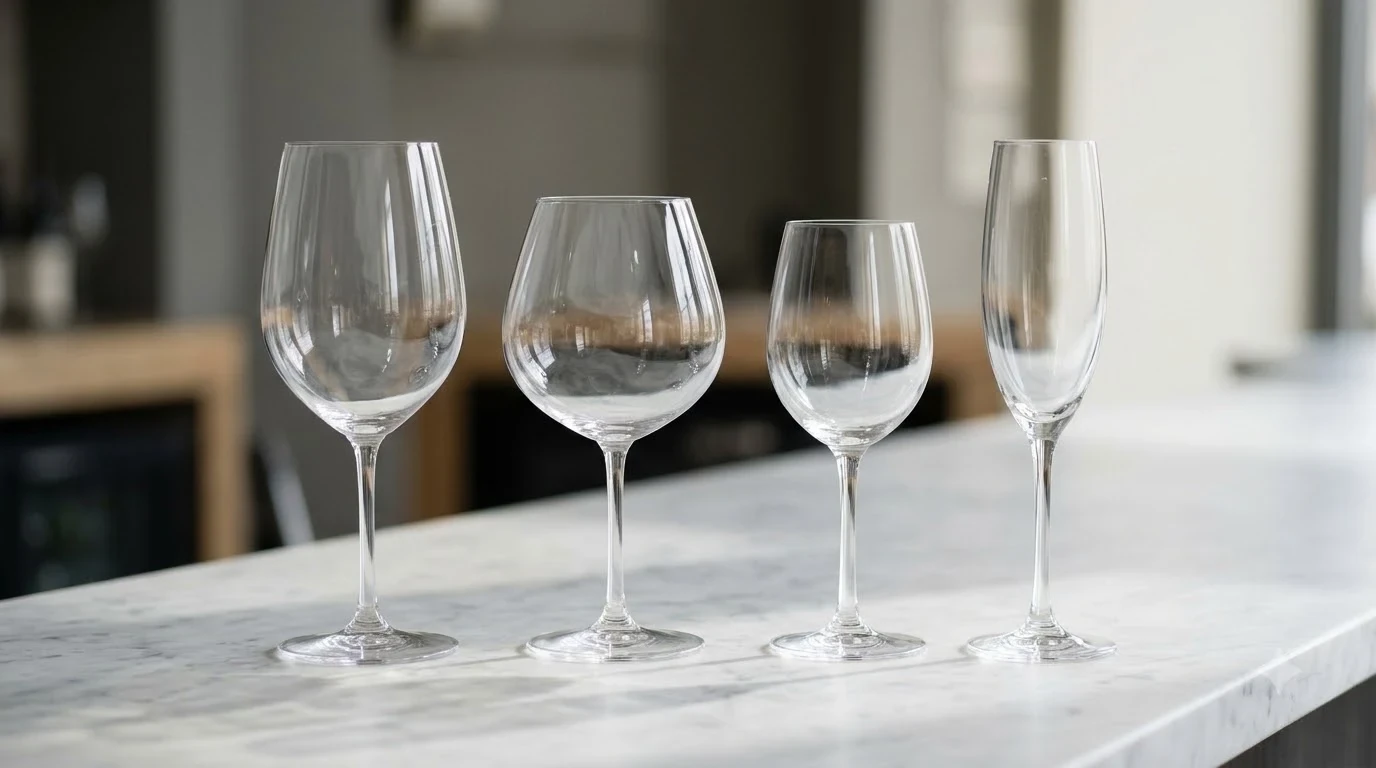
JBHO’s Bordeaux glasses are only one part of its glassware range. The official website also identifies Burgundy, white wine, Champagne flute, universal, and stemless designs, giving buyers several ways to match the glass to the wine and the occasion.
The Bordeaux and Burgundy categories serve different purposes. A Bordeaux glass typically has a taller profile and a narrower bowl than a Burgundy glass. The Burgundy design generally uses a wider bowl, making it useful for wines with more delicate aromatic characteristics, such as Pinot Noir.
For someone who drinks Cabernet Sauvignon frequently, the Bordeaux shape is a logical starting point. Its generous capacity makes swirling straightforward and gives concentrated red wine aromas room to develop inside the bowl. For Pinot Noir, a wider Burgundy bowl can provide a different aromatic experience.
White wine glasses generally have smaller bowls and narrower openings. These proportions are useful for wines such as Sauvignon Blanc and Riesling, which often have pronounced acidity and fresh aromatic profiles. Chardonnay can also be served in a white wine glass, although fuller-bodied examples may benefit from a larger bowl.
Champagne flutes are a more specialized option. Their tall, narrow profile is intended to help preserve the visual display of bubbles in sparkling wine. They are particularly appropriate for celebratory service, although a wider sparkling wine glass can be useful when the wine’s aromas deserve more room.
Universal glasses occupy a practical middle ground. They are useful when the household wants one general-purpose shape instead of maintaining separate sets for different varieties. They may not offer the specialized proportions of a Bordeaux or Burgundy glass, but their versatility can be more valuable in smaller kitchens.
JBHO’s stemless range takes a different approach. Without a stem, these glasses are convenient for casual meals and settings where stability matters. The trade-off is that the wine is held closer to the hand, making temperature control less convenient than with traditional stemware.
For buyers comparing specialized red wine designs, the red wine glasses guide can help distinguish Bordeaux and Burgundy proportions. It is particularly useful for people who drink several red varieties and want to avoid purchasing an unnecessarily specialized set.
The following comparison summarizes the practical differences between the styles identified by JBHO:
| Glass style | Typical shape | Suitable wines | Main advantage |
|---|---|---|---|
| Bordeaux | Tall, generous bowl | Cabernet Sauvignon, Merlot | Room for swirling and aromatic development |
| Burgundy | Wide, rounded bowl | Pinot Noir, aromatic reds | More room for delicate aromas |
| White wine | Smaller, narrower bowl | Sauvignon Blanc, Riesling, Chardonnay | Focused serving and smaller pours |
| Champagne flute | Tall, narrow profile | Champagne and sparkling wine | Visible bubbles and traditional presentation |
| Universal | Balanced multipurpose bowl | Red and white wine | Versatility and simpler storage |
| Stemless | Stem-free bowl | Casual red and white wine service | Convenient handling and stability |
These categories are more important than decorative details when selecting a glass. A beautifully made Bordeaux glass is not automatically the best vessel for every bottle. A light-bodied Pinot Noir, for example, may be better suited to a wider Burgundy shape, while a crisp Sauvignon Blanc generally works well in a narrower white wine bowl.
It is also important to remember that wine glass shape is only one part of the serving experience. Temperature matters considerably. Light whites and rosé are generally served at 45 to 50 degrees Fahrenheit, while full-bodied reds are generally served at 60 to 65 degrees Fahrenheit.
JBHO’s range therefore offers a useful starting point for people who want matching glassware across several occasions. The most sensible approach is to choose the shape that matches the wines actually served at home rather than purchasing every available design.
Care, Cleaning, and What to Check Before Keeping a Set
JBHO lists its Bordeaux glasses as dishwasher-safe, but their thin crystal construction makes careful handling advisable. Buyers who want to protect the rims, stems, and bowls should avoid overcrowding the dishwasher and consider hand-washing when practical.
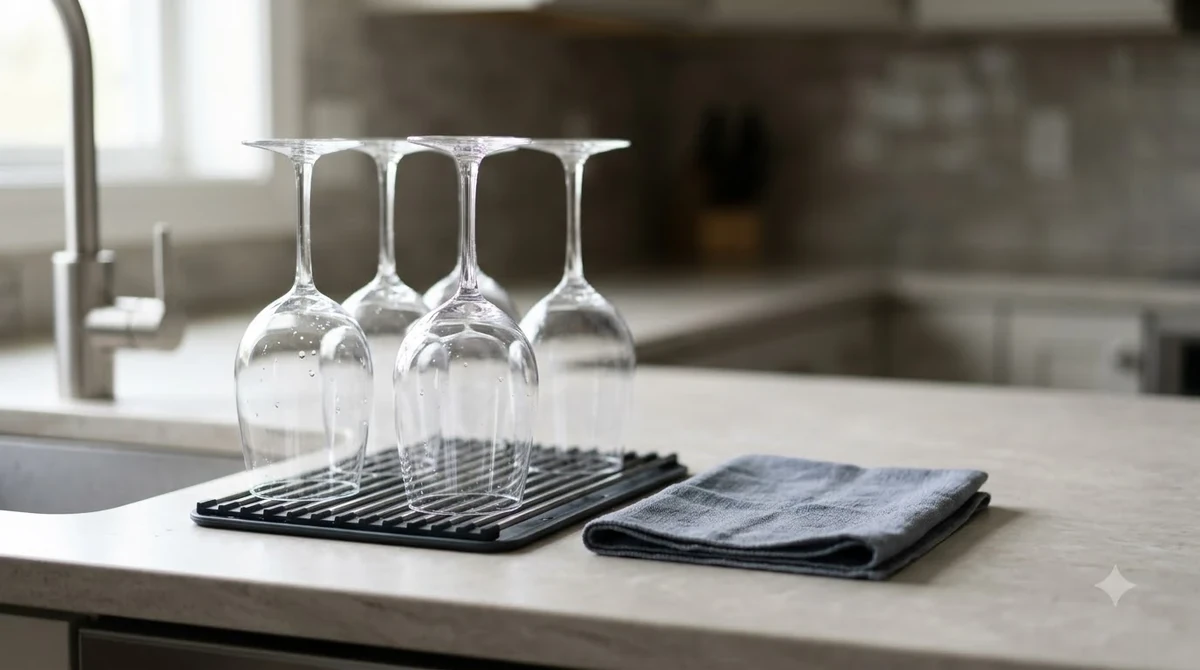
Hand-washing delicate stemware requires a little patience. Use lukewarm water, a small amount of mild dish soap, and a soft sponge or cloth. Avoid twisting the bowl while holding the stem, because opposing pressure can place unnecessary stress on the narrow connection between the two sections.
Instead, support the bowl with one hand while cleaning gently with the other. Pay attention to the rim, where small impacts against a faucet or sink can cause damage. A folded towel placed inside the sink can provide additional protection if a glass slips during washing.
Tip: Even if the product listing identifies a JBHO glass as dishwasher-safe, avoid letting it touch other dishes or stemware. For thin crystal, careful hand-washing is a sensible choice when long-term appearance and breakage prevention matter more than saving a few minutes.
For dishwasher cleaning, consult the dishwasher manufacturer’s stemware guidance and arrange the glasses so they cannot move or collide. A crowded rack can expose delicate stems to vibration and impact. Avoid high-temperature drying settings if the appliance’s instructions or the glassware’s care information recommend a gentler cycle.
Newly delivered sets deserve a thorough inspection before their first use. Check each bowl under good lighting for obvious bubbles, dark inclusions, scratches, and irregularities. Run a finger carefully around the rim to identify rough finishing, without applying unnecessary pressure.
Also inspect the stem-to-bowl connection and the foot. These are important structural areas, and visible cracks or sharp irregularities should not be ignored. If a glass arrives damaged or appears defective, photograph the problem and contact the seller promptly rather than using the piece.
Storage should protect the rim and prevent contact between individual glasses. Keep stemware upright in a cupboard with enough vertical clearance, or use a dedicated glass rack that supports the foot securely. Avoid placing heavy items on top of stored glasses or forcing them into tightly packed spaces.
There is no advantage in stacking delicate stemmed glasses directly inside one another. The pressure can damage the rim or bowl, even if the glasses appear to fit. Separate storage positions are preferable, especially for thin crystal.
Owners should also keep the original packaging if they have room. JBHO promotes reusable gift packaging, and a properly fitted box can be useful for storing glasses during a move or when they are not used regularly. Before placing glasses back into a box, make sure they are completely dry.
These precautions are not exclusive to JBHO. They are sensible practices for most delicate crystal stemware, particularly glasses with thin rims and narrow stems. Buyers who prefer low-maintenance glassware should consider that care requirement before making their decision.
For additional product specifications, the JBHO Bordeaux glass product description at Advanced Mixology provides details about the model, capacity, crystal material, and construction. Comparing those details with the actual glasses received is a useful way to identify discrepancies.
Customer feedback is another useful reference before making a decision. BestViewsReviews’ JBHO Bordeaux owner feedback summary highlights both the appeal of the thin rims and lightweight construction and the concerns about fragility and glass quality.
Frequently Asked Questions
Are JBHO wine glasses made in Italy?
JBHO uses Italian-style and Italian-inspired language in its product descriptions, but that wording does not establish that the glasses are manufactured in Italy. The available product information identifies hand-blown construction without providing sufficient evidence to confirm an Italian manufacturing location. Buyers who specifically want Italian-made glassware should request country-of-origin information from the seller.
Can JBHO crystal wine glasses be used for water or cocktails?
Yes, a Bordeaux wine glass can also serve water, spritzes, and certain cocktails if the drink fits comfortably inside the bowl. Its large capacity provides room for ice and garnishes, although the delicate stem makes it less practical for drinks that require vigorous stirring. A dedicated rocks glass is generally a more convenient choice for spirit-forward cocktails.
Can JBHO wine glasses be used for wine tastings?
Yes, the Bordeaux and Burgundy shapes can be used for informal comparative tastings. For a structured tasting, use the same glass shape and pour size for every wine so that differences in presentation do not become an unnecessary variable. A 5-ounce serving is more than sufficient for ordinary wine service, while smaller tasting pours leave additional room for swirling.
Do JBHO crystal glasses have a distinctive sound when tapped?
Crystal stemware can produce a clear ringing sound when gently tapped, but the sound varies with glass thickness, shape, and construction. It is not a reliable way to verify the material composition or determine whether a glass is lead-free. Product documentation is a better source for confirming material information.
Are replacement glasses available individually?
Individual replacement availability is not consistently established by the published product information. Some sellers may offer assistance with damaged deliveries or defective pieces, but replacement arrangements depend on the seller’s current policies and available inventory. Contact the original retailer with the model number and order details before assuming that a single replacement glass can be purchased.
JBHO wine glasses offer an appealing combination of hand-blown crystal construction, lightweight handling, thin rims, and traditional wine-specific shapes. The Bordeaux set is especially attractive for Cabernet Sauvignon and other full-bodied reds, but its delicate construction makes careful washing, storage, and inspection important. Buyers who value elegant presentation and are comfortable handling fine stemware should find the range worth considering, while those who need hard-wearing everyday glasses may be better served by sturdier alternatives.
More in Wine Glasses
 Zwiesel Glas Champagne Flutes for Durable Everyday Sparkling WineUpdated Nov 20, 2026
 Vera Wang Crystal Wine Glasses: Design, Quality and Buying AdviceUpdated Nov 20, 2026
 West Elm White Wine Glasses: Compare Designs for Better Everyday Wine ServiceUpdated Nov 20, 2026
 Zalto Stemless Wine Glasses: Discover Their Distinctive DesignsUpdated Nov 20, 2026
 Viski Champagne Glasses That Match Your Style and Sparkling WineUpdated Nov 20, 2026
 Vista Alegre Decanter Review: Crystal Style and Wine ServiceUpdated Nov 20, 2026