

We may earn a commission when you buy through links on this page, at no extra cost to you. Learn more.
The ideal pinotage serving temperature is between 60°F and 68°F (15°C to 20°C) for classic red styles, placing it right at traditional cellar temperature. Lighter, fruit-forward red expressions shine near the cooler 57°F to 61°F (14°C to 16°C) mark, while fuller, oak-aged bottles show best between 61°F and 64°F (16°C to 18°C). If you are pouring a rare rosé or sparkling version of this South African grape, chill it much further down to between 43°F and 50°F (6°C to 10°C).
Serving South Africa’s signature red grape slightly below modern room temperature keeps its dark berry fruit crisp while preventing alcohol heat or smoky oak notes from overwhelming your palate. Because modern American homes typically sit around 70°F to 73°F (21°C to 23°C), pulling a bottle straight off a kitchen counter or dining room rack usually results in a wine that tastes heavy, jammy, and out of balance.
What It Is
Pinotage is a distinctive red wine grape created in South Africa in 1925 by Professor Abraham Izak Perold at Stellenbosch University. He successfully crossed Pinot Noir with Cinsaut—known locally in South Africa at the time as Hermitage—to combine the noble complexity of Burgundy with the heat tolerance and resilience of a Mediterranean workhorse.
Although Perold planted the initial seeds in his garden, the variety nearly vanished before being rescued and propagated decades later. The first commercial wine labeled as Pinotage came from the 1959 vintage at Bellevue and was released under the Lanzerac label in 1961. Today, it stands as South Africa’s flagship red cultivar and an emblem of the country’s modern winemaking identity.
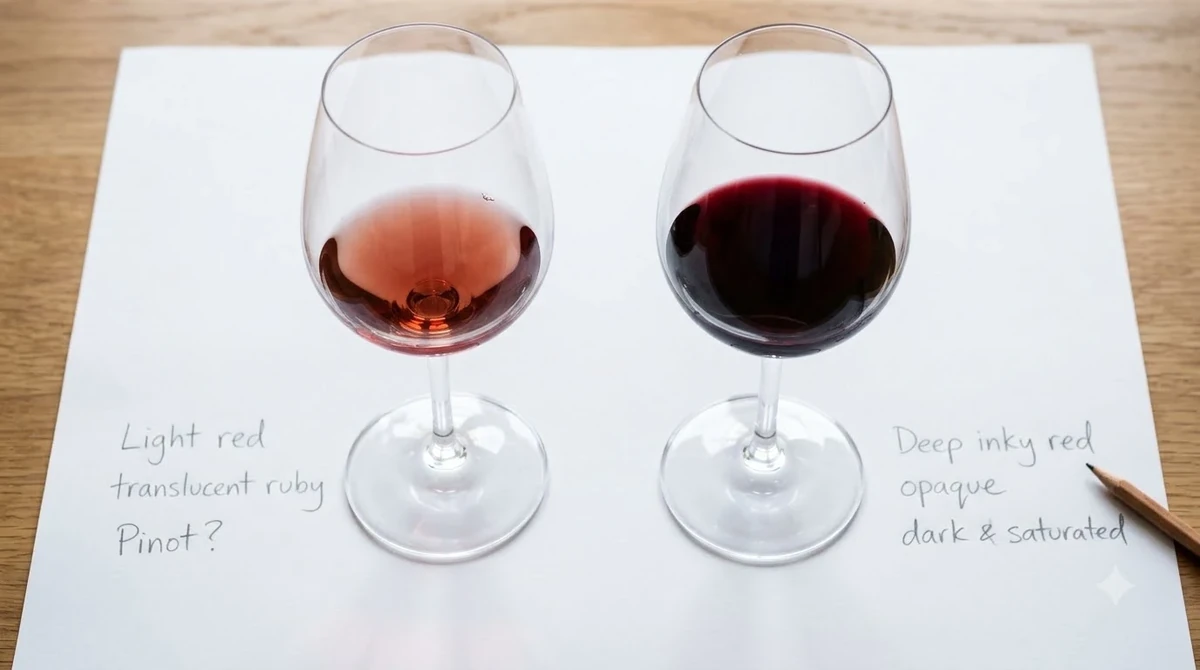
In the vineyard and the glass, Pinotage carries high levels of anthocyanins, which give the finished wine a deep, inky purple-red hue. Depending on how winemakers handle fermentation temperatures and oak aging, the grape can yield everything from bright, easy-drinking weekday reds to deeply structured, age-worthy bottles.
Flavor and Styles
Pinotage spans a wide stylistic spectrum, offering primary flavors of ripe black cherry, dark plum, mulberry, and red raspberry alongside savory accents of sweet pipe tobacco, smoke, licorice, and roasted coffee. Winemaking choices heavily influence whether a bottle leans toward bright, juicy red berries or plush, oak-driven richness.
According to tasting notes from Wine Folly’s comprehensive guide to Pinotage, classic expressions deliver medium-to-high tannins and dry, full-bodied weight balanced by fresh natural acidity. When grapes reach full phenolic ripeness in warmer vineyard sites, those tannins feel supple and velvety rather than harsh.
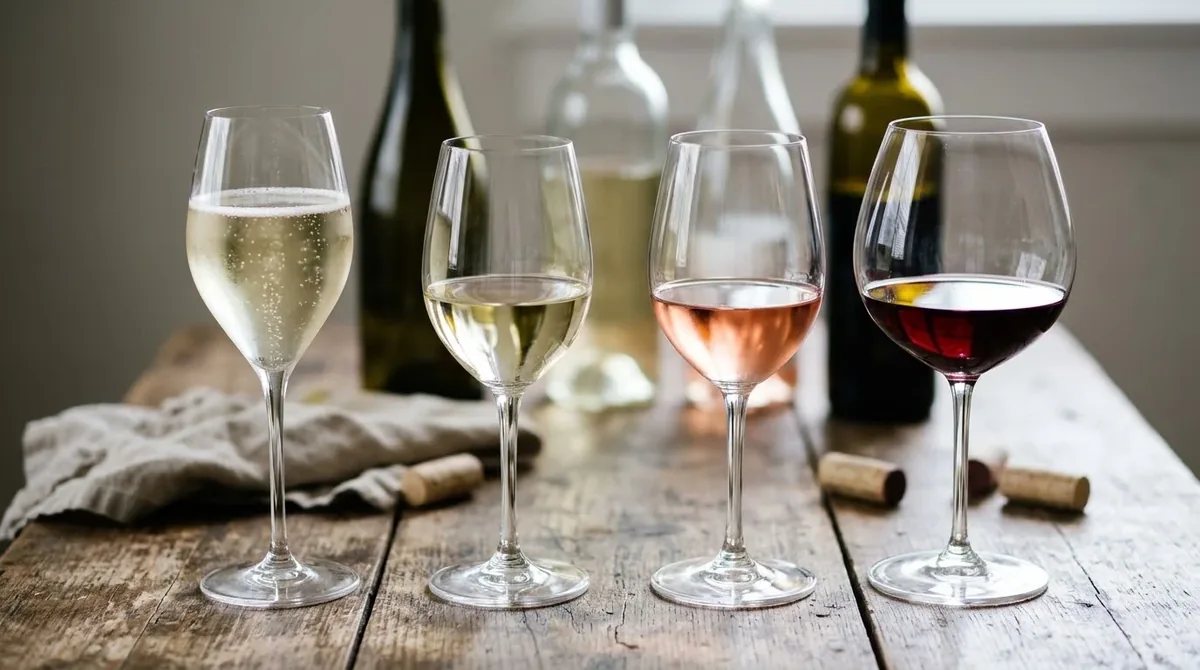
Beyond traditional dry red wines, South African producers craft several distinct variations that demand very different service approaches. Lighter, unoaked or minimally oaked red styles emphasize fresh strawberry and raspberry notes with softer tannins. You will also encounter coffee-style Pinotage aged with toasted oak staves to accentuate mocha flavors, crisp dry Pinotage rosé made with brief skin contact, and even white or sparkling bottlings.
Where It Grows
While small plantings exist in countries such as New Zealand, Zimbabwe, Brazil, and the United States, the overwhelming majority of the world’s Pinotage grows in South Africa’s Western Cape. Regional microclimates across the Cape play a major role in shaping the final alcohol level, tannin structure, and ideal serving range of each bottle.
Stellenbosch serves as the historic heartland of quality Pinotage, producing structured, full-bodied wines with concentrated dark fruit, integrated oak, and the capacity to age for a decade or more. In nearby Paarl, warmer growing conditions yield generous, fruit-forward bottles packed with black cherry, raspberry, and subtle earthy spice.
Swartland and Durbanville represent two other vital Western Cape districts. Old, dry-farmed bush vines in the Swartland frequently produce concentrated, savory wines with firm grip, whereas cooler coastal breezes in Durbanville or higher-elevation slopes in Stellenbosch preserve brisk acidity and brighter red-fruit aromatics.
How to Serve
Getting the pinotage serving temperature right comes down to matching the chill level to the body and oak profile of your specific bottle. Serving red Pinotage slightly cooler than ambient room temperature brings the fruit into sharp focus, keeps tannins feeling clean, and prevents high alcohol from burning your nose.
As detailed in the Pinotage tasting and service guide, pouring a red wine at 72°F (22°C) causes fruit flavors to taste jammy and makes oak feel heavy. Conversely, chilling a bold red below 54°F (12°C) mutes its complex bouquet and makes the tannins taste astringent and hard.
| Pinotage Style | Ideal Temperature (°F) | Ideal Temperature (°C) | Fridge Chill Time from Room Temp |
|---|---|---|---|
| Light, fresh, fruit-forward red | 57°F – 61°F | 14°C – 16°C | 30 – 45 minutes |
| Classic medium-bodied red | 61°F | 16°C | About 30 minutes |
| Full-bodied, oak-aged, premium red | 61°F – 64°F | 16°C – 18°C | 15 – 20 minutes |
| Pinotage rosé or white Pinotage | 46°F – 50°F | 8°C – 10°C | 2+ hours (serve from fridge) |
| Sparkling Pinotage | 43°F – 46°F | 6°C – 8°C | 2+ hours (serve well chilled) |
Beyond temperature, glassware and aeration improve the tasting experience. Pour red Pinotage into a universal wine glass or a large Bordeaux-style bowl that narrows slightly toward the rim to concentrate its smoky, dark-fruit aromas. Young, structured, oak-aged reds benefit from 30 minutes to one hour in a decanter so oxygen can soften their firm tannins. Lighter red bottlings, rosés, and sparkling styles need no decanting at all.
Tip: Wine warms up by roughly two to three degrees within minutes of hitting a room-temperature glass, so aim for the lower end of your target temperature range before pouring.
Food Pairing
Pinotage is celebrated across South Africa as the ultimate companion for food cooked over live fire, particularly a traditional backyard braai. Its combination of smoky undertones, dark fruit sweetness, and medium-to-high tannins cuts effortlessly through charred meats and rich, savory marinades.
When serving a full-bodied, oak-aged red Pinotage at 61°F to 64°F (16°C to 18°C), pair it with grilled ribeye steaks, smoked pork ribs, lamb chops, or venison. The slight chill keeps the wine refreshing between bites of fatty meat, while its roasted coffee and spice notes echo the caramelized crust from the grill.
Lighter, fruit-driven red expressions served around 57°F to 61°F (14°C to 16°C) work wonderfully with roast duck, pork belly, gourmet burgers, and mildly spiced Cape Malay curries. If you open a chilled Pinotage rosé at 46°F to 50°F (8°C to 10°C), serve it alongside grilled prawns, summer salads, or soft cheeses. Understanding how temperature interacts with body and sweetness applies across all Wine by Type, just as delicate aromatics dictate the ideal sauternes serving temperature for dessert pairings.
How to Choose a Bottle
Selecting the right Pinotage starts with checking the label for regional cues, oak aging indicators, and alcohol levels to match your occasion. Because winemakers treat this grape in vastly different ways, knowing what style sits inside the bottle ensures you chill and decant it properly before guests arrive.
Look for bottles from Stellenbosch or old-vine Swartland bottlings if you want a structured, age-worthy red with firm tannins and layered dark fruit. Producers like Kanonkop in Stellenbosch have set the benchmark for cellar-worthy Pinotage capable of evolving for 10 to 15 years or more. For an approachable, juicy weekday pour, seek out younger, fruit-forward labels from Paarl or Coastal Region blends that list moderate alcohol and minimal oak influence.
Proper storage before opening is equally important for preserving freshness. Keep unopened bottles resting horizontally in a cool, dark spot around 55°F (13°C) away from kitchen heat and direct sunlight. If you enjoy exploring temperature nuances across other fermented beverages, you can apply similar cooling principles when dialing in mead serving temperature or fine-tuning sake serving temperature at home.
Frequently Asked Questions
Should you chill red Pinotage before serving?
Yes, giving red Pinotage a brief chill is strongly recommended because typical room temperatures of 70°F to 73°F (21°C to 23°C) are too warm for red wine. Placing a bottle in the refrigerator for 15 to 30 minutes brings it down to the ideal 60°F to 65°F (15°C to 18°C) window, keeping the fruit crisp and preventing alcohol from dominating the nose.
What happens if Pinotage is served too warm?
When Pinotage is poured above 68°F (20°C), volatile alcohol fumes become prominent and create a hot, burning sensation on the palate. High temperatures also flatten the wine’s natural acidity, making dark berry flavors taste overly jammy and causing oak or roasted coffee notes to feel heavy and bitter.
How long does it take to chill Pinotage in an ice bucket?
An ice bucket filled with equal parts ice and cold water chills a bottle much faster than a standard kitchen refrigerator. A room-temperature bottle of red Pinotage typically reaches cellar temperature in just 5 to 10 minutes, so check the bottle frequently to avoid over-chilling it below 55°F (13°C).
Does Pinotage need to be decanted?
Young, full-bodied, oak-aged Pinotage benefits greatly from 30 minutes to one hour in a decanter to soften its firm tannins and open up dark fruit aromas. Lighter, fruit-forward red styles, rosés, and sparkling Pinotage do not require decanting and can be poured straight into the glass.
Dialing in the proper pinotage serving temperature transforms South Africa’s signature grape from a heavy, rustic red into a vibrant, layered wine with unmistakable character. A quick 20-to-30-minute rest in the refrigerator before dinner is all it takes to keep its dark berry fruit bright, its tannins polished, and its smoky spice in complete harmony.
More in Wine Types & Grapes
 What Does Mourvèdre Taste Like? Flavor Profile, Regions, and PairingsUpdated Nov 20, 2026
 What Does Marsanne Taste Like? Flavors, Styles, and Food PairingsUpdated Nov 20, 2026
 What Does Malvasia Taste Like? Styles, Flavors, and Food PairingsUpdated Nov 20, 2026
 What Does Grenache Blanc Taste Like? Flavor Profile, Styles, and PairingsUpdated Nov 20, 2026
 What Does Garnacha Taste Like? Key Flavors, Styles, and Pairing TipsUpdated Nov 20, 2026
 What Does Fruit Wine Taste Like? A Complete Flavor and Style BreakdownUpdated Nov 20, 2026