

We may earn a commission when you buy through links on this page, at no extra cost to you. Learn more.
Pinot Blanc alcohol content typically ranges from 11.5% to 13.5% ABV, though riper styles from warm regions can reach up to 15% ABV. Most everyday dry bottlings sit right around 12% to 13% ABV, placing this white wine comfortably in the medium-alcohol category. Sparkling expressions like Crémant d’Alsace generally land closer to 12% ABV, while barrel-aged reserves from sunny climates push toward the upper end of the spectrum.
Understanding how much alcohol sits in your glass helps you pick the right bottle for dinner, pace an evening with friends, or decide how cold to chill a white wine before pulling the cork. Because Pinot Blanc goes by several regional aliases—including Pinot Bianco in Italy and Weissburgunder in Germany and Austria—checking the label for both regional clues and exact ABV numbers gives you a reliable preview of how crisp or full-bodied the wine will taste.
What It Is
Pinot Blanc is a light-skinned white wine grape that originated as a natural genetic color mutation of red Pinot Noir, belonging to the same historic Pinot family as Pinot Gris. According to Wine Folly, the grape is prized for producing dry, refreshing white wines with moderate acidity, subtle fruit, and virtually zero tannin.
In the vineyard, Pinot Blanc vines share almost identical leaves and cluster shapes with Pinot Noir and Pinot Gris, differing mainly in the pale green-gold skin color of the berries at harvest. Because the grape retains natural freshness well while steadily accumulating sugar in moderate climates, winemakers can harvest it early for bright, lower-alcohol sparkling wines or let it hang longer on the vine for richer still bottlings. Compared with other aromatic or high-acid whites—which you can explore further in our guide to Wine by Type—Pinot Blanc offers a quieter, rounder personality that relies on texture and balance rather than loud aromatics.
The variety also carries different names depending on where it grows, which occasionally confuses shoppers scanning wine shop shelves. In France and North America, labels read Pinot Blanc; in northern Italy, producers call it Pinot Bianco; and across Germany and Austria, it appears as Weissburgunder. Regardless of the name on the front label, all of these bottlings share the same genetic backbone and sit within a predictable, food-friendly alcohol window.
Flavor and Styles
Pinot Blanc delivers a clean, approachable flavor profile anchored by green apple, pear, white peach, lemon zest, and a signature hint of raw almond on the finish. Its alcohol level directly shapes whether those flavors feel crisp and mineral-driven or creamy and broad across the palate.
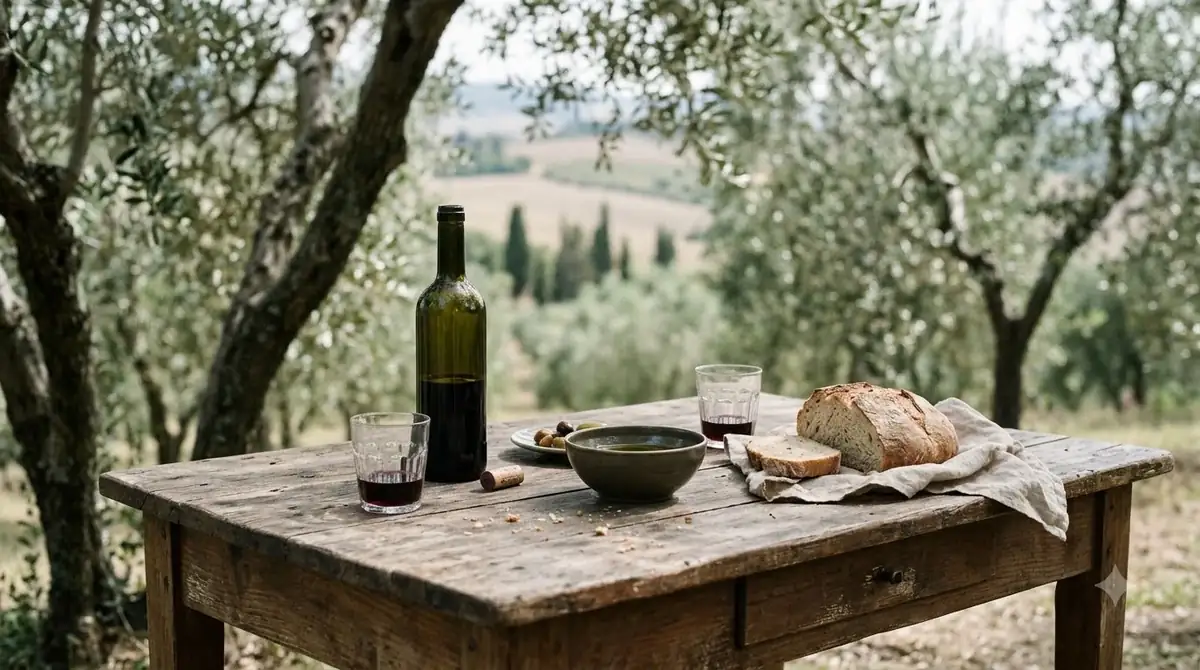
Unoaked, stainless-steel bottlings make up the majority of entry-level and mid-tier Pinot Blanc on the market, typically checking in between 11.5% and 13% ABV. In this style, winemakers ferment the juice at cool temperatures to lock in bright orchard fruit, subtle floral notes, and crushed-gravel minerality without adding wood spice or heavy body. Because alcohol stays moderate, the finish feels snappy and refreshing rather than warm or weighty.
At the richer end of the spectrum, winemakers in warmer pockets or top vineyard sites sometimes ferment and age Pinot Blanc in neutral or lightly toasted oak barrels, often stirring the lees for extra creaminess. These fuller-bodied interpretations frequently reach 13.5% to 15% ABV, trading snappy citrus notes for baked apple, toasted almond, and brioche-like weight. Meanwhile, traditional-method sparkling wines such as Crémant d’Alsace rely heavily on early-picked Pinot Blanc to maintain brisk acidity and a modest 12% ABV.
| Style or Region | Local Grape Name | Typical ABV Range | Body & Texture |
|---|---|---|---|
| Crémant d’Alsace (Sparkling) | Pinot Blanc | 11.5% – 12.5% | Light, crisp, fine bubbles |
| Alto Adige (Northern Italy) | Pinot Bianco | 12.5% – 13.5% | Light-to-medium, stony, precise |
| Alsace Still White (France) | Pinot Blanc | 12.5% – 13.5% | Medium, round, soft fruit |
| Baden & Pfalz (Germany) | Weissburgunder | 12.5% – 14.0% | Medium-to-full, occasionally oaked |
| Warm-Climate Reserve (California / Oregon) | Pinot Blanc | 13.5% – 15.0% | Full, creamy, ripe orchard fruit |
Where It Grows
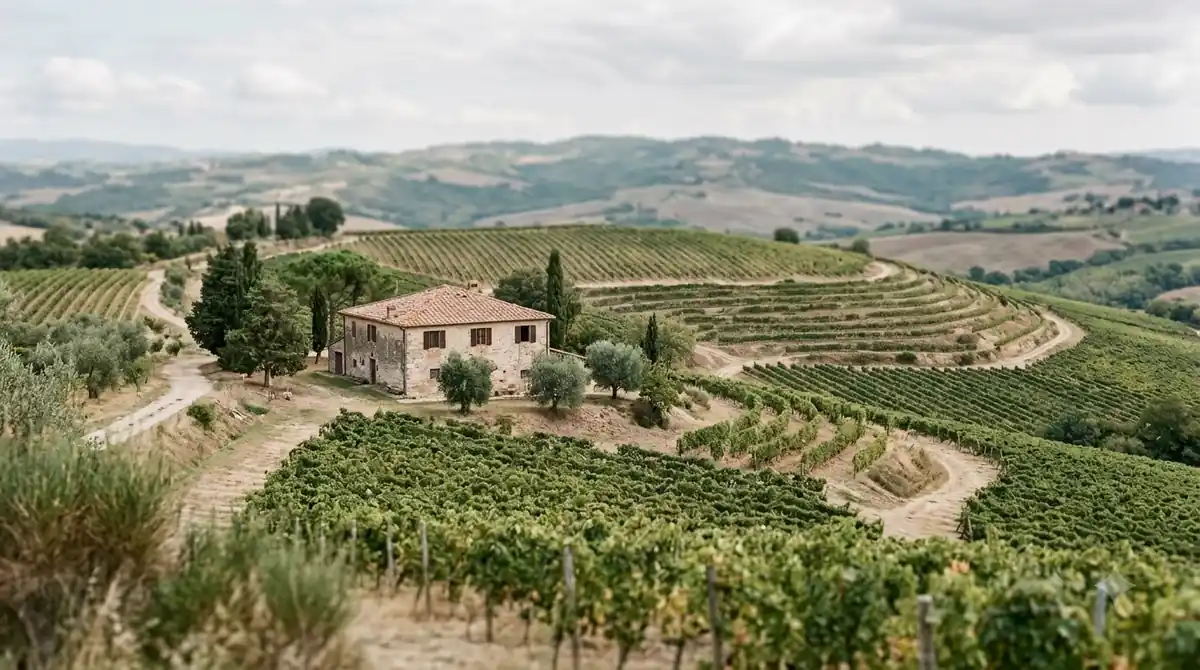
Pinot Blanc thrives in cool-to-moderate wine regions across Europe and North America, where warm daytime sunshine ripens the fruit while crisp night air preserves natural acidity and keeps alcohol levels balanced. Germany holds the largest plantings worldwide, followed closely by France, northern Italy, Austria, and cool pockets of the United States.
In northeastern France, Wine Enthusiast notes that Alsace is famous for both still Pinot Blanc—often blended smoothly with its closely related neighbor Auxerrois—and sparkling Crémant d’Alsace. Across the border in Germany’s sunny Baden and Pfalz regions, Weissburgunder ranges from brisk, stainless-steel everyday pours around 12.5% ABV to barrel-aged single-vineyard bottlings that approach 14% ABV. In northern Italy’s Alpine region of Alto Adige, high-elevation vineyards produce remarkably clean, mineral-laced Pinot Bianco bottlings that usually sit right around 13% ABV.
In the United States, Pinot Blanc has found welcoming homes in Oregon’s Willamette Valley, California’s Mendocino County and Santa Maria Valley, and New York’s Finger Lakes. Cool-climate Finger Lakes examples can register as low as 11.1% ABV with razor-sharp citrus notes, whereas sunnier Mendocino and Central Coast bottlings typically land between 13% and 14.5% ABV with riper stone-fruit character. If you enjoy comparing how regional climate shifts white wine strength, our look at chenin blanc alcohol content shows a similar swing between cool-climate crispness and warm-climate richness.
How to Serve
Serve dry Pinot Blanc well chilled at 45°F to 50°F (7°C to 10°C) for crisp, unoaked bottlings, and slightly warmer at 50°F to 55°F (10°C to 13°C) for richer, barrel-aged expressions. Controlling serving temperature prevents higher-alcohol bottlings from feeling hot on the finish while keeping lighter styles lively.
A standard household refrigerator runs around 35°F to 38°F, which is cold enough to mute Pinot Blanc’s delicate pear, white peach, and almond aromas if you pour straight from the shelf. Pulling an unoaked bottle out of the fridge 15 to 20 minutes before pouring allows it to warm into the ideal 45°F to 50°F window. If you are opening an oak-aged Weissburgunder or a 14% ABV reserve bottling, letting it rest on the counter for 25 to 30 minutes softens its texture and brings out subtle nutty complexity without exaggerating the warmth of the alcohol.
For glassware, a standard medium-sized white wine glass with a gently tapered bowl focuses Pinot Blanc’s subtle orchard-fruit aromatics toward your nose while directing the wine cleanly across the center of your palate. Sparkling Crémant d’Alsace shines best colder, around 41°F to 45°F, served in a tulip glass rather than a narrow flute so both the bubbles and the soft apple-blossom notes have room to open up.
Tip: Check the ABV on the back label before chilling—bottles at 12.5% ABV or lower taste best straight from a cool chill, while bottlings above 13.5% ABV open up noticeably after 15 minutes out of the fridge.
Food Pairing
Pinot Blanc’s moderate alcohol, gentle acidity, and lack of heavy oak make it one of the most adaptable food wines at the dinner table. Because it neither overwhelms delicate dishes with high alcohol nor clashes with mild spices, it bridges light appetizers and richer main courses effortlessly.
Lighter, crisp bottlings around 11.5% to 12.5% ABV pair naturally with flaky white fish, steamed mussels, crab cakes, fresh goat cheese, and spring vegetable dishes like asparagus risotto or herb salads. The wine’s clean citrus edge cuts through light butter and cream sauces while echoing subtle herbal notes in the food. Sparkling Crémant d’Alsace works just as well alongside fried appetizers, sushi rolls, or salty charcuterie boards.
When you step up to medium- and fuller-bodied Pinot Blanc at 13% to 14.5% ABV, the added weight stands up comfortably to roast chicken, pork tenderloin with apples, creamy mushroom pasta, and semi-soft cheeses such as Gruyère, Comté, or young Brie. Unlike high-alcohol wines—or sweet, concentrated styles covered in our breakdown of ice wine alcohol content and fortified classics in marsala alcohol content—Pinot Blanc keeps your palate refreshed between bites without causing palate fatigue.
How to Choose a Bottle
Finding the exact style of Pinot Blanc you want comes down to scanning three quick clues on the bottle: regional origin, ABV percentage, and mentions of oak or reserve aging. Using those three details together takes the guesswork out of buying a grape that spans both featherlight and full-bodied styles.
If you prefer a crisp, zesty white wine similar to Pinot Grigio or unoaked Sauvignon Blanc, look for bottles labeled Pinot Bianco from Italy’s Alto Adige, Pinot Blanc from Alsace, or cool-climate bottlings from the Finger Lakes with an ABV between 11.5% and 13%. These bottles almost always see stainless-steel fermentation, delivering bright pear, green apple, and stony minerality with a light, refreshing finish.
If you usually gravitate toward fuller white wines like Chardonnay, look for German Weissburgunder labeled Trocken from Baden or Pfalz, or West Coast Pinot Blanc from Oregon and California with an ABV between 13.5% and 14.5%. Terms like “Reserve,” “Barrique,” or “old vines” on the label also signal extended lees contact or oak aging, pointing toward a richer, creamier glass with noticeable toasted-almond depth.
Frequently Asked Questions
Is Pinot Blanc considered a high-alcohol wine?
No, Pinot Blanc is generally a moderate-alcohol white wine, with most bottles falling between 11.5% and 13.5% ABV. Only select warm-climate or barrel-aged reserve bottlings reach 14% to 15% ABV, which still sits comfortably below many warm-climate Chardonnays and red wines.
How does Pinot Blanc alcohol content compare to Pinot Grigio?
Pinot Blanc and Pinot Grigio share nearly identical alcohol ranges, typically landing between 12% and 13.5% ABV. Pinot Blanc often feels slightly rounder and softer on the mid-palate than crisp Italian Pinot Grigio, even when both bottles carry the exact same ABV percentage.
Are Pinot Bianco and Weissburgunder the same grape with the same ABV?
Yes, Pinot Bianco (Italy) and Weissburgunder (Germany and Austria) are regional names for the exact same Pinot Blanc grape. Both generally range from 12% to 13.5% ABV, though warmer German regions like Baden occasionally produce barrel-aged Weissburgunder closer to 14% ABV.
Does Pinot Blanc contain any residual sugar?
The vast majority of Pinot Blanc is fermented completely dry, meaning yeast converts nearly all grape sugar into alcohol. A few traditional bottlings from Alsace or off-dry German styles may retain a whisper of softness, which usually lowers their finished ABV slightly toward 11.5% to 12%.
Whether you pick up a brisk 12% ABV bottle of Italian Pinot Bianco for weeknight seafood or a creamy 13.8% ABV reserve for roast poultry, checking the label’s alcohol percentage gives you an instant read on what is inside. Keep a bottle chilled in the fridge for an hour or two before dinner, let it warm slightly in the glass, and enjoy one of the most versatile white wines available.
More in Wine Types & Grapes
 What Does Mourvèdre Taste Like? Flavor Profile, Regions, and PairingsUpdated Nov 20, 2026
 What Does Marsanne Taste Like? Flavors, Styles, and Food PairingsUpdated Nov 20, 2026
 What Does Malvasia Taste Like? Styles, Flavors, and Food PairingsUpdated Nov 20, 2026
 What Does Grenache Blanc Taste Like? Flavor Profile, Styles, and PairingsUpdated Nov 20, 2026
 What Does Garnacha Taste Like? Key Flavors, Styles, and Pairing TipsUpdated Nov 20, 2026
 What Does Fruit Wine Taste Like? A Complete Flavor and Style BreakdownUpdated Nov 20, 2026