

We may earn a commission when you buy through links on this page, at no extra cost to you. Learn more.
Classic picpoul tasting notes center on zesty lemon, lime zest, crisp green apple, white blossom, and a distinctly briny, sea-spray finish. Made primarily from the Piquepoul Blanc grape in southern France, this light-to-medium-bodied dry white wine is famous for mouthwatering acidity that literally translates from French as “lip stinger.” Most bottles sit between 12 and 13 percent ABV, see zero oak aging, and deliver a clean, mineral-driven palate built for shellfish and warm weather.
If you usually reach for Sauvignon Blanc, Pinot Grigio, or Muscadet when you want something crisp and refreshing, Picpoul belongs on your radar. While it has long been a staple along the Mediterranean coast of France, American wine drinkers and winemakers have increasingly embraced its vibrant energy, saline edge, and versatility at the dinner table.
What Is Picpoul?
Picpoul (spelled Piquepoul in French grape catalogs) is an ancient white wine grape native to the Languedoc region of southern France that produces bone-dry, high-acid wines. Its name translates directly to “lip stinger,” a playful nod to the electric tartness the grape retains even under the warm Mediterranean sun.
Although the Piquepoul family actually includes dark-skinned mutations like Piquepoul Noir and Piquepoul Gris, virtually every bottle labeled simply as Picpoul is made from Piquepoul Blanc. According to Wine Folly, the variety has surged in popularity precisely because it holds onto razor-sharp natural acidity in climates where other white grapes turn heavy or flabby. Instead of relying on sugar or heavy oak barrels for appeal, Picpoul showcases pure fruit, herbal nuance, and coastal salinity.
When you see “Picpoul de Pinet” on a label, you are looking at a protected French appellation (AOP) covering six coastal villages in the Languedoc. By law, Picpoul de Pinet must be made from 100 percent Piquepoul Blanc and fermented dry, with residual sugar capped at no more than 3 grams per liter. Bottles labeled simply with the grape name outside that specific zone follow looser rules, though nearly all producers still vinify the grape in a bright, unoaked style.
Flavor Profile and Styles
On the nose and palate, Picpoul balances sharp citrus and orchard fruit with delicate white flowers, wild Mediterranean herbs, and a salty, crushed-shell finish. Depending on winemaking choices and climate, bottles range from laser-focused and zesty to slightly rounder and more textural.
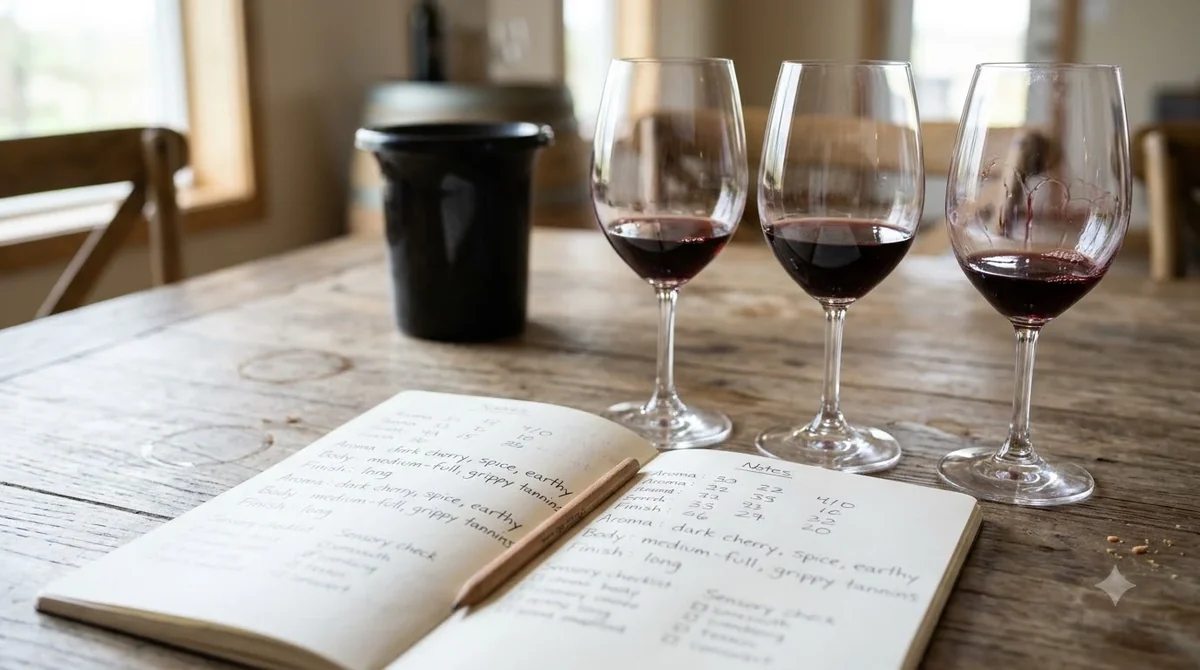
When you swirl a glass of young, stainless-steel-fermented Picpoul, the first aromas to jump out are freshly squeezed lemon, lime zest, and tart green apple. Underneath that bright citrus core, reviewers at VinePair frequently point out secondary layers of white blossoms, thyme, sage, wet stone, and an unmistakable ocean-spray salinity. In warmer vintages or sunnier vineyards, you will also catch subtle hints of white peach, honeydew melon, and ripe pear softening the edges.
Structurally, the wine is light to medium in body with brisk, mouthwatering acidity that makes the sides of your tongue tingle right after you swallow. Most winemakers block malolactic fermentation—the secondary process that converts tart malic acid into creamier lactic acid—to preserve that signature snap. However, a growing number of producers age a portion of their wine on the dead yeast cells (known as sur lie aging) for several months, which adds a subtle toasted-bread note and a silkier, rounder mouthfeel without masking the grape’s natural freshness.
| Attribute | Standard Unoaked Picpoul | Sur Lie / Extended Lees Picpoul | Warm-Climate New World Picpoul |
|---|---|---|---|
| Primary Aromas | Lemon, lime zest, green apple, hawthorn blossom | Preserved lemon, white peach, light brioche | Pineapple, honeydew melon, apricot, white flowers |
| Palate & Body | Light-bodied, razor-sharp, linear | Light-to-medium body, creamy mid-palate | Medium-bodied, supple fruit with bright lift |
| Finish | Briny, crushed-shell salinity | Long, savory, mineral and lightly nutty | Crisp citrus peel with subtle herbal spice |
| Typical ABV | 12% – 12.5% | 12.5% – 13% | 11% – 13% |
If you enjoy comparing crisp white styles, Picpoul sits neatly between the steely, flinty restraint of Loire Valley Muscadet and the punchier herbal intensity highlighted in classic Sancerre tasting notes. It shares Sancerre’s thirst-quenching acid drive while swapping out grassy gooseberry notes for coastal salinity and Mediterranean garrigue herbs.
Where Picpoul Grows
Picpoul’s heartland is the sunny Languedoc coast of southern France, though small, acclaimed plantings have taken root in the Rhône Valley, California, Texas, and Washington State. Wherever it is planted, the grape thrives in warm, dry conditions where cooling breezes help preserve its signature acidity.
In France, the epicenter of production is the Picpoul de Pinet AOP, situated along the Étang de Thau—a large saltwater lagoon separated from the Mediterranean Sea by a narrow strip of sand. Vineyards spread across limestone and clay plateaus overlooking the water, benefiting from constant sea breezes that moderate summer heat and impart a subtle maritime character to the grapes. Beyond Pinet, Piquepoul Blanc also plays a supporting role as one of the traditional permitted blending grapes in Châteauneuf-du-Pape and Côtes du Rhône whites, where winemakers use it to inject lift and freshness into richer blends built around Grenache Blanc, Marsanne, and Viognier—a dynamic similar to how red blends balance structure in Grenache tasting notes.
Outside France, adventurous American vintners have discovered that Picpoul handles heat remarkably well without losing its backbone. According to reporting by Decanter, wineries in California’s Lodi, Central Coast, Dunnigan Hills, and Sierra Foothills AVAs, alongside growers in the Texas High Plains and Washington’s Yakima Valley, have successfully bottled single-varietal Picpoul. New World expressions often showcase slightly riper stone fruit and tropical notes like pineapple alongside the grape’s trademark tart finish.
How to Serve Picpoul
Serve Picpoul well chilled at 38°F to 45°F (3°C to 7°C) in a standard white wine glass, with no decanting required. Because its charm relies on youthful vibrancy and crisp aromatics, drink most bottles within one to two years of the vintage date on the label.
Temperature plays a major role in how Picpoul shows itself in the glass. Straight out of a standard kitchen refrigerator (around 39°F), the wine delivers an ultra-refreshing, zesty snap that works wonderfully as an outdoor aperitif on a hot afternoon. As the wine warms slightly toward 45°F to 50°F over twenty minutes in the glass, tighter herbal, floral, and wet-stone nuances open up, revealing far more complexity than you might expect from an everyday white.
Skip the decanter entirely, as prolonged air exposure only dulls the delicate citrus blossom aromas. A medium-bowled universal or Sauvignon Blanc glass funnels the bright citrus and sea-spray bouquet directly to your nose while keeping the wine cool. While standard stainless-steel bottlings are meant to be enjoyed young and fresh, structured sur lie cuvées can comfortably hold their shape in a cool cellar for two to three years.
Tip: If your bottle is at room temperature, submerge it in a bucket filled with equal parts ice and cold water for 20 to 25 minutes to bring it straight into the ideal serving zone.
Best Food Pairings for Picpoul
Picpoul is built for raw shellfish, briny seafood, fried appetizers, and tangy goat cheeses, where its high acidity slices cleanly through richness and salt. In coastal Languedoc, locals famously refer to Picpoul de Pinet as the ultimate oyster wine.
Raw oysters on the half shell are the textbook pairing for a reason: the wine’s saline finish mirrors the briny liquor of the oyster, while its sharp lemon-lime acidity acts just like a fresh squeeze of citrus. That same acid-and-salt synergy carries effortlessly to steamed mussels, peel-and-eat shrimp, ceviche, crudo, and grilled Mediterranean sea bass drizzled with olive oil and herbs.
Do not stop at seafood, though. High-acid white wines excel alongside crispy, fried, or rich dishes because each sip resets your palate. Try pouring Picpoul next to fried calamari, fish and chips, salt cod croquettes, herb-roasted chicken, or fresh summer salads topped with creamy chèvre. When planning a multi-course dinner party across different wine types, Picpoul makes an effortless starter wine before transitioning to medium-bodied reds.
How to Choose a Great Bottle of Picpoul
Look for the most recent vintage available on the shelf—ideally within one to two years of harvest—and check the label for clues about whether the wine was aged in stainless steel or on its lees. You do not need to hunt for rare collector labels to get an authentic expression of the grape.
Start by checking the vintage year first. Because standard Picpoul relies on primary fruit and brisk acidity rather than oak structure, a bottle that is three or four years past harvest may taste muted unless it was specifically crafted for aging. If you only see an older vintage on the shelf, look for keywords like sur lie, “élevé sur lies,” or a producer’s reserve cuvée, as extended contact with the lees gives the wine extra texture and staying power.
You can also look at the bottle shape and origin for quick style cues. Traditional Picpoul de Pinet producers frequently use the tall, slender, green-tinted “Neptune” bottle embossed with Languedoc crests, which signals classic coastal French acidity and minerality. If you prefer a slightly rounder, fruit-forward profile with hints of white peach and melon, seek out bottlings from California’s Central Coast or Lodi, or organic estates in southern France that emphasize ripe orchard fruit.
Frequently Asked Questions
Is Picpoul a sweet or dry wine?
Picpoul is a bone-dry white wine. Under Picpoul de Pinet appellation regulations, residual sugar cannot exceed 3 grams per liter, meaning there is no perceptible sweetness on the palate. Its bright citrus aromas can trick your brain into expecting fruit sweetness, but the taste is crisp, tart, and completely dry.
How do you pronounce Picpoul?
Picpoul is pronounced “peek-pool,” with equal emphasis on both syllables. In French grape registries, it is often spelled Piquepoul, which is pronounced the exact same way and translates literally to “lip stinger.”
What wines taste similar to Picpoul?
If you enjoy Picpoul, you will likely appreciate French Muscadet (Melon de Bourgogne), Spanish Albariño, Italian Vermentino, and dry Pinot Grigio. All of these white wines share brisk acidity, light-to-medium body, minimal oak influence, and a refreshing mineral or coastal finish.
Is there a red version of Picpoul?
Yes, Piquepoul Noir is a dark-skinned mutation of the same grape family grown in southern France. While most of it goes into Rhône Valley and Languedoc blends, a handful of winemakers bottle varietal Picpoul Noir, which delivers light-bodied red fruit notes of pomegranate and raspberry backed by lively acidity.
Whether you are shucking fresh oysters on the patio or looking for a crisp weeknight white that wakes up your palate, Picpoul delivers unmistakable citrus drive and coastal salinity in every glass. Keep a bottle chilled in the fridge for warm afternoons, seafood dinners, or anytime you want pure, unvarnished refreshment.
More in Wine Types & Grapes
 What Does Mourvèdre Taste Like? Flavor Profile, Regions, and PairingsUpdated Nov 20, 2026
 What Does Marsanne Taste Like? Flavors, Styles, and Food PairingsUpdated Nov 20, 2026
 What Does Malvasia Taste Like? Styles, Flavors, and Food PairingsUpdated Nov 20, 2026
 What Does Grenache Blanc Taste Like? Flavor Profile, Styles, and PairingsUpdated Nov 20, 2026
 What Does Garnacha Taste Like? Key Flavors, Styles, and Pairing TipsUpdated Nov 20, 2026
 What Does Fruit Wine Taste Like? A Complete Flavor and Style BreakdownUpdated Nov 20, 2026