

We may earn a commission when you buy through links on this page, at no extra cost to you. Learn more.
RCR champagne glasses are Italian crystal stemware available in elegant flutes and wide-bowled coupes, offering clear presentation, distinctive designs and practical everyday usability. The brand uses its patented Luxion crystal glass in many collections, combining high transparency with durability and dishwasher compatibility. Choosing between an RCR flute and coupe comes down to your preferred sparkling-wine presentation, available storage space and whether you want traditional or decorative glassware.
RCR Cristalleria Italiana offers more than one interpretation of a champagne glass. Its collections include slim, elongated flutes for traditional sparkling-wine service and broader champagne glasses for a more open presentation. The Aria, Opera, London and Timeless collections also demonstrate how much the appearance and dimensions can vary within the same manufacturer’s range. Understanding those differences makes it easier to select a set that suits your table, entertaining habits and existing stemware.
Specs and Key Features
RCR champagne glasses are best understood as a collection of different designs rather than one standardized product. The manufacturer offers several capacities, bowl shapes and decorative finishes, with Luxion crystal glass serving as an important material across its range.
| Collection and glass | Type | Capacity | Height | Maximum diameter |
|---|---|---|---|---|
| Opera Flute | Flute | 130 ml | 220 mm | 70 mm |
| Opera Champagne Glass | Coupe | 240 ml | 150 mm | 100 mm |
| Aria Flute A36 | Flute | 360 ml | 243 mm | 72 mm |
| Aria Champagne Glass A33 | Coupe | 330 ml | 170 mm | 114 mm |
| London Champagne Flute | Flute | 159 ml | 211 mm | 63 mm |
These measurements come from RCR’s product catalogue and the John Lewis London flute listing. They show why checking the exact collection and product name matters: an Opera flute holds 130 ml, while the Aria flute has a substantially larger 360 ml capacity. Both are intended for sparkling-wine service, but their proportions and serving possibilities differ considerably. The manufacturer’s RCR crystal glassware catalogue provides additional collection and dimensional details.
One of the main material features is Luxion, RCR’s patented crystal glass. The manufacturer’s catalogue describes it as an ultraclear material containing at least 10% noble oxides, with high transparency, brilliance, resistance and dishwasher compatibility. RCR also identifies it as 100% recyclable. These characteristics make the material an important part of the brand’s appeal rather than simply a decorative selling point.
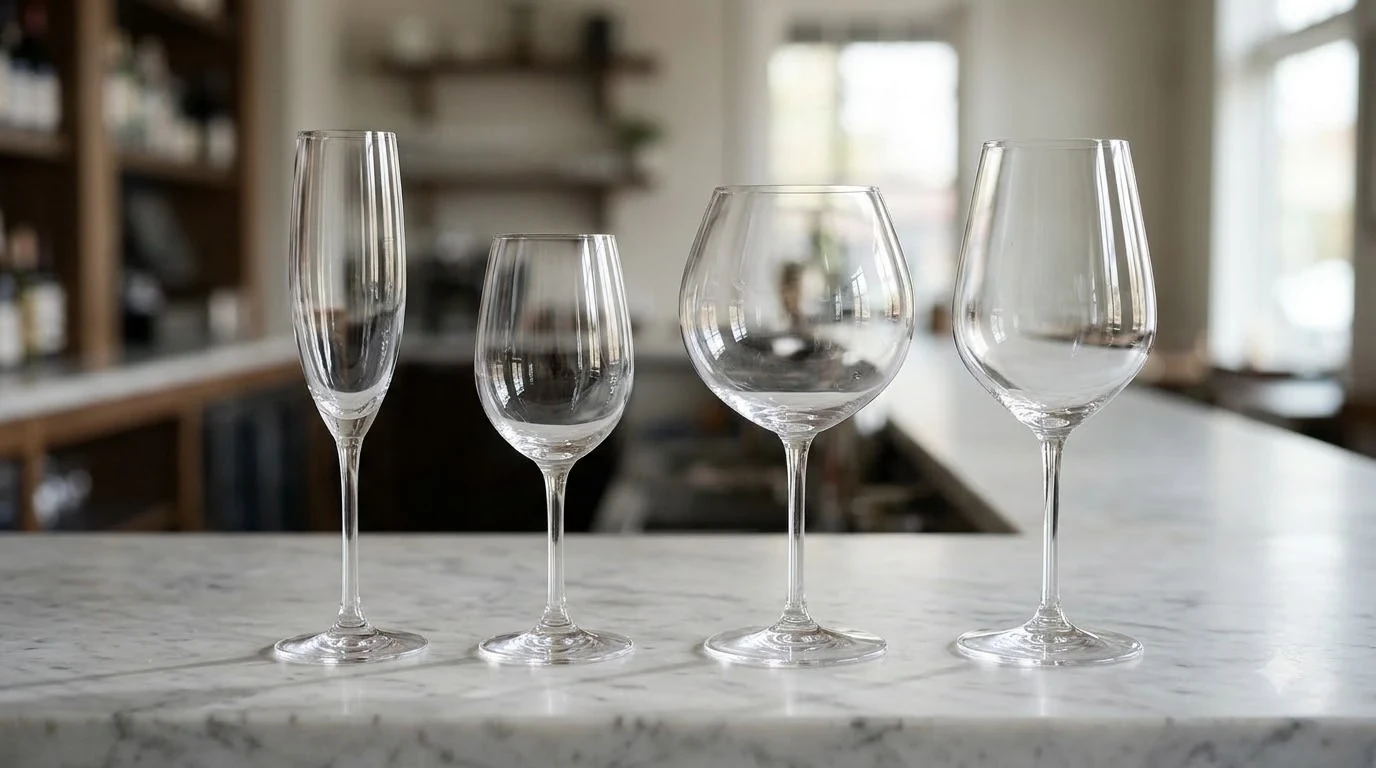
Not every glass in the RCR catalogue has the same silhouette or capacity. A traditional flute has a narrow bowl, while a coupe has a broader opening and shallower profile. Decorative collections can also have more pronounced detailing than the simpler contemporary designs.
For buyers comparing the broader category, the wine glasses guide provides useful context on bowl shape, stem proportions and general glassware selection.
What Owners Like
The strongest appeal of RCR champagne glasses is the combination of Italian styling, transparent crystal glass and a wide selection of shapes. Buyers who want coordinated tableware can choose between understated flutes and more decorative stemware without moving to a different manufacturer.
Clear Luxion crystal appearance
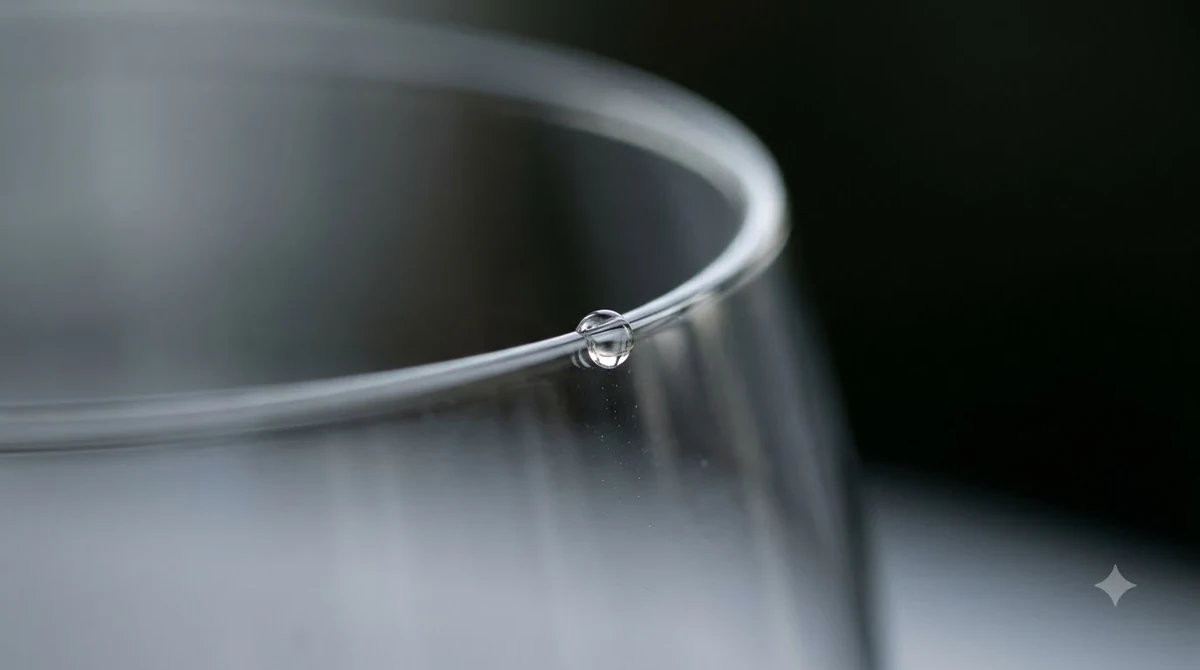
Luxion is a significant part of RCR’s identity. Its high transparency allows the color of sparkling wine to remain visible, while the material’s brilliance gives the glass a polished appearance on a dining table. That clarity is particularly useful when serving pale Champagne, golden Franciacorta or pink sparkling wine because the glass does not visually compete with the drink.
RCR also emphasizes resistance and dishwasher compatibility. These features make the glassware appealing to households that want crystal-style presentation without treating every glass as an occasional-use piece. A glass that can be cleaned in a dishwasher is easier to incorporate into regular entertaining, although careful loading remains important.
Several distinct design personalities
The different collections provide meaningful visual choices. Opera has a traditional cut-glass appearance, making it suitable for formal dinners and classic table settings. Aria offers a more contemporary silhouette, including its broad champagne glass and elongated flute. London introduces decorative details inspired by traditional English styling.
Timeless takes another approach, using distinctive linear decoration and a recognizable profile. RCR describes the collection as an established design line that has expanded into additional tableware uses. This variety makes it easier to coordinate champagne glasses with tumblers, wine glasses and other serving pieces.
Practical capacity options
Capacity is another useful advantage. The 159 ml London flute provides a relatively compact serving vessel, while the 240 ml Opera coupe offers more room. The larger Aria designs provide still more capacity for buyers who prefer a generous bowl or want a glass that can serve several purposes.
It is important to distinguish the maximum capacity from the amount normally poured. A standard sparkling-wine serving is about 5 ounces, or approximately 148 ml. A larger bowl does not mean it should be filled to the rim. Leaving room above the wine helps preserve a comfortable drinking experience and prevents accidental spills.
The variety also makes RCR attractive to people who want a coordinated collection rather than a single matching set. A household might choose narrow flutes for formal sparkling-wine service and coupes for cocktails or dessert presentations.
Common Complaints
The main disadvantages to consider are the differences between individual RCR models, the space required by stemmed glassware and the possibility of confusing similarly named products. A brand-wide reputation for crystal quality does not mean every champagne glass will suit every buyer.
Different models have different proportions
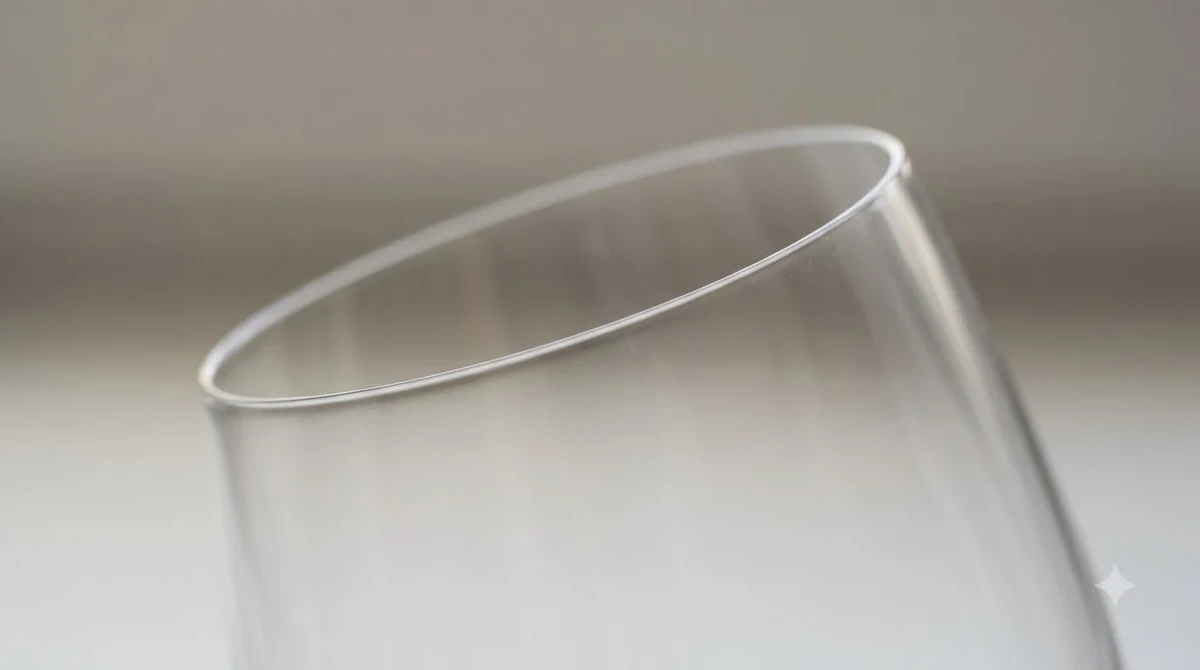
The clearest example is the difference between the Opera and Aria flutes. The Opera Flute has a 130 ml capacity and stands 220 mm tall. The Aria Flute A36 holds 360 ml and reaches 243 mm in height. That is a considerable difference for products sold under the same broad champagne-glass category.
A buyer expecting a compact, traditional flute could find the larger Aria design less familiar. Conversely, someone who prefers a more generous vessel may find the smaller Opera flute restrictive. Neither design is automatically better; the important issue is matching the actual dimensions to your intended use.
Decorative glassware requires careful handling
Collections such as Opera and Timeless feature more noticeable decorative detailing than plain glassware. These designs can reflect light attractively, but they may not suit someone who wants a minimalist table setting. Decorative patterns can also make it harder to match replacement pieces if a collection becomes difficult to find.
Dishwasher compatibility should not be interpreted as permission to load stemware carelessly. Tall champagne flutes can be vulnerable to contact with other dishes, racks and cutlery. Even a durable crystal-glass formulation can be damaged by impact or pressure at the stem.
Storage can be inconvenient
Stemmed glasses require more careful storage than ordinary tumblers. An RCR flute measuring 220 to 243 mm tall needs adequate vertical clearance, and its narrow stem can make it awkward to arrange in crowded cupboards.
Coupes have shorter overall profiles, but their wide bowls need additional horizontal room. A 114 mm maximum diameter, as specified for the Aria Champagne Glass A33, occupies noticeably more shelf space than a 70 mm-wide flute. Buyers with compact kitchen cabinets should measure their available storage before ordering a full set.
Not every glass is equally versatile
A flute is designed primarily around sparkling-wine presentation. It can also serve certain sparkling cocktails, but its narrow opening is less convenient for drinks that require large garnishes or additional ingredients.
A coupe is more adaptable for cocktails and small desserts, but its open bowl provides less protection against rapid loss of carbonation. Anyone who regularly serves traditional Champagne or sparkling wine may prefer the narrower flute profile for that reason.
Who Should Buy and Who Should Skip
RCR champagne glasses are a strong option for shoppers who appreciate Italian crystal glass, want several design choices and prefer glassware that can be used beyond special occasions. They are less suitable for people who prioritize unbreakable construction, extremely simple storage or identical dimensions across every collection.
Who should buy RCR champagne glasses
Buyers who entertain regularly may appreciate the combination of decorative presentation and practical cleaning. A set of six matching flutes can create a coordinated appearance for holiday dinners, anniversaries and celebrations. Luxion’s stated dishwasher compatibility also makes routine cleanup more manageable.
People who enjoy traditional table settings should consider Opera. Its decorative design gives the glasses a classic appearance, and the collection includes both a 130 ml flute and a 240 ml champagne coupe. Those two shapes provide options for different serving preferences without abandoning a consistent design language.
Shoppers who prefer contemporary glassware may find Aria more appealing. Its flute measures 243 mm tall, while the A33 champagne glass has a wide 114 mm maximum diameter. The different proportions provide a distinctive presentation compared with compact traditional stemware.
Hosts who serve different sparkling wines can also benefit from choosing the right shape for each occasion. A narrow flute works well for formal Champagne service, while a broader coupe can be useful for sparkling cocktails and celebratory desserts.
Who should skip them
People who frequently entertain outdoors, travel with their glassware or serve drinks in busy environments may prefer tougher, less delicate drinkware. Crystal glass remains glass, and no claim of durability makes a stemmed champagne glass immune to breakage.
Buyers who want a single universal glass for every wine style should also consider a multipurpose wine glass instead. Champagne flutes and coupes are specialized shapes. A larger all-purpose wine glass can be more convenient if the household rarely serves sparkling wine separately.
Finally, anyone who needs identical replacement glasses should be careful about selecting a collection. RCR has numerous product families, and names such as champagne glass, flute and coupe can refer to very different shapes. Matching the collection name and product reference is more reliable than relying on a general description.
How It Compares to Alternatives
RCR stands out for offering several distinct champagne-glass designs within one manufacturer’s range. Its Luxion material, Italian styling and combination of decorative and contemporary collections make it worth comparing with other specialist glassware options.
RCR flutes versus RCR coupes
The most important comparison is between the two main champagne-glass shapes. Flutes are tall and narrow, while coupes are broad and shallow. A flute generally keeps the wine in a more confined space and makes rising bubbles particularly visible. A coupe creates a more open presentation and gives the drink a different visual character.
The Opera collection provides a particularly useful comparison. Its flute holds 130 ml and measures 220 mm in height. Its champagne coupe holds 240 ml and measures 150 mm in height. The coupe is shorter and wider, so it may be easier to use for cocktails, but the flute is the more conventional option for sparkling-wine service.
The Aria collection demonstrates an even larger difference in capacity. Its A36 flute holds 360 ml, while its A33 champagne glass holds 330 ml. Both are larger than the corresponding Opera examples, so buyers should not assume that all RCR flutes or coupes follow one standard measurement.
RCR versus conventional minimalist glassware
Minimalist champagne glasses generally emphasize a plain, uninterrupted silhouette. RCR offers some relatively understated options, but its catalogue also includes collections with pronounced decorative patterns and distinctive proportions.
This makes the brand appealing to shoppers who want more visual personality. However, someone furnishing a very modern dining room with plain, thin-profile glassware may prefer a simpler collection. The decision is mainly about appearance and the degree of decoration rather than a universal difference in sparkling-wine quality.
RCR versus other specialist champagne-glass options
RCR is also worth comparing with brands that focus on broader wine-glass specialization. The right alternative depends on whether the buyer values a specific bowl shape, exceptionally lightweight construction, a consistent professional tasting design or decorative Italian glassware.
For example, shoppers researching dedicated flute designs can consult the champagne flutes comparison. Those who want to build a coordinated collection for red wines as well as sparkling wine can also compare the options in the red wine glasses guide.
RCR’s main advantage is the breadth of its own design choices. Its collections allow shoppers to choose between traditional decoration, contemporary proportions and different sparkling-wine serving formats. The best alternative is therefore the one that better matches a buyer’s priorities, not necessarily the one with the most elaborate appearance.
Frequently Asked Questions
Are RCR champagne glasses lead-free?
RCR describes Luxion as an ecological crystal-glass material and identifies it as a modern alternative to traditional lead crystal. The manufacturer’s stated composition includes at least 10% noble oxides. Buyers looking for a specific chemical declaration should consult the documentation for the exact collection rather than assuming every product has identical material specifications.
Where are RCR champagne glasses manufactured?
RCR Cristalleria Italiana is based in Colle di Val d’Elsa in the province of Siena, Tuscany, Italy. Its catalogue identifies its glassware as Made in Italy. This Italian manufacturing identity is an important part of the brand’s presentation and product positioning.
Can RCR champagne glasses be used for cocktails?
Yes. The coupe shape is particularly convenient for drinks such as a classic Champagne cocktail, a Sidecar or other stemmed cocktails served without ice. Its wide opening also makes it easier to add certain garnishes. A flute is better suited to simpler sparkling drinks that do not need extensive garnish or mixing space.
Do RCR champagne glasses come in different packaging quantities?
Packaging depends on the collection and individual product reference. RCR’s catalogue uses packaging notations such as 6×2 for several stemware products, while retailer listings can describe a six-piece consumer set. Always distinguish the number of glasses in a retail package from the manufacturer’s larger shipping-carton notation.
What is the difference between crystal glass and ordinary soda-lime glass?
Crystal glass uses additional mineral oxides in its formulation, which can change its optical qualities, brilliance and acoustic characteristics. RCR states that Luxion contains at least 10% noble oxides and is designed to provide ultraclear transparency. Ordinary soda-lime glass generally uses a different composition and does not necessarily provide the same visual characteristics.
RCR champagne glasses are worth considering if Italian design, clear crystal presentation and practical cleaning are high on your glassware checklist. Opera is a natural choice for traditional decorative styling, while Aria suits buyers looking for larger and more contemporary proportions. Compare the exact capacity, height and bowl diameter before choosing a set, and select the flute or coupe that best matches the sparkling wines and occasions you serve most often.
More in Wine Glasses
 Zwiesel Glas Champagne Flutes for Durable Everyday Sparkling WineUpdated Nov 20, 2026
 Vera Wang Crystal Wine Glasses: Design, Quality and Buying AdviceUpdated Nov 20, 2026
 West Elm White Wine Glasses: Compare Designs for Better Everyday Wine ServiceUpdated Nov 20, 2026
 Zalto Stemless Wine Glasses: Discover Their Distinctive DesignsUpdated Nov 20, 2026
 Viski Champagne Glasses That Match Your Style and Sparkling WineUpdated Nov 20, 2026
 Vista Alegre Decanter Review: Crystal Style and Wine ServiceUpdated Nov 20, 2026