

We may earn a commission when you buy through links on this page, at no extra cost to you. Learn more.
The ideal pet nat serving temperature is 40°F to 48°F (4°C to 9°C), which sits right at standard refrigerator cold or slightly warmer. Serving pétillant naturel well-chilled keeps dissolved carbon dioxide stable so the bottle does not foam over when you pry off the crown cap, while holding suspended yeast sediment calmly near the bottom. Lighter, crisp white and rosé styles shine closer to 40°F to 45°F, whereas skin-contact orange or red pet nats open up best near 46°F to 50°F.
Because pétillant naturel finishes its primary fermentation directly inside the bottle without disgorgement, temperature controls both safety at opening and flavor clarity in the glass. Getting the chill right turns a potentially unruly, cloudy bottle into a crisp, aromatic pour that highlights fresh fruit and lively acidity rather than yeastiness or runaway foam.
Pet Nat Serving Temperature by Style
Not every bottle of pétillant naturel behaves the same way at the table, so matching the chill level to the grape color and skin contact makes a noticeable difference. While white bottles benefit from near-ice-cold temperatures, red and skin-contact versions carry light tannins that turn bitter if chilled too aggressively.
According to Wine Folly’s serving temperature guide, sparkling and light-bodied white wines perform best between 38°F and 45°F (3°C to 7°C), whereas rosé and fuller styles thrive slightly warmer between 44°F and 55°F. Pet nat spans both categories depending on how the winemaker pressed the grapes. A crisp Chenin Blanc or Mauzac pet nat tastes electric right out of a cold refrigerator, keeping its orchard fruit snappy and its gentle mousse finely integrated.
When you move into rosé, skin-contact amber, or chillable red pet nats made from Gamay, Pinot Noir, or Lambrusco varieties, dropping the thermometer below 42°F mutes floral aromatics and sharpens phenolic grip. Letting those darker or macerated bottles warm by four or five degrees in the glass unlocks berry notes, savory spice, and a softer texture without sacrificing refreshment. Exploring different wine styles reveals how color and skin contact consistently dictate where a bottle sits on the thermometer.
| Pet Nat Style | Ideal Temperature (°F) | Ideal Temperature (°C) | Chilling Method | Sensory Effect |
|---|---|---|---|---|
| Crisp White (Chenin Blanc, Mauzac, Riesling) | 40°F – 45°F | 4°C – 7°C | 3+ hours in fridge, plus 15 min ice bath | Maximizes citrus snap, locks in CO2, tames wild yeast |
| Rosé Pet Nat (Pinot Noir, Cabernet Franc, Syrah) | 43°F – 47°F | 6°C – 8°C | Standard refrigerator shelf for 3 hours | Balances red berry fruit with bright, mouthwatering acid |
| Skin-Contact / Orange Pet Nat | 45°F – 49°F | 7°C – 9°C | Fridge chill, then rest 10 min on counter | Prevents astringent tannins while keeping aromatics lifted |
| Red Pet Nat (Gamay, Lambrusco, Zweigelt) | 46°F – 50°F | 8°C – 10°C | 2 hours in fridge or 20 min in ice water | Softens earthy lees notes and highlights juicy dark fruit |
Why Temperature Matters More for Pet Nat Than Champagne
Pet nat is bottled mid-fermentation with active yeast and residual sugar still inside, leaving unfiltered lees suspended in a wine that typically holds between two and four atmospheres of pressure. Warmth accelerates gas expansion and stirs up sediment, making temperature management critical before the crown cap ever comes off.
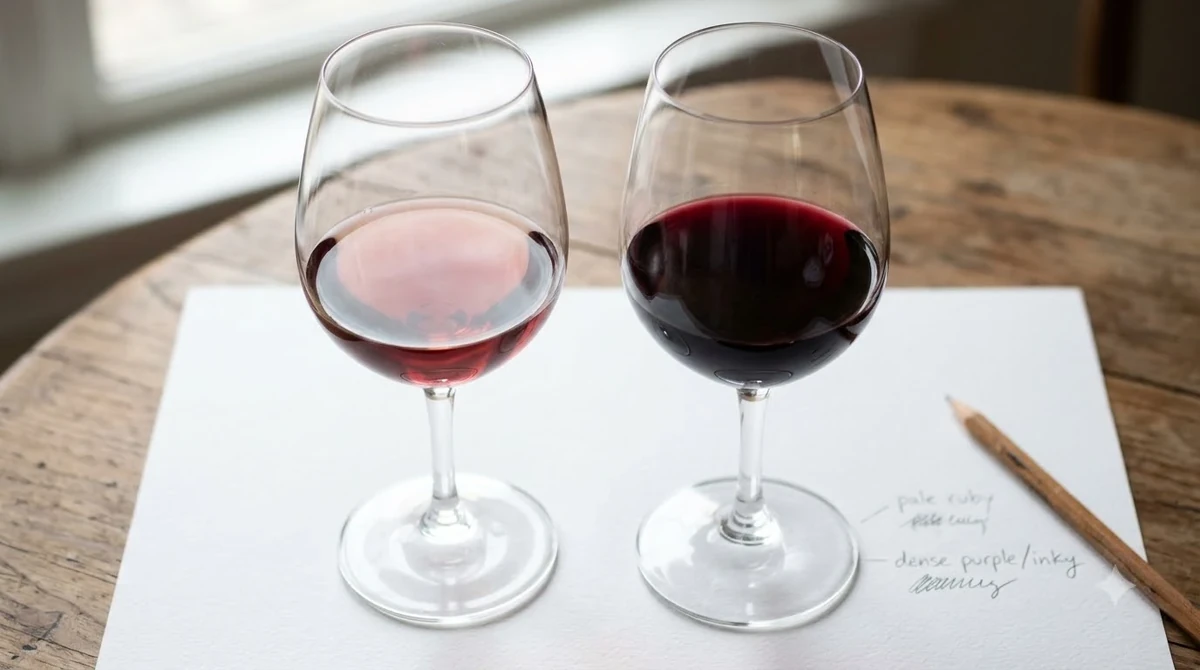
As Wine Enthusiast’s guide to pétillant naturel explains, keeping the bottle thoroughly cold anchors the yeast sediment at the base of the glass, letting you pour roughly four clear glasses before reaching the cloudy, textured bottom layer. Because traditional Champagne undergoes secondary fermentation and disgorgement, its clear liquid and higher six-atmosphere pressure behave predictably across a wider thermal window. Pet nat lacks that industrial stabilization, meaning a bottle sitting at room temperature can erupt into a geyser the moment metal leaves glass.
Temperature also governs aromatic balance in low-intervention sparkling wines. Many pet nats carry subtle notes of bread dough, cider, or barnyard funk derived from extended lees contact. Serving the wine cold around 42°F to 46°F keeps those savory fermentation compounds harmonious with fresh stone fruit and citrus. If the liquid warms past 55°F, volatile acids and yeasty aromas rapidly dominate the nose, flattening the perception of crispness on the palate.
Tip: Store your pet nat standing upright in the refrigerator for at least 12 to 24 hours before serving if you prefer a clear pour, or gently invert the chilled bottle once right before opening if you want the creamy, yeasty lees mixed throughout every glass.
How to Chill Pet Nat Safely and Quickly
Standard home refrigerators typically sit between 37°F and 40°F, making them reliable for slow chilling, though sudden thermal shocks or freezer forgetfulness can ruin an unstabilized bottle. Planning your chilling timeline ensures the liquid reaches the core target temperature rather than merely cooling the glass exterior.
For planned dinners or weekend gatherings, placing the bottle upright on a lower refrigerator shelf for three to four hours brings room-temperature wine down to a steady 42°F. Standing the bottle vertically during this window also lets gravity pull spent yeast cells into a compact layer at the punt. If you bought a warm bottle on the way to dinner, skip the freezer, where a forgotten pet nat can freeze, expand, and shatter glass under pressure.
Instead, submerge the bottle up to its neck in an ice-and-water bath filled with equal parts ice cubes and cold tap water, plus a handful of kosher salt to lower the freezing point. Water conducts heat roughly twenty-five times faster than air, dropping a 70°F bottle into the safe 42°F to 45°F zone in 20 to 25 minutes. Once chilled, lift the bottle gently without shaking it so the newly settled lees stay undisturbed.
Step-by-Step Opening and Pouring Technique
Even at an ideal 42°F, pet nat carries natural pressure under a beer-style crown cap, so calm handling prevents spills and preserves the wine’s delicate bead. Having your glassware lined up before touching the bottle opener keeps you in control if lively foam rises toward the neck.
Hold the chilled bottle at a 45-degree angle over a sink or large bowl, keeping your thumb lightly over the top of the crown cap as you lift one edge with a standard opener. Release the pressure gradually so you hear a soft hiss rather than a sharp pop; if bubbles surge upward, pause for three seconds and let the foam subside before removing the cap completely. Keeping the wine cold ensures carbon dioxide remains dissolved in the liquid rather than violently escaping into the air.
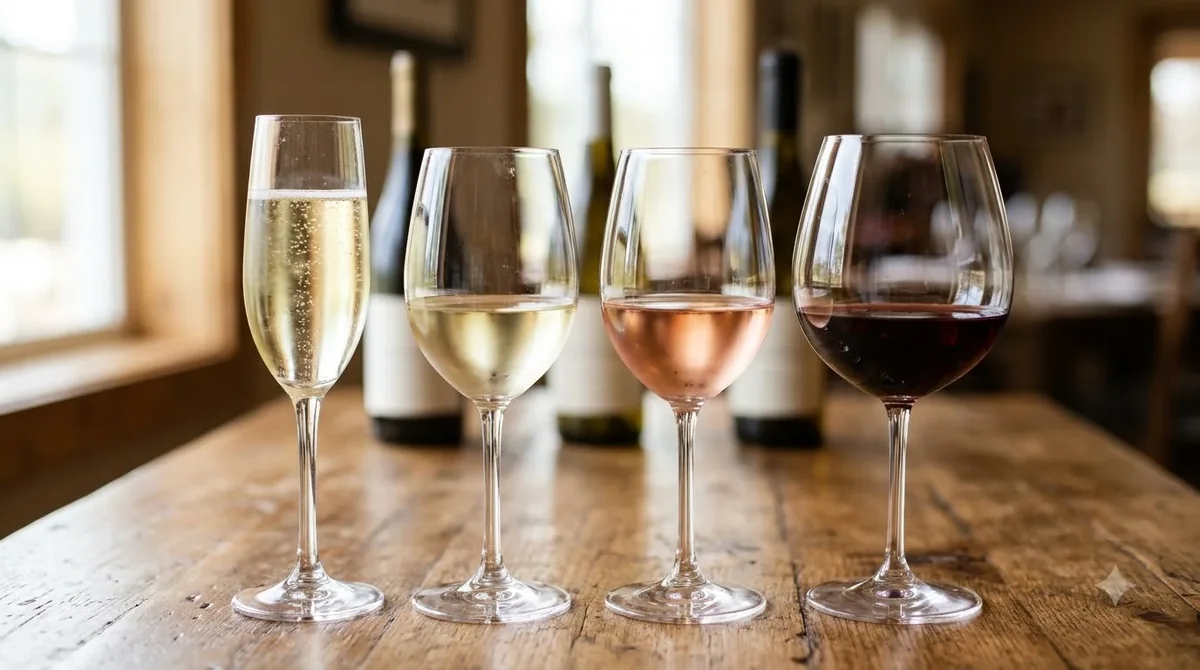
Skip narrow Champagne flutes, which trap yeasty aromas and force bubbles upward too aggressively. Pour slowly down the inside wall of a standard white wine glass or universal tulip glass, filling each bowl only one-third full so the wine stays cold while giving its aromatics room to breathe. Notice how the first three pours look bright and translucent, while the final pour brings rich, hazy complexity—a contrast you can share around the table or decant off if you prefer uniform clarity.
Managing Temperature at the Table
Once poured, pet nat warms quickly in a standard dining room or on an outdoor patio, rising roughly two to three degrees every ten minutes. Managing that gradual temperature climb lets you experience how the wine evolves from crisp aperitif to textured food companion.
If you are drinking outdoors in warm weather, rest the open bottle in a small chiller sleeve or an ice bucket filled mostly with cold water and just a few ice cubes. Packing a bucket solely with solid ice can over-chill the remaining wine below 38°F, muting its fruit character and making the acidity feel sharp. At an indoor dinner table, leaving the bottle out for 15 to 20 minutes between pours naturally nudges a 42°F white pet nat toward 48°F, revealing rounder brioche and baked-apple notes.
Understanding how serving temperature shapes flavor applies across nearly every fermented beverage on the table. Just as dialing in the right sake serving temperature shifts the balance between crisp floral aromatics and rich umami depth, letting pet nat warm gradually in the glass transforms it from a brisk starter into a versatile partner for roasted poultry, soft cheeses, and spicy takeout. Similarly, thoughtful thermal control elevates other aromatic styles, whether you are setting the proper sauternes serving temperature for dessert or finding the sweet spot for mead serving temperature during a casual tasting.
Frequently Asked Questions
Can I put pet nat in the freezer to chill it fast?
Avoid putting pet nat in the freezer because uneven cooling can trigger ice crystal formation, which creates nucleation points that cause the bottle to gush violently upon opening. If you forget to chill your bottle ahead of time, submerge it in a bowl of half ice and half cold water for 20 minutes instead. An ice-water bath chills the wine evenly down to 42°F without risking frozen sediment or burst glass.
Why did my pet nat foam over even though it was cold?
A cold bottle can still gush if it was shaken shortly before opening, has high residual sugar with active yeast, or sits in a refrigerator running warmer than 45°F. Letting a newly transported bottle rest undisturbed in the fridge for at least two hours allows agitated gas and sediment to settle. Always open the crown cap slowly at a 45-degree angle over a sink with glasses ready nearby.
Should I serve pet nat in a Champagne flute or a regular wine glass?
Serve pet nat in a standard white wine glass or universal tulip glass rather than a narrow Champagne flute. Pet nat has gentler pressure than Champagne—typically two to four atmospheres—so its bubbles do not need a tall flute to stay lively. A wider bowl allows the wine’s fresh orchard fruit, floral notes, and savory yeast aromatics to open up cleanly while still keeping the liquid cool.
What happens if pet nat is served too warm?
Serving pet nat above 55°F causes dissolved carbon dioxide to escape rapidly, resulting in flat, foamy pours and a high risk of overflow when unsealing the cap. Warm temperatures also amplify volatile fermentation aromas, making subtle bread-dough or cidery notes taste overly funky, sour, or yeasty. If a bottle warms up too much on the table, place it back into cold water and ice for ten minutes to restore its crisp balance.
Dialing in the right chill turns every bottle of pétillant naturel into a reliable, expressive pour rather than a foamy gamble. Aim for 40°F to 45°F for crisp white bottles and 46°F to 50°F for rosé, orange, and red styles, handle the crown cap gently, and let the glass warm slightly as you sip to catch every layer of fruit and texture.
More in Wine Types & Grapes
 What Does Mourvèdre Taste Like? Flavor Profile, Regions, and PairingsUpdated Nov 20, 2026
 What Does Marsanne Taste Like? Flavors, Styles, and Food PairingsUpdated Nov 20, 2026
 What Does Malvasia Taste Like? Styles, Flavors, and Food PairingsUpdated Nov 20, 2026
 What Does Grenache Blanc Taste Like? Flavor Profile, Styles, and PairingsUpdated Nov 20, 2026
 What Does Garnacha Taste Like? Key Flavors, Styles, and Pairing TipsUpdated Nov 20, 2026
 What Does Fruit Wine Taste Like? A Complete Flavor and Style BreakdownUpdated Nov 20, 2026