

We may earn a commission when you buy through links on this page, at no extra cost to you. Learn more.
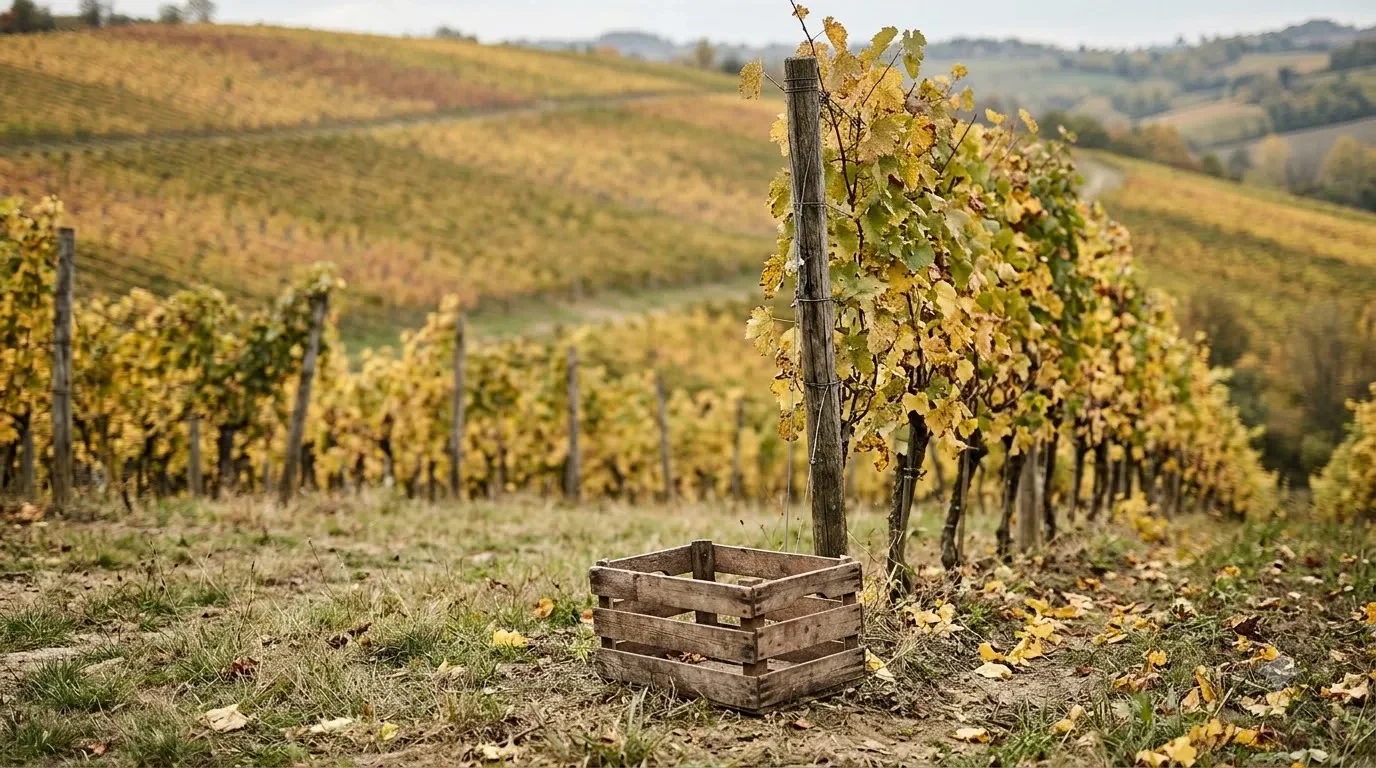
Shenandoah Valley vineyards are spread across Virginia and a small part of West Virginia, and they produce a mix of Cabernet Franc, Chardonnay, Viognier, Riesling, and hybrid grapes such as Chambourcin. The American Viticultural Area was established in 1982 as Virginia’s first appellation. It is sheltered between the Blue Ridge and Allegheny Mountains, which keeps the valley drier than much of the state.
If you are planning a visit to wine country in Virginia, or you are trying to understand what Shenandoah Valley wines taste like, this guide covers the region’s size and climate, the grapes you are most likely to see, how the valley’s wineries differ, and how to serve the wines at home.
Where the Shenandoah Valley wine region is
The Shenandoah Valley American Viticultural Area covers about 2.4 million acres, or roughly 3,750 square miles. Most of it lies in Virginia, with a small portion in West Virginia’s Eastern Panhandle. The area was established on December 28, 1982, and it was the nation’s 25th AVA as well as Virginia’s first appellation.
The valley is a long, broad landscape rather than a single town or estate cluster. Wineries are scattered across farm country, which means a visit often involves driving between stops. Plan your route around the wineries you want to see, and allow time for the scenery between them.
Because the region is large, it is useful to think of it as a set of smaller pockets. Some tasting rooms sit close to small towns, while others are set on hillsides with views of the mountains. The style of each winery often reflects its site, its grape choices, and the winemaker’s approach.
Climate and soils in the valley
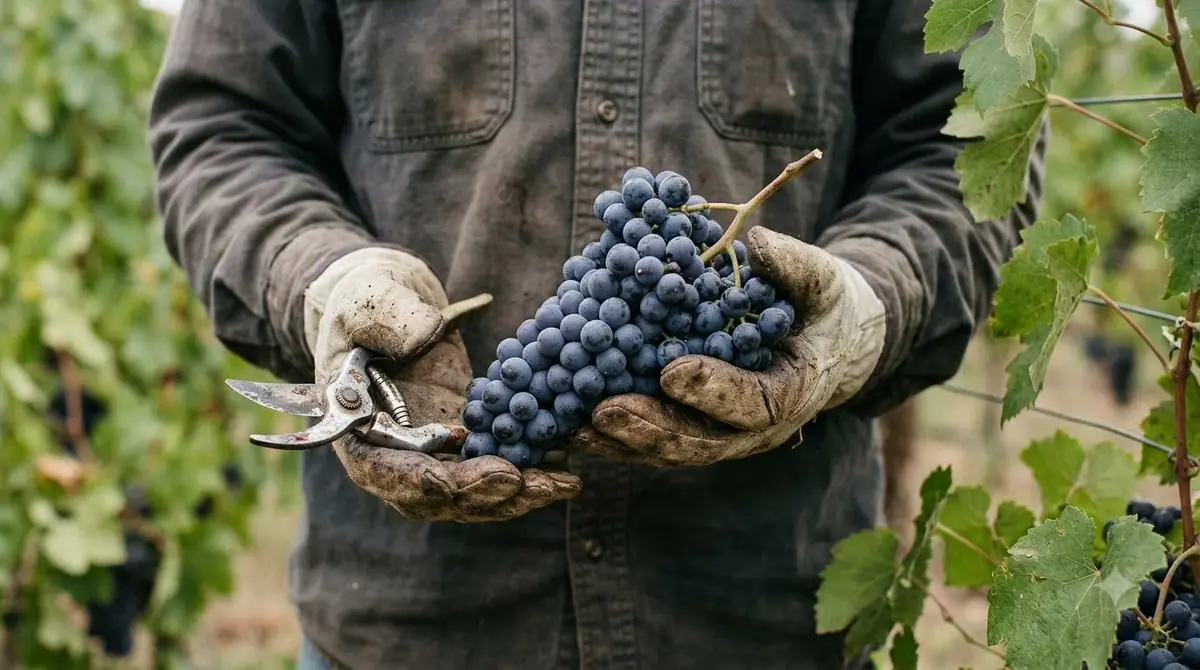
The valley’s climate is shaped by its position between two mountain ranges. The region is relatively dry, with annual precipitation of about 34 to 38 inches, roughly half of Virginia’s average annual rainfall. The growing-degree-day totals reported for the area give growers a workable season for many varieties, though the vineyard still needs careful management.
Limestone soil is common in the valley, and it can influence the minerality and structure of white wines, as well as the drainage of red vineyards. Hardiness zones are mainly 7a, which affects which varieties survive winter and how growers manage frost risk. These conditions help explain why the region suits both aromatic whites and structured reds.
Because the climate is dry, many growers manage vines carefully to avoid disease. Good air flow and well-drained sites matter, and a winery’s choice of site often says as much about the wine as its winemaking does.
Main grapes and wine styles
The valley grows a wide range of varieties. Cabernet Franc, Chardonnay, Gewürztraminer, Riesling, Traminette, Viognier, Norton, Cabernet Sauvignon, and Merlot all appear in regional listings, along with hybrids such as Chambourcin. That variety is one reason visitors find such a broad range of styles in one drive.
Cabernet Franc is one of the most useful grapes to know. The Wine Folly Cabernet Franc guide describes its typical flavors as strawberry, raspberry, bell pepper, and crushed gravel, with high acidity and tannins that are lower than Cabernet Sauvignon. Cooler sites yield lighter, tart red-fruit wines, while warmer sites give fuller, richer styles. In the Shenandoah Valley, the grape’s style will shift with the site, so it is worth tasting a few bottles from different producers.
For white wines, Viognier and Riesling show fruit and aroma, while Chardonnay offers a range from crisp to rich, depending on how it is made. Traminette and Gewürztraminer bring floral notes and a more aromatic profile that suits a warm afternoon on a tasting-room patio.
| Grape | Typical style in the valley | Good with |
|---|---|---|
| Cabernet Franc | Red fruit, herbal notes, high acidity | Tomato dishes, roasted meats, goat cheese |
| Viognier | Peach and floral aromas, fuller texture | Grilled chicken, creamy seafood, spicy food |
| Riesling | Bright fruit and fresh acidity | Spicy Asian dishes, pork, salads |
| Chambourcin | Hybrid red with fresh fruit | Burgers, barbecue, casual meals |
Notable wineries and how to plan a visit
Shenandoah Vineyards in Edinburg, Virginia, is among the names linked with the valley’s history, since it submitted the original petition for the appellation. Other wineries that appear in regional listings include Veramar Vineyard, James Charles Winery & Vineyard, Valerie Hill Vineyard & Winery, and North Mountain Vineyard & Winery.
When you plan a day, group wineries that are near each other and leave room for lunch and a walk. Check each tasting room’s hours before you go, since many run seasonal schedules. Ask staff which grapes come from their own vineyards and which are sourced elsewhere, because that tells you how much the wine reflects the local site.
For a broader look at how wine regions differ, our Wine Regions section explains how climate, soil, and grape choice shape the glass. If you are comparing dry, mountain-sheltered regions, our guide to Santa Ynez Valley vineyards offers a useful contrast with a Pacific-influenced climate on the other side of the country.
Tip: Many Virginia wineries include both estate and sourced wines in their lineup. Read the label or the tasting sheet to see where each grape came from, since the origin can change the flavor a lot.
Serving Shenandoah Valley wines at home
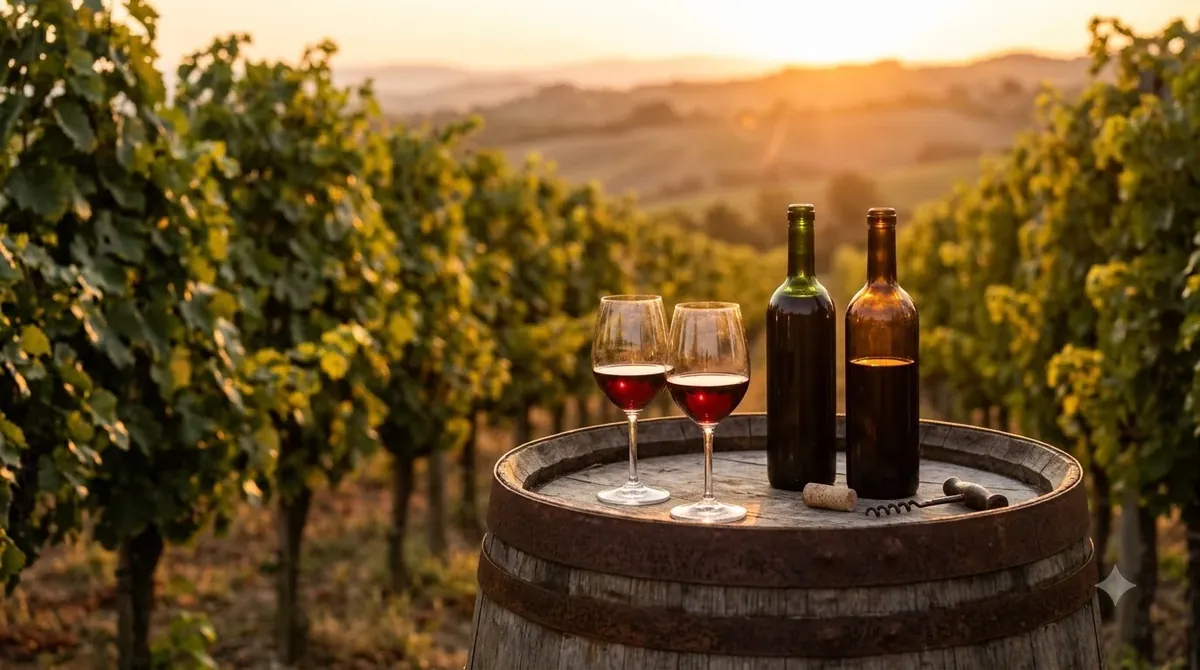
Serving temperature changes the way a red tastes. Wine Folly recommends serving Cabernet Franc at 60 to 68 degrees Fahrenheit, with a universal red wine glass. Fuller-bodied styles can benefit from about 30 minutes of decanting, while lighter, fresher reds can be opened and poured right away.
White wines such as Viognier, Riesling, and Chardonnay are usually best chilled but not icy. Pour them a little less cold than you would a light sparkling wine, so the aromas can show. Opened bottles of white keep best with a stopper in the refrigerator for a few days.
Hybrid reds such as Chambourcin are often served a little cooler than a full-bodied Cabernet and work well with casual food. Check the producer’s notes for the best serving range before you open a bottle.
Pairing Shenandoah Valley wine with food
Cabernet Franc pairs well with dishes that use real herbs, tomato-based sauces, and vinegar-based dressings, because its acidity matches those flavors. Lighter Cabernet Franc styles suit goat cheese, roasted vegetables, and chicken or turkey, while fuller styles stand up to roasted meats and wild game.
Viognier and Riesling suit lighter, spicier, or richer foods. Riesling is a good match for pork and Asian-inspired dishes, and Viognier works with grilled chicken and creamy seafood. Chardonnay from the valley can handle rich dishes when it has some oak texture, so match the wine to the sauce rather than the grape alone.
Frequently Asked Questions
What are Shenandoah Valley vineyards known for?
The region is known for a broad mix of grapes, including Cabernet Franc, Chardonnay, Viognier, Riesling, and hybrids such as Chambourcin. Its dry climate, sheltered between mountain ranges, supports a wide range of styles.
Where is the Shenandoah Valley AVA?
The appellation lies mostly in Virginia, with a small portion in West Virginia’s Eastern Panhandle. It was established on December 28, 1982, and covers about 2.4 million acres.
Which grape is most common in Shenandoah Valley wines?
The valley grows many varieties, so no single grape dominates in every winery. Cabernet Franc is one of the most useful to know, and it shows a range of styles depending on the site.
How many wineries are in the Shenandoah Valley?
Regional listings give different counts, so the exact number depends on the source and the year. Check a current winery directory or the regional tourism site before you plan a route.
Shenandoah Valley vineyards offer a wide range of wines in a landscape that rewards a slow visit. Learn a few key grapes, plan a route with wineries that are close together, and serve the reds and whites at the right temperature. With those basics, the variety across the valley becomes much easier to enjoy.
More in Wine Regions
 Willcox Wine Trail: Discover Arizona’s High-Elevation Wine CountryUpdated Nov 20, 2026
 Yakima Valley Wine Region: Find the Best Styles to TryUpdated Nov 20, 2026
 Vosne Romanee Wine Tasting: Identify Aromas and Choose Better PairingsUpdated Nov 20, 2026
 Yakima Valley Wine Festival: Find the Best Seasonal Wine EventsUpdated Nov 20, 2026
 Wales Vineyards: Discover Cool-Climate Wines and Where to VisitUpdated Nov 20, 2026
 Yountville Wine Festival: Discover Napa Wines and Local FoodUpdated Nov 20, 2026