

We may earn a commission when you buy through links on this page, at no extra cost to you. Learn more.
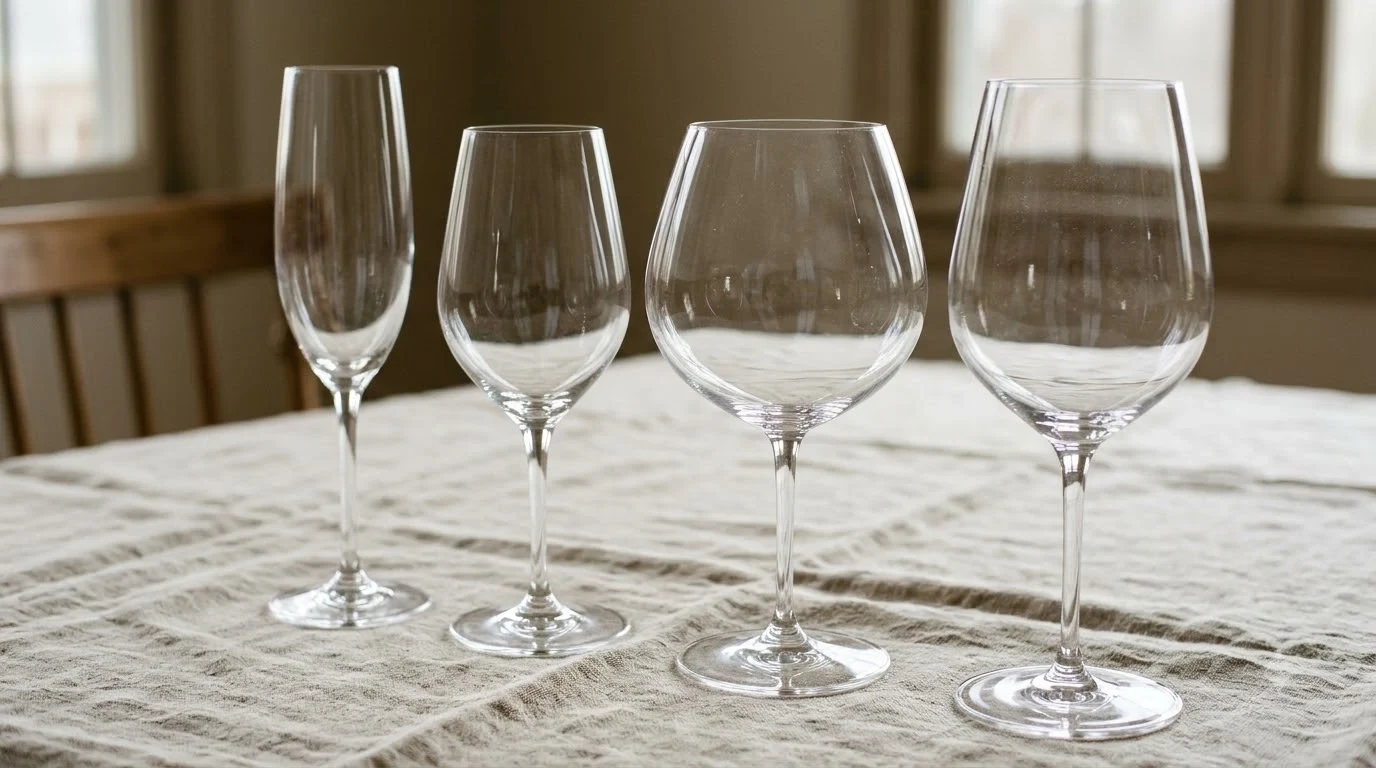
Stolzle champagne glasses are a strong choice for sparkling-wine drinkers who want clear, lead-free crystal glassware, elegant designs, and a choice of traditional flutes and wider champagne glasses. The German glassware brand offers several collections with different capacities, proportions, and presentation styles. Its Experience and Power flutes suit traditional sparkling-wine service, while Quatrophil and other wider designs offer alternatives for drinkers who want more room for aromas. The main trade-off is that some designs have delicate, thin-walled construction that calls for careful handling.
Choosing champagne glasses involves more than appearance. Bowl shape affects how sparkling wine presents its aromas, capacity determines how much room remains for bubbles and pouring, and the weight of the glass influences how it feels during a celebration. Stölzle Lausitz has a broad selection, so the most useful approach is to compare individual models rather than assume every glass from the manufacturer offers the same experience. This review examines its construction, popular designs, reported owner experiences, and practical buying considerations.
Specs and Key Features
Stölzle Lausitz champagne glasses combine crystal-glass construction with several distinct bowl shapes and capacities. The collection includes conventional narrow flutes, larger champagne glasses, and coupe-style options, giving buyers flexibility for different sparkling wines and occasions.
The manufacturer describes its Experience and Grand Cru SOHO models as machine-made lead-free crystal glass. Both are listed as dishwasher-resistant, although their dimensions and intended presentation differ considerably. The Experience is a traditional tall flute, while the Grand Cru SOHO has a much wider opening and a shorter profile.
The manufacturer’s specifications are particularly useful because the Stölzle name covers numerous designs. The following comparison uses published product measurements rather than assuming that all champagne glasses share the same dimensions.
| Model | Capacity | Height | Construction | Style |
|---|---|---|---|---|
| Experience | 190 mL / 6.4 oz | 224 mm / 8.8 in | Lead-free crystal | Traditional flute |
| Power | 251 mL / 8.5 oz | 222 mm / 8.7 in | Crystal glass | Traditional flute |
| Classic | 190 mL / 6.4 oz | 219 mm / 8.6 in | Crystal glass | Traditional flute |
| Revolution | 207 mL / 7 oz | 229 mm / 9 in | Crystal glass | Contemporary flute |
| Exquisit Royal | 266 mL / 9 oz | 241 mm / 9.5 in | Crystal glass | Wider champagne glass |
| Grand Cru SOHO | 320 mL / 10.8 oz | 174 mm / 6.9 in | Lead-free crystal | Wide-bowl design |
The Experience measurements come from the manufacturer’s product listing, while the Power, Classic, Revolution, and Exquisit Royal measurements are published in the Stölzle champagne-glass trade catalogue. Grand Cru SOHO specifications come from the manufacturer’s US product listing. These are different models, not interchangeable versions of one glass.
One particularly useful feature is the variety of capacities. The 190 mL Experience works well for measured servings, while the 251 mL Power provides more headroom. The 320 mL Grand Cru SOHO offers substantially more space for swirling and aroma development, although its wider opening makes it a different drinking experience from a narrow flute.
For buyers comparing glassware materials, lead-free crystal is another important specification. It offers the clarity and brilliance associated with crystal glass without relying on lead oxide as a glassmaking ingredient. The manufacturer identifies both the Experience and Grand Cru SOHO as lead-free crystal models.
The official Stölzle champagne-glass collection shows just how varied the selection is, with models including Fino, Quatrophil, Power, Prestige, Symphony, and Classic. This breadth is useful, but it also means shoppers should pay attention to the precise series name when ordering replacement glasses or matching an existing set.
What Owners Like
Owner feedback about Stölzle glassware frequently highlights attractive styling, clear glass, perceived quality, and useful customer service. These recurring comments make the brand appealing to people who want presentable stemware for dinner parties, celebrations, and regular sparkling-wine service.
Trusted Shops publishes a review summary for the manufacturer’s online store that identifies design, appearance, product quality, and delivery as common positive themes. Customers frequently describe the glasses as elegant and visually appealing. Some reviewers also appreciate the packaging and the company’s response when an order arrives damaged.
These comments are useful indicators of shopping and ownership experiences, but they should not be confused with controlled durability testing. The review summaries cover the broader Stölzle Lausitz glassware shop rather than exclusively documenting the champagne-flute collections. Individual experiences may differ depending on the particular model, frequency of use, and handling.
Clear presentation and attractive proportions
Crystal clarity is an important reason to consider these glasses. A transparent bowl allows the color of sparkling wine to remain visible, whether the bottle contains pale Champagne, golden vintage sparkling wine, pink rosé Champagne, or Italian Prosecco.
The narrow flute designs also create a recognizable celebratory presentation. Their long stems separate the bowl from the warmth of the hand, while their tall proportions make them suitable for formal place settings and occasions where presentation matters.
Different collections offer different visual personalities. Experience has a straightforward contemporary appearance, Power provides a more substantial flute option, and Quatrophil offers a more distinctive design within the range. Fino and Symphony provide further alternatives for buyers interested in different proportions.
Useful options for different occasions
Another recurring advantage is the range of available shapes. A household that primarily serves Champagne at holiday gatherings may prefer a traditional flute, while someone who regularly pours sparkling wine with food might appreciate a wider bowl.
The manufacturer lists the Experience glass for drinks including Sekt, Prosecco, Cava, Crémant, brut Champagne, and sparkling-wine cocktails. That makes it a versatile choice rather than a glass reserved for one prestigious wine category.
Set sizes also help with purchasing decisions. The manufacturer’s collection includes several models in both two-glass and six-glass formats. A smaller set is convenient for a couple or occasional entertaining, while six matching glasses provide a more consistent table presentation for gatherings.
Customer service and replacement experiences
Shipping glassware creates a practical challenge because even well-made stemware can break during transit. Trusted Shops reviewers mention occasional damage, but its review summary also identifies responsive customer service and helpful replacement arrangements as positive themes.
For anyone ordering a set, checking the delivery promptly is sensible. Inspect each bowl, stem, and base before putting the glasses into a cabinet. Keeping the original packaging until the inspection is complete can also make any necessary communication with the retailer easier.
These customer-service reports are encouraging, but buyers should distinguish between the manufacturer’s own store and other retailers. Replacement arrangements and return procedures depend on the seller from which the glasses were purchased.
Common Complaints
The main concern raised in owner feedback is delicacy. Some reviewers describe Stölzle glasses as very thin and express reservations about long-term durability with frequent use, while others report shipping damage or occasional packaging problems.
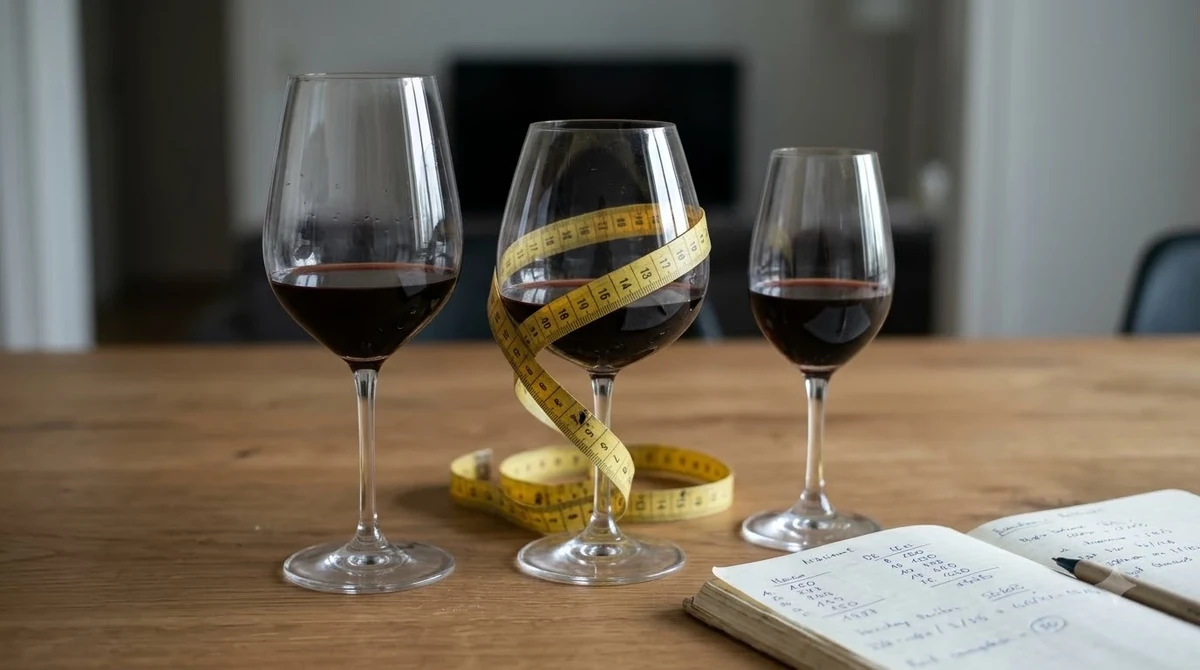
Thin glass is not automatically a defect. Fine stemware can feel lighter and more refined than thicker everyday glassware, but the trade-off is that it may require more attention during washing, polishing, storage, and serving. Buyers who frequently handle large numbers of glasses should consider whether that construction suits their routine.
Delicate bowls and stems
Champagne flutes have a naturally narrow profile, and their tall stems can be vulnerable to sideways pressure. A thin bowl may also be less forgiving when it contacts another glass, a metal sink, or the edge of a dishwasher rack.
Reviewers who compare delicate Stölzle models with thicker everyday glassware sometimes prefer the heavier construction of competing products. That preference is understandable, particularly in busy households where several people wash and store glassware without taking special precautions.
There is also a difference between feeling delicate and being unsuitable for regular use. A carefully handled crystal flute can serve well for years, but someone looking for a nearly indestructible glass for casual outdoor gatherings may be happier with thicker stemware.
Dishwasher suitability is not the same as careless handling
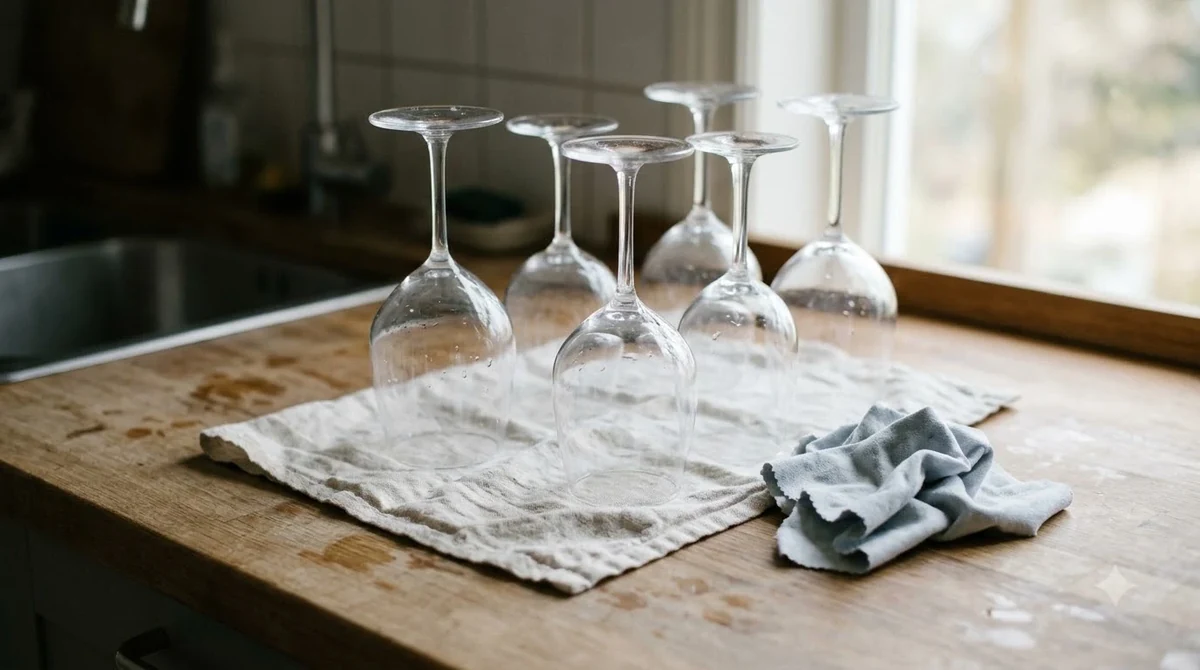
The manufacturer lists the Experience and Grand Cru SOHO as dishwasher-resistant. This is a useful convenience, but it does not mean that every washing setup is equally suitable or that glassware cannot break inside a dishwasher.
Contact with neighboring dishes, excessive movement, and unsuitable rack positioning can create problems. A narrow flute should sit securely without touching another glass, a plate, or a metal utensil. Handwashing remains a reasonable option for owners who want to minimize contact with other items.
Another consideration is the distinction between dishwasher-resistant and dishwasher-proof. The first describes suitability for machine washing under appropriate conditions; it does not eliminate the risks associated with repeated impact, poor loading, or rough unloading.
Shipping and packaging concerns
Some customer reviews mention glasses arriving broken or packaging that did not provide sufficient protection. Other customers describe prompt replacement arrangements after submitting photographs of damaged items.
Because these complaints relate to delivery as well as the glass itself, they should not automatically be interpreted as evidence of a manufacturing problem. Glassware is particularly sensitive to transport conditions, and packaging quality can differ between sellers.
When ordering online, inspect the shipment as soon as it arrives. Look for chips around the rim, hairline cracks near the stem connection, and uneven or damaged bases. A glass with a damaged rim should not be used for serving.
Who Should Buy and Who Should Skip
Stölzle champagne glasses are most appealing to buyers who value crystal clarity, a choice of bowl shapes, and a polished presentation. They are less suitable for people who prioritize heavy construction, rough handling tolerance, or inexpensive replacement over refined glassware.
For formal dinners, wedding celebrations, anniversaries, and holiday entertaining, the traditional flute designs offer a familiar presentation. A coordinated set of six Experience or Power glasses can create a consistent table setting without requiring an elaborate collection of specialist stemware.
Buyers who frequently serve different sparkling wines may prefer to own more than one shape. A narrow flute is appropriate for a classic celebratory pour, while a larger bowl can provide additional room for aromatic sparkling wines. The right selection depends on the wines being served and the experience the host wants to create.
Best for traditional Champagne service
People who prefer the classic appearance of Champagne service should consider Experience, Power, or Classic. These models have tall, relatively narrow bowls that make the rising bubbles visually prominent.
The 190 mL Experience is particularly suitable for smaller, controlled pours. The 251 mL Power offers additional capacity, while Classic provides another traditional option at 190 mL. Each model can work for brut Champagne, Cava, and other dry sparkling wines.
For serving, sparkling wine is generally best poured at approximately 40 to 50 degrees Fahrenheit. A 5-ounce serving is a useful standard for wine service, although smaller pours can make sense when guests are sampling multiple bottles or enjoying a tasting flight.
Best for broader aromatic presentation
Drinkers who want a wider opening should consider larger champagne glasses such as Grand Cru SOHO or Exquisit Royal. Their broader bowls allow more contact between the wine and the air, which can help reveal aromas that are less immediately apparent in a very narrow flute.
This style is especially interesting for complex traditional-method sparkling wines. Vintage Champagne, aged Cava, and some bottle-fermented Crémants can have more developed aromas than straightforward young sparkling wines. A wider bowl provides more space to appreciate those characteristics.
It is also a practical option for people who prefer one glass for sparkling wine and lighter celebratory cocktails. However, the wider opening may allow bubbles to escape more quickly than in a narrow flute.
Who should choose something else
Buyers who regularly entertain large groups in informal settings may prefer thicker, more substantial stemware. If glasses are frequently handled by children, stacked tightly in cupboards, or washed in crowded dishwashers, delicate crystal may create unnecessary replacement concerns.
Similarly, anyone who wants a single universal wine glass may be better served by a multipurpose design. Dedicated champagne flutes are useful for sparkling wine, but they are not ideal replacements for larger red-wine bowls or standard white-wine glasses.
Someone building a complete collection can compare the manufacturer’s champagne selection with broader wine glasses recommendations. That approach helps determine whether a dedicated sparkling-wine set is the next useful purchase or whether an all-purpose glass would fill a more immediate gap.
How It Compares to Alternatives
Stölzle’s main advantage is the breadth of its champagne-glass selection. Instead of concentrating on one traditional flute, the manufacturer offers multiple proportions, capacities, and presentation styles, allowing buyers to select a glass based on the wine rather than appearance alone.
The best comparison is between the individual Stölzle collections and the different types of glassware available for sparkling wine. A traditional flute, a wider sparkling-wine glass, and a coupe each serve a different purpose. There is no universal winner for every bottle and occasion.
Traditional flutes versus wider glasses
A traditional flute has a tall, narrow bowl that emphasizes the visual movement of bubbles. It is an attractive option for receptions, toasts, and straightforward sparkling-wine service. Experience, Power, and Classic all fit this general category.
A wider glass offers a different balance. Its opening gives aromas more room to develop, and the additional bowl space makes it easier to assess the wine’s aromatic character. Grand Cru SOHO is an example of a much wider Stölzle design.
For a simple nonvintage brut Champagne served during a celebration, either shape can work. For an aged vintage bottle with more developed aromas, a wider bowl may be more revealing. The difference is about presentation and sensory preference rather than a strict rule that one shape is always correct.
Flutes versus coupes
A coupe is a shallow, open glass associated with vintage-style celebrations. It has a distinctive silhouette and works particularly well for cocktails and decorative presentation. Stölzle offers champagne coupe options within its wider collection.
However, a coupe is less effective at retaining bubbles than a narrow flute. Its broad exposed surface allows carbonation to dissipate more quickly, which can be disappointing if guests intend to sip the same sparkling wine over an extended period.
For a traditional Champagne toast, a flute is usually the more practical selection. For a short celebratory cocktail or a vintage-inspired table setting, a coupe can be more appropriate.
Comparing Stölzle with general-purpose stemware
General-purpose wine glasses provide more flexibility for households that serve reds, whites, rosés, and sparkling wines. A medium-sized bowl can accommodate many styles, although it does not reproduce the traditional appearance of a champagne flute.
Specialist sparkling-wine glasses have a more specific function. Their shapes are designed around carbonation, aroma presentation, and the visual appeal of bubbles. If Champagne is a regular part of entertaining, a dedicated set is a reasonable addition to a wider collection.
For shoppers considering a complete glassware upgrade, the site’s champagne flutes comparison can help identify the differences between conventional and alternative sparkling-wine designs. Buyers interested in matching stemware for still wines can also review red wine glasses separately rather than trying to use one narrow flute for every wine category.
Which Stölzle collection makes the most sense?
Experience is a sensible starting point for buyers who want a conventional flute with clearly stated lead-free crystal construction and dishwasher resistance. Its 190 mL capacity and 224 mm height give it familiar proportions.
Power makes sense for those who prefer a larger traditional flute. Its published 251 mL capacity gives more space than Experience, while the height remains similar at 222 mm.
Quatrophil and Fino deserve attention from buyers who are interested in other proportions and more distinctive designs. Both are represented in the manufacturer’s champagne selection, although shoppers should compare the exact product specifications rather than assume that every glass in a series has the same capacity.
For a wider presentation, Grand Cru SOHO is a more substantial alternative to conventional flutes. Its 320 mL capacity and 174 mm height make it noticeably different from the taller Experience glass.
The broader Glassware Brands resource can also help buyers compare Stölzle with other stemware manufacturers when coordinating a complete home collection.
Frequently Asked Questions
Where are Stölzle champagne glasses manufactured?
Stölzle Lausitz identifies its glassware with German manufacturing heritage and promotes its Made in Germany identity. The company’s name is associated with the Lausitz region of Germany. Buyers looking for the manufacturing origin of a particular item should distinguish the brand’s overall identity from the production details of an individual product.
Can Stölzle champagne glasses be used for sparkling cocktails?
Yes. The manufacturer specifically lists drinks such as Hugo, Bellini, and Kir Royal among suitable uses for its Experience glass. The narrow bowl works for sparkling cocktail presentations, while wider designs can provide more room for garnishes and aromatic ingredients. Avoid adding hard ice directly to delicate stemware because impact can damage the glass.
Do Stölzle champagne flutes have a special bubble point?
The Stölzle trade catalogue describes a sparkling point at the base of its flute collection. This feature creates a nucleation site where carbon dioxide bubbles can form and rise through the wine. The resulting stream of bubbles contributes to the visual presentation of sparkling wine.
Can Stölzle champagne glasses be used for dessert wine?
They can be used for small pours of suitable dessert wines, particularly sparkling dessert styles. However, a narrow champagne flute is not necessarily the most practical shape for still sweet wines with concentrated aromas. For sweeter wines, serving temperature and the wine’s aroma profile should guide the choice of glass.
How should crystal champagne glasses be polished without leaving lint?
Use a clean, lint-free microfiber or purpose-made glass-polishing cloth. Hold the bowl rather than twisting the stem while drying, and support the base to avoid putting sideways pressure on the glass. For stubborn water spots, a clean cloth lightly dampened with warm water can help before the final polishing pass.
Stölzle champagne glasses offer an appealing combination of clear crystal construction, varied shapes, and practical choices for different sparkling wines. Experience and Power are sensible options for traditional flute service, while Grand Cru SOHO provides a wider alternative for more aromatic presentation. Choose the model that matches the way Champagne and sparkling wine are served in the household, and treat delicate stemware with appropriate care to get the most from the purchase.
More in Wine Glasses
 Zwiesel Glas Champagne Flutes for Durable Everyday Sparkling WineUpdated Nov 20, 2026
 Vera Wang Crystal Wine Glasses: Design, Quality and Buying AdviceUpdated Nov 20, 2026
 West Elm White Wine Glasses: Compare Designs for Better Everyday Wine ServiceUpdated Nov 20, 2026
 Zalto Stemless Wine Glasses: Discover Their Distinctive DesignsUpdated Nov 20, 2026
 Viski Champagne Glasses That Match Your Style and Sparkling WineUpdated Nov 20, 2026
 Vista Alegre Decanter Review: Crystal Style and Wine ServiceUpdated Nov 20, 2026