

We may earn a commission when you buy through links on this page, at no extra cost to you. Learn more.
The best pedro ximenez food pairing options rely on sharp salt, dark cocoa bitterness, or cold dairy fat to balance the wine’s syrupy sweetness. Pungent blue cheeses like Roquefort or Cabrales, high-cacao dark chocolate desserts, and plain vanilla ice cream drizzled directly with the wine stand out as classic matches. Because authentic Pedro Ximénez Sherry contains more than 212 grams of residual sugar per liter alongside 15 to 22 percent ABV, pairing it with overly sugary cakes creates palate fatigue rather than harmony.
Often called PX by sommeliers and bartenders, this dark, mahogany-hued fortified wine from Andalusia delivers concentrated waves of raisin, fig, molasses, toffee, and roasted coffee. Treating the bottle like a liquid condiment or a rich counterpoint to savory salt unlocks its full range at the dinner table.
What Makes Pedro Ximénez Unique at the Table
Pedro Ximénez behaves less like a conventional table wine and more like a dense, aromatic reduction poured into a glass. Its velvety viscosity and high sugar concentration demand deliberate portion control and contrasting flavors on the plate.
Unlike dry sherries made from the Palomino grape, varietal PX is produced from sun-dried pedro ximenez grape clusters spread out on straw mats under the Andalusian sun. According to the Consejo Regulador of Vinos de Jerez, this traditional drying method dehydrates the berries and concentrates natural sugars before fermentation is halted with grape spirit, resulting in an ABV between 15 and 22 percent and residual sugar exceeding 212 grams per liter.
In the glass, the wine shows an almost opaque ebony color with mahogany rims and coats the palate with flavors of dates, dried figs, licorice, honey, and toasted walnuts. Reviewers at Wine Enthusiast describe these sun-dried bottlings as dark, unctuous wines with a viscosity similar to motor oil, tempered by 3 to 5 grams per liter of tartaric acidity that keeps the finish lively rather than flat.
Salty and Aged Cheese Pairings
Pungent blue cheeses and extra-mature hard cheeses create the most electric savory contrast with Pedro Ximénez. The intense salinity and tangy bite of aged dairy cut straight through the wine’s raisin and molasses richness.
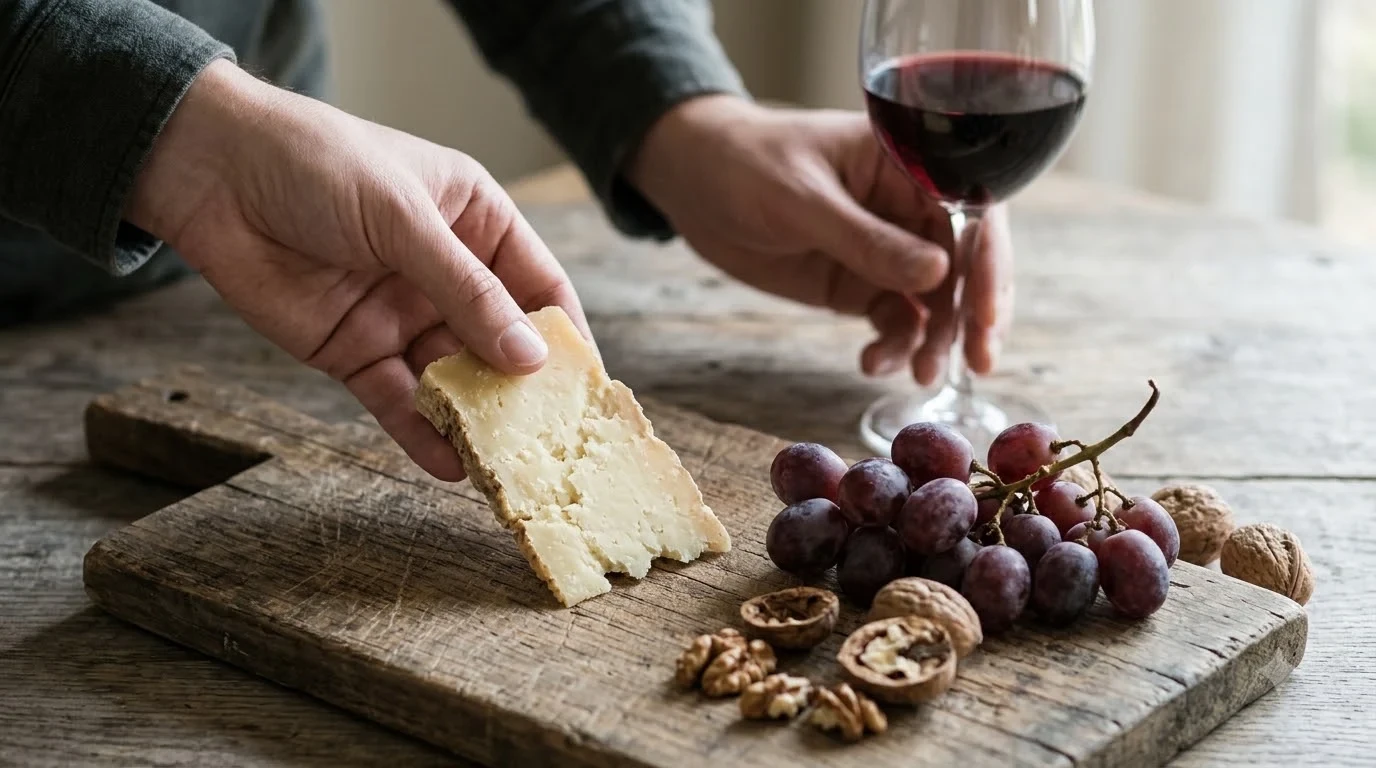
The classic Jerez pairing brings together a small glass of PX with bold, veined sheep or cow’s milk cheeses such as Roquefort, Stilton, Gorgonzola Piccante, or Spain’s own Cabrales. Salt amplifies the wine’s dried-fig and toffee notes while the wine’s plush texture softens the sharp, peppery finish of the blue mold. Serving a small drizzle of PX directly over a wedge of blue cheese on toasted walnut bread turns a simple cheese course into a restaurant-caliber finish.
Hard, crystalline aged cheeses also thrive alongside this sweet fortified style. Extra-matured Manchego, aged Gouda, and Parmigiano-Reggiano develop savory amino acid crystals and nutty caramel undertones during months or years of aging. Those toasted, nutty notes mirror the oxidative solera aging of the sherry while the cheese’s dense saltiness prevents the wine from feeling heavy on the tongue.
Skip mild, fresh, or delicate cheeses like young mozzarella, fresh chèvre, or subtle triple-cream Brie. Without strong salt or pungent fermentation character to push back against more than 212 grams per liter of sugar, mild cheeses taste bland and disappear completely behind the wine.
Chocolate, Coffee, and Dark Desserts
Bittersweet chocolate and espresso-driven desserts match Pedro Ximénez in both aromatic depth and structural weight. Bitter cocoa solids act as a foil to the wine’s honeyed, dried-fruit core.
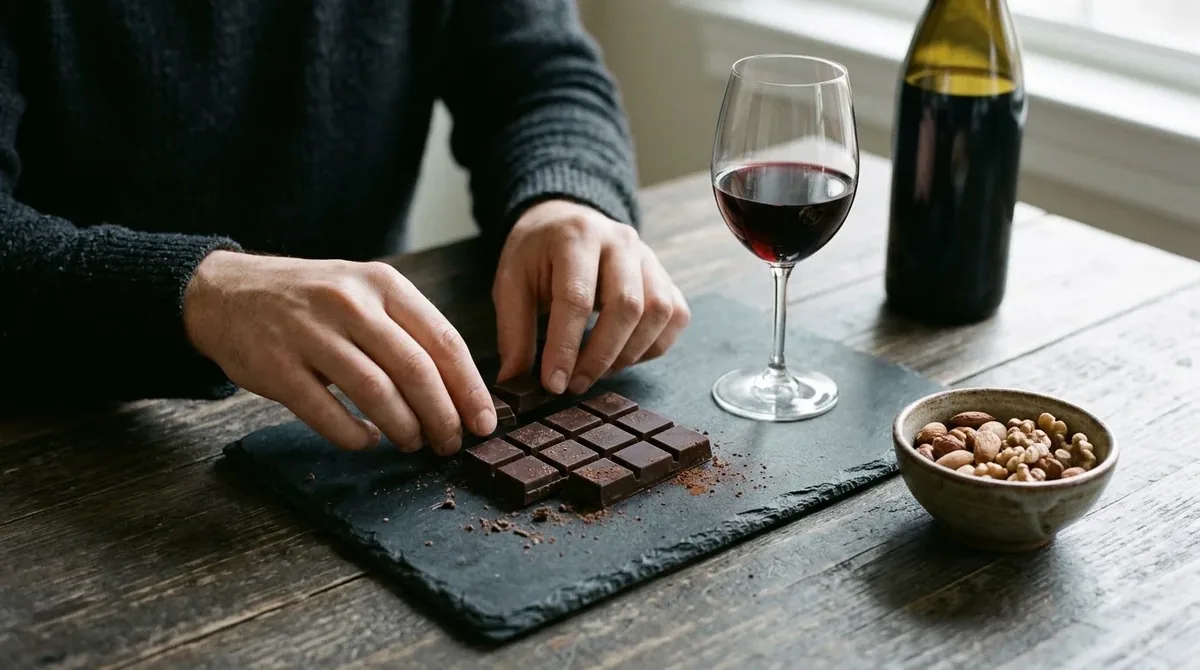
When matching chocolate with what is pedro ximenez, cocoa percentage makes all the difference. Dark chocolate tarts, flourless chocolate tortes, and truffles made with 70 percent cacao or higher bring roasted bitterness and subtle tannins that frame the wine’s sweetness. Milk chocolate or white chocolate desserts rarely offer enough bitterness to balance the glass, leaving both the dessert and the wine tasting cloying.
Baked desserts built around dark caramel, brown butter, dried fruits, and warm baking spices also align naturally with PX. Sticky toffee pudding, pecan pie, spiced fruitcake, and Spanish churros served with thick, bitter hot chocolate echo the wine’s molasses and roasted coffee aromas without clashing.
Tip: Treat Pedro Ximénez as an ingredient on the dessert plate by spooning a single tablespoon over plain vanilla bean ice cream or fresh macerated strawberries instead of pouring a full glass alongside an already sweet cake.
Ice Cream, Fresh Fruit, and Savory Glazes
Cold dairy desserts, bright acidic fruits, and slow-cooked savory glazes expand Pedro Ximénez beyond traditional pastry pairings. Temperature contrast and natural acidity keep the wine’s dense sugar profile nimble.
Pouring chilled PX directly over a scoop of plain vanilla ice cream—essentially a sherry affogato—is a staple across southern Spain. As the warm-spiced wine hits the frozen cream, it thickens slightly into a glossy caramel-raisin sauce while the cold dairy fat tempers the sweetness. Coffee, roasted hazelnut, and salted caramel ice creams work equally well under a measured drizzle.
Fresh fruit offers another clean, low-effort match when acidity leads the dish. Fresh strawberries, sliced figs, ripe pears, and tart blood oranges bring bright malic and citric acids that slice through the wine’s syrupy texture. Macerating sliced strawberries in a splash of PX for ten minutes before serving works much like aged balsamic vinegar, drawing out fresh berry juices while softening the wine’s intensity.
In savory cooking, small reductions of Pedro Ximénez add glossy umami depth to rich meats without turning dinner into dessert. Deglazing a pan with a splash of PX for braised beef short ribs, roasted duck breast, or pork tenderloin creates a dark, fig-scented pan sauce that pairs best with a dry table red—such as the matches covered in our blaufrankisch food pairing guide—while reserving the remaining PX bottle for the cheese board afterward.
Pedro Ximénez Pairing Reference Table
Choosing the right dish comes down to balancing the wine’s extreme sugar level against salt, bitterness, or bright acidity. Use the reference table below to match specific dishes with the structural element that keeps the pairing balanced.
| Food Category | Top Dish Examples | Balancing Element | Serving Format |
|---|---|---|---|
| Blue Cheese | Roquefort, Cabrales, Stilton | High salt and pungent tang | Small pour beside cheese or drizzled on bread |
| Aged Hard Cheese | Extra-mature Manchego, aged Gouda | Salty crystals and nutty umami | Thin slices with toasted walnuts |
| Dark Chocolate | 70%+ cacao torte, dark truffles | Roasted cocoa bitterness | Small 2-ounce pour at cool cellar temperature |
| Frozen Dairy | Vanilla bean or espresso ice cream | Cold temperature and dairy fat | Drizzled directly over the scoop |
| Spiced Baked Goods | Sticky toffee pudding, pecan pie | Dark caramel and toasted nuts | Modest pour to avoid sugar overload |
| Fresh Acidic Fruit | Strawberries, ripe figs, blood orange | Bright natural fruit acidity | Macerated in a splash of PX for 10 minutes |
How to Serve Pedro Ximénez with Food
Proper serving temperature and glassware prevent Pedro Ximénez from tasting heavy or alcoholic at the table. Serving the wine slightly chilled sharpens its natural acidity and lifts its complex aromatics.
The Consejo Regulador recommends serving Pedro Ximénez slightly chilled between 54°F and 57°F (12°C to 14°C), while Wine Folly notes a comfortable range of 55°F to 60°F (12°C to 15°C). Roughly 30 to 45 minutes in a standard refrigerator brings a room-temperature bottle into this ideal window. Serving PX too warm accentuates the 15 to 22 percent alcohol and makes the sugar feel syrupy, whereas serving it ice-cold mutes the nuanced aromas of fig, coffee, and walnut.
Pour small, measured servings of 2 to 3 ounces into a standard white wine glass or a traditional wide-rimmed Spanish catavino rather than a tiny liqueur thimble. A tulip-shaped bowl gives the dense wine room to breathe and directs aromas of dried fruit and roasted nuts toward the nose. Because PX is oxidized and fortified, an opened bottle recorked and stored in the refrigerator stays fresh and vibrant for several weeks—or even a couple of months—making it easy to pour single dessert servings over multiple dinners. If you are exploring how sweet fortified bottles fit into the broader spectrum of Wine by Type, keeping an open bottle of PX in the fridge provides an effortless finishing touch whenever cheese or dark chocolate hits the table.
Frequently Asked Questions
Can you serve Pedro Ximénez with savory main courses?
A full glass of Pedro Ximénez is too sweet for most savory main dishes because it contains over 212 grams of sugar per liter. However, it works well as a small reduction in pan sauces for duck, pork, or braised beef, and pairs beautifully with salty cheeses at the end of a savory meal.
What temperature should Pedro Ximénez be served at?
Serve Pedro Ximénez slightly chilled between 54°F and 60°F (12°C to 15°C). Chilling the bottle for about 30 to 45 minutes in the refrigerator keeps its natural acidity crisp and prevents the high sugar and alcohol levels from feeling heavy.
Why does blue cheese work so well with Pedro Ximénez?
Blue cheeses like Roquefort, Stilton, and Cabrales pack intense saltiness and sharp, tangy blue veins that cut straight through the wine’s syrupy sweetness. In return, the velvety dried-fruit richness of the sherry softens the cheese’s peppery bite.
How long does an open bottle of Pedro Ximénez last?
Thanks to its high sugar concentration, fortification to 15–22 percent ABV, and oxidative solera aging, an opened bottle of Pedro Ximénez keeps well for four to eight weeks. Store it tightly recorked in the refrigerator to preserve its fresh dried-fruit and coffee aromas.
Successful pairings with Pedro Ximénez always come back to contrast and restraint. Pour small chilled glasses, lean on salty blue cheeses, bitter dark chocolate, or cold vanilla ice cream, and let the wine’s concentrated dried-fruit complexity anchor the final course.
More in Wine Types & Grapes
 What Does Mourvèdre Taste Like? Flavor Profile, Regions, and PairingsUpdated Nov 20, 2026
 What Does Marsanne Taste Like? Flavors, Styles, and Food PairingsUpdated Nov 20, 2026
 What Does Malvasia Taste Like? Styles, Flavors, and Food PairingsUpdated Nov 20, 2026
 What Does Grenache Blanc Taste Like? Flavor Profile, Styles, and PairingsUpdated Nov 20, 2026
 What Does Garnacha Taste Like? Key Flavors, Styles, and Pairing TipsUpdated Nov 20, 2026
 What Does Fruit Wine Taste Like? A Complete Flavor and Style BreakdownUpdated Nov 20, 2026