


We may earn a commission when you buy through links on this page, at no extra cost to you. Learn more.
Baccarat red wine glasses are luxury crystal stemware designed for wine drinkers who value refined presentation, distinctive craftsmanship, and thoughtfully shaped bowls. The Château Baccarat Tasting Glass is a strong choice for red wine, with a generous 45 cl capacity and a rounded bowl designed to encourage aeration. Collections such as Mille Nuits, Masséna, and Harcourt offer different visual styles, so choosing the right glass depends on whether wine presentation, decorative appeal, or formal table styling matters most.
Baccarat occupies a distinctive position in luxury tableware, and its wine glasses are as much considered design objects as functional drinking vessels. That combination makes the brand appealing for special occasions, wedding gifts, and carefully assembled home bar collections. However, not every Baccarat glass has the same proportions or intended use. This review examines the red wine options, their practical strengths, potential drawbacks, and what buyers should consider before investing in crystal stemware.
Specs and Key Features
Baccarat’s red wine collection combines crystal construction with several different bowl shapes, stem designs, and decorative treatments. The Château Baccarat Tasting Glass is a clearly specified red wine option, while the broader collection offers alternatives for people who prefer traditional or more decorative glassware.
| Specification | Château Baccarat Tasting Glass |
|---|---|
| Product reference | 2611151 |
| Material | Crystal |
| Glass classification | Red wine glass |
| Capacity | 45 cl (450 ml) |
| Height | 21.85 cm |
| Diameter | 9.30 cm |
| Weight | 780 g |
| Color | Clear |
| Country of manufacture | France |
| Retail presentation | Set of 2 |
These specifications come from Baccarat’s US product listing. The 450 ml capacity provides room for a measured serving while leaving space above the wine for swirling. Its 21.85 cm height also gives the glass a substantial presence on a dining table. The listed weight of 780 g is worth considering because this is not an especially lightweight piece of stemware. Buyers who prefer delicate, barely noticeable glasses may find its substantial construction less appealing.
The most important design feature is the relationship between the bowl and rim. Baccarat describes the Château Baccarat shape as a wide, rounded bowl inspired by tasting glasses used by sommeliers. The bowl is intended to help aerate wine and release aromatic compounds, while the tapered opening helps direct aromas toward the nose and limits excessive movement of wine during swirling. The manufacturer’s Château Baccarat Tasting Glass specifications provide the dimensions and design details for this particular model.
For a broader look at how bowl shape, rim diameter, and capacity affect everyday use, the red wine glasses comparison provides useful context. A large bowl is not automatically better for every red wine, and the ideal proportions depend on the wine’s structure and aromatic character.
Baccarat also offers several other collections through its US red wine glass category. Masséna, Harcourt, Mille Nuits, and the Passion Collection represent different approaches to crystal design. Some are more traditional, while others emphasize distinctive stems, decorative cuts, or contemporary silhouettes. It is important to compare individual product specifications rather than assume that every glass in the catalog shares the Château model’s 450 ml capacity.
What Owners Like
The strongest reasons to choose Baccarat are its recognizable crystal craftsmanship, distinctive visual identity, and the attention given to the shape of individual wine glasses. These qualities make the range attractive to people who want their stemware to contribute to the entire dining experience rather than simply hold a drink.
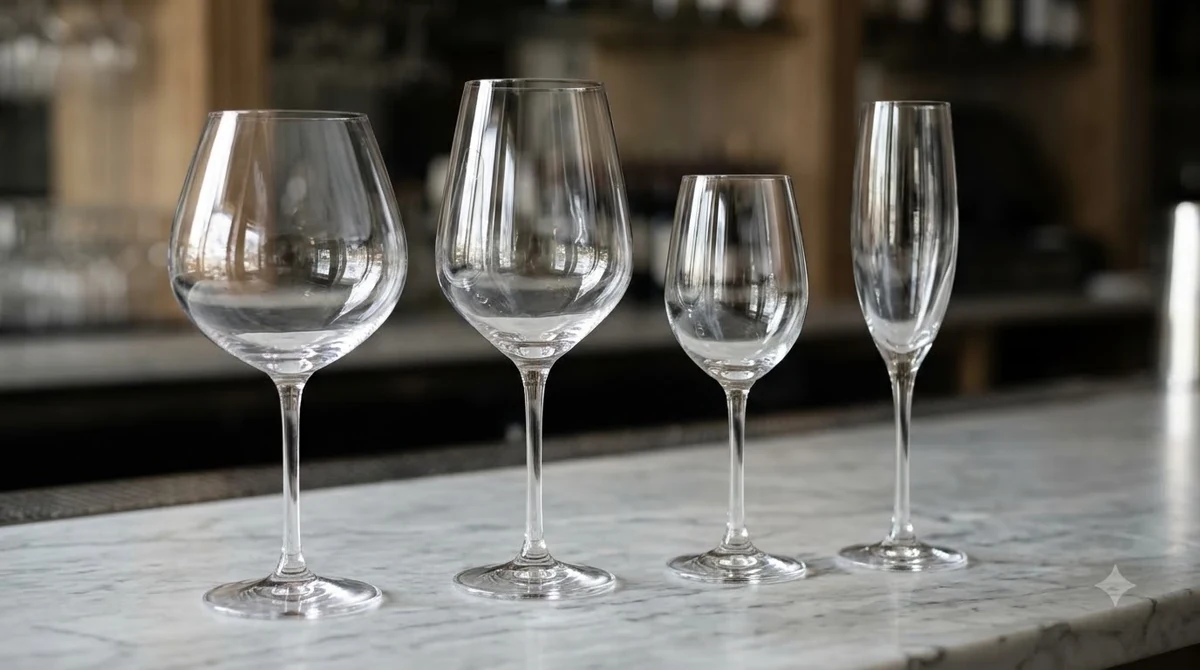
Distinctive crystal presentation. Baccarat’s collections offer considerably more visual character than basic restaurant-style stemware. The Harcourt family, for example, is associated with a substantial, recognizable design, while Mille Nuits uses a more decorative silhouette. These differences give buyers room to choose glassware that matches their dining room, table settings, or existing crystal collection.
A purposeful red wine bowl. The Château Baccarat Tasting Glass is especially appealing because its design has a functional explanation. Its 45 cl capacity and rounded bowl provide room for swirling and aromatic development. The tapered rim is another useful detail, since it helps concentrate the wine’s aromas without allowing the liquid to travel too far up the sides when moved.
French manufacturing. The Château Baccarat model is listed as made in France. For buyers who care about the origin of their tableware, that information adds an identifiable point of distinction. The combination of crystal material and French manufacture also makes the glass a suitable choice for a gift intended to feel more substantial than ordinary household stemware.
Collection consistency. People building a coordinated dining collection may appreciate the fact that Baccarat has several related glassware families. A household can choose a recognizable design language and extend it across different occasions. This is particularly useful for formal entertaining, where matching wine glasses, champagne glasses, and water glasses can create a more considered table setting.
Gift presentation. Baccarat’s US product page describes its Château Baccarat glasses as arriving in a red presentation box with a white ribbon and gift bag. That presentation makes the product suitable for milestone birthdays, weddings, anniversaries, and housewarming occasions. The packaging is part of the appeal for someone buying a luxury item as a present rather than simply replacing everyday kitchen glasses.
Another appealing aspect is the range of available aesthetics. The Mille Nuits collection, described by Harrods, uses a diamond-cut stem and wide base beneath an elongated bowl. This creates a different visual effect from the more rounded Château design. It may suit someone who prefers a slender, decorative silhouette rather than a traditional large-bowled red wine glass.
For serious wine drinkers, it is useful to separate aesthetic quality from measurable tasting advantages. A well-proportioned bowl can help with swirling and aroma release, but the glass does not change the underlying quality of a wine. A Cabernet Sauvignon remains tannic, a Pinot Noir remains comparatively delicate, and the wine’s temperature and condition continue to matter more than the prestige of the stemware.
Common Complaints
The main disadvantages to consider are the substantial weight of some models, the extra care required by crystal, and the fact that Baccarat’s decorative designs may not suit every practical setting. These are considerations arising from the published product characteristics, rather than claims about a measured owner-review survey.
Weight and handling. The Château Baccarat Tasting Glass weighs 780 g according to the manufacturer’s specification. That is a notable consideration for anyone accustomed to lightweight wine glasses. People with limited storage space or those who regularly carry multiple glasses from kitchen to dining room may prefer something lighter. A substantial glass can feel reassuring in the hand, but it is not necessarily the most convenient choice for every household.
Fragility and replacement concerns. Crystal stemware needs careful handling, particularly around the rim and stem. A knock against a hard countertop, another glass, or a metal sink fitting can cause damage. This is not unique to Baccarat, but the financial and sentimental importance of luxury glassware can make breakage more frustrating. Buyers planning to use these glasses regularly should consider where they will be washed, dried, and stored.
Cleaning requirements. Some Baccarat designs have detailed decorative features that require more attention during cleaning. Harrods specifically states that its Mille Nuits high red wine glass is unsuitable for dishwasher use. This is an important practical distinction for households that rely on automatic dishwashing. Handwashing adds time to cleanup, especially after a dinner party involving several guests.
Not every design is optimized for every red wine. The Château model has a generous 450 ml capacity, but a buyer may prefer a different bowl profile for particular wine styles. A large-bowled glass can be attractive for fuller reds, yet some drinkers prefer a smaller vessel for lighter wines. Pinot Noir, for example, has lower-to-medium tannin and high acidity, while Cabernet Sauvignon typically has high tannin. Their aromatic profiles and serving preferences are not identical.
Decorative styling may not suit minimalist tables. Collections with prominent stems or elaborate crystal detailing create a strong visual impression. That is an advantage for people who enjoy statement tableware, but a disadvantage for those who prefer plain, understated glasses. The Harcourt and Mille Nuits families have different design personalities, so choosing based on photographs and collection names alone can lead to a disappointing mismatch.
Limited everyday practicality. Luxury crystal is not necessarily the most sensible option for casual meals, outdoor dining, or large gatherings. A household with children, frequent entertaining, or limited cabinet space may find that ordinary glassware is easier to manage. Baccarat makes the most sense when the buyer is comfortable giving delicate stemware dedicated storage and careful handling.
Tip: Before ordering, compare the exact model’s capacity, weight, and cleaning instructions. Baccarat collections can look similar in product photographs while having different dimensions and intended uses.
Who Should Buy and Who Should Skip
Baccarat red wine glasses are best suited to people who appreciate luxury tableware and want stemware that combines decorative appeal with thoughtful wine-glass proportions. They are particularly attractive for formal dining, collecting, and gifting, but less convincing for buyers whose main priority is affordability or low-maintenance everyday use.
Who should buy Baccarat?
Wine enthusiasts who entertain regularly. The Château Baccarat Tasting Glass is a compelling option for someone who enjoys hosting dinners and serving red wines in a dedicated glass. Its 450 ml capacity provides enough room for a 5 oz pour and additional space for swirling. This is useful when serving structured reds such as Cabernet Sauvignon, Syrah, or Bordeaux-style blends.
Collectors of fine crystal. Buyers who already own decorative tableware may appreciate the design continuity across Baccarat collections. A collection can be assembled gradually, with wine glasses chosen first and complementary pieces added later. The Harcourt, Masséna, and Mille Nuits families offer different appearances, making it possible to choose a recognizable style rather than settling for generic stemware.
People shopping for meaningful gifts. A pair of crystal wine glasses can make a memorable wedding or anniversary present. The presentation of the Château Baccarat set adds to its gift appeal. It is also a thoughtful choice for someone who enjoys entertaining or has a particular interest in wine.
Design-conscious homeowners. If glassware is an important part of a dining room’s appearance, Baccarat offers designs that can function as decorative pieces even when they are not in use. A coordinated set can complement formal table linens, crystal decanters, and carefully chosen dinnerware.
Who should skip Baccarat?
Buyers who prioritize durability. If a glass needs to withstand frequent handling, crowded dishwashers, and casual outdoor use, a more practical everyday design may be preferable. Crystal is not the best material choice for someone who wants to treat stemware casually.
People who prefer lightweight glasses. The Château model’s published weight of 780 g may be too substantial for drinkers who value a very light feel. It is sensible to consider handling comfort before committing to an entire set.
Budget-conscious households. The attraction of Baccarat is closely connected to its luxury positioning and distinctive craftsmanship. If the primary goal is simply to find a functional red wine glass, a well-designed alternative can meet that need without requiring a luxury crystal purchase.
People with limited storage. Tall stemware needs enough vertical clearance and careful separation to prevent damage. A cabinet that cannot comfortably accommodate a 21.85 cm glass may not be suitable. Buyers should measure their shelves before choosing a substantial model.
Those who want a broader selection of practical options can compare the best wine glasses before deciding whether a premium crystal set is the right investment. That comparison is especially helpful for households that want one glass style for red, white, and occasional sparkling wines.
How It Compares to Alternatives
Baccarat’s strongest selling point is its combination of recognizable design and luxury crystal construction. However, the best alternative depends on whether the buyer prioritizes a large red wine bowl, a decorative stem, or a more compact glass for versatile use.
The Château Baccarat Tasting Glass provides a useful reference point because Baccarat explicitly identifies it as a red wine glass. Its 45 cl capacity and 9.30 cm diameter create a noticeably different proposition from the smaller 220 ml Mille Nuits high red wine glass listed by Harrods.

The difference is not simply a matter of size. The Château model has a broad, rounded bowl that Baccarat describes as suitable for aeration and aromatic development. The Mille Nuits design emphasizes an elongated bowl, diamond-cut stem, and wide base. Both are crystal products made in France, but they present wine and the dining table differently. Harrods provides the Mille Nuits high red wine glass details, including its capacity and care restrictions.
| Glass | Capacity | Design emphasis | Best suited to |
|---|---|---|---|
| Château Baccarat Tasting Glass | 450 ml | Wide, rounded bowl and tapered rim | Red wine tasting and formal dining |
| Mille Nuits High Red Wine Glass | 220 ml | Elongated bowl and diamond-cut stem | Decorative presentation and smaller pours |
| Harcourt Louis-Philippe Glass | 250 ml | Compact crystal design with clear and red coloring | Distinctive table presentation |
The figures above are published product capacities, not recommended serving sizes. A standard wine pour is approximately 5 oz, or 148 ml. A 450 ml bowl therefore leaves substantial room for swirling, whereas a 220 ml glass offers less space between the wine and rim. This difference matters if you regularly serve fuller-bodied reds that benefit from a little extra room for aromatic development.
The Harcourt Louis-Philippe glass provides another interesting comparison. Baccarat lists its capacity at 25 cl, with a height of 16.90 cm and a diameter of 8.90 cm. Its clear-and-red appearance gives it a more decorative character than the clear Château Tasting Glass. However, its listed 250 ml capacity makes it a different proposition for generous red wine pours.
None of these options is automatically superior. A wine drinker who prefers a traditional large-bowled tasting glass may find Château more suitable. Someone who values the sculptural character of a glass may prefer Mille Nuits, while Harcourt Louis-Philippe may appeal to someone who wants a distinctive decorative accent.
It is also important to distinguish Baccarat from the broader market for luxury and specialist wine stemware. A high-end glass from another manufacturer can provide excellent wine presentation without having the same visual character. Buyers should compare bowl proportions, rim shape, balance, capacity, and cleaning requirements rather than treating the brand name as a substitute for practical suitability.
For people who prefer a more casual drinking style, stemless wine glasses offer a different approach. They remove the traditional stem and are generally easier to store in compact cabinets. However, they do not provide the same formal presentation as Baccarat’s traditional stemmed crystal designs, and the bowl is held directly in the hand.
Care, Storage, and Long-Term Use
Proper handling is important if Baccarat crystal is expected to remain attractive over many years. Gentle cleaning, suitable storage, and a consistent approach to handling the stem and bowl can reduce unnecessary damage.
Handwashing is the cautious approach. Use lukewarm water, a small amount of mild dish soap, and a soft sponge or cloth. Avoid abrasive pads, harsh cleaning products, and sudden temperature changes. Harrods specifically warns that its Mille Nuits high red wine glass is not suitable for dishwasher use. Because care instructions can differ between products, follow the guidance supplied for the exact collection rather than assuming that every Baccarat glass has identical requirements.
Support the bowl and stem carefully. When washing a glass, avoid twisting the bowl and stem in opposite directions. This places unnecessary stress on the narrow connection. A safer method is to hold the glass gently while cleaning one section at a time. When rinsing, avoid knocking the rim against the faucet or other glassware.
Dry with a lint-free cloth. Water spots and fingerprints can reduce the appearance of clear crystal. A clean microfiber or other soft lint-free cloth can help restore clarity. Avoid gripping the glass too tightly during polishing. If the glass is still warm or wet, allow it to cool or drain before applying pressure.
Store glasses upright and separated. Stemware should have enough room that neighboring pieces cannot strike one another when a cabinet is opened. Avoid stacking delicate wine glasses. A padded cabinet shelf or dedicated stemware rack can provide additional protection, provided the glasses are not suspended in a way that puts excessive pressure on their stems.
Keep the original packaging. The original Baccarat presentation box can be useful for occasional transport or long-term storage. Before placing glasses inside, ensure that they are completely clean and dry. Use suitable protective material to prevent movement during transport, particularly if the box will be carried in a vehicle.
Use the right serving temperature. The quality of the wine experience still depends on serving conditions. Light-bodied reds such as some Pinot Noir styles generally benefit from temperatures around 55 to 60 degrees Fahrenheit, while fuller-bodied reds such as Cabernet Sauvignon are commonly served around 60 to 65 degrees Fahrenheit. A fine crystal glass cannot compensate for wine served too warm or too cold.
For everyday use, a sensible approach is to reserve Baccarat stemware for occasions where careful handling is practical. It can still be used regularly, but it should not be treated like a heavy-duty restaurant glass. A separate set of more durable glasses for outdoor meals and informal gatherings can help preserve the crystal collection.
Buyers who want to explore other manufacturers before committing to a particular collection can consult the Glassware Brands resource. Comparing different construction methods and designs is a useful way to establish whether Baccarat’s distinctive aesthetic matches the rest of a home glassware collection.
Frequently Asked Questions
Are Baccarat red wine glasses made from lead crystal?
The Baccarat product pages referenced here identify the Château and Harcourt examples as crystal, but the cited specifications do not establish the lead content of every collection. Buyers who specifically require lead-free crystal should request material information for the exact product reference before purchasing. The word crystal alone should not be treated as confirmation of a particular chemical composition.
Can Baccarat red wine glasses be engraved?
Baccarat’s US Château Baccarat product listing includes an engraving service indicator. Availability and customization options can depend on the specific product and ordering arrangement. Buyers considering personalized wedding or anniversary gifts should confirm the available engraving details directly with Baccarat before placing an order.
Do Baccarat wine glasses come with replacement pieces?
Replacement availability is not established by the product specifications discussed in this review. A discontinued design or a particular decorative variation may be more difficult to match than a current collection. Keep the product reference and original packaging information so that customer service can identify the correct glass if a replacement is needed.
Can Baccarat crystal glasses be used for white wine?
Some Baccarat collections include glassware designed for different wine categories, and the Château family includes separate sizes. A dedicated white wine glass is generally more appropriate when a smaller bowl and reduced air exposure are desired. The red wine version can still hold white wine, but it may not provide the same serving experience as a glass specifically designed for that style.
Are Baccarat red wine glasses suitable for restaurant use?
They can be used in a formal dining environment, but their crystal construction and handling requirements make them less practical for high-volume service than durable commercial stemware. Restaurants considering them should account for washing procedures, staff training, replacement availability, and storage. They are most appropriate for establishments that can support careful handling and premium table presentation.
Baccarat red wine glasses are an appealing choice for buyers who value crystal craftsmanship, distinctive design, and formal wine presentation. The Château Baccarat Tasting Glass is the strongest starting point for dedicated red wine use, while Mille Nuits and Harcourt offer alternatives for different visual preferences. Choose according to the actual dimensions, capacity, and care requirements of the individual glass, and the result can be a beautiful addition to a carefully maintained glassware collection.
More in Wine Glasses
 Zwiesel Glas Champagne Flutes for Durable Everyday Sparkling WineUpdated Nov 20, 2026
 Vera Wang Crystal Wine Glasses: Design, Quality and Buying AdviceUpdated Nov 20, 2026
 West Elm White Wine Glasses: Compare Designs for Better Everyday Wine ServiceUpdated Nov 20, 2026
 Zalto Stemless Wine Glasses: Discover Their Distinctive DesignsUpdated Nov 20, 2026
 Viski Champagne Glasses That Match Your Style and Sparkling WineUpdated Nov 20, 2026
 Vista Alegre Decanter Review: Crystal Style and Wine ServiceUpdated Nov 20, 2026