

We may earn a commission when you buy through links on this page, at no extra cost to you. Learn more.
Cheap merlot can be a satisfying everyday red wine when you choose a bottle with ripe fruit, balanced acidity, and smooth tannins rather than simply picking the lowest-priced option. Affordable Merlot commonly offers flavors of black cherry, plum, blackberry, and sometimes chocolate or vanilla. California, Washington, Chile, and southern France are useful regions to explore. The key is understanding how growing region, winemaking style, and sweetness affect what ends up in your glass.
Merlot has a reputation for being approachable, but inexpensive examples can vary considerably. Some are fresh, fruit-forward wines made for casual meals, while others are heavier, sweeter-tasting, or dominated by oak flavors. Fortunately, you do not need an expensive bottle to find an enjoyable Merlot. A little knowledge about grape characteristics, regional styles, and label terminology can make supermarket and wine-shop selections much easier to compare. This guide explains what to look for, how to avoid common disappointments, and how to get more enjoyment from an affordable bottle.
Who Cheap Merlot Is For
Affordable Merlot is particularly suitable for people who enjoy approachable red wines with ripe fruit and less aggressive tannins than Cabernet Sauvignon. It offers enough body for everyday dinners without necessarily requiring extensive aging, complicated serving rituals, or elaborate food pairings.
Merlot is a good starting point for someone moving from lighter reds toward fuller-bodied wines. Typical flavors include black cherry, plum, raspberry, and blackberry, with cocoa, vanilla, or herbal notes depending on the growing region and production choices. Its generally softer texture makes it appealing to drinkers who find heavily tannic Cabernet Sauvignon too drying. However, inexpensive Merlot is not automatically sweet. Most examples are fermented dry, and ripe fruit can create a sweet impression even when the wine contains little residual sugar.
It also suits households that want a versatile bottle for familiar meals. A fruit-forward California Merlot can accompany burgers, pizza, roast chicken, and tomato-based pasta. A more structured Washington example can work with beef stew, grilled pork, or mushroom dishes. For casual entertaining, Merlot is useful because it does not demand a particularly elaborate menu.
There are limits to what a budget bottle can deliver. Someone looking for the depth, concentration, and long aging potential of prestigious Pomerol or Saint-Émilion wines should not expect those characteristics from every inexpensive supermarket Merlot. Similarly, drinkers who prefer very light-bodied reds may find some warmer-climate examples too full and rich.
For shoppers still deciding between fruit-forward sweetness and a genuinely dry red, understanding the difference between sweet Merlot and dry styles is a useful first step. The distinction matters because perceived sweetness and actual residual sugar are not the same thing.
Key Factors to Compare When Buying Merlot
The best budget Merlot balances fruit, acidity, tannin, and alcohol without allowing one characteristic to overwhelm the others. Compare the wine’s origin, production style, and intended drinking occasion before choosing a bottle.
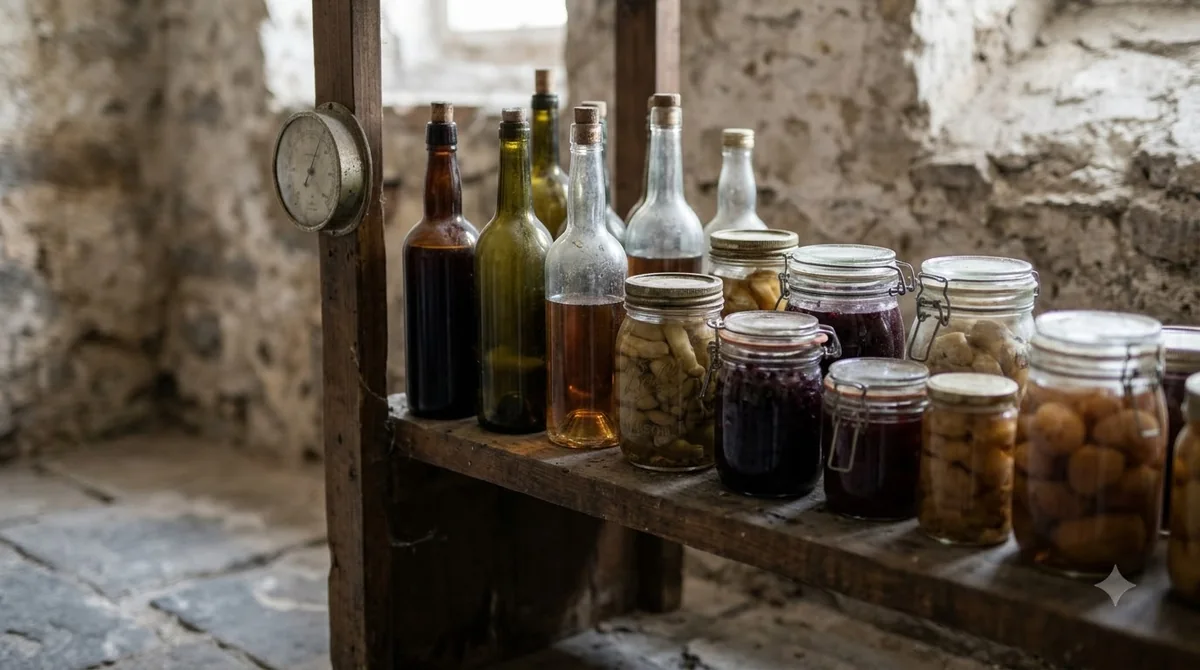
Start with the growing region. California generally offers approachable, ripe-fruited Merlot, with cherry, plum, blueberry, and sometimes vanilla or chocolate notes. Washington State can deliver a deeper fruit profile, often combining black cherry and blueberry with more noticeable freshness. Chile provides another useful option, with styles ranging from straightforward fruit-forward reds to more restrained wines. Southern France, particularly the Languedoc, is also worth considering for affordable bottles.
Next, consider sweetness and texture. A dry Merlot should not taste like a dessert wine, even if its ripe plum and blackberry flavors seem sweet. Tannin is the drying sensation associated with grape skins and seeds. Merlot typically has medium tannins that feel softer than those of Cabernet Sauvignon, although growing conditions and winemaking can produce firmer examples. Acidity gives the wine freshness and helps prevent rich fruit flavors from becoming heavy.
Alcohol content is another useful comparison point. A warmer-climate Merlot may have a fuller body and higher alcohol, while a cooler-climate example may feel fresher and more restrained. Neither approach is automatically superior. The better choice depends on whether the wine is intended for a substantial meal or relaxed drinking.
| Buying factor | What to look for | What it suggests |
|---|---|---|
| Fruit character | Cherry, plum, blackberry | Recognizable ripe-fruit profile |
| Tannin | Medium, relatively soft | Less drying texture than Cabernet Sauvignon |
| Acidity | Medium | Freshness and balance |
| Body | Medium to full | More weight on the palate |
| Serving temperature | 60–65°F | Balanced aroma and alcohol |
| Glass pour | 5 ounces | About 5 servings per 750 ml bottle |
| Decanting | 30–60 minutes for young full reds | More exposure to air before serving |
Oak treatment deserves attention as well. Vanilla, baking spice, cedar, and chocolate can add complexity, but inexpensive wines do not necessarily benefit from prominent oak flavors. A fruit-led Merlot with clean acidity can be more enjoyable than one that tastes overwhelmingly of toasted wood. The goal is balance, not the largest number of tasting descriptors.
Finally, think about the bottle’s intended purpose. A weekday dinner wine needs pleasant fruit and a comfortable finish. A bottle for a roast dinner may benefit from more structure and concentrated fruit. A wine for guests with different preferences should generally have moderate tannins, balanced acidity, and a recognizable Merlot character.
Step-by-Step: How to Choose a Good Budget Merlot
A simple selection process helps narrow down the choices without relying on attractive packaging or unfamiliar marketing language. Focus on the region, style, and balance before making a final decision.
- Decide what you want the wine to taste like. Choose a fruit-forward style if you enjoy cherry, plum, and blackberry flavors. Look for a more restrained regional expression if you prefer herbal notes, fresher acidity, and less obvious ripeness.
- Start with established growing regions. Compare California, Washington, Chile, and Languedoc. These areas provide different expressions of Merlot, making regional origin a helpful first filter.
- Determine whether you want dry or sweet. Most conventional Merlot is dry. If you want a noticeably sweet red, seek a wine specifically described as sweet rather than assuming ripe fruit means added sugar.
- Consider the alcohol level and body. A fuller-bodied wine can suit grilled beef and rich sauces. A more moderate example may work better with poultry, pasta, and lighter meals.
- Read the producer and grape information. Look for clear information about origin and whether Merlot is the primary grape. Some wines use Merlot as part of a blend rather than presenting it as a single-variety wine.
- Compare the description with your preferences. Terms such as plum, cherry, cocoa, and soft tannins suggest a familiar Merlot profile. Strong herbal or earthy descriptors may indicate a more restrained style.
- Consider the occasion before purchasing. Select an uncomplicated fruit-forward bottle for pizza night, or a more structured wine for roast beef and braised short ribs.
- Keep track of successful choices. Record the producer, region, vintage, and flavor characteristics of bottles you enjoy. This creates a more useful shopping reference than relying on label colors or promotional descriptions.
One particularly useful habit is to compare two different regional expressions rather than purchasing several nearly identical bottles. For example, a Chilean Merlot and a Washington Merlot can demonstrate how climate and winemaking influence fruit intensity, freshness, and texture. This comparison helps identify the characteristics you actually prefer.
Tip: When choosing between two inexpensive Merlots, prioritize a clear regional origin, recognizable fruit flavors, and balanced acidity over elaborate packaging. A straightforward wine with good structure can be more satisfying than one marketed with exaggerated tasting descriptions.
Types and Regional Styles of Affordable Merlot
Budget Merlot is not one uniform style. Its flavor and texture depend heavily on climate, vineyard conditions, blending choices, and oak treatment. Understanding the differences between major growing areas makes it easier to select a wine that suits your preferences.
California Merlot
California is a familiar starting point for affordable American Merlot. Many examples emphasize ripe cherries, plums, blueberries, and a rounded texture. Some wines also show sage, violets, chocolate, or vanilla, particularly when oak aging influences the finished wine.
Sonoma and Napa Valley offer recognizable regional identities, although their more prestigious bottles can be considerably different from everyday supermarket selections. For a straightforward dinner wine, California Merlot is worth considering when you want approachable fruit and a relatively full mouthfeel. Its richer style can complement hamburgers, roasted pork, grilled chicken, and tomato-based pasta.
Washington State Merlot
Washington Merlot is another useful option for shoppers who enjoy ripe fruit but want freshness alongside richness. Black cherry, blueberry, fig, and vanilla are familiar flavor descriptions, while acidity can help balance the concentrated fruit character.
The Columbia Valley and surrounding growing areas are useful names to recognize. Washington examples can offer more structure than some uncomplicated fruit-forward reds. They work especially well with grilled beef, roast pork, mushrooms, and hearty stews.
Chilean Merlot
Chile offers a range of Merlot styles, including fruit-driven bottles that are easy to enjoy without extended aging. Some examples are relatively medium-bodied and restrained, with freshness accompanying their red and dark fruit flavors.
Chilean Merlot can be an appealing choice for shoppers who prefer less emphasis on heavy oak and concentrated sweetness. It is suitable for casual meals, pasta dishes, roasted vegetables, and simple grilled meats. Regional differences remain important, so two Chilean wines should not automatically be expected to taste alike.
Southern French Merlot
The Languedoc region in southern France is a worthwhile place to explore affordable Merlot. Its wines can offer a different balance of fruit, herbs, and structure from the more overtly fruit-driven examples often associated with warmer American growing areas.
French bottles may also contain Merlot alongside other traditional red varieties. Bordeaux blends, for example, can combine Merlot with Cabernet Sauvignon, Cabernet Franc, and Petit Verdot. These wines are not necessarily labeled simply as Merlot, so understanding regional naming conventions helps avoid confusion.
Bordeaux-Inspired Blends
Merlot plays a significant role in Bordeaux, especially on the Right Bank, where Saint-Émilion and Pomerol are important reference points. In inexpensive blends, Merlot contributes ripe fruit and a softer texture, while Cabernet varieties can add structure and firmer tannins.
A Bordeaux-style blend is worth considering if you prefer a red wine with more savory character than a simple fruit-forward Merlot. Expect possible notes of plum, cherry, herbs, cedar, and earthy flavors. These blends are versatile with beef, lamb, roast turkey, and mushroom-based dishes.
For a deeper explanation of the grape’s different expressions, Wine Folly’s Merlot guide discusses its primary flavors, regional characteristics, serving suggestions, and food pairings. It is particularly useful for understanding why the same grape can produce both fresh, restrained wines and fuller, darker-fruited examples.
Common Mistakes When Buying Inexpensive Merlot
The biggest mistake is assuming that all inexpensive Merlot tastes the same. Differences in climate, grape ripeness, blending, and winemaking can make two similarly positioned bottles feel completely different in the glass.
Another common mistake is confusing ripe fruit with sweetness. Merlot frequently displays blackberry, cherry, and plum characteristics that resemble sweet fruit. However, most conventional examples are dry wines. Residual sugar and fruit aromas are separate aspects of a wine’s character. Someone who dislikes sweet wine should not automatically avoid Merlot because it smells like ripe plums.
Shoppers also sometimes expect the softness of Merlot to mean the absence of tannins. Merlot generally has softer tannins than Cabernet Sauvignon, but it can still have noticeable structure. A more concentrated Washington wine or a cooler-climate French blend may feel firmer than a simple California example. This is not necessarily a defect.
Overemphasizing oak is another problem. Vanilla, coffee, cocoa, and spice can be attractive supporting flavors, but a wine that tastes predominantly of wood may lack the fruit freshness that makes Merlot enjoyable. Oak should complement the grape rather than obscure it.
Ignoring regional origin can also lead to disappointing purchases. A wine from California, a Chilean Merlot, and a Bordeaux blend are not interchangeable. They can differ in body, acidity, fruit ripeness, and herbal character. Reading the region and understanding the style is more useful than relying on broad phrases such as smooth red or premium selection.
Another mistake is assuming that an attractive label or elaborate bottle presentation guarantees quality. Packaging communicates a producer’s intended image, not necessarily the wine’s balance or flavor. A simple label with clear information about grape variety and origin can be more useful than a decorative design filled with vague descriptions.
Finally, do not assume that the oldest available bottle is the best choice. Most inexpensive Merlots are intended for relatively early drinking rather than decades of cellar aging. A fresh, well-balanced bottle can be more enjoyable than an inexpensive wine that has spent too long waiting to be opened.
Shoppers comparing producers can also consult guides to the best Merlot brands to understand different house styles. Producer reputation is useful, but the specific wine, region, and vintage still matter.
Wine Enthusiast’s Merlot grape variety overview provides additional context on the grape’s Bordeaux origins, international growing regions, tasting characteristics, and traditional blends. Its regional explanations are helpful when comparing a straightforward varietal bottle with a Merlot-dominant Bordeaux blend.
Care, Serving, and Storage Tips for Merlot
Proper serving temperature and storage can make a noticeable difference to affordable Merlot. Even an uncomplicated bottle benefits from being served slightly cool, with enough time to release its aromas.
Serve Merlot Slightly Cool
A good serving target for red Merlot is 60–65°F. Many homes are warmer than this, and serving red wine at a typical room temperature of 70–75°F can make alcohol seem more prominent while muting the impression of freshness.
If the bottle is warm, place it in the refrigerator for approximately 15–20 minutes before serving. Avoid serving it excessively cold, because low temperatures can suppress fruit aromas and make tannins seem firmer. A large-bowled red wine glass is useful because it provides room for the wine to release its aromas.
Decide Whether to Decant
Simple, young Merlot usually does not require extensive decanting. Pouring a glass and allowing it to sit for several minutes may provide sufficient aeration. A young, fuller-bodied red can benefit from approximately 30–60 minutes in a decanter, depending on its structure and intensity.
Decanting is not a quality test. An inexpensive bottle does not become better simply because it spends an hour in a decanter. If the wine already tastes balanced and expressive, there is no reason to delay serving it.
Store Unopened Bottles Correctly
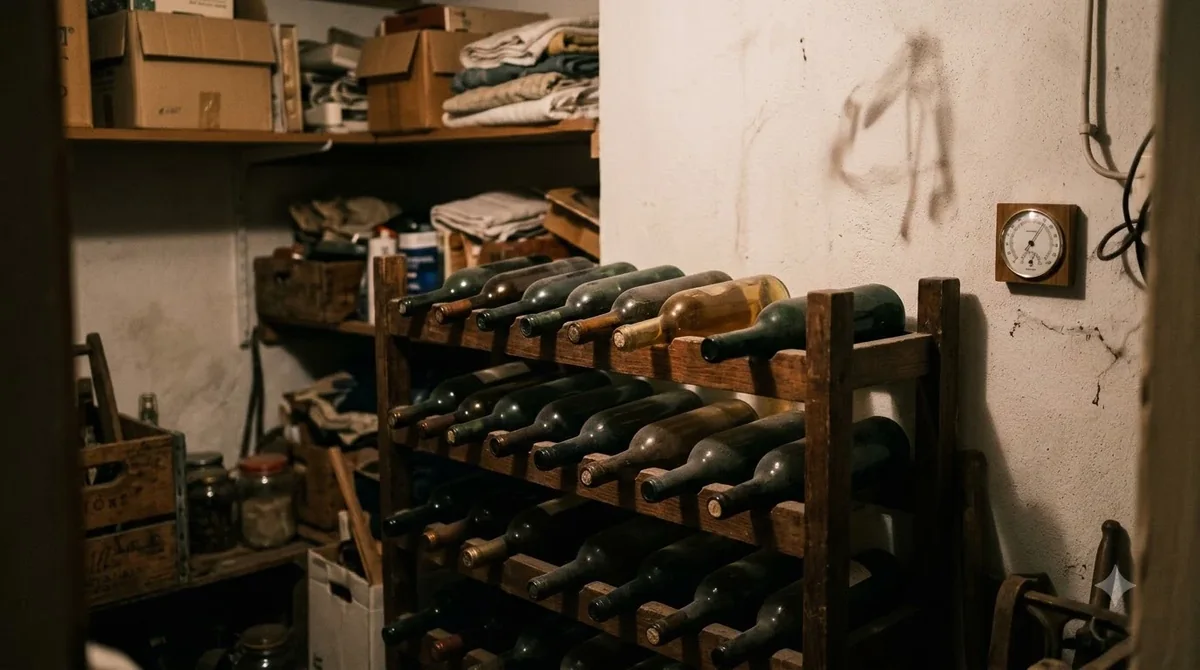
Keep unopened bottles in a cool, dark location away from direct sunlight, temperature fluctuations, and kitchen heat. A storage temperature near 55°F is a useful target for wine. Bottles sealed with natural cork are generally stored horizontally to help keep the cork from drying out.
Most everyday Merlot is intended for drinking while relatively young. Rather than treating a budget bottle as a long-term investment, purchase it for a near-term occasion and store it under reasonably stable conditions.
Preserve Opened Wine
Once opened, recork the bottle and place it in the refrigerator, even if the wine is red. Chilling slows the oxidation process. Most opened still wines retain their best qualities for approximately 3–5 days, although the actual result depends on the wine, storage conditions, and amount of air inside the bottle.
Before serving the remaining Merlot, allow it to warm slightly in the glass. A refrigerated red wine can taste muted immediately after being removed from the refrigerator. Giving it a short time to reach its serving temperature helps restore its fruit aromas and overall balance.
For additional help choosing bottles for different occasions, the Wine Buying Guides section provides a useful starting point for comparing grape varieties, wine styles, and purchasing considerations. Understanding these basics makes everyday wine shopping more predictable.
Frequently Asked Questions
Is Merlot genetically related to Cabernet Sauvignon?
Yes. Merlot and Cabernet Sauvignon share Cabernet Franc as a parent variety, making them half-siblings. Merlot’s other parent is Magdeleine Noire des Charentes, an early-ripening grape variety from western France.
What does the word Merlot mean?
The name is associated with an old regional French word referring to a little blackbird. The birds were known for eating the dark grapes, providing a memorable explanation for the variety’s name.
Can Merlot be made into rosé or sparkling wine?
Yes. Although most consumers associate Merlot with still red wine, the grape can also be used in rosé, sparkling, and dessert wine production. The finished style depends on the producer’s winemaking choices and regional traditions.
Why is Merlot sometimes blended with Cabernet Sauvignon?
Merlot ripens earlier than Cabernet Sauvignon, which can help producers manage different harvest conditions. In the finished blend, Merlot contributes rounder texture and plummy fruit, while Cabernet Sauvignon can add firmer tannin and more focused dark-fruit character.
Does Merlot change color as it ages?
Yes. Young Merlot commonly shows ruby or deep red coloring, while mature examples can develop garnet and brick-like tones. These changes reflect the development of pigments and other compounds in the wine during bottle aging and are not, by themselves, proof that a bottle has spoiled.
Cheap Merlot can offer plenty of everyday drinking pleasure when its fruit, acidity, and tannins are in balance. Explore California, Washington, Chile, and southern France to discover which regional expression suits your preferences. With thoughtful selection and proper serving, an affordable bottle can be a dependable companion for weeknight dinners, relaxed gatherings, and familiar comfort foods.
More in Wine Buying Guides
 Cheap Red Blend: How to Find a Flavorful Bottle for LessUpdated Nov 20, 2026
 Pinot Grigio Gift: How to Choose a Bottle They’ll EnjoyUpdated Nov 20, 2026
 Best White Wine at Total Wine for Every MealUpdated Nov 20, 2026
 Wine Fridge Replacement Shelves: Find the Right FitUpdated Nov 20, 2026
 Best Sparkling Wine Under 20: Find Bubbles Worth BuyingUpdated Nov 20, 2026
 Best Wine For Birthday Celebrations With Perfect Party PairingsUpdated Nov 20, 2026