

We may earn a commission when you buy through links on this page, at no extra cost to you. Learn more.
cb2 champagne glasses are a style-forward choice for celebratory pours, with flute and coupe designs that suit different serving priorities. The Eve flute is the practical pick for easier cleanup, while Muse Optic adds lead-free crystal and pronounced glass texture; Estera offers a roomier 10.5-ounce format in a six-piece set. The main compromise is that classic flute shapes favor bubbles and presentation over the fullest aroma development.
CB2’s champagne-glass range is less about one universal design than a collection of distinct looks: slender flutes, sculptural coupes, clear and smoked finishes, and handblown details. The best choice depends on whether the glasses will serve casual weekend brunch, a formal toast, or a carefully selected bottle of vintage Champagne.
Specs and Key Features: Eve, Muse, and Estera
CB2’s strongest champagne-glass options differ in capacity, glass composition, and cleaning requirements. The Eve flute is a 7-ounce soda-lime glass, Muse Optic is a 9-ounce lead-free crystal flute, and Estera is a 10.5-ounce lead-free crystalline flute sold as a set of six.
| Glass | Capacity | Material and construction | Care | Best fit |
|---|---|---|---|---|
| Eve Champagne Flute | 7 oz | Handblown clear soda-lime glass with all-over optic texture | Top-rack dishwasher-safe | Everyday celebrations and easier cleanup |
| Muse Optic Fluted Champagne Flute | 9 oz | Handblown, 100% lead-free crystal with fluted detail | Hand wash only | Decorative tables and coordinated stemware |
| Estera Champagne Glass | 10.5 oz | Handblown lead-free crystalline glass; made in Poland | Hand wash only | A larger pour and a coordinated six-glass set |
The three capacities are useful clues, not instructions to fill each glass to its rim. A standard wine pour is about 5 ounces, so the Eve’s 7-ounce bowl leaves less headroom than the Muse or Estera. In practice, leaving space above the wine helps keep the glass comfortable to carry and gives the drinker room to appreciate its aromas.
CB2 describes each of these as handblown, which means small variations in shape or finish are expected rather than necessarily being defects. That matters most with Muse’s fluted detail and Estera’s pulled, pointed silhouette. Buyers who want every piece to look machine-identical may prefer more uniform mass-produced stemware.
What Owners Like About the CB2 Designs
The range’s clearest strengths are the visual details, the choice of silhouettes, and the ability to coordinate matching stemware. Eve pairs a textured 7-ounce flute with coupe and cordial pieces, while Muse offers champagne, white-wine, and red-wine glasses within one design family. CB2’s product pages foreground construction and coordinated options rather than a consistent set of detailed owner comments, so the points below are product-led strengths rather than a claim of universal customer consensus.
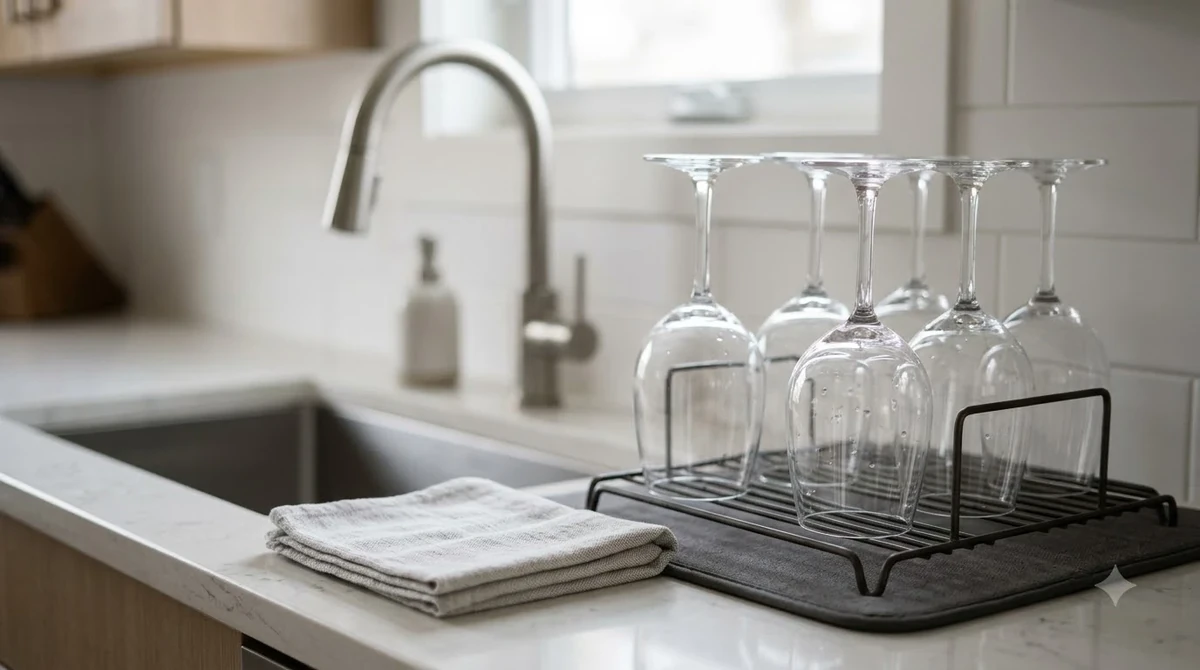
Eve is the easy entry point for a household that wants a distinctive glass without committing to hand-wash-only care. Its optic texture gives the bowl visual interest, and its top-rack dishwasher rating makes it more practical for frequent entertaining than many delicate crystal options. The slim profile also suits a compact place setting where broad coupe bowls would take up more space.
Muse is more expressive. CB2 describes the Optic Fluted flute as a best-selling design and offers clear, optic, and smoked variations, plus matching glasses for other wine styles. That coordinated approach is useful for hosts who prefer a consistent table setting rather than mixing unrelated stemware. The 9-ounce bowl also gives a little more room than Eve without abandoning the recognizable flute format.
Estera makes the most sense for buyers who want a complete set rather than collecting glasses one by one. Its 10.5-ounce bowl has the largest stated capacity among these three examples, and its flared profile feels more distinctive than a straight-sided catering flute. The six-piece format is also straightforward for a dinner party or small household that entertains regularly.
Common Complaints and Practical Drawbacks
The most important drawbacks are predictable from the design: delicate stems need careful handling, two of the three featured options require hand washing, and the narrow flute shape is not ideal for every sparkling wine. These are product trade-offs, not evidence that every owner will experience a defect.
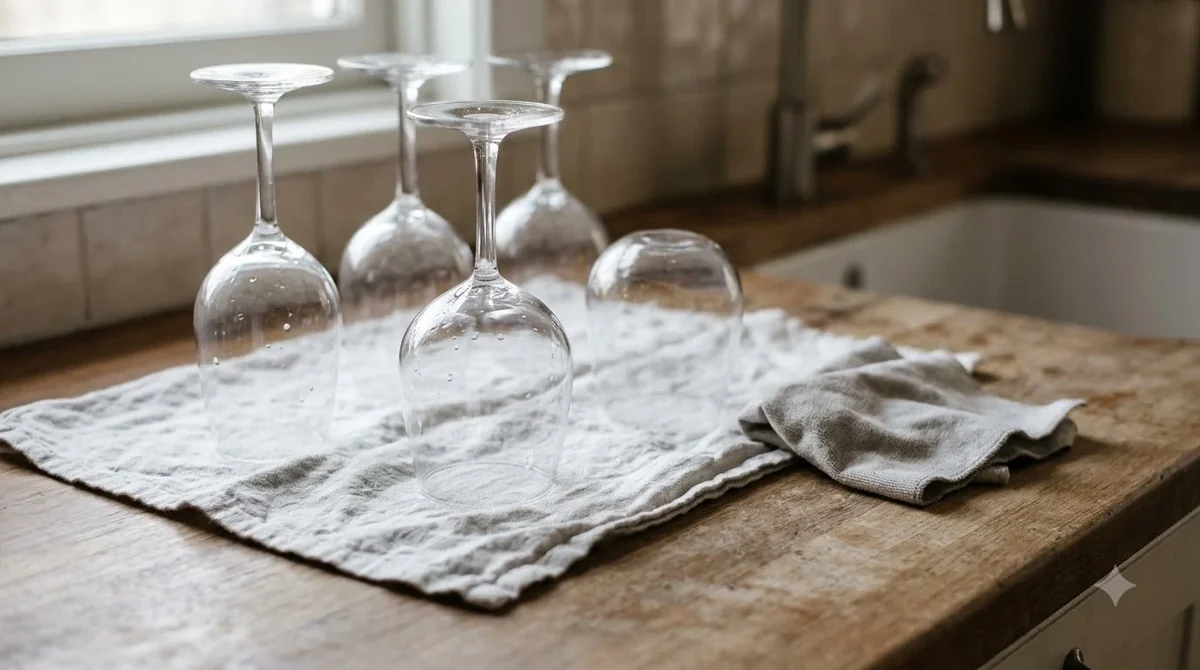
Eve’s dishwasher-safe construction is a genuine advantage, but the bowl is only 7 ounces. That capacity is sufficient for a conventional pour, yet it leaves less room for a generous serving than the 9-ounce Muse or 10.5-ounce Estera. People who like to serve a sparkling cocktail over a large garnish or ice should use a more suitable glass rather than overfilling a flute.
Muse and Estera demand more attention after the toast. Hand washing adds time after a party, and delicate stems can be awkward to wash in a crowded sink or store in a tightly packed cabinet. Estera’s pulled stem and Muse’s fine fluting also make the glasses more dependent on gentle handling than sturdy everyday tumblers.
There is a separate limitation that applies to the whole flute category. A tall, narrow bowl gives bubbles a dramatic vertical path, but it does not offer as much space for swirling or aromatic development as a tulip-shaped white-wine glass. Customers who expect one glass to deliver both a traditional Champagne look and the most expressive tasting experience may find the flute format restrictive.
Champagne Glass Shapes and Sparkling-Wine Performance
CB2’s flute designs are strongest when presentation, a stream of bubbles, and a familiar celebratory shape matter most. For a complex Champagne or aged sparkling wine, a wider tulip-shaped bowl or white-wine glass is often the more revealing choice.
Flutes have a functional advantage: their narrow bowls can slow the visible loss of bubbles and make effervescence part of the occasion. Wine professionals quoted by Wine Enthusiast’s comparison of flutes and coupes point to that visual appeal and the flute’s ability to concentrate aromas from young sparkling wines. This can make a flute a good match for a crisp, youthful Prosecco, Cava, or non-vintage Brut served at a party.
Research discussed by the Wine & Spirit Education Trust’s Champagne glass analysis explains that bubbles carry aroma compounds to the wine’s surface, while a tulip-shaped bowl’s wider middle and inward-curving rim help those aromas gather near the nose. A straight-sided flute limits the surface area available for bubbles to spread; a wide coupe provides surface area but less depth and allows aromas and carbonation to escape more quickly. The WSET’s explanation is useful context for choosing a glass based on the wine, not just its appearance.
That does not make a CB2 flute a poor purchase. It means the glass should be selected for the occasion it serves best. A simple sparkling aperitif, a wedding toast, or a Mimosa brunch is a natural setting for Eve or Muse. A fine vintage Champagne with layers of brioche, citrus, and hazelnut is better appreciated in a glass with a more generous bowl.
Who Should Buy CB2 Champagne Glasses and Who Should Skip Them
CB2 makes the most sense for shoppers who value design, coordinated tabletop pieces, and a choice of flute or coupe silhouettes. The practical decision is whether a 7-ounce dishwasher-safe flute, a 9-ounce hand-wash crystal glass, or a 10.5-ounce hand-wash set fits the household’s routine.
Choose Eve if the glasses will be used often and cleanup needs to stay simple. The top-rack dishwasher rating is a meaningful point of difference, especially for a host who serves sparkling wine at birthdays, brunch, and holiday gatherings. Its 7-ounce capacity is adequate for a normal pour, and its textured bowl creates more visual character than a plain catering flute. Choose Muse if the look of the glass is part of the table setting and hand washing is acceptable: its lead-free crystal construction, 9-ounce capacity, and matching red- and white-wine options give it the most coherent role in a broader stemware collection. Buyers who prefer a clear glass for assessing wine color should choose a clear finish rather than the smoked option.
Choose Estera if a six-piece set and roomier 10.5-ounce bowl are the priorities. The flared profile has a more sculptural presence, and the made-in-Poland detail may appeal to shoppers who pay attention to glassmaking origin. Skip it if dishwasher convenience is essential or if a larger set would be difficult to store safely.
Skip the CB2 flute styles if tasting performance is more important than the look of a traditional Champagne glass. A tulip-shaped sparkling-wine glass or a versatile white-wine bowl offers more room for aromas, especially with mature Champagne. Readers comparing broader glassware choices can start with this guide to wine glasses before deciding whether a dedicated flute belongs in the cabinet.
How CB2 Models Compare to Other Glassware Choices
Within CB2, Eve, Muse, and Estera cover different priorities rather than forming a simple good-better-best ladder. Eve prioritizes easier care, Muse emphasizes crystal and coordinated design, and Estera combines a larger stated capacity with a six-piece set.
The Eve Champagne Flute is the most practical option for everyday use because it is top-rack dishwasher-safe. The Muse Optic Fluted flute is more decorative and has a 2-ounce capacity advantage over Eve, but it requires hand washing. Estera adds another 1.5 ounces over Muse and arrives as six glasses, although its hand-wash-only care makes it less convenient after a large gathering. CB2’s matching coupe shapes are an alternative for cocktails, dessert service, and Champagne towers, but the shallow bowl is not a universal upgrade for sparkling wine: carbonation and aromas dissipate more quickly in a wide-open coupe. For a straightforward comparison of dedicated champagne flutes, look at bowl shape and rim width before focusing on decoration.
Shoppers who want a single vessel for several wine styles may prefer a tulip-shaped universal glass instead of buying separate flutes and bowls. If the household also needs bowls for structured reds, compare these options with red wine glasses rather than assuming a champagne flute can serve every purpose. CB2’s wider selection of glassware brands and shapes can help complete a coordinated cabinet, but a matching collection is worthwhile only if each shape fits the drinks actually served.
Care and Serving Tips for Long-Term Use
Care requirements should influence the choice as much as the silhouette: Eve is top-rack dishwasher-safe, while Muse and Estera are hand-wash-only. A little planning also helps preserve bubbles, avoid accidental stem damage, and keep each glass ready for the next celebration.
Wash Muse and Estera individually in warm water with a small amount of mild dish soap, keeping the bowl supported rather than twisting the stem. Rinse carefully and dry with a lint-free cloth, holding the glass at the bowl and stem junction. Even if Eve can go on the top rack, avoid crowding it against plates or cookware; dishwasher-safe does not mean impact-proof.
Store stemware upright in a stable cabinet if the rims are protected from dust and the shelves are not crowded. Keep the stems separated so glasses do not knock together when a cabinet door opens. If storage space is limited, avoid stacking stemmed glasses unless the manufacturer specifically designed them to stack.
Serve most sparkling wine cold, generally around 40–50°F. Chill the bottle before opening rather than relying on an ice-cold glass, and pour modest servings so the wine stays cool as it is enjoyed. A standard 750 ml bottle yields about five 5-ounce glasses, so a six-piece set is convenient for a small gathering without requiring a different glass for each course. Keep the storage area away from strong kitchen odors, and avoid placing stemware beside heavy cookware that could strike the bowls when shelves are used.
Tip: For a toast, chill the bottle and pour about 5 ounces per guest rather than filling the flute to the rim. The extra headspace makes the glass easier to carry and leaves room to notice the wine’s aromas.
Frequently Asked Questions
These final details help match the right CB2 glass to a specific occasion. Think about the drink being served, the setting, and how much care the glass will receive after the event.
Are CB2 champagne glasses suitable for sparkling cocktails?
Yes, a flute works well for a Mimosa or a simple sparkling cocktail that does not need a large garnish. For drinks served over crushed ice, citrus wheels, or several add-ins, a stemmed wine glass or tumbler is usually more comfortable. Keep the drink’s ingredients and serving style in mind rather than choosing by the Champagne label alone.
Does the color of a champagne glass affect wine tasting?
A smoked or strongly tinted bowl can make it harder to judge a sparkling wine’s true color and clarity. That matters during a side-by-side tasting, where visual differences can be part of the comparison. For a formal tasting, choose clear glass even if a colored option makes a stronger decorative statement.
Can champagne flutes go in the freezer before serving?
It is safer to chill the bottle and serve into room-temperature glasses than to put delicate stemware in the freezer. A sudden temperature change can stress glass, and a frosted bowl can create condensation that makes the stem slippery. A refrigerator or an ice bucket is a more controlled way to prepare for service.
Should champagne glasses be polished before a formal dinner?
Polishing helps remove water spots that can distract from a clear pour. On a formal table, place the glasses only after the table has been wiped down so dust and crumbs do not collect inside the bowls. Avoid heavily scented cleaners because residual odors can interfere with the wine’s aroma.
Are champagne flutes appropriate for nonalcoholic sparkling drinks?
Yes. Sparkling cider, dealcoholized wine, and carbonated fruit drinks can all be served in a flute when the narrow shape suits the portion and presentation. The same capacity and handling considerations apply, so a smaller flute may be preferable for sweeter drinks that are best enjoyed in modest pours.
CB2’s champagne glasses are strongest as design-led serving pieces, with Eve the sensible everyday choice and Muse or Estera better suited to a more decorative table. Choose the flute for bubbles and ceremony, but keep a wider tulip-shaped glass available when the wine’s aroma and complexity deserve more room.
More in Wine Glasses
 Zwiesel Glas Champagne Flutes for Durable Everyday Sparkling WineUpdated Nov 20, 2026
 Vera Wang Crystal Wine Glasses: Design, Quality and Buying AdviceUpdated Nov 20, 2026
 West Elm White Wine Glasses: Compare Designs for Better Everyday Wine ServiceUpdated Nov 20, 2026
 Zalto Stemless Wine Glasses: Discover Their Distinctive DesignsUpdated Nov 20, 2026
 Viski Champagne Glasses That Match Your Style and Sparkling WineUpdated Nov 20, 2026
 Vista Alegre Decanter Review: Crystal Style and Wine ServiceUpdated Nov 20, 2026