

We may earn a commission when you buy through links on this page, at no extra cost to you. Learn more.
Williams Sonoma stemless wine glasses are a stylish, practical choice for everyday wine drinking, with crystal construction, dishwasher-safe convenience and bowl shapes designed for specific wine styles. The Estate collection is particularly appealing because it offers separate red and white wine designs rather than relying on one universal tumbler. The main trade-off is that stemless construction allows your hand to warm the wine, making these glasses more appropriate for casual enjoyment than temperature-sensitive formal tastings.
Williams Sonoma offers several approaches to stemless glassware, from its more specialized Estate collection to the versatile Open Kitchen range. The Estate red and white glasses have different capacities and proportions, making the distinction important before choosing a set. This review examines their construction, everyday usability, potential drawbacks and alternatives to help determine whether they belong in your glassware collection.
Specs and Key Features
Williams Sonoma’s Estate stemless collection combines mouth-blown clear crystal with wine-specific bowl designs and dishwasher-safe convenience. The white and red versions differ in height, capacity and intended wine styles, so choosing the appropriate version is more useful than treating them as interchangeable glasses.
The Estate white glass is the smaller of the two, measuring 4 inches high and holding 11.7 ounces. Williams Sonoma describes its wide base and sloping sides as a way to direct wine toward the edges of the tongue, helping balance fruit characteristics and acidity in fuller-bodied white wines. Chardonnay and full-bodied rosé are among its intended uses.
The Estate red version is taller and larger, measuring 4.5 inches high with a 16.9-ounce capacity. Its wide bowl base exposes the wine to air, while its sloping sides are designed to direct wine toward the front of the palate. Williams Sonoma specifically identifies Pinot Noir, Barbera, Gamay and Dolcetto as suitable varieties.
Both Estate versions are made from clear crystal, mouth blown, manufactured in Turkey and described as suitable for everyday use. Their dishwasher-safe construction is another practical advantage for households that regularly entertain. Williams Sonoma also describes the collection as commercial grade, meaning the designs were developed with commercial testing standards and practices in mind. That description should not be interpreted as a guarantee against chips or breakage.
| Specification | Estate White | Estate Red |
|---|---|---|
| Material | Clear crystal | Clear crystal |
| Construction | Mouth blown | Mouth blown |
| Height | 4 inches | 4.5 inches |
| Capacity | 11.7 ounces | 16.9 ounces |
| Origin | Turkey | Turkey |
| Cleaning | Dishwasher safe | Dishwasher safe |
| Intended wines | Chardonnay and full-bodied white and rosé | Pinot Noir, Barbera, Gamay and Dolcetto |
| Design feature | Wide base and sloped sides | Wide bowl and sloped sides |
There is also an Open Kitchen by Williams Sonoma option for shoppers who prefer a more universal glass. This German-made crystal tumbler measures 5.25 inches high and holds 15.7 ounces. Its dishwasher-safe construction and versatile bowl make it a different proposition from the more specialized Estate designs.
These specifications provide a useful starting point, but capacity alone does not determine whether a wine glass is comfortable. The opening, rim, bowl width and overall balance also affect how easily a glass can be held, swirled and cleaned.
What Owners Like About the Design
The strongest appeal of Williams Sonoma’s stemless collection is its combination of an attractive tabletop appearance and everyday practicality. The Estate glasses have recognizable wine-oriented proportions, while their shorter silhouettes make them convenient for casual meals, smaller dining spaces and informal entertaining.
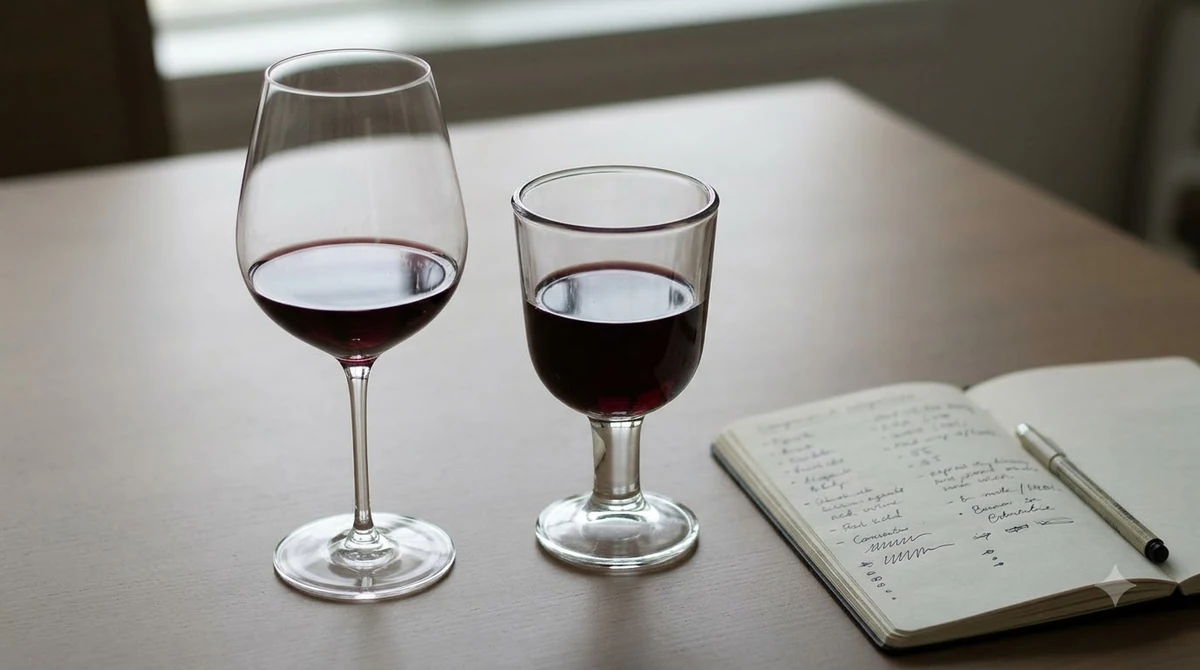
Wine-specific bowl shapes are a meaningful advantage. The Estate collection offers separate white and red designs rather than using one identical shape for every bottle. The 11.7-ounce white version is intended for Chardonnay and fuller-bodied white wines, while the 16.9-ounce red version accommodates Pinot Noir and other light- to medium-bodied reds.
That distinction matters because different wines benefit from different amounts of room in the glass. A larger bowl can provide additional space for swirling and aroma development. A smaller glass can be easier to handle and makes sense for wines that are generally served at cooler temperatures.
Another attractive feature is the crystal construction. Clear crystal provides an unobstructed view of the wine’s color, clarity and appearance. This is useful for anyone who enjoys observing the differences between a pale Pinot Grigio, a golden Chardonnay and a translucent Pinot Noir.
The mouth-blown construction of the Estate glasses also gives the collection a more refined identity than ordinary everyday tumblers. Williams Sonoma presents the glasses as a combination of functional design and carefully developed proportions. Their understated appearance makes them suitable for a range of table settings, from a simple weeknight dinner to a small gathering with friends.
Everyday cleaning is straightforward
Dishwasher-safe construction is particularly appealing for people who use their wine glasses frequently. After dinner, the glasses can go into the dishwasher instead of requiring a separate hand-washing routine. This makes the collection more convenient than delicate glassware that demands extensive manual care.
However, dishwasher-safe does not mean indestructible. Crystal can still chip if glasses strike each other, and crowded dishwasher racks create opportunities for accidental damage. Proper spacing remains important even with glassware marketed for everyday use.
The stemless silhouette offers another practical advantage: there is no delicate stem to snap during ordinary handling. The lower profile can also make glasses easier to move between the kitchen and dining room. Their base sits directly on the table, reducing the leverage associated with tall stemmed designs.
For people who want a coordinated collection, the Estate red and white versions also offer a straightforward way to distinguish different pours. Serving Pinot Noir in the larger red glass and Chardonnay in the smaller white version creates a more intentional presentation without requiring a large assortment of specialty glassware.
The collection’s visual simplicity is especially appealing in homes where glassware needs to serve more than one purpose. The glasses can complement contemporary dinnerware, traditional table settings and informal gatherings without looking excessively decorative.
Common Complaints and Limitations
The biggest compromise with Williams Sonoma stemless wine glasses is not specific to the brand: holding the bowl transfers warmth from your hand to the wine. Other limitations include differences in comfort between models, the possibility of breakage and the reduced suitability of some stemless shapes for formal wine evaluation.
Temperature control matters because wine styles are served at different temperatures. Light whites and rosé are commonly served around 45 to 50 degrees Fahrenheit, while fuller-bodied whites generally suit approximately 50 to 55 degrees. Holding a glass directly around its bowl can gradually warm the contents, especially during a long meal.
This is less concerning with some reds, which are generally served warmer than chilled white wines. Nevertheless, a warm room and extended handling can still change the drinking experience. The larger Estate red glass gives wine room to move, but it does not eliminate heat transfer from the hand.
Another consideration is that the Estate red and white versions are relatively specialized. Someone looking for one glass to serve Sauvignon Blanc, Cabernet Sauvignon, Champagne and dessert wine may find the distinction less convenient than a universal tumbler or a traditional assortment of stemmed glasses.
Independent testing also illustrates why the Williams Sonoma name alone does not guarantee that every stemless design will suit every hand. In Good Housekeeping’s comparison of 15 stemless wine glasses, four laboratory analysts and 13 home testers assessed comfort, drinking flow, taste, stability and cleaning performance. The Williams Sonoma Reserve Stemless Red Wine Glasses received lower scores for comfort. The publication also reported that the textured etching on Williams Sonoma Vintage Etched Stemless Wine Glasses dug into testers’ hands.
These findings concern other Williams Sonoma designs, not a direct test of the Estate glasses. They are still useful reminders that appearance and brand reputation cannot replace consideration of physical comfort.
The bowl shape can also make cleaning by hand more challenging, particularly if someone has large hands or a glass with a narrow opening. A suitable bottle brush may be helpful for reaching the bottom without putting unnecessary pressure on the rim.
Finally, the crystal construction should not be confused with shatterproof material. These are drinking glasses, not outdoor plastic tumblers. A fall onto tile or a collision with another glass can cause damage, so households with particularly active entertaining environments may prefer a more impact-resistant option.
Tip: If you prefer stemless glasses but want to preserve the serving temperature of chilled Chardonnay or rosé, keep the bottle refrigerated between pours and hold the glass around its lower portion rather than wrapping your entire hand around the bowl.
Who Should Buy and Who Should Skip
Williams Sonoma Estate stemless glasses are a strong match for people who prioritize attractive everyday glassware, straightforward cleaning and wine-specific bowl designs. They are less suitable for drinkers who prioritize precise temperature control, fragile-glass avoidance or traditional tasting presentation.
Buy the Estate collection if casual entertaining is your main priority. The low-profile design suits dinner parties, relaxed weekend meals and informal gatherings. Without a tall stem, the glasses are convenient to carry and easier to arrange on a crowded dining table.
The collection is also worth considering if you regularly drink Chardonnay, Pinot Noir or similar wines. Having a separate 11.7-ounce white glass and 16.9-ounce red glass gives you more purpose-built options than a basic drinking tumbler.
People who appreciate clear crystal and simple silhouettes may also find the Estate range appealing. The mouth-blown construction provides a more refined presentation than ordinary household tumblers, while the lack of elaborate decoration keeps the design versatile.
Skip them if you regularly conduct detailed wine tastings. A stemmed glass lets you hold the wine without directly warming its bowl. This makes it easier to maintain a consistent serving temperature during a longer tasting session, particularly with delicate whites, sparkling wines and aromatic varieties.
They may also be a poor match for households where breakage is a frequent concern. Crystal remains vulnerable to impact, even when a manufacturer describes the design as appropriate for daily use. Families that regularly entertain outdoors may prefer dedicated durable drinkware.
Consider your usual wine selection
The Estate white version makes the most sense for someone who frequently serves fuller-bodied whites and rosé. Chardonnay is a particularly natural match, while the wider bowl design gives the glass a more wine-focused character than a conventional water tumbler.
The red version is more appropriate for drinkers who enjoy lighter and medium-bodied reds. Pinot Noir, Barbera and Gamay are good examples of wines that fit the intended category. Its larger capacity also offers more room for swirling than the smaller white version.
People who primarily drink Cabernet Sauvignon or Syrah may want to compare the bowl proportions with a dedicated full-bodied red wine glass. Cabernet Sauvignon has comparatively high tannin, and a larger, appropriately shaped bowl can be useful when evaluating its structure and aromas.
For anyone building a first collection, a mixed approach is often sensible. Keep a set of stemless glasses for everyday meals and informal occasions, then add traditional stemmed glassware for special bottles and more structured tasting sessions.
How It Compares to Alternatives
Williams Sonoma offers several stemless glassware approaches, and the differences are more substantial than their shared low-profile appearance suggests. The Estate range emphasizes wine-specific shapes, while Open Kitchen provides a larger universal-style option for households that want greater versatility.
The Open Kitchen stemless white wine glass is a useful comparison because its 15.7-ounce capacity is larger than the Estate white glass’s 11.7 ounces. At 5.25 inches tall, it also has a taller profile than the Estate white glass, which measures 4 inches.
This makes Open Kitchen a reasonable option for people who prefer a single glass that can accommodate a variety of white wines. Its German crystal construction and dishwasher-safe design preserve several of the practical features found in the Estate range.
The Estate collection, by comparison, provides a clearer distinction between red and white wine service. Its 16.9-ounce red glass is considerably larger than its 11.7-ounce white counterpart, while each bowl has a stated wine-specific purpose.
There are also Williams Sonoma Reserve stemless glasses. The Reserve collection has a related crystal-focused design philosophy, with the white version intended for Chardonnay and other full-bodied white and rosé wines. However, Good Housekeeping’s comparison found that the Reserve Stemless Red Wine Glasses scored lower for comfort, a consideration for shoppers who intend to hold their glasses for extended periods.
For a broader selection of shapes and materials, it is useful to compare the collection with other stemless wine glasses. Some emphasize lightweight construction, while others prioritize thick bases, durability or specialized bowl proportions.
Traditional stemware is another alternative worth considering. Stemmed designs make it easier to hold a glass without warming the wine, and they generally offer a more familiar presentation for formal dining. A comparison of different wine glasses can help establish whether a dedicated stemless collection or a mixed glassware cabinet is the better investment.
For red wine drinkers in particular, bowl shape should remain an important consideration. A dedicated selection of red wine glasses can provide additional options for fuller-bodied varieties and more structured tasting experiences.
Liquor.com also emphasizes the practical difference between stemless and stemmed designs: the former are convenient for casual gatherings and outdoor sipping, while the latter help prevent hand warmth from changing wine temperature. Its comparison highlights the importance of balancing capacity, weight, stability and drinking comfort.
For a broader look at manufacturers and their approaches to glassware, the Glassware Brands category provides another useful starting point.
There is no single ideal shape for every bottle. The best alternative depends on whether the priority is a refined tasting experience, simple everyday handling, versatility or resistance to accidental damage.
Care, Cleaning and Everyday Use
Williams Sonoma describes the Estate stemless glasses as dishwasher safe, which makes routine maintenance relatively simple. However, careful loading and appropriate storage remain important because crystal can still be damaged through repeated contact with other dishes.
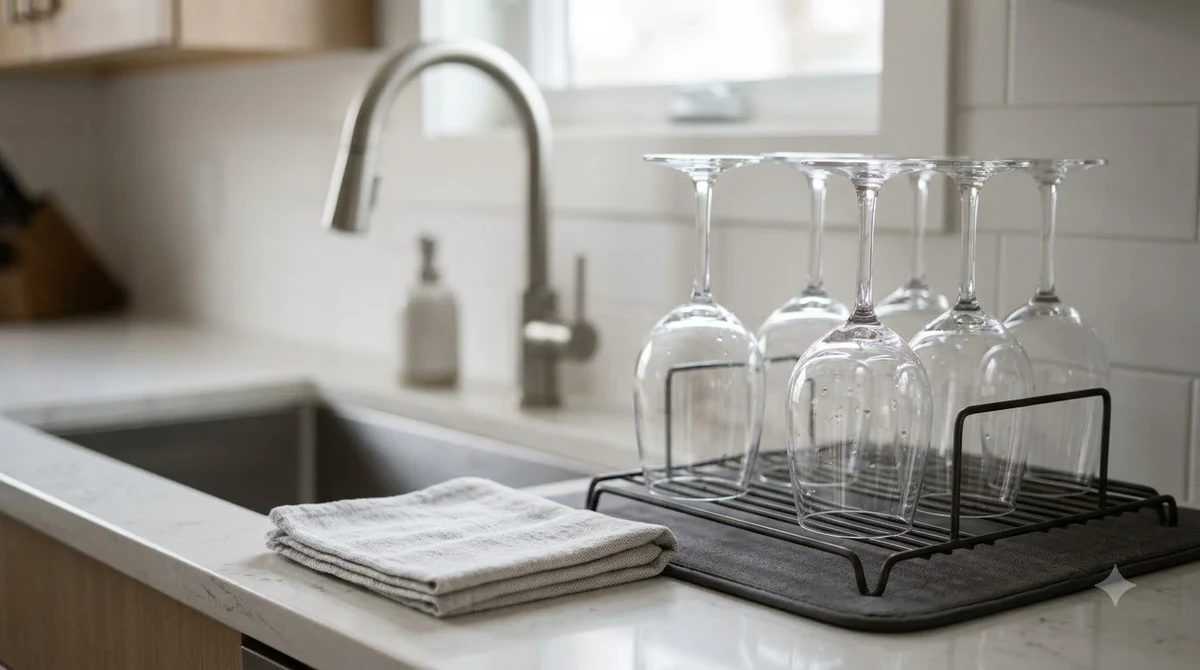
When using a dishwasher, place the glasses securely in a rack where they cannot knock against neighboring items. Avoid positioning them too close together, especially if the machine has limited clearance or strong movement during its washing cycle.
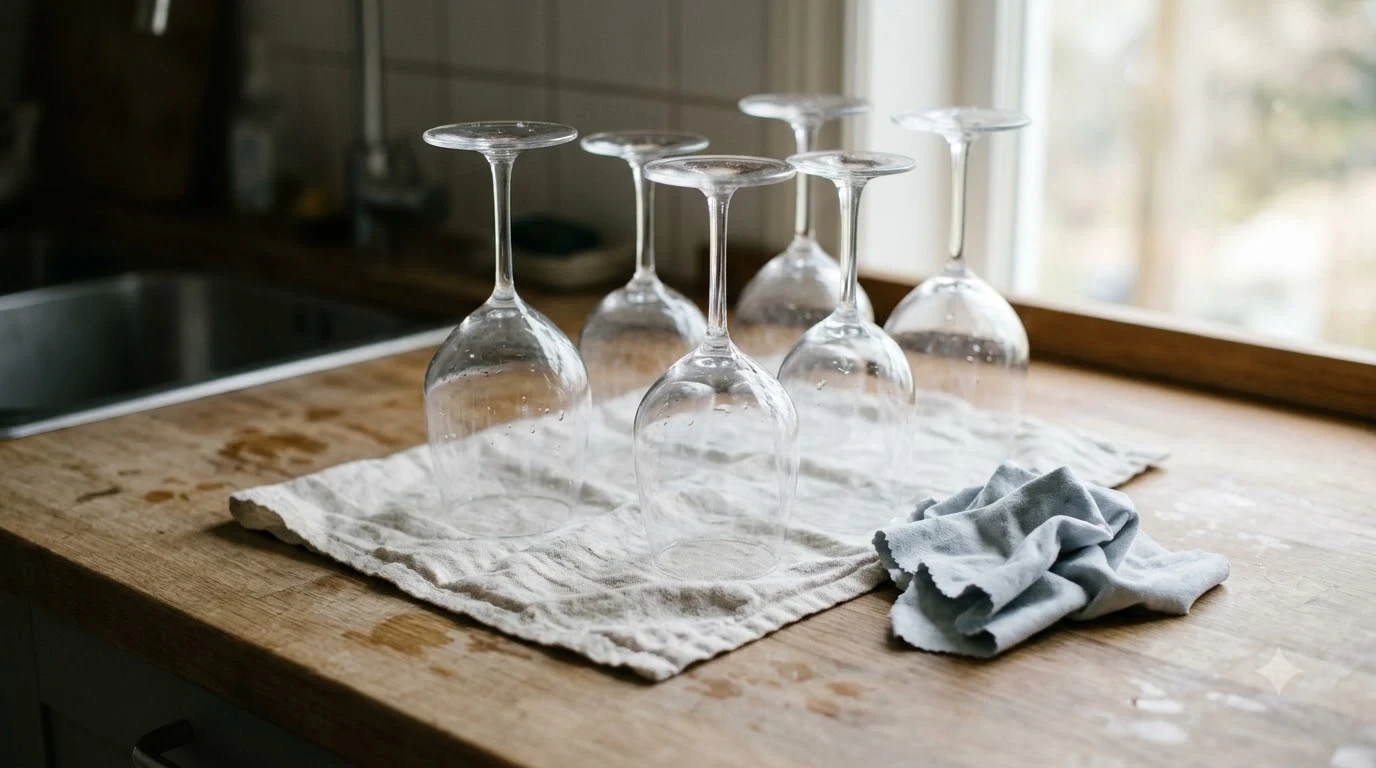
For hand washing, use warm water, a mild dishwashing detergent and a soft sponge. Hold the glass securely around its base or lower bowl instead of gripping the rim. Avoid twisting the bowl and base in opposite directions, as unnecessary pressure can damage delicate glassware.
After washing, allow the glasses to dry in a secure position. If polishing is needed, use a clean microfiber or lint-free cloth. Support the bowl with one hand while polishing the exterior with the other rather than applying twisting force.
Storage and handling
Stemless glasses are generally easier to store than tall stemmed wine glasses because they have no projecting stems or bases. However, the Estate glasses should still be stored upright on a stable shelf with enough room between individual pieces.
Stacking crystal wine glasses is generally not recommended unless the manufacturer specifically identifies a design as stackable. Pressure between glass surfaces can produce scratches, chips or accidental breakage.
For entertaining, arrange the glasses on a stable serving surface away from table edges. Their shorter shape may reduce the likelihood of tipping compared with tall stemware, but it does not eliminate spills or accidents.
Use the right glass for the right wine
The white Estate glass is particularly appropriate for Chardonnay and fuller-bodied white wines. Serve lighter whites around 45 to 50 degrees Fahrenheit and fuller whites around 50 to 55 degrees. Keeping the bottle chilled between pours helps compensate for the warming effect of holding the bowl.
The red Estate glass suits Pinot Noir, Barbera, Gamay and Dolcetto. Light-bodied reds are commonly served around 55 to 60 degrees Fahrenheit, making the larger bowl practical for casual drinking without requiring an oversized glass.
For sparkling wine, a dedicated flute or narrower sparkling glass is generally preferable. A broad tumbler opening allows carbonation to escape more quickly, reducing the persistence of bubbles. Stemless glassware can still be used for sparkling wine, but it is not the most suitable option for maintaining effervescence.
Serving size is another useful consideration. A standard wine pour is approximately 5 ounces, and a 750-milliliter bottle provides about five such servings. The Estate white glass’s 11.7-ounce capacity and the red glass’s 16.9-ounce capacity provide room above a standard pour, allowing wine to move without immediately reaching the rim.
Overall, routine care is straightforward. The dishwasher-safe construction makes the collection convenient, while thoughtful storage and handling help protect the crystal over time.
Frequently Asked Questions
Are Williams Sonoma stemless wine glasses made from real crystal?
Yes. The Estate red and white stemless wine glasses are described by Williams Sonoma as mouth-blown clear crystal. The Open Kitchen stemless white version is also made from crystal, although it is a separate product with different dimensions and construction details.
Can Williams Sonoma stemless wine glasses be used for cocktails?
Yes. Stemless wine glasses can also serve cocktails, water and other cold beverages. Their rounded silhouettes work particularly well for drinks served without complicated garnishes or elaborate glassware requirements. Avoid using them for hot beverages unless the manufacturer specifically approves that use.
Are Williams Sonoma Estate stemless glasses suitable for wine tasting classes?
They can be used for informal tasting classes, but they are not the most practical choice for professional-style comparative evaluations. Standard tasting protocols often use consistent, stemmed glasses so participants can control temperature and evaluate multiple wines under comparable conditions. Their different Estate bowl sizes can also introduce another variable when comparing several bottles.
Can stemless wine glasses be used for sparkling wine?
Yes, although a narrow flute or tulip-shaped sparkling glass is generally better for retaining carbonation. A wide opening gives bubbles more opportunity to escape. This distinction becomes particularly noticeable when serving Champagne or Prosecco over an extended gathering.
How many stemless wine glasses should a household own?
A household that entertains occasionally can begin with four to six glasses for everyday use, with additional pieces for larger gatherings. A useful collection can include separate red and white designs, particularly if the household regularly serves several wine styles. Extra pieces are also helpful because glassware can occasionally break during storage or cleaning.
Williams Sonoma stemless wine glasses are worth considering for households that want attractive crystal glassware with practical cleaning requirements and distinct red and white designs. The Estate collection is the more specialized choice, while Open Kitchen offers greater versatility through its larger universal-style bowl. Choose according to the wines you drink most often, how you entertain and whether casual convenience matters more than the temperature control provided by traditional stemware.
More in Wine Glasses
 Zwiesel Glas Champagne Flutes for Durable Everyday Sparkling WineUpdated Nov 20, 2026
 Vera Wang Crystal Wine Glasses: Design, Quality and Buying AdviceUpdated Nov 20, 2026
 West Elm White Wine Glasses: Compare Designs for Better Everyday Wine ServiceUpdated Nov 20, 2026
 Zalto Stemless Wine Glasses: Discover Their Distinctive DesignsUpdated Nov 20, 2026
 Viski Champagne Glasses That Match Your Style and Sparkling WineUpdated Nov 20, 2026
 Vista Alegre Decanter Review: Crystal Style and Wine ServiceUpdated Nov 20, 2026