


We may earn a commission when you buy through links on this page, at no extra cost to you. Learn more.
Lenox red wine glasses are a good choice for drinkers who want traditional stemware, generous bowl capacities, and convenient dishwasher-safe options, particularly in the Tuscany Classics collection. The collection includes different designs, from 15-ounce straight-sided glasses to traditional 24-ounce red wine glasses and larger Bordeaux shapes. Their main advantages are attractive presentation, practical set sizes, and accessible everyday functionality, while their size, glass durability, and quality consistency deserve consideration before buying.
Lenox offers several approaches to red wine glassware rather than one universal design. Its Tuscany Classics range includes traditional clear glasses, contemporary straight-sided options, decorative iridescent versions, and specialized Bordeaux shapes. The important distinction is that these products do not all share the same capacity, dimensions, or glass construction. This review examines the differences, owner feedback, practical limitations, and the situations in which a Lenox set makes sense for a home wine collection.
Specs and Key Features: What the Tuscany Classics Collection Offers
Lenox Tuscany Classics red wine glasses combine traditional stemware styling with practical features for regular entertaining. The most important specifications to compare are capacity, height, material, set quantity, and cleaning instructions because the differences can substantially affect how a glass feels and functions.
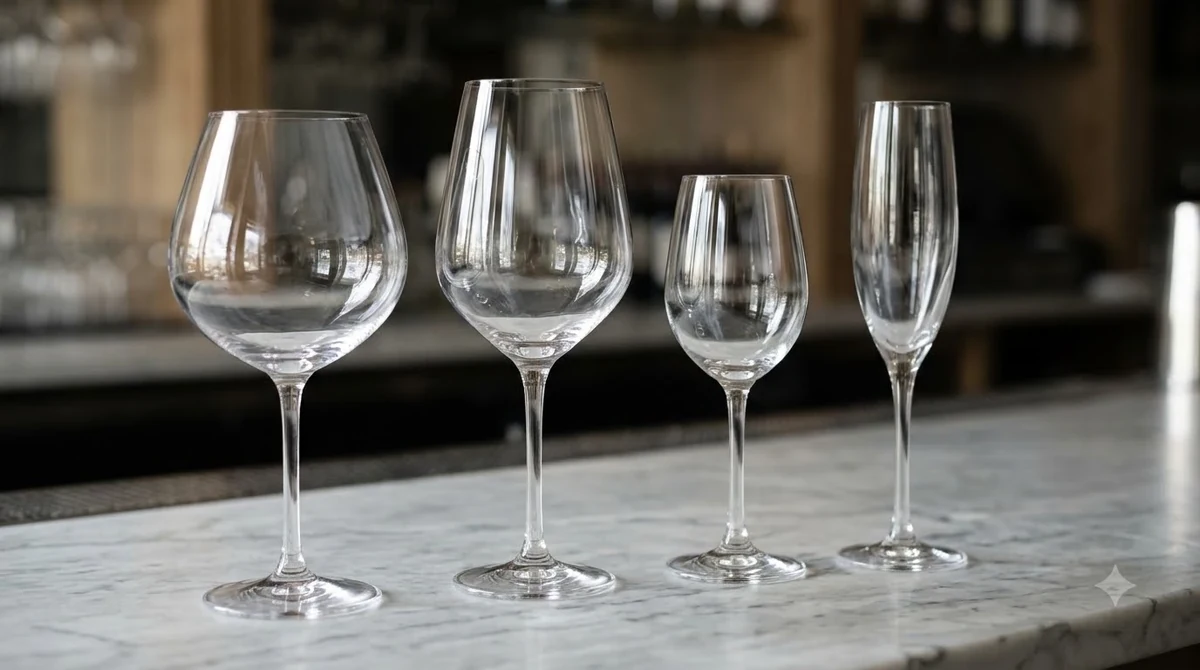
The classic Tuscany Classics Red Wine Glasses, item 831664, are the most recognizable option for someone who prefers a traditional, generously sized red wine glass. Each holds 24 ounces, measures 9 inches tall, and has a 2.75-inch diameter. Lenox describes the construction as durable European glass and identifies the glasses as dishwasher-safe. The six-piece set is designed with Pinot Noir and other red wines in mind. The official Lenox Tuscany Classics product listing provides the manufacturer’s specifications for this model.
The Straight Red Wine Glasses offer a different approach. Each holds 15 ounces and measures 9.25 inches tall by 2.8 inches in diameter. Their streamlined, straight-edge design creates a more contemporary appearance, while the European glass construction and dishwasher-safe designation make them a practical alternative for people who prefer a less traditional silhouette.
For buyers who want decoration rather than a completely transparent presentation, the Iridescent Red Wine Glasses provide colorful facets and an ombre rainbow effect. They share the Straight model’s 15-ounce capacity and 9.25-inch height but come in a four-piece set rather than six.
| Model | Set size | Capacity | Height | Material | Care |
|---|---|---|---|---|---|
| Tuscany Classics Red Wine | 6 glasses | 24 oz | 9 in | European glass | Dishwasher-safe |
| Tuscany Classics Straight Red | 6 glasses | 15 oz | 9.25 in | European glass | Dishwasher-safe |
| Tuscany Classics Iridescent Red | 4 glasses | 15 oz | 9.25 in | Glass | Dishwasher-safe |
| Tuscany Classics Bordeaux | 4 glasses | 27 oz | 10.75 in | Mouthblown crystal | Dishwasher-safe |
The Bordeaux glasses deserve separate consideration because they are not simply larger versions of the standard 24-ounce model. Lenox describes them as handcrafted, mouthblown crystal glasses with fire-polished rims. Their 27-ounce capacity and 10.75-inch height give them a substantial presence on the table. The manufacturer also describes this design as break-resistant, although that should not be interpreted as unbreakable.
Material descriptions matter when comparing these products. The classic and Straight models are identified as European glass, while the Bordeaux version is specifically described as mouthblown crystal. Buyers should not assume that every Tuscany Classics glass uses the same glass formulation or manufacturing method. For a broader comparison of bowl shapes and construction, see our guide to red wine glasses.
What Owners Like About Lenox Tuscany Classics
Owner feedback frequently highlights appearance, generous capacity, and everyday convenience. The traditional Tuscany Classics design is particularly appealing to households that want recognizable stemware without choosing an unusually elaborate or modern shape.
Customer reviews published by Lowe’s describe the classic 24-ounce glasses as beautiful, elegant, and substantial. Some owners appreciate their combination of visual refinement and a comfortable sense of weight. Others mention that the glasses look appropriate for dinner parties while remaining practical enough for ordinary evenings at home.
The bowl capacity is another recurring positive. A 24-ounce glass offers plenty of room above a normal serving, which allows red wine to move around inside the bowl. This is useful for aromatic varieties such as Pinot Noir, Merlot, and Cabernet Sauvignon. It also makes the glasses visually impressive on a dining table.
However, a 24-ounce capacity does not mean a normal pour should approach the rim. A standard wine serving is approximately 5 ounces. In a 24-ounce bowl, that leaves considerable room for swirling and releasing aromas without spilling. The glass is therefore large enough for a generous bowl shape while still accommodating a restrained serving.
Dishwasher convenience receives positive attention as well. The classic and Straight models are specifically designated dishwasher-safe by Lenox. For households that use stemware regularly, this can be a meaningful advantage over delicate glasses that require handwashing after every gathering.
The six-piece configuration is useful for families and small dinner parties. It provides enough matching glasses for several guests without requiring multiple different sets. The Iridescent model’s four-piece configuration is better suited to smaller households or buyers who prioritize decorative presentation over matching a larger group.
Another attractive feature is the variety of silhouettes within the same collection. Someone who likes a classic rounded bowl can choose the traditional 24-ounce glass, while someone with a more contemporary dining room may prefer the Straight version. This variety makes it easier to select glassware according to personal preferences rather than buying an unfamiliar shape simply because it is marketed for red wine.
The Bordeaux version is especially appealing to people who appreciate traditional crystal stemware. Its mouthblown construction and fire-polished rim offer a different level of craftsmanship from the standard European glass designs. Its 27-ounce bowl is also appropriate for drinkers who prefer substantial glassware for fuller-bodied reds.
Owner experiences should still be considered alongside manufacturer specifications. Positive comments about appearance and convenience describe individual experiences, not a guarantee that every glass in every set will have identical construction or performance.
Common Complaints and Potential Drawbacks
The main concerns surrounding Lenox Tuscany Classics glassware involve fragility, large dimensions, and occasional quality-control complaints. These are important considerations for buyers who intend to use their glasses frequently or store them in crowded kitchen cabinets.

The traditional 24-ounce glass may be too large for some people. Its generous bowl is useful for swirling, but its dimensions can feel excessive when someone prefers a compact wine glass. A large bowl also occupies more cabinet space and requires more room between neighboring glasses in a dishwasher.
The 15-ounce Straight version provides a more restrained capacity, but its additional height of 9.25 inches can still create storage challenges. Buyers with low shelves should measure their available cabinet clearance before choosing either design. A glass that fits comfortably on the dining table may not fit upright beneath every kitchen shelf.
Durability deserves particular attention. Although Lenox describes several Tuscany Classics products as durable or break-resistant, glass remains vulnerable to impact. The stem is a particularly important area to protect during washing, handling, and storage. A dishwasher-safe designation describes the manufacturer’s cleaning recommendation; it does not mean the glass cannot chip or break inside an improperly loaded machine.
Some retailer reviews also describe occasional surface bubbles, cracks, uneven bases, or other imperfections across Tuscany Classics products. Macy’s customer-review summaries mention these concerns, including complaints about delicate construction. These reports do not establish that every Tuscany Classics red wine glass has a defect, but they make inspecting a newly purchased set sensible.
There is also a difference between a glass being technically dishwasher-safe and a glass being suitable for careless dishwasher use. A tall wine glass can knock against plates, utensils, or another glass if the rack is crowded. The resulting contact may damage the rim or stem even when the glass itself is approved for machine cleaning.
Some customers have also mentioned inconvenience from product stickers and adhesive residue. One Lowe’s reviewer described spending considerable time removing stickers from multiple glasses. This is a minor issue compared with breakage or manufacturing defects, but it is worth knowing if the set is intended as a gift or needs to be ready for immediate use.
The decorative Iridescent version has another potential limitation: its colorful surface treatment creates a stronger visual identity than clear glassware. That may be an advantage for entertaining, but it is less versatile for someone who wants understated stemware that coordinates with every table setting.
Finally, buyers should distinguish between the standard European glass products and the mouthblown crystal Bordeaux glasses. The collection name alone does not establish that every model has the same material, rim construction, or degree of delicacy.
Who Should Buy Lenox Red Wine Glasses and Who Should Skip Them
Lenox Tuscany Classics is a sensible option for households that value traditional styling, generous bowls, and convenient cleaning. The classic 24-ounce model is particularly suitable for people who regularly serve Pinot Noir and other reds in a conventional stemmed glass.
Who should consider buying them
Everyday red wine drinkers: The classic six-piece set is an appealing choice for people who want matching glasses for regular meals and occasional entertaining. Its 24-ounce capacity provides ample room for a 5-ounce serving and swirling without requiring a specialized tasting glass.
Hosts who entertain several guests: Six matching glasses are convenient for a small dinner party. The traditional clear design works with different table settings, making the set easier to use for both casual meals and formal occasions.
Buyers who prefer practical cleaning: The classic, Straight, and Iridescent models are identified by Lenox as dishwasher-safe. This makes them attractive to households that prefer not to handwash every piece of stemware, provided the dishwasher is loaded carefully.
Traditional glassware enthusiasts: People who prefer a recognizable stem, clear bowl, and classic proportions may appreciate the traditional Tuscany Classics design. The Bordeaux version is another option for shoppers who specifically want mouthblown crystal construction and a larger bowl.
People assembling a coordinated collection: Lenox offers multiple wine glass shapes and related drinkware in the Tuscany Classics family. Someone furnishing a dining area may appreciate being able to select red wine, white wine, and other glassware from a recognizable collection.
Who should consider another option
People with limited storage: A 9-inch or 10.75-inch glass may be inconvenient in cabinets with restricted vertical clearance. The Bordeaux version is especially tall and has a substantial bowl, so storage should be considered before purchasing.
Buyers who want extremely lightweight stemware: Anyone who prefers thin, delicate-feeling glasses should compare other manufacturers and individual models before committing to a Tuscany Classics set. The product descriptions emphasize different constructions, and a large capacity does not automatically translate into a lightweight feel.
Households with frequent glass breakage: Busy kitchens, crowded dishwashers, and cabinets with limited separation between glasses create more opportunities for accidental damage. A sturdier, shorter tumbler may be a more practical choice in those circumstances.
Minimalist wine drinkers: Someone who wants a small universal glass for red, white, and sparkling wine may prefer an all-purpose design rather than maintaining a dedicated red wine glass collection.
Buyers expecting identical crystal construction throughout the collection: The standard and Straight versions are identified as European glass, whereas the Bordeaux product is described as mouthblown crystal. Anyone prioritizing a particular material should select the exact product rather than relying on the Tuscany Classics name.
For shoppers still deciding between traditional stemware and other silhouettes, our overview of wine glasses explains how shape, capacity, and intended wine style influence the choice.
How Lenox Compares to Other Red Wine Glass Options
Lenox’s strongest selling point is its combination of traditional styling, multiple bowl capacities, and practical cleaning options. Its Tuscany Classics collection offers several ways to approach red wine service, but the right alternative depends on whether a buyer values capacity, specialization, convenience, or appearance most.
Compared with a conventional all-purpose wine glass, the classic 24-ounce Tuscany Classics design offers more room inside the bowl. This is helpful for swirling and for presenting fuller-bodied reds. An all-purpose glass, however, may be more convenient for households that serve Sauvignon Blanc, Chardonnay, rosé, and red wine using the same set.
The Straight 15-ounce version occupies a useful middle ground. It has a red-wine-oriented design without the same oversized capacity as the traditional 24-ounce model. Someone who regularly drinks lighter reds may find this more manageable, while someone who prefers substantial Cabernet Sauvignon or Syrah presentations may prefer the larger bowl.
The Bordeaux model takes a more specialized approach. At 27 ounces and 10.75 inches tall, it has the largest listed capacity among the Lenox models compared here. Its mouthblown crystal construction and fire-polished rim distinguish it from the standard European glass products. Buyers should be comfortable with its larger dimensions before choosing it.
Other glassware manufacturers may offer more specialized shapes for particular grapes or wine regions. For example, a dedicated Burgundy glass generally emphasizes a wide bowl for aromatic Pinot Noir, while a Bordeaux glass is shaped to accommodate fuller-bodied wines such as Cabernet Sauvignon and Merlot. The Lenox range provides both general-purpose red wine designs and a named Bordeaux option, but buyers should not assume that every red wine glass has the same geometry.
Stemless glassware is another practical comparison. It reduces overall height and can be easier to fit into certain cabinets, although holding the bowl directly transfers warmth from the hand to the wine more readily than holding a stem. Our guide to stemless wine glasses explains the trade-offs between the two styles.
For someone prioritizing traditional stemware, the classic Lenox set remains the more straightforward choice. For someone prioritizing decorative presentation, the Iridescent set has a stronger visual identity. For a more specialized crystal experience, the Bordeaux version deserves closer consideration.
There is no single winner for every household. A large 24-ounce bowl is an advantage for one buyer and an unnecessary inconvenience for another. Likewise, dishwasher compatibility is valuable for frequent users but less important to someone who already handwashes all fine glassware.
Care, Cleaning, and Storage Considerations
Lenox provides specific care instructions for its glass drinkware, including guidance for dishwasher loading, handwashing, and drying. Following those recommendations can reduce avoidable scratches, impact damage, and water marks.
For dishwasher-safe models, Lenox recommends using the top rack and keeping glasses away from other objects that could knock against them. A gentle cycle and mild detergent are also recommended. These precautions are particularly relevant to tall stemware because the bowls and stems can move or contact neighboring items during washing. The manufacturer’s Lenox glassware care instructions also explain suitable handwashing, drying, and storage practices.
Handwashing is another reasonable option, even when the product is dishwasher-safe. Lenox recommends warm, soapy water and a soft cloth or sponge. Avoid abrasive scrubbers, rough cleaning pads, and unnecessary pressure around the rim or stem.
After washing, rinse the glass thoroughly to remove detergent residue. A soft, lint-free towel can reduce water spots and streaks. If air-drying is preferred, Lenox recommends turning the glass upside down on a clean, dry dish rack or towel.
Tip: Before using a new set, inspect every rim, bowl, base, and stem under good lighting. Check for sharp edges, visible cracks, and surface irregularities. Keep any glass with visible damage out of use rather than assuming that a dishwasher-safe or break-resistant label makes it safe to use.
Storage should also account for the height and width of each model. The 9-inch classic glasses may fit in more cabinets than the 10.75-inch Bordeaux glasses, but shelf height alone is not enough. Allow sufficient room around each bowl so that removing one glass does not cause neighboring glasses to collide.
Do not force glasses into tightly packed racks or stack stemmed wine glasses unless the manufacturer specifically identifies the particular model as suitable for stacking. The pressure and movement involved in crowded storage can increase the chance of damage.
Temperature changes deserve attention as well. Avoid exposing glassware to sudden extremes, such as moving a very cold glass directly into contact with boiling-hot water. Lenox advises against washing glass with very hot or very cold water. A gradual change in temperature is a more sensible approach for maintaining glassware.
Wine stains and residue should be cleaned before they become difficult to remove. Lenox suggests soaking stained glassware in warm water mixed with baking soda or vinegar. Afterward, rinse thoroughly and dry with a soft cloth. Avoid harsh scrubbing, especially around decorative surfaces and delicate rims.
When serving red wine, the 24-ounce classic glass is best used with a moderate pour rather than filling the bowl. A 5-ounce serving provides room to swirl and observe the wine. For full-bodied reds, serving temperature also matters: many fuller-bodied red wines are best served around 60 to 65 degrees Fahrenheit rather than excessively warm.
These care practices help preserve the appearance of the glassware, but they cannot eliminate the risk of accidental breakage. Good handling and adequate storage space remain important regardless of the manufacturer’s durability claims.
Frequently Asked Questions
Are Lenox red wine glasses made in the United States?
The Tuscany Classics product descriptions identify the standard red wine glasses as imported from Europe. The specific Straight Red Wine Glass listing also identifies European glass and imported construction. Buyers looking for domestic manufacturing should distinguish between the brand’s location and the manufacturing origin of an individual glassware product.
Can Lenox red wine glasses be used for cocktails or water?
Yes. A standard wine glass can also serve water, juice, or certain mixed drinks, provided the beverage and temperature are appropriate for the glass. The larger 24-ounce Tuscany Classics bowl is particularly versatile for serving generous nonalcoholic drinks at a dinner table.
How much wine should be poured into a 24-ounce Lenox glass?
A typical serving is approximately 5 ounces, even though the glass has a much larger total capacity. Leaving substantial headspace helps prevent spills and provides room to swirl the wine. The 24-ounce figure describes the glass’s capacity, not a recommended serving quantity.
Do the Lenox Tuscany Classics glasses have replacement bowls or stems?
The standard product listings describe complete glassware pieces rather than replaceable bowl-and-stem components. Buyers who break an individual glass should contact the retailer or Lenox customer support about replacement availability. Replacement options can depend on the exact item number and whether the design is still offered.
Are the Lenox Bordeaux glasses suitable for serving white wine?
They can physically hold white wine, although their large 27-ounce bowls are designed as Bordeaux-style red wine stemware. A smaller white wine glass is generally more convenient for preserving a cooler serving temperature and managing smaller pours. The larger Bordeaux bowl is most useful when its shape and size match the wine and presentation being served.
Lenox red wine glasses are worth considering if traditional stemware, generous capacity, and practical cleaning features are priorities. The classic 24-ounce Tuscany Classics set is the most versatile starting point, while the 15-ounce Straight and decorative Iridescent models suit different preferences. Compare dimensions and materials carefully, inspect every glass on arrival, and choose the design that fits your wine habits and storage space.
More in Wine Glasses
 Zwiesel Glas Champagne Flutes for Durable Everyday Sparkling WineUpdated Nov 20, 2026
 Vera Wang Crystal Wine Glasses: Design, Quality and Buying AdviceUpdated Nov 20, 2026
 West Elm White Wine Glasses: Compare Designs for Better Everyday Wine ServiceUpdated Nov 20, 2026
 Zalto Stemless Wine Glasses: Discover Their Distinctive DesignsUpdated Nov 20, 2026
 Viski Champagne Glasses That Match Your Style and Sparkling WineUpdated Nov 20, 2026
 Vista Alegre Decanter Review: Crystal Style and Wine ServiceUpdated Nov 20, 2026