

We may earn a commission when you buy through links on this page, at no extra cost to you. Learn more.
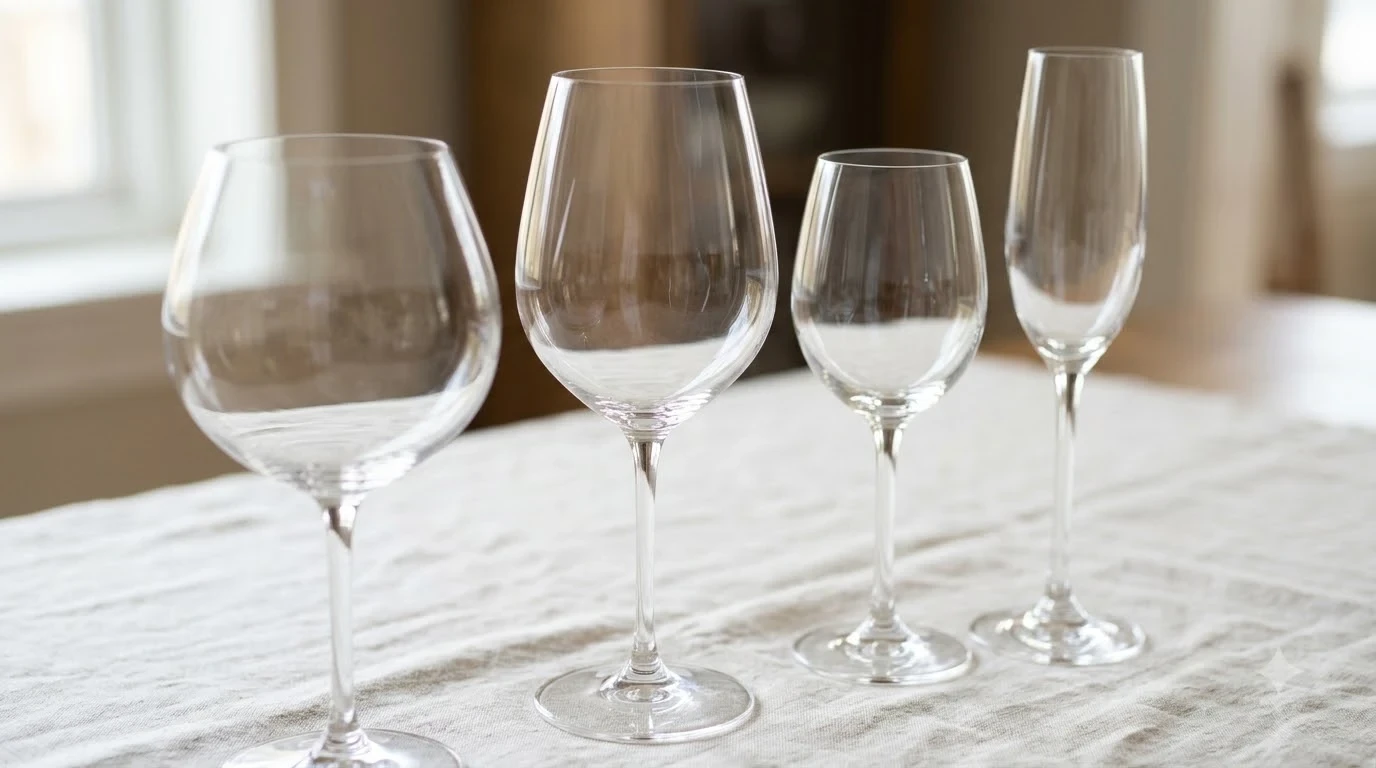
Schott Zwiesel white wine glasses are a strong choice for wine drinkers who want clear crystal glassware, practical durability, and shapes designed for different white wine styles. The brand offers several options, including Pure, Forté, Tulip, and Vervino, with differences in bowl capacity, proportions, and presentation. Its Tritan crystal construction and dishwasher-safe designs make many models particularly appealing for regular home use. The best choice depends on whether you primarily drink crisp Sauvignon Blanc and Riesling or fuller Chardonnay and Viognier.
A good white wine glass should do more than look attractive on a dining table. Its bowl needs enough room to collect aromas, its rim should make pouring comfortable, and its proportions should suit the wine being served. Schott Zwiesel addresses these requirements through several glassware collections, ranging from straightforward everyday designs to more distinctive contemporary shapes.
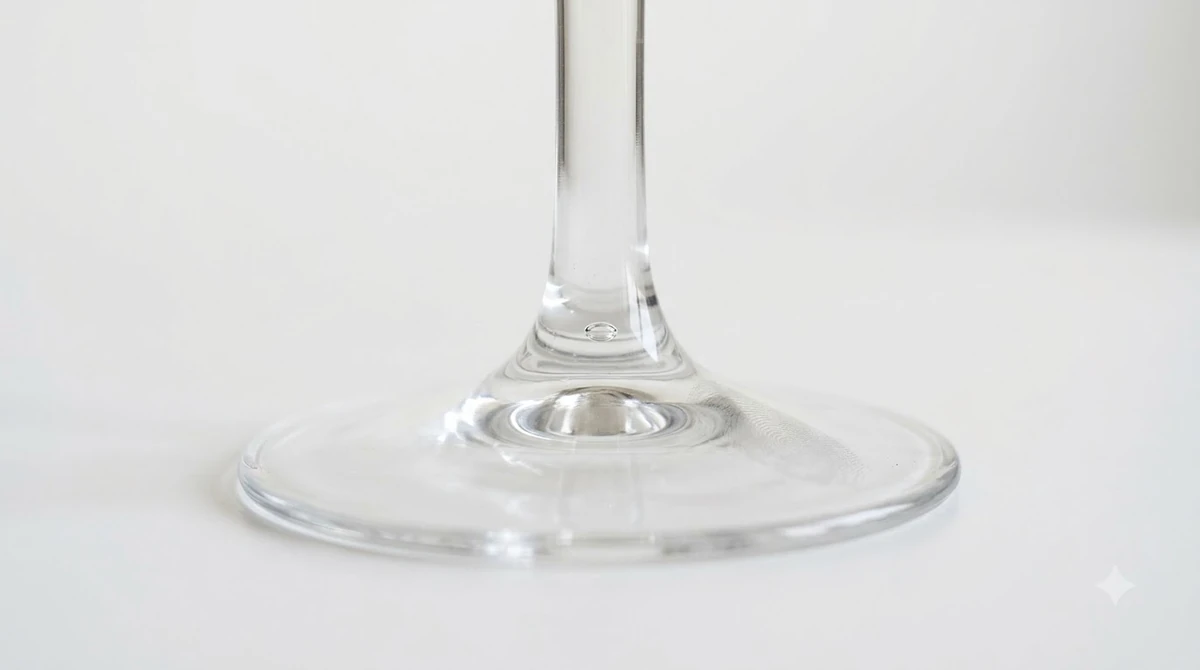
The company’s Tritan crystal is another important consideration. It is designed to combine the appearance of fine crystal with resistance to common forms of everyday damage. That makes these glasses worth considering for people who entertain regularly but do not want delicate stemware that requires constant handwashing. However, different collections serve different purposes, and choosing the right shape matters more than automatically buying the largest or most expensive-looking option.
Specs and Key Features
Schott Zwiesel white wine glasses share an emphasis on clear crystal construction, practical durability, and wine-specific proportions. However, the collections differ considerably in capacity, height, and visual design, so comparing their specifications helps identify the right glass before purchasing.
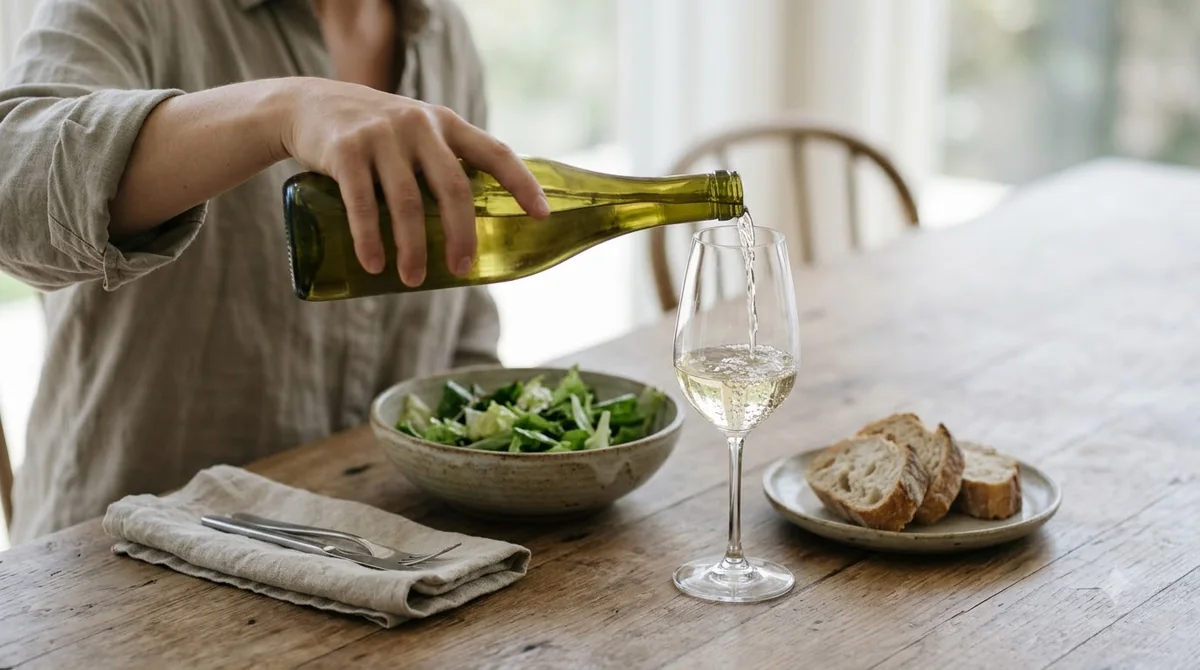
Tritan crystal is central to the brand’s glassware proposition. Schott Zwiesel describes the material as offering clarity alongside improved resistance to scratching and breakage. The company also uses titanium-based technology in its crystal formulation. These characteristics make the glasses attractive to households that want crystal presentation without treating every glass as an especially fragile occasion-only item.
The following comparison uses published manufacturer and retailer specifications. Capacities and dimensions refer to the particular white wine glass versions listed, rather than every glass in the corresponding collection.
| Collection or model | Capacity | Height | Diameter | Primary use |
|---|---|---|---|---|
| Tulip | 356 ml / 12 oz | 211 mm / 8.3 in | 79 mm / 3.1 in | Everyday white wines |
| Forté | 404 ml / 13.6 oz | 217 mm / 8.5 in | 82 mm / 3.2 in | Versatile white wine service |
| Vervino Soft | 16.5 oz | 9.4 in | Not specified | Light and aromatic whites |
| Vervino Full | 13.7 oz | 8.86 in | 3.15 in | Fuller-bodied white wines |
| Pure Sauvignon Blanc | 13.8 oz | 9.1 in | 3.3 in | Light white wines |
One important distinction is that capacity does not indicate the recommended serving size. A 16.5-ounce glass should not be filled to its rim. A standard wine pour is approximately 5 ounces, leaving space above the liquid for aromas to gather and making the glass easier to handle.
The Tulip and Forté specifications come directly from Schott Zwiesel’s product listings. The Vervino measurements are published by Sur La Table, while Williams Sonoma lists the Pure Sauvignon Blanc glass at 13.8 ounces and approximately 9.1 inches tall. These are useful reference points, but buyers should compare the precise version being offered because a collection can contain multiple shapes.
For a broader comparison of shapes and sizes across manufacturers, the site’s guide to white wine glasses provides additional context. The main advantage of Schott Zwiesel is the combination of a recognizable crystal appearance and practical construction, rather than an assumption that every collection uses an identical bowl.
What Owners Like
The strongest selling points of Schott Zwiesel white wine glasses are their crystal clarity, resistance to everyday wear, and availability of different shapes for different wines. They offer a practical middle ground between inexpensive basic stemware and extremely delicate specialist glasses.
Durability is a major attraction. Tritan crystal is designed to resist scratching, chipping, and breakage better than many conventional delicate glassware options. That does not make a Schott Zwiesel glass unbreakable, but it does provide reassurance for people who regularly wash and reuse their stemware.
Dishwasher compatibility is another practical benefit. Williams Sonoma specifically confirms that its Pure white wine glasses are dishwasher-safe. Schott Zwiesel also lists its Tulip and Forté white wine glasses as dishwasher-safe products. For households that serve wine several evenings a week, this convenience can make a meaningful difference to the ownership experience.
The appearance is also a selling point. Clear crystal allows the color of a wine to remain visible, which is useful when comparing pale Pinot Grigio, golden Chardonnay, and deeper-colored Gewürztraminer. Thin-looking bowls and refined stems give many models a more formal appearance than ordinary household drinking glasses.
Sur La Table describes the Vervino range as having a machine-crafted appearance that resembles handmade crystal. Its Vervino Full model combines a thin-walled bowl, fine stem, and wide foot. This design provides a visually refined presentation without requiring buyers to choose individually hand-finished glassware.
Collection variety is another advantage. Someone who mostly drinks Sauvignon Blanc can choose a glass intended for lighter aromatic wines, while a Chardonnay enthusiast can select a more generous shape. This is more useful than buying a large universal glass simply because it looks impressive.
The range also offers flexibility for different occasions. A practical Tulip or Forté glass can work for everyday meals, while a more distinctive Pure or Vervino design can provide a formal appearance for dinner parties. Buyers can maintain a consistent glassware style without needing to use exactly the same bowl for every wine.
Consider the difference between two common white wine styles. Sauvignon Blanc typically has high acidity and fresh citrus or herbal aromas, while fuller Chardonnay can have more body and oak-derived notes. A narrower, more focused glass can suit the former, while a broader or more generous bowl can be appropriate for the latter.
Finally, the lead-free Tritan crystal construction is attractive to buyers who want crystal-style presentation without relying on traditional lead-containing crystal formulations. This is a useful material distinction when comparing glassware, although the exact specifications should always be associated with the particular product rather than generalized to unrelated collections.
Common Complaints
Schott Zwiesel glassware has several practical limitations despite its durability claims. The most important considerations are the possibility of breakage, differences between collection designs, storage requirements, and the fact that dishwasher-safe does not mean damage-proof.
The first limitation is that Tritan crystal remains glass. A stem can break if a glass is knocked against a hard countertop, dropped, or subjected to excessive twisting. Resistance to ordinary wear should not be confused with immunity to accidents. Anyone expecting a genuinely unbreakable glass will need to consider a different material.
Some buyers may also find the larger models inconvenient. A 16.5-ounce Vervino Soft glass has a relatively generous capacity, and its 9.4-inch height can make storage difficult in compact cupboards. Measure the available shelf height before choosing a taller collection, especially if the glasses will be stored upright.
Another potential complaint is that collection names can be confusing. The manufacturer’s product information identifies Tulip as previously Taste and Forté as previously Viña. Buyers comparing older listings with current product pages may encounter different names for related designs.
This matters particularly when purchasing replacement glasses. A glass from an older collection should not automatically be assumed to have identical dimensions to a newer model with a similar name. Compare the bowl shape, capacity, height, and product identification before ordering additional pieces.
Dishwasher compatibility also has practical limits. Sur La Table specifically warns against forcing the bowl tightly over dishwasher rack prongs or twisting the stem and bowl while holding either section tightly. Both actions can put unnecessary stress on the connection between the stem and bowl.
There is also a difference between the appearance of machine-crafted and handmade stemware. Some buyers prefer the slight irregularities and individual character of hand-blown crystal. Schott Zwiesel’s machine-produced collections prioritize consistency and practical production, so they may not satisfy someone looking specifically for handmade imperfections.
Finally, the different bowl shapes can create a purchasing dilemma. A dedicated white wine glass may be useful for someone who frequently drinks several varieties, but a household that primarily serves one or two wines might not need multiple specialized designs. Buying more than one collection without a clear purpose can create unnecessary storage demands.
The best way to avoid disappointment is to choose based on the wines regularly served and the available storage space. Durability and visual appeal are valuable, but the glass should also be comfortable to hold and convenient to clean.
Who Should Buy and Who Should Skip
Schott Zwiesel white wine glasses are particularly suitable for people who want crystal stemware for regular use, appreciate a clean contemporary appearance, and prefer dishwasher-compatible glassware. They are less compelling for buyers whose priorities are the lowest possible cost, completely unbreakable construction, or exclusively handmade craftsmanship.
Frequent white wine drinkers are among the clearest potential buyers. If Sauvignon Blanc, Riesling, Pinot Grigio, and Chardonnay regularly appear at the dinner table, having a suitable white wine glass makes serving more enjoyable. The range allows buyers to select a bowl that complements their preferred wine styles rather than using an oversized red wine glass for everything.
People who entertain at home may also appreciate the collections. Crystal clarity looks appropriate for formal dinners, while the dishwasher-safe construction makes routine cleanup more convenient. A set of six glasses can be a practical starting point for a household that regularly hosts small gatherings.
Buyers who value practical durability should pay particular attention to Tritan crystal. The material is designed to improve resistance to common forms of damage, which makes it appealing for people who use stemware frequently. It is still important to handle the glasses carefully, especially around the stem and bowl connection.
Chardonnay drinkers should look at the larger or fuller-bodied options. The Vervino Full glass, for example, has a 13.7-ounce capacity and is recommended by Sur La Table for Chardonnay, Viognier, Bordeaux Blanc, and Gewürztraminer. Its shape is intended to accommodate wines with richer profiles.
On the other hand, someone who primarily drinks crisp Sauvignon Blanc or Riesling should consider a lighter white wine design. Vervino Soft is listed for Pinot Grigio, Sauvignon Blanc, Riesling, and Chenin Blanc. The Pure collection is also presented by Williams Sonoma as appropriate for light white wines.
There are several situations where another type of glass might be more suitable.
- Skip these glasses if you need unbreakable stemware. Tritan crystal is still glass, and accidental drops can cause damage.
- Consider another material if you need outdoor glassware. Acrylic or other suitable reusable alternatives may be more practical for patios and poolside settings.
- Skip specialist collections if you want one universal shape. A simpler all-purpose glass may be more convenient for occasional wine drinkers.
- Consider handmade alternatives if craftsmanship is your main priority. Machine-produced consistency is not the same as individually hand-blown glass.
- Measure your storage space first. Taller models may not fit every cabinet or dishwasher arrangement.
For someone building a complete home collection, it can be useful to compare the brand’s white wine options with the site’s broader selection of wine glasses. This helps determine whether a dedicated white wine glass is the right investment or whether a versatile all-purpose design would meet everyday needs.
How It Compares to Alternatives
Schott Zwiesel competes in a category where appearance, material, bowl proportions, and maintenance all influence the buying decision. Its collections offer several approaches to white wine service, so the most useful comparison is between the available shapes rather than treating the entire brand as one uniform product.
Pure versus Tulip
Pure is an appropriate option for buyers who appreciate a more contemporary silhouette and a wine-specific presentation. Williams Sonoma identifies its white wine version as suitable for light white wines, including Sauvignon Blanc and Chardonnay. The collection’s distinctive appearance can suit a more formal table setting.
Tulip is a more straightforward alternative. Its 356 ml capacity and 211 mm height make it a practical option for regular use. Schott Zwiesel describes the design as suitable for everyday wine drinking and highlights its dishwasher-safe Tritan crystal construction.
Choose Pure if visual design and a dedicated white wine presentation are important. Choose Tulip if a straightforward everyday glass with published dimensions and practical durability is the priority.
Forté versus Vervino Soft
Forté offers a versatile white wine design with a 404 ml capacity. Schott Zwiesel identifies Riesling, Sauvignon Blanc, and Gewürztraminer among the suitable wines. It is a sensible choice for someone who wants one dedicated white wine glass for several varieties.
Vervino Soft has a 16.5-ounce capacity and measures 9.4 inches tall. Sur La Table recommends it for Pinot Grigio, Sauvignon Blanc, Riesling, Chenin Blanc, rosé, and Gewürztraminer. Its taller profile gives it a different appearance and may appeal to buyers who prefer a more pronounced stemware silhouette.
The distinction is not simply that one is better than the other. Forté is a practical choice with a relatively moderate capacity, while Vervino Soft offers a larger bowl and a more prominent overall presentation.
For the manufacturer’s description of the Forté design, materials, dimensions, and recommended wine varieties, consult the official Schott Zwiesel Forté white wine glass specifications.
Vervino Soft versus Vervino Full
These two models illustrate why matching the glass to the wine matters. Vervino Soft has a 16.5-ounce capacity and is intended for aromatic, lighter white wines. Vervino Full has a 13.7-ounce capacity and is recommended for fuller-bodied wines such as Chardonnay and Viognier.
The difference in capacity does not mean the larger glass is automatically better for every white wine. Bowl proportions and opening shape also influence how the wine is presented. Someone who drinks mostly crisp Riesling may prefer the Soft design, while a person who regularly serves richer Chardonnay may prefer the Full model.
Schott Zwiesel versus a General-Purpose Glass
A general-purpose glass can be a sensible alternative for someone who drinks red, white, and rosé wine but does not want separate collections. A dedicated white wine glass, however, offers a more focused presentation for aromatic wines and makes it easier to maintain consistent serving habits.
It is also worth comparing the brand’s white wine options with dedicated red wine glasses. Red wines such as Cabernet Sauvignon generally benefit from different bowl proportions than lighter white wines. Having separate glassware can therefore make sense for households that regularly serve both categories.
The most useful buying decision is based on the wines actually served rather than the number of collections available. A household that mostly drinks Sauvignon Blanc and Riesling may need only one well-chosen white wine design. A household that regularly serves both lean whites and fuller Chardonnay may appreciate two different shapes.
Care and Everyday Use
Proper handling helps preserve the clarity and appearance of Schott Zwiesel white wine glasses. Although the collections are designed for dishwasher use, thoughtful loading, careful drying, and appropriate storage help reduce unnecessary stress on the glass.
Start by rinsing the glass after use rather than allowing wine residue to dry inside the bowl. White wine can leave visible marks, particularly around the liquid line, and prompt rinsing makes later cleaning easier. If washing by hand, use warm water and a gentle cleaning method rather than abrasive pads.
For dishwasher cleaning, position each glass securely without forcing the bowl over the rack prongs. Avoid placing neighboring glasses where they can strike one another during the wash cycle. The warning published by Sur La Table about twisting the stem and bowl is especially important: hold the glass by its base or stem carefully rather than applying opposing pressure to its sections.
Tip: When loading stemware into a dishwasher, leave space between neighboring bowls and keep each glass stable. Never force the bowl over a rack support or twist the stem while holding the bowl tightly. These small precautions help reduce unnecessary stress on the glass.
Storage deserves similar attention. Keep glasses upright when the cabinet provides sufficient clearance, and avoid stacking them. If the glasses are stored close together, allow enough space to prevent stems and bowls from knocking against neighboring pieces when removing them.
For households with limited cabinet height, measure the tallest glass before purchasing a set. The Vervino Soft, at 9.4 inches, may require more vertical clearance than the 8.3-inch Tulip. A few minutes of measuring can prevent the inconvenience of discovering that a new set does not fit the intended storage area.
It is also useful to avoid sudden temperature changes. Do not pour hot water into a glass that has just been chilled, and avoid exposing cold stemware to extreme heat. Gradual changes are a sensible precaution for crystal glassware generally.
Before serving, make sure the bowl is clean and free from detergent residue. A clear glass makes it easier to assess the color of the wine, while an odor-free surface helps preserve the wine’s aroma. A gentle polishing cloth can remove remaining water spots after washing.
Serving temperature is another part of getting the most from these glasses. Light white wines and rosé are generally served around 45 to 50 degrees Fahrenheit, while fuller-bodied whites are typically served around 50 to 55 degrees Fahrenheit. Sweet white wines are often served cooler, around 43 to 50 degrees Fahrenheit.
Pour approximately 5 ounces into the glass rather than filling the bowl. This leaves room for swirling and aroma development. A larger glass does not require a larger serving, and keeping the pour moderate makes the wine easier to evaluate and enjoy.
Finally, consider how many glasses the household actually needs. Four pieces can be adequate for a small household, while six may be more convenient for regular entertaining. Buying a complete set from the same collection also makes replacement and table presentation more consistent.
Frequently Asked Questions
Are Schott Zwiesel white wine glasses made with lead-free crystal?
Schott Zwiesel describes its Tritan crystal as using titanium-based technology rather than traditional lead crystal formulations. Sur La Table specifically identifies its Vervino glasses as lead-free Tritan crystal. Buyers comparing different collections should still verify the material description associated with the exact product.
Can Schott Zwiesel white wine glasses be used for sparkling wine?
Many white wine glasses can also serve sparkling wine, although they do not preserve bubbles in quite the same way as a dedicated sparkling wine glass. A narrower sparkling wine glass is generally preferable when maintaining visible carbonation is the main priority. For casual service, a white wine glass can provide more room to appreciate the wine’s aromas.
How many Schott Zwiesel white wine glasses should a household own?
Four glasses provide a useful starting point for a smaller household, while six offer more flexibility for guests. A household that regularly hosts larger dinners may benefit from eight or more matching pieces. The right quantity depends on how often wine is served and how much cabinet space is available.
Do Schott Zwiesel glasses have a universal replacement policy?
Replacement arrangements should not be assumed to be identical across all collections and retailers. Keep the original product identification and purchase documentation if replacement becomes necessary. Contact the seller or manufacturer directly to establish the applicable terms for the particular glass.
Can Schott Zwiesel white wine glasses be used for water and nonalcoholic drinks?
Yes. Their clear crystal construction makes them suitable for serving sparkling water, still water, and other cold nonalcoholic beverages. A white wine glass can also provide an attractive presentation for chilled fruit-based drinks, although acidic beverages should not be left sitting in stemware unnecessarily.
Schott Zwiesel white wine glasses are a compelling option for households that want attractive crystal stemware with practical everyday characteristics. Pure, Tulip, Forté, and Vervino each offer different approaches to white wine service, so the right purchase depends on preferred wine styles, bowl proportions, and available storage. For most buyers, choosing one suitable collection and using it consistently is a better starting point than purchasing several shapes without a clear purpose.
More in Wine Glasses
 Zwiesel Glas Champagne Flutes for Durable Everyday Sparkling WineUpdated Nov 20, 2026
 Vera Wang Crystal Wine Glasses: Design, Quality and Buying AdviceUpdated Nov 20, 2026
 West Elm White Wine Glasses: Compare Designs for Better Everyday Wine ServiceUpdated Nov 20, 2026
 Zalto Stemless Wine Glasses: Discover Their Distinctive DesignsUpdated Nov 20, 2026
 Viski Champagne Glasses That Match Your Style and Sparkling WineUpdated Nov 20, 2026
 Vista Alegre Decanter Review: Crystal Style and Wine ServiceUpdated Nov 20, 2026