

We may earn a commission when you buy through links on this page, at no extra cost to you. Learn more.
Lalique wine glasses are luxury French crystal stemware designed to combine refined wine presentation, distinctive craftsmanship, and practical tasting performance. The 1er Cru collection is particularly appealing for drinkers who want a versatile glass for different wine styles, while the 100 POINTS collection offers specialized shapes developed in collaboration with wine critic James Suckling. These glasses are best suited to collectors, special occasions, and wine enthusiasts who appreciate fine tableware and are comfortable with careful handwashing.
Lalique occupies a distinctive position in luxury glassware. Its wine glasses are not simply functional vessels: they are designed to bring artistic detailing, crystal clarity, and thoughtful proportions to the dining table. However, the different collections serve slightly different purposes. Understanding their capacities, bowl shapes, construction, and maintenance requirements makes it easier to decide whether the investment makes sense for your wine-drinking habits.
Specs and Key Features of Lalique Wine Glasses
Lalique’s wine glasses combine clear crystal, carefully shaped bowls, and recognizable design details. The 1er Cru and 100 POINTS collections are particularly interesting because they approach wine service differently while sharing an emphasis on appearance and tasting functionality.
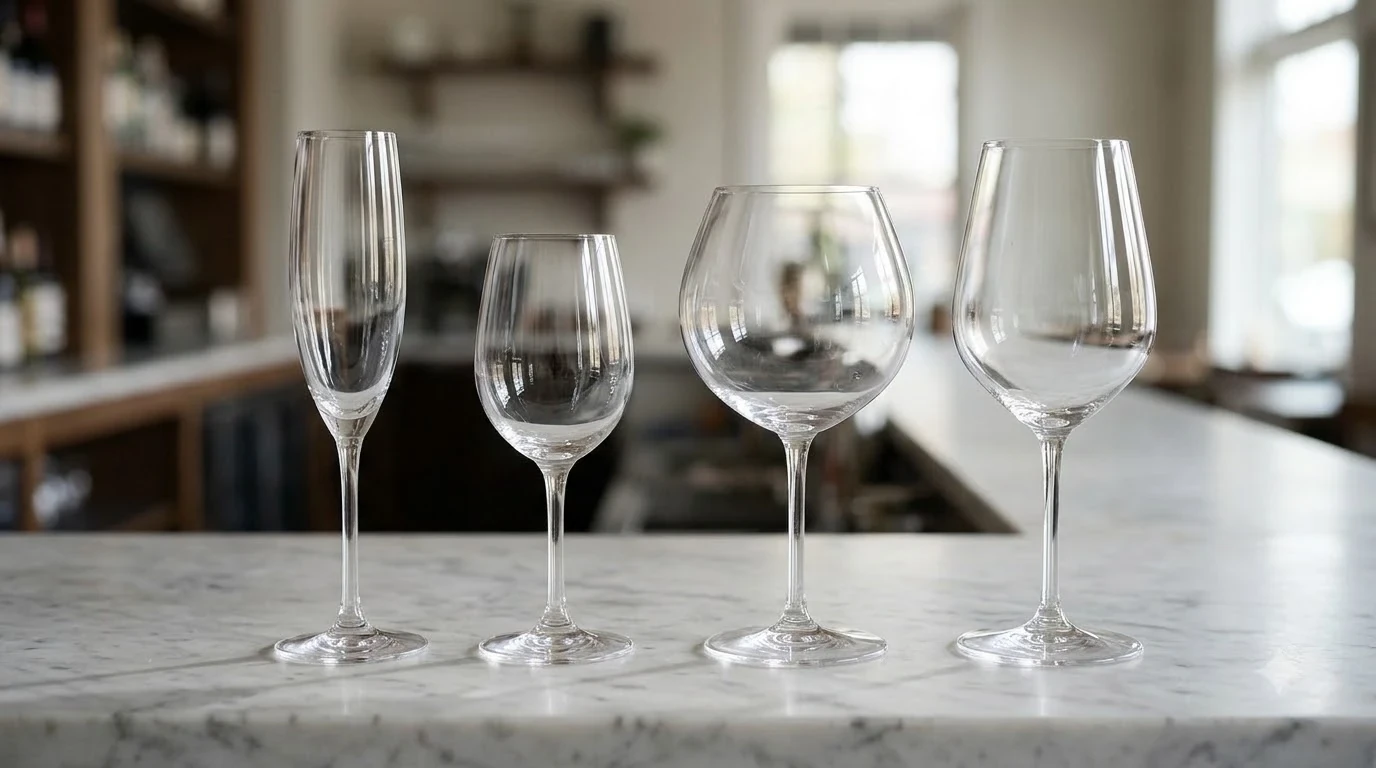
The 1er Cru collection is designed around a universal tasting concept. Its generous bowl, tapered upper section, and distinctive base are intended to support aroma development while maintaining an elegant appearance. Lalique’s wine director Romain Iltis describes its shape as suitable for both young and mature wines, making it a practical option for households that serve several wine styles.
The 100 POINTS collection takes another approach. Created in collaboration with James Suckling, it began with a universal glass and expanded into specialized designs, including Burgundy, Bordeaux, and Champagne glasses. The original universal model is recognized for its medium U-shaped bowl and distinctive frosted rib stem.
Here are the published specifications for two representative models. The measurements come from Lalique’s product information rather than estimates based on photographs.
| Specification | 1er Cru | 100 POINTS Burgundy |
|---|---|---|
| Material | Clear crystal | Clear crystal |
| Height | 23.8 cm | 23 cm |
| Diameter | 9.5 cm | 10.6 cm |
| Capacity | 600 ml | 690 ml |
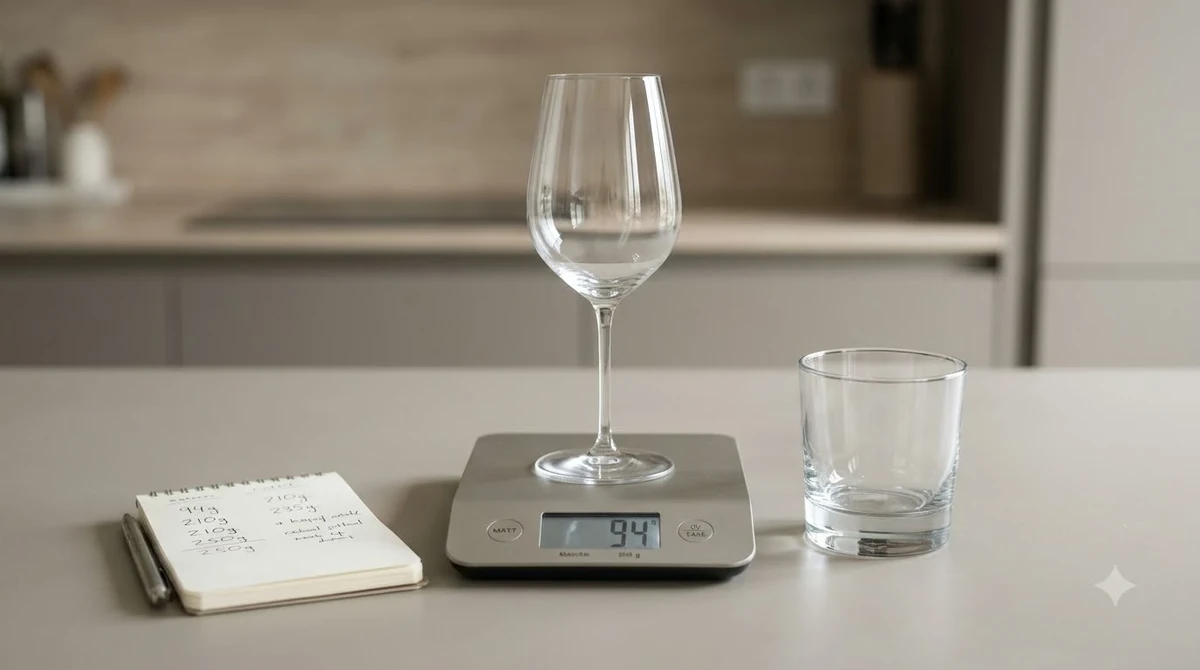
| Weight | 215 g | 210 g |
| Design approach | Universal tasting glass | Burgundy-specific shape |
| Collection | 1er Cru | 100 POINTS by James Suckling |
These figures reveal an important distinction. The 100 POINTS Burgundy glass has a wider diameter and greater capacity, while the 1er Cru has a slightly greater overall height. Both have relatively generous bowls, but their proportions are not identical. The Burgundy glass provides additional room for swirling delicate Pinot Noir and other aromatic wines.
Capacity should not be confused with the amount of wine served. A 600 ml or 690 ml bowl is designed to leave substantial room above the pour. A conventional 5-ounce serving occupies only a portion of either glass, allowing aromas to collect above the wine and making swirling more manageable.
For the 1er Cru model, the base also deserves attention. Lalique incorporates a swallow motif, a decorative reference to René Lalique’s artistic heritage. The slender stem and curved bowl give the glass a restrained appearance rather than relying on heavy ornamentation.
The official Lalique 1er Cru product specifications provide the most useful starting point for checking the exact dimensions and construction before purchasing.
Another important distinction is the meaning of crystal craftsmanship. Lalique identifies these products as crystal rather than ordinary everyday glass. That distinction contributes to their visual character, clarity, and appeal as luxury tableware. It does not, however, mean that a crystal wine glass is immune to chips, scratches, or breakage.
What Owners Like About Lalique Wine Glasses
The strongest appeal of Lalique wine glasses is the combination of visual presentation and thoughtful glass design. Their appeal extends beyond wine tasting to the overall experience of setting a dining table, hosting guests, and displaying beautiful objects.

Distinctive crystal appearance. Lalique’s clear crystal gives the glass a polished, luminous appearance. This is particularly noticeable when the glasses are placed under dining-room lighting or beside a carefully arranged table setting. The transparent material also makes it easy to examine a wine’s color, clarity, and development.
Recognizable design details. The 1er Cru swallow motif and the 100 POINTS frosted rib stem provide visual identities that distinguish these glasses from simpler stemware. These features are subtle enough to work with formal table settings without making the glass look excessively decorative.
Generous bowl proportions. Both representative models offer capacities above 600 ml. That leaves plenty of room for swirling and aroma development, particularly with expressive red wines. The Burgundy glass is especially relevant for wines that benefit from a broad bowl, including Pinot Noir from Burgundy, Oregon, and California.
Versatile tasting possibilities. The universal approach of the 1er Cru and original 100 POINTS glass makes them appealing to people who drink several wine styles. Rather than maintaining separate collections for every grape variety, a household can use a well-proportioned universal glass for Cabernet Sauvignon, Chardonnay, Sauvignon Blanc, and Pinot Noir.
That versatility also simplifies entertaining. A host serving both white and red wine can use a consistent glass style across the table. This creates a coordinated presentation and reduces the number of different stemware shapes that need to be stored.
There is also a practical distinction between a universal glass and a highly specialized tasting glass. A universal design offers convenience, while a Burgundy or Bordeaux shape can be selected to suit the structure and aromatic profile of a particular wine. Lalique offers both approaches through its different collections.
Gift presentation. Lalique’s reputation as a luxury crystal house gives its wine glasses particular appeal as wedding, anniversary, retirement, and housewarming gifts. The 1er Cru set of two is especially relevant for couples because the packaging and matching design make it a ready-made gift rather than an assortment that needs to be assembled.
A published owner review on Bloomingdale’s describes Lalique crystal glasses as delicate and elegant and recommends them as a bridal-shower gift. That is a limited individual review rather than evidence of broad customer consensus, but it illustrates the type of occasion for which these glasses are frequently considered.
The 100 POINTS collaboration has another point of appeal: its connection to James Suckling. The collection was developed around the idea of combining a beautiful object with a functional tasting glass. James Suckling describes the universal glass as appropriate for a broad range of wines, from Bordeaux to Nero d’Avola. His 100 POINTS collection overview explains how the original universal design expanded into a larger assortment.
Nevertheless, these positive attributes should be considered alongside the practical requirements of owning luxury crystal. A beautiful glass that needs careful washing and storage may be an excellent purchase for one household and an inconvenient choice for another.
Common Complaints and Practical Limitations
The main disadvantages of Lalique wine glasses involve fragility, maintenance, and the practical limitations of luxury stemware. Their craftsmanship and appearance may justify the purchase for some buyers, but they are not necessarily the most convenient glasses for frequent, casual use.
1. They require careful handling. Fine crystal stemware needs more attention than thick everyday tumblers. The bowl, stem, and foot are vulnerable to impact, especially when glasses touch one another in a crowded cabinet or sink. A slender stem also requires a careful grip when carrying the glass between the kitchen and dining room.
This is not a problem unique to Lalique, but it becomes particularly relevant when purchasing an expensive set. Replacing a damaged glass may be more complicated than replacing an ordinary supermarket wine glass, especially if the original design has become unavailable.
2. Dishwasher convenience is limited. Lalique recommends washing its glasses by hand. Its official care guidance warns against dishwasher use because crystal can be affected by temperature changes. This is a meaningful disadvantage for households that prefer to place all their dinnerware in an automatic dishwasher after entertaining.
Handwashing is not especially difficult, but it requires time and attention. A collection of several glasses used during a dinner party can create additional work after the guests leave.
3. Specialized shapes require more storage space. Large bowls and long stems need sufficient clearance in cabinets. The 1er Cru measures 23.8 cm tall, so buyers should measure their shelves before ordering. A wide Burgundy bowl can also require more space than a narrower white wine glass.
Storing several different Lalique collections together can make this issue more noticeable. A household with limited cabinet space may prefer one universal design rather than separate Burgundy, Bordeaux, and Champagne glasses.
4. The price reflects luxury positioning. Lalique is not primarily competing with inexpensive everyday stemware. Buyers are paying for the crystal house’s design identity, craftsmanship, and presentation as well as the glass’s basic wine-serving function. Someone primarily interested in replacing a set of ordinary glasses may find that these qualities do not justify the additional expense.
5. A universal shape is not ideal for every preference. The 1er Cru and original 100 POINTS universal designs can serve many wine styles, but a universal glass does not eliminate every reason to own specialized stemware. Some drinkers prefer the broader bowl of a Burgundy glass for delicate Pinot Noir or the narrower proportions of a Champagne glass for sparkling wine.
It is also important to separate documented limitations from unsupported customer complaints. The available owner-review evidence is limited and does not establish a recurring pattern of manufacturing defects, widespread stem breakage, or inconsistent crystal quality. Fragility and handwashing are better understood as practical considerations of fine crystal rather than proof of product faults.
For a household that values convenience above presentation, these limitations may be decisive. For someone who enjoys maintaining fine tableware, they are manageable responsibilities rather than automatic reasons to avoid the collection.
Who Should Buy and Who Should Skip Lalique Wine Glasses
Lalique is a strong candidate for buyers who value luxury crystal, thoughtful proportions, and presentation. It is less compelling for people who want inexpensive, dishwasher-safe glasses that can withstand frequent everyday handling.
Who should consider buying
Wine enthusiasts who host formal dinners. The generous 600 ml capacity of the 1er Cru makes it suitable for serving a range of wines without switching between several glass styles. Its restrained design also works well for multi-course meals where presentation matters.
Collectors of French crystal. Buyers who already appreciate Lalique decorative objects, tableware, or other crystal pieces may enjoy the visual consistency of adding wine glasses to their collection. The swallow detail on the 1er Cru foot provides a recognizable connection to the house’s artistic language.
People who appreciate universal stemware. A household that regularly drinks Cabernet Sauvignon, Pinot Noir, Chardonnay, and Sauvignon Blanc may prefer a versatile glass. The universal approach means fewer different glasses are needed for routine entertaining.
Buyers looking for meaningful gifts. A set of two Lalique glasses can be appropriate for a wedding, anniversary, or milestone celebration. The combination of crystal construction, distinctive detailing, and gift-oriented presentation gives the item more character than a generic glassware set.
People who enjoy wine presentation. Crystal clarity and bowl proportions are relevant to the visual and aromatic experience of drinking wine. Someone who likes observing color, swirling wine, and presenting bottles at the table may appreciate these characteristics.
Who should skip
Large households with heavy daily use. If glasses are constantly being handled by children, guests, or multiple family members, a more durable everyday glass may be more practical.
People who dislike handwashing. Lalique’s care recommendations make the maintenance requirement clear. Anyone who expects all stemware to be dishwasher-safe should consider another category of glassware.
Casual drinkers with limited storage. A person who primarily drinks an occasional glass of wine may not benefit from large luxury bowls or a collection of specialized shapes. A compact everyday set may serve the same basic purpose with less maintenance.
Buyers prioritizing tasting function over appearance. If the main objective is to find affordable, purpose-built tasting glasses, compare more practical alternatives before committing to a luxury crystal collection. The shape and size of a wine glass matter, but they do not automatically make one expensive glass superior for every wine.
Before purchasing, consider how many glasses are actually needed. A set of two is sensible for a couple or an occasional host, while someone who regularly entertains six or eight guests may need a larger coordinated collection. It is often better to begin with a small number of versatile glasses than to purchase several specialized designs without a clear use for each one.
How Lalique Compares to Alternative Glasses
Lalique’s different collections offer meaningful choices within luxury crystal stemware. The best comparison is not simply which glass looks more impressive, but which bowl shape, capacity, and design philosophy match the wines and occasions in your home.
The 1er Cru is the most straightforward choice for buyers who want one versatile wine glass. Its 600 ml capacity and 23.8 cm height make it a substantial piece of stemware, but its universal design avoids the need to select a different glass for every grape variety.
The 100 POINTS universal glass is another versatile option. Its original concept was developed with James Suckling, and the collection subsequently expanded into 15 designs. The collaboration gives this range a stronger emphasis on wine tasting as well as decorative presentation.
The 100 POINTS Burgundy glass is more specialized. Its 690 ml capacity and 10.6 cm diameter offer a wider bowl than the representative 1er Cru model. This is an attractive configuration for aromatic red wines, especially Pinot Noir, where swirling space and the exposure of the wine’s aromas are useful.
Other 100 POINTS designs include Bordeaux and Champagne glasses. These options make sense for people who want to match their stemware more closely to the wines they serve. A Bordeaux glass is relevant to structured reds such as Cabernet Sauvignon and Bordeaux blends, while a Champagne glass provides a more specific format for sparkling wine service.
Here is how to think about the available choices:
- 1er Cru: Choose this for a versatile, refined glass that can serve red, white, rosé, sweet wine, and Champagne.
- 100 POINTS Universal: Choose this if you like the James Suckling collaboration and want one adaptable tasting glass.
- 100 POINTS Burgundy: Consider this for aromatic reds and a wider bowl profile.
- 100 POINTS Bordeaux: Consider this if structured red wines are a regular part of your entertaining.
- 100 POINTS Champagne: Consider this if sparkling wine service is a priority and a dedicated glass is preferable.
The choice between universal and specialized glassware is also a broader wine-accessory decision. A buyer comparing the best wine glasses should consider bowl geometry, stem proportions, capacity, and ease of care rather than treating brand reputation as the only deciding factor.
For red-wine enthusiasts, comparing the available red wine glasses can help clarify whether a universal Lalique glass provides enough bowl space or whether a dedicated Burgundy or Bordeaux design would be more useful.
There is also a difference between stemmed and stemless glassware. Lalique’s featured wine designs emphasize traditional stems, which help keep hands away from the bowl and preserve a formal presentation. Buyers who prefer more casual tableware can compare the alternatives in this stemless wine glasses selection.
Another useful consideration is the broader range of glassware brands. Different manufacturers approach crystal, bowl shapes, and everyday usability in different ways. Comparing several makers can help establish whether Lalique’s distinctive artistic styling is genuinely important to your purchase or whether a simpler tasting glass would meet your needs.
For most buyers considering their first Lalique purchase, the 1er Cru is the logical starting point. It offers a recognizable design, generous capacity, and a versatile approach to wine service. The 100 POINTS Burgundy or Bordeaux options are better choices when a specific wine style is the main reason for buying.
Frequently Asked Questions
Are Lalique wine glasses made in France?
Yes. Lalique identifies its crystal production with its historic Alsace manufacturing heritage. Its official company information states that its works have been handcrafted at its Alsace manufacture since 1922, reflecting the brand’s long association with French crystal production.
Can Lalique wine glasses be repaired if they break?
Lalique advises owners with damaged pieces to contact customer service and provide photographs of the item and affected areas. The company can suggest possible repair options, although a repair is not guaranteed for every type of damage. Keep the original product details and purchase documentation to help with an inquiry.
How can buyers identify an authentic Lalique crystal piece?
Lalique explains that its glass and crystal pieces carry a signature on the bottom or lower part of the object. The signature may read R. Lalique, Lalique, or Lalique France. However, the company does not officially authenticate individual items or provide valuations, so buyers considering vintage pieces should consult a recognized specialist or auction house.
Can Lalique glasses be purchased as individual replacements?
Availability depends on the specific design and current product assortment. A collection may be sold as a pair or as individual pieces, and older designs may be harder to source. Contact Lalique customer service with the collection name and product reference if you need a matching replacement.
Do Lalique wine glasses make suitable wedding gifts?
Yes. A matching pair is particularly appropriate for a wedding or anniversary because it gives the recipients two coordinated pieces for shared occasions. Lalique also offers gift messaging options for eligible purchases, allowing the buyer to include a personal note with the order.
Lalique wine glasses are best understood as luxury crystal pieces that combine wine-serving function with distinctive artistic design. The 1er Cru is the strongest starting point for versatility, while the 100 POINTS range provides more specialized options for particular wine styles. If careful handling and handwashing are acceptable parts of ownership, Lalique offers an appealing way to bring fine crystal craftsmanship to the dining table.
More in Wine Glasses
 Zwiesel Glas Champagne Flutes for Durable Everyday Sparkling WineUpdated Nov 20, 2026
 Vera Wang Crystal Wine Glasses: Design, Quality and Buying AdviceUpdated Nov 20, 2026
 West Elm White Wine Glasses: Compare Designs for Better Everyday Wine ServiceUpdated Nov 20, 2026
 Zalto Stemless Wine Glasses: Discover Their Distinctive DesignsUpdated Nov 20, 2026
 Viski Champagne Glasses That Match Your Style and Sparkling WineUpdated Nov 20, 2026
 Vista Alegre Decanter Review: Crystal Style and Wine ServiceUpdated Nov 20, 2026