

We may earn a commission when you buy through links on this page, at no extra cost to you. Learn more.
A wedgwood decanter is a premium crystal serving piece best suited to wine enthusiasts who value elegant presentation, traditional design and carefully maintained glassware. The Wedgwood Helia collection is particularly appealing, combining neoclassical-inspired detailing with a practical 1-liter capacity and matching tumblers. Its main drawbacks are the careful hand washing required and the fact that its decorative design may appeal more to formal entertaining than everyday, low-maintenance wine service.
A decanter can do more than transfer wine from a bottle to a serving vessel. It provides room to aerate certain young red wines, helps separate older wine from sediment when used correctly and creates an attractive centerpiece for a dining table or home bar. Wedgwood approaches this category from a design-led perspective, offering crystal pieces that emphasize appearance alongside serving functionality. The Helia range is a particularly interesting option because it combines a distinctive cut pattern with a generous capacity. This review examines its specifications, practical advantages, ownership considerations and the situations in which another style of decanter might be more suitable.
Specifications and Key Features
The Wedgwood Helia decanter is a decorative crystal serving vessel with a 1-liter capacity, a compact footprint and a tall profile. Its neoclassical-inspired detailing gives it a more formal appearance than a plain glass carafe, while the matching tumbler set makes it an attractive choice for a coordinated home bar.
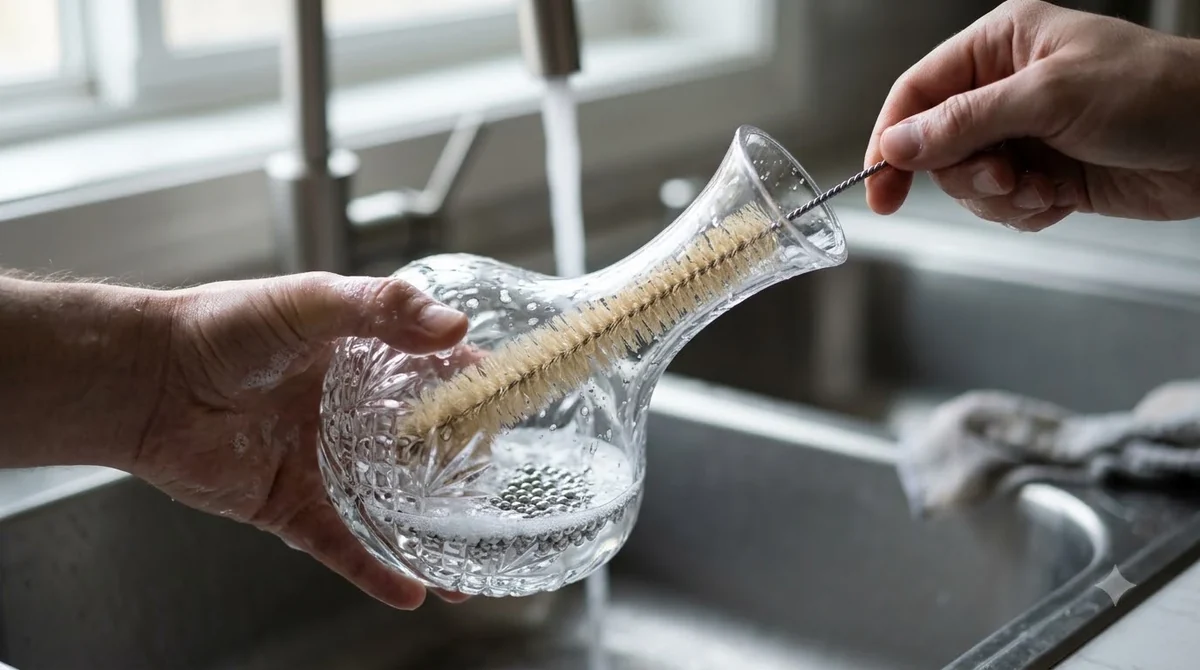
Wedgwood describes the Helia collection as a design inspired by neoclassical references in its archive. The collection reinterprets its stripe motif through delicate geometric cuts across the crystal. Rather than relying on colored glass or elaborate painted decoration, the design uses surface detailing to create visual interest while retaining a predominantly clear appearance. The manufacturer’s official Helia decanter and tumbler product description provides the product’s design details and dimensions.
The official Wedgwood product listing identifies the Helia Decanter & Tumbler Pair as product article number 1079381. Its stated dimensions are 10.7 cm wide, 10.7 cm long and 26.6 cm high. A 1-liter capacity gives it enough room for a standard 750 ml wine bottle without requiring the vessel to be filled to the brim. That additional space is useful when pouring and swirling wine, although the actual aeration benefit depends on the shape of the wine vessel and the wine itself.
John Lewis provides additional specifications for the matching set, including the tumbler dimensions and materials. Its listing identifies the crystal as lead-free and gives each tumbler a 410 ml capacity. The set is made in Slovenia, according to the retailer’s product specifications. These details help distinguish the Helia set from decorative decanters that are sold without practical serving accessories.
| Specification | Wedgwood Helia |
|---|---|
| Product | Helia Decanter & Tumbler Pair |
| Product article number | 1079381 |
| Material | Crystal, identified as lead-free by John Lewis |
| Decanter capacity | 1 liter / 1,000 ml |
| Decanter height | 26.6 cm |
| Decanter width | 10.7 cm |
| Decanter depth | 10.7 cm |
| Matching tumbler capacity | 410 ml each |
| Tumbler height | 9.5 cm |
| Tumbler width and depth | 9.2 cm each |
| Country of origin | Slovenia |
| Dishwasher safe | No |
The combination of a 1-liter vessel and two matching tumblers is useful for couples and smaller gatherings. A standard 750 ml bottle leaves approximately 250 ml of unused capacity, providing room for the wine to move when it is poured. For context, a typical wine serving is 5 ounces, and a 750 ml bottle provides approximately five glasses. The Helia decanter therefore accommodates a complete bottle without forcing the liquid close to the opening.
There is an important distinction between the Helia wine decanter and the Helia decanter-and-tumbler set. The official product listing describes the set as a decanter with matching tumblers, while the retailer provides further details about their capacities. Buyers should distinguish between a standalone vessel and a complete serving set when comparing listings, especially when shopping for a wedding or anniversary gift.
Wedgwood’s wider collection also includes different decanter designs, including sculptural whisky-oriented pieces and wine-serving styles. The Helia is a sensible starting point for buyers who want a traditional clear-crystal appearance rather than an unusually shaped decorative vessel.
What Owners and Design-Focused Buyers May Like
The strongest attraction of a Wedgwood decanter is its combination of recognizable design, decorative crystal and practical serving proportions. The Helia set is particularly appealing to people who want their glassware to look coordinated on a dining table or home bar rather than treating a decanter as purely functional equipment.
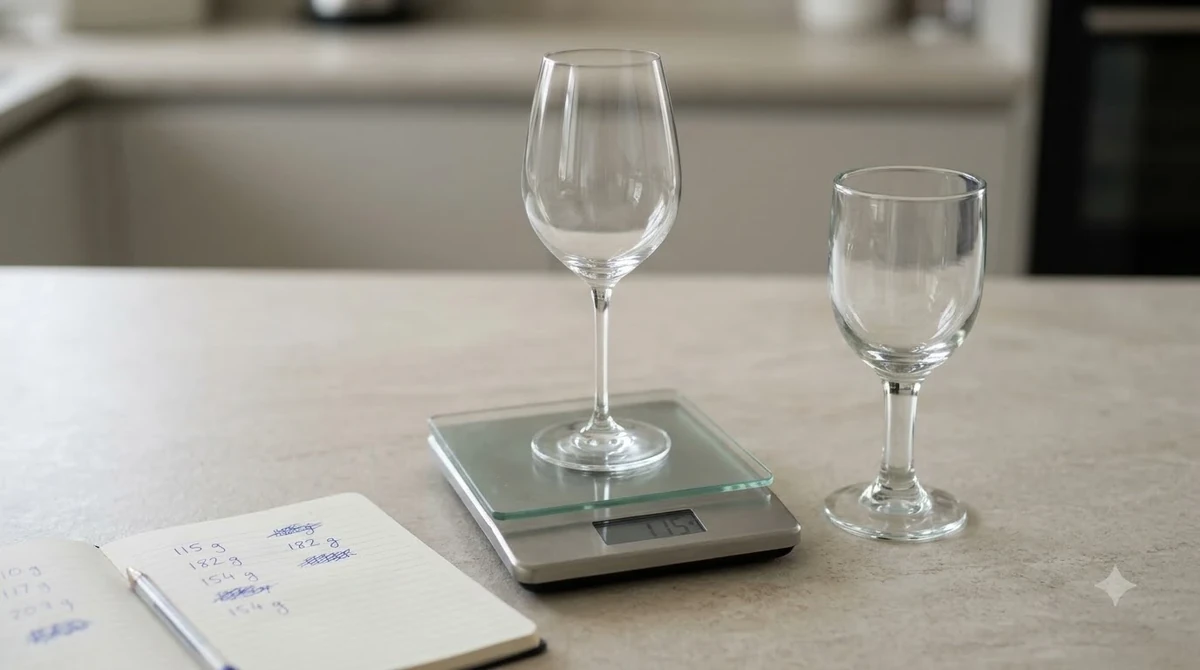
The cut detailing is one of the most distinctive features of the Helia design. Its geometric pattern adds texture without introducing a strong color that might compete with the appearance of the wine. This is useful for formal dining, where the color of a Cabernet Sauvignon, Pinot Noir or mature Bordeaux can contribute to the presentation. Clear crystal also works with different table settings, including white porcelain, dark wood and contemporary metallic accessories.
Another advantage is the matching tumbler arrangement. Purchasing a decanter and two coordinated glasses creates a more complete presentation than buying an isolated vessel. The 410 ml tumbler capacity gives users room for whisky, water or other drinks, although that capacity should not be confused with a recommended wine serving. For wine, a dedicated bowl-shaped wine glass generally provides a more appropriate shape for evaluating aroma.
A coordinated presentation
For someone who regularly entertains two guests or serves drinks to a partner, the matching accessories provide a practical benefit. The glasses can remain together with the decanter on a serving tray or cabinet shelf, making the collection feel intentional rather than assembled from unrelated pieces.
The Helia design is also relatively versatile. Its clear finish does not restrict it to a particular color scheme or drinking occasion. It can sit alongside traditional silverware, modern tableware or a collection of stemmed wine glasses. This flexibility is particularly valuable for buyers who prefer to invest in fewer, more distinctive household pieces.
The visual character is also suitable for gift-giving. Wedgwood presents the set in its signature packaging, which gives it an established gift-oriented presentation. A decanter is often a more memorable present than ordinary drinking glasses because it serves as both a functional object and a display piece. It may suit weddings, anniversaries, housewarmings and milestone celebrations.
However, a design-focused purchase should be evaluated realistically. Decorative cuts do not automatically improve the taste of wine, and a premium crystal vessel does not guarantee better aeration than an inexpensive decanter with a suitable shape. The appeal is primarily the combination of appearance, material and serving experience.
For shoppers building a complete entertaining collection, it is useful to consider the surrounding glassware as well. A selection of wine glasses can provide suitable vessels for different grape varieties, while the decanter handles presentation and wine preparation. This division of roles makes a coordinated collection more useful than relying on one attractive piece to perform every task.
Common Complaints and Practical Limitations
The most significant disadvantage of the Wedgwood Helia decanter is its maintenance requirement. Crystal needs more careful handling than ordinary everyday glassware, and buyers who want dishwasher convenience may find the cleaning instructions inconvenient.
Wedgwood specifically states that crystal decanters and carafes are not suitable for dishwashers, microwaves, ovens or freezers. The manufacturer recommends hand washing before first use, rotating stored liquids regularly and avoiding long-term storage of beverages. These instructions make sense for preserving the appearance and condition of the vessel, but they add work after entertaining. The manufacturer’s crystal and decanter care guide explains the recommended cleaning and storage precautions.
The decorative cut pattern also creates a consideration during cleaning. Although the pattern is visually attractive, textured surfaces can require additional attention when water spots or dried residue collect around detailed areas. A soft cleaning cloth and careful rinsing are preferable to abrasive pads or aggressive cleaning methods. The opening and neck should also be considered because a narrow opening can make it harder to reach the interior with a hand or ordinary sponge.
Weight and handling
Crystal decanters should be handled with both hands when full. The vessel’s height of 26.6 cm makes it visually prominent, but its shape also means that pouring technique matters. A secure grip around the body and a controlled movement at the neck can help prevent accidental collisions with glassware or table edges.
Buyers should also consider storage space. A decanter standing 26.6 cm tall may not fit comfortably inside every closed cabinet, especially when shelving is shallow. A display cabinet or open bar shelf can be more suitable, provided the vessel is protected from accidental knocks and excessive sunlight.
Another possible drawback is that a decorative crystal decanter is not necessarily the best choice for every wine style. Older wines that contain sediment may benefit from careful decanting into a vessel with a suitable pouring lip and enough room to observe the sediment. Young, tannic reds may benefit from exposure to oxygen, but the effectiveness of that process depends on the decanter’s shape and the time allowed. A design-led vessel should not be assumed to be a specialist aeration tool without considering its proportions.
Long-term liquid storage
A decanter should not automatically become a permanent storage bottle. Wedgwood advises against long-term beverage storage in crystal decanters and recommends changing stored liquid contents regularly. This is particularly important for people who expect to keep whisky or wine in the vessel for weeks or months.
Wine is particularly sensitive to oxygen exposure after opening. Pouring a bottle into a decanter does not preserve it indefinitely. Once exposed to air, wine continues to evolve, and its condition can deteriorate if it is left for too long. A stopper may reduce exposure, but it should not be treated as a substitute for proper wine preservation.
These limitations do not make the Helia a poor product. They simply indicate that its strongest appeal lies in presentation and occasional serving rather than carefree everyday use. Buyers who prioritize dishwasher-safe glassware, lightweight construction or permanent beverage storage should consider a different category of vessel.
Who Should Buy the Wedgwood Decanter and Who Should Skip It
The Wedgwood Helia is best suited to people who appreciate decorative crystal, enjoy hosting and are comfortable hand washing delicate serving pieces. It is less suitable for households that prioritize convenience, frequent dishwasher use or specialized wine aeration above appearance.
For a formal dining room, the Helia can provide a polished serving arrangement. Its geometric cuts complement traditional tableware, while the clear crystal remains neutral enough for modern settings. The 1-liter capacity is also practical for a standard 750 ml bottle, making it suitable for serving a single bottle of red wine at a dinner for two or a small gathering.
Buy it if presentation matters
The Helia is an appealing choice for buyers who already own suitable wine glasses and want a more decorative way to present wine at the table. It can also work well in a home bar where the decanter is displayed between occasions. The matching tumblers create a coordinated appearance and provide an additional serving option.
It is particularly appropriate as a gift for someone who appreciates Wedgwood’s design language. A person who enjoys hosting, collects quality tableware or maintains a dedicated drinks cabinet may appreciate a crystal set more than a purely utilitarian glass vessel.
It can also make sense for people who occasionally serve full-bodied red wines. Cabernet Sauvignon, Syrah and other structured reds can benefit from aeration when young and tannic. Decanting may help soften the initial impression of some wines by allowing oxygen exposure, although the result varies by bottle. The Helia provides sufficient stated capacity for a standard bottle, so users do not need to transfer the wine into several smaller containers.
Skip it if convenience comes first
For everyday wine drinkers who want to pour a glass and put everything directly into a dishwasher afterward, the Helia is not the obvious choice. Its care requirements are more demanding than those of many ordinary glass carafes. A simpler decanter with a wider opening may be more convenient for cleaning, especially when used several times a week.
It is also not the ideal purchase for someone who expects a decanter to solve every wine-serving problem. An older bottle with sediment may require a different pouring technique and a vessel designed for careful separation. Similarly, a young red wine may need a particular amount of aeration, which cannot be guaranteed simply by choosing a decorative crystal design.
People who rarely serve wine from a decanter may also struggle to justify the space it occupies. A good set of everyday glasses can be more useful than a decorative vessel that spends most of its time in a cabinet. Those assembling their first glassware collection may want to prioritize practical stemware before adding a premium decanter.
Tip: Before buying, measure the height of your display cabinet and the width of the shelf where the decanter will sit. The Helia stands 26.6 cm high, so allow additional clearance for comfortable lifting and placing.
How It Compares to Other Wine and Bar Glassware
The Wedgwood Helia is primarily a presentation-focused decanter, so its closest practical alternatives are simpler glass carafes and specialist wine decanters. Choosing between them requires deciding whether decorative detail, ease of cleaning or wine-handling performance matters most.
A basic glass carafe generally offers a more straightforward design. Many have wide openings and simple bodies, making them easier to rinse and dry. These features can be especially useful for everyday serving, where a vessel may be used repeatedly without requiring careful polishing or storage.
By contrast, the Helia provides a more distinctive appearance. Its cut detailing and matching tumblers make it feel like a coordinated serving collection rather than an ordinary kitchen accessory. That distinction matters when the decanter is displayed or used as part of a formal table setting.
Decanter versus wine glass
A decanter and a wine glass serve different purposes. The decanter holds and presents wine, while the glass allows an individual drinker to assess its aromas and flavors. A decanter may help young red wine receive oxygen exposure before serving, but it does not replace the need for appropriate stemware.
For Cabernet Sauvignon, a larger wine glass can provide room for swirling and aroma development. Pinot Noir often benefits from a bowl shape that allows its delicate aromas to gather. Sauvignon Blanc and Chardonnay generally have different serving requirements from structured red wines. A good glass collection should therefore be selected according to the wines regularly served.
Readers comparing stemware can also explore red wine glasses for structured reds and champagne flutes for sparkling wine. These pieces complement a decanter rather than compete with it.
Wine decanter versus whisky decanter
Wine and whisky decanters may look similar, but their practical roles are not identical. Wine decanters are commonly selected for aeration, sediment separation and serving. Whisky decanters are frequently chosen for presentation and convenient pouring, with a stopper that helps cover the contents between uses.
Wedgwood’s wider decanter collection includes designs intended for whisky as well as wine. This gives shoppers some flexibility when choosing a decorative vessel, but it is important to consider the individual product’s proportions. A vessel with a narrow neck or a particularly decorative stopper may look attractive while being less convenient for repeated wine transfers.
For buyers who want to create a complete home bar, the broader Glassware Brands category can help identify complementary pieces. A coordinated collection can include wine glasses, tumblers and serving accessories without requiring every item to have the same shape or function.
Does the premium design improve wine quality?
Not by itself. The quality of the wine, its age, structure, temperature and exposure to oxygen have a much greater influence on the drinking experience than the brand name on the vessel. A decanter is a tool, and its effectiveness depends on how it is used.
For example, a young Cabernet Sauvignon may benefit from 30 to 60 minutes of decanting when its tannins and aromas are particularly concentrated. A delicate older Pinot Noir may require much gentler handling, especially if sediment has developed. Prolonged aeration is not automatically beneficial for every bottle.
The Helia’s strongest advantage is therefore its visual presentation combined with a useful 1-liter capacity. Buyers should choose it for the quality of the serving experience and the appeal of its design, not because crystal decoration promises a dramatic improvement in every wine.
Frequently Asked Questions
Is Wedgwood crystal made with lead?
The John Lewis listing identifies the Helia decanter and tumbler set as lead-free crystal. This is a product-specific material description and should not be generalized to every historical or current Wedgwood glassware collection. Buyers considering older secondhand pieces should establish the material of the particular item before assuming it has the same composition.
Can a Wedgwood decanter hold sparkling wine?
A crystal decanter is generally not the preferred vessel for keeping sparkling wine carbonated. Transferring Champagne or Prosecco into a broad serving vessel releases carbon dioxide and reduces the bubbles that define the wine. Keep sparkling wine in its original sealed bottle and serve it in appropriately shaped sparkling-wine glassware instead.
Can a Wedgwood decanter be used for water?
A suitable crystal serving vessel can be used for water during a meal, provided its care instructions are followed. For the Helia, avoid leaving liquids inside for extended periods and empty the vessel after serving. Regular rinsing and careful drying also help prevent residue and water marks from becoming noticeable on decorative crystal.
How many standard wine bottles fit in a 1-liter decanter?
A 1-liter Helia decanter accommodates one standard 750 ml wine bottle with approximately 250 ml of additional capacity. It is not designed to hold two full standard bottles, which would total 1.5 liters. Leaving some room above the wine also makes pouring and swirling more manageable.
Should a Wedgwood decanter be polished after every wash?
Careful drying with a clean, lint-free cloth is recommended for crystal and helps minimize visible water spots. Avoid polishing aggressively or twisting the neck and body against one another. If the vessel has decorative cuts, use gentle movements rather than applying pressure to a small section of the crystal.
The Wedgwood Helia is a compelling option for buyers who want a decorative crystal decanter with practical capacity and coordinated serving accessories. Its 1-liter volume, neoclassical-inspired cuts and matching tumblers make it especially attractive for formal entertaining and thoughtful gifting. However, its hand-wash requirements and presentation-focused design mean it is best suited to owners who value appearance and are willing to care for delicate glassware properly.
More in Wine Glasses
 Zwiesel Glas Champagne Flutes for Durable Everyday Sparkling WineUpdated Nov 20, 2026
 Vera Wang Crystal Wine Glasses: Design, Quality and Buying AdviceUpdated Nov 20, 2026
 West Elm White Wine Glasses: Compare Designs for Better Everyday Wine ServiceUpdated Nov 20, 2026
 Zalto Stemless Wine Glasses: Discover Their Distinctive DesignsUpdated Nov 20, 2026
 Viski Champagne Glasses That Match Your Style and Sparkling WineUpdated Nov 20, 2026
 Vista Alegre Decanter Review: Crystal Style and Wine ServiceUpdated Nov 20, 2026