

We may earn a commission when you buy through links on this page, at no extra cost to you. Learn more.
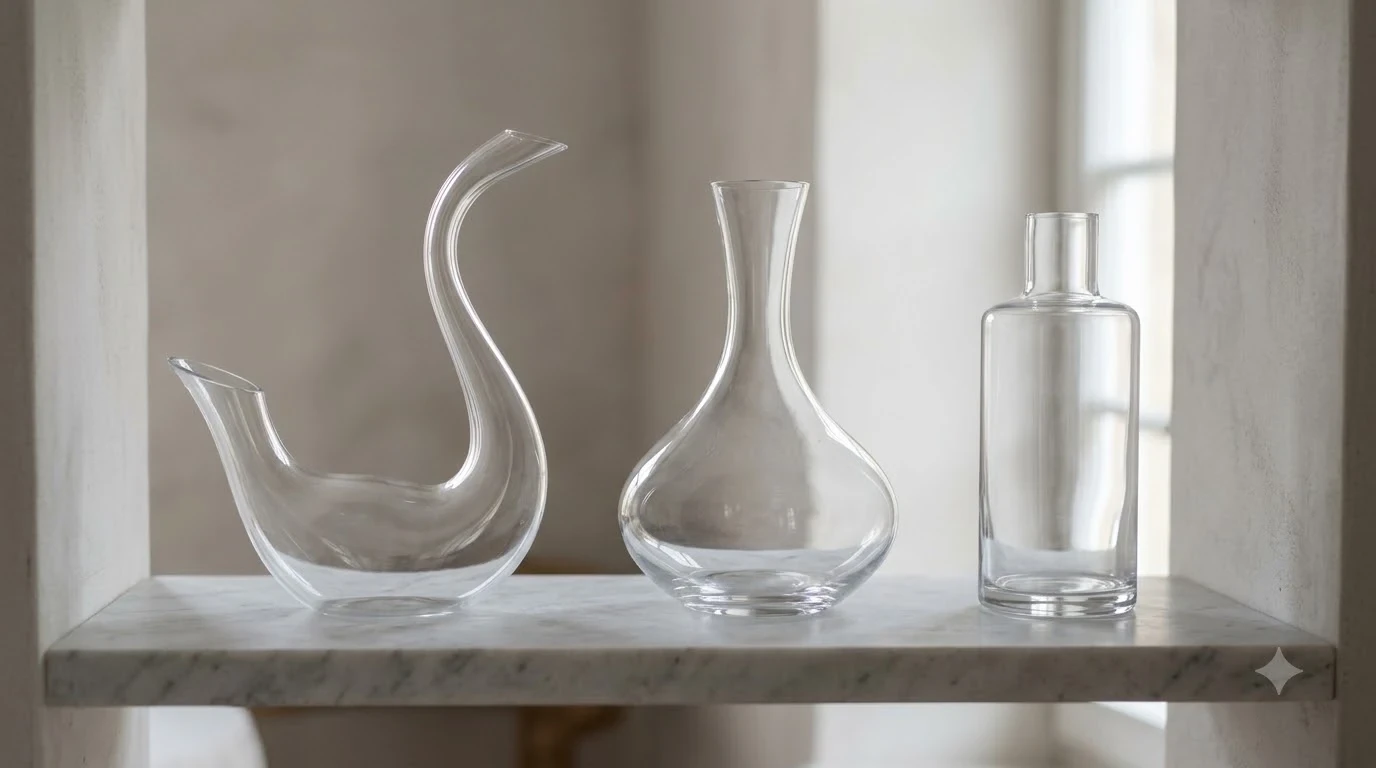
The williams sonoma decanter lineup is a strong choice for polished table service, with crystal designs that can aerate young wines and help separate sediment from older bottles. It is not one-size-fits-all: listed capacities run from 28.75 ounces to 71 ounces, and care differs between dishwasher-safe models and the hand-wash Dorset. For most households, the Reserve is the balanced all-rounder; the Handled model prioritizes controlled pouring, while Dorset is the statement piece.
Williams Sonoma’s wine decanters are designed for two jobs: exposing young wines to oxygen and giving older wines a vessel in which to leave sediment behind. The differences that matter most are capacity, footprint, grip and cleanup. This review covers the wine-specific decanters, not the brand’s separate whiskey and spirit vessels.
Specs and Key Features
The range spans a compact handled design, medium-capacity all-purpose vessels and a large display shape. Compare capacity, dimensions and care instructions before choosing by appearance alone.
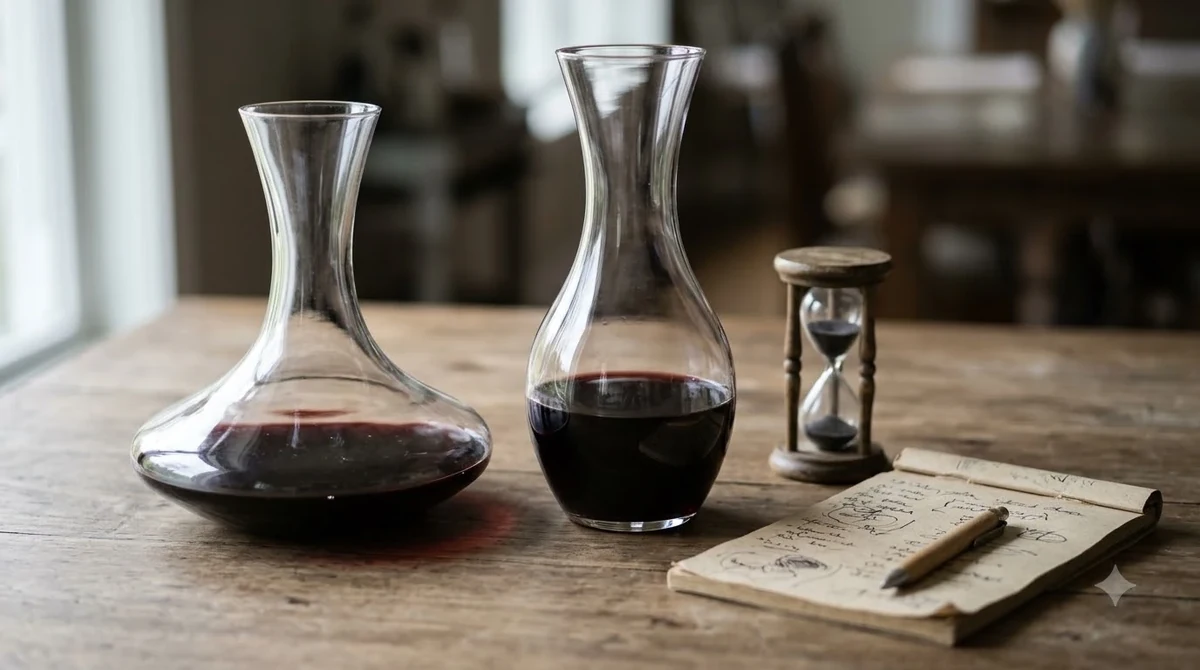
The Reserve is the most balanced starting point. Williams Sonoma describes it as hand-blown clear crystal, developed with sommeliers, winemakers and chefs; its product information lists an approximately 50-ounce capacity, a 4 1/4-inch diameter and a 9 3/4-inch height. The US listing says it is dishwasher safe and intended to aerate red and white wines while helping older reds show clearer color.
The Estate Stemware Decanter is a slightly smaller alternative at 42.3 ounces and 9 1/2 inches high. It is mouth-blown clear crystal, designed to aerate red and white wines and separate sediment from older bottles; Williams Sonoma also lists it as dishwasher safe. The Handled Decanter trades capacity for a more defined grip: it holds 28.75 ounces, stands 12 1/2 inches high and has a long narrow neck, wide base and integrated handle. It is hand-blown clear crystal and dishwasher safe, with the maker describing the neck as promoting drip-free dispensing.
Dorset is the largest option, with a 71-ounce capacity, a 7 1/2-inch diameter and a 9 3/4-inch height. Williams Sonoma describes its faceted, mouth-blown crystal as made in Slovenia, with a wide curved base intended to expose wine to oxygen; unlike the other three models, Dorset is hand-wash only.
| Model | Capacity | Dimensions | Material and care |
|---|---|---|---|
| Reserve Wine Decanter | Approx. 50 oz. | 4 1/4 in. diameter × 9 3/4 in. high | Hand-blown clear crystal; dishwasher safe |
| Estate Stemware Decanter | 42.3 oz. | 9 1/2 in. high | Mouth-blown clear crystal; dishwasher safe |
| Handled Decanter | 28.75 oz. | 12 1/2 in. high | Hand-blown clear crystal; dishwasher safe |
| Dorset Wine Decanter | 71 oz. | 7 1/2 in. diameter × 9 3/4 in. high | Mouth-blown crystal; hand-wash |
A standard 750-milliliter bottle holds about 25.4 fluid ounces, so even the 28.75-ounce Handled has a little extra room. The 42.3-, 50- and 71-ounce vessels leave more space for swirling or for pouring more than one bottle. Capacity is a maximum vessel measurement, not a suggestion to fill the decanter to the rim. Leave enough room to move the wine around the bowl without risking a splash over the lip, especially when carrying it from kitchen to table. Williams Sonoma’s design descriptions also distinguish shape from origin: the Handled and Reserve are listed as made in Turkey, while the Dorset is made in Slovenia. The specific origins do not determine how well a decanter aerates wine, but they help buyers tell the products apart when comparing near-identical clear-crystal photographs.
What Owners Like
The strongest appeal is the blend of presentation and useful wine service. Clear crystal keeps the wine’s color visible, while the familiar decanter shapes look appropriate on a dinner table rather than like temporary kitchen pitchers.
Independent owner-review patterns are not consistently available across the product listings reviewed, so it would be misleading to attribute specific long-term experiences to customers as a group. The most persuasive features are visible in the specifications: an integrated handle on the 28.75-ounce model, a moderate 4 1/4-inch footprint on the Reserve, and a 71-ounce capacity on the faceted Dorset. Those are concrete design benefits, not claims that every buyer reports the same experience.
The Handled model makes the clearest functional case for everyday service. Its grip helps when carrying a tall vessel from counter to table, and Williams Sonoma says the narrow neck is shaped to encourage breathing while promoting drip-free pouring. The Reserve and Estate are quieter designs for people who want a versatile vessel without a pronounced handle or an especially broad bowl. The Dorset is the visual centerpiece, with facets that catch light and a wide base that gives the wine generous contact with air. The range also has a consistent purpose: each vessel is designed for wine service, so shoppers do not have to confuse the broad-bowled wine decanters with Williams Sonoma’s separate spirit decanters. That distinction matters because a spirit decanter is usually selected to display and store a spirit rather than aerate a bottle of table wine.
Common Complaints
The main drawbacks are practical trade-offs of glass decanters, not a verified list of recurring customer complaints. The listings reviewed do not provide enough consistent owner feedback to establish a pattern of defects, so the points below are limitations to weigh before buying.
Large bowls take up space. Dorset is 7 1/2 inches wide and holds 71 ounces, so it needs a stable shelf and room to dry; the Reserve’s 4 1/4-inch diameter is easier to accommodate. The Handled model is the tallest at 12 1/2 inches, which may be awkward in a low cabinet or dishwasher rack even though its handle improves pouring control. Measure storage clearance rather than assuming a decanter will fit beside ordinary stemware.
Cleanup is another distinction: Williams Sonoma lists Reserve, Estate and Handled as dishwasher safe, but Dorset requires hand-washing. Reaching curved interior surfaces without knocking the crystal against a faucet or sink takes care. Crystal can still chip or break even when a model is dishwasher safe, so leave space between pieces and avoid forcing a long brush through a narrow neck. A simple, sturdy carafe may be the more sensible choice for crowded outdoor service or a household with very little storage. A decanter also needs somewhere safe to dry after washing; placing it upside down on a crowded rack can make the rim vulnerable to knocks. Buyers who want the convenience of dishwasher cleaning should favor one of the three models the brand lists as dishwasher safe rather than assuming every crystal shape has the same care instructions.
Finally, a decanter will not improve every bottle. Young, tannic Cabernet Sauvignon or Nebbiolo can benefit from 30 to 60 minutes of air, but delicate older Pinot Noir should be handled gently and served soon. The vessel is a useful tool for particular wines and service styles, not a mandatory stop for every bottle opened at dinner.
Tip: For a young, structured red such as Cabernet Sauvignon or Nebbiolo, start with 30 minutes in a wide decanter and taste again before leaving it longer. For an older red with sediment, prioritize a slow, careful pour and serve soon rather than giving it a long aeration window.
Who Should Buy and Who Should Skip
These pieces suit wine drinkers who regularly serve reds, appreciate clear crystal presentation and have enough room to store a breakable vessel. For a first and only wine decanter, the Reserve or Estate is the sensible starting point because both combine generous capacity with dishwasher-safe care.
The Reserve is the strongest all-round recommendation: its approximately 50-ounce capacity gives a standard bottle ample room, while its 4 1/4-inch diameter is less demanding than Dorset’s broad footprint. Choose Estate if a 42.3-ounce vessel and 9 1/2-inch height better suit the cabinet or table. Williams Sonoma describes both as suitable for red and white wines, with the ability to aerate younger bottles and separate sediment from older ones.
Choose Handled if pouring control matters more than maximum capacity. Its 28.75-ounce capacity is close to the volume of one standard bottle, and the integrated handle gives a natural grip when carrying it to guests. The 12 1/2-inch height should be checked against storage space. Choose Dorset if you entertain larger groups, want a centerpiece or expect to pour more than one bottle into the same vessel; its 71-ounce capacity and 7 1/2-inch bowl are the most expansive, but it is also the only hand-wash model.
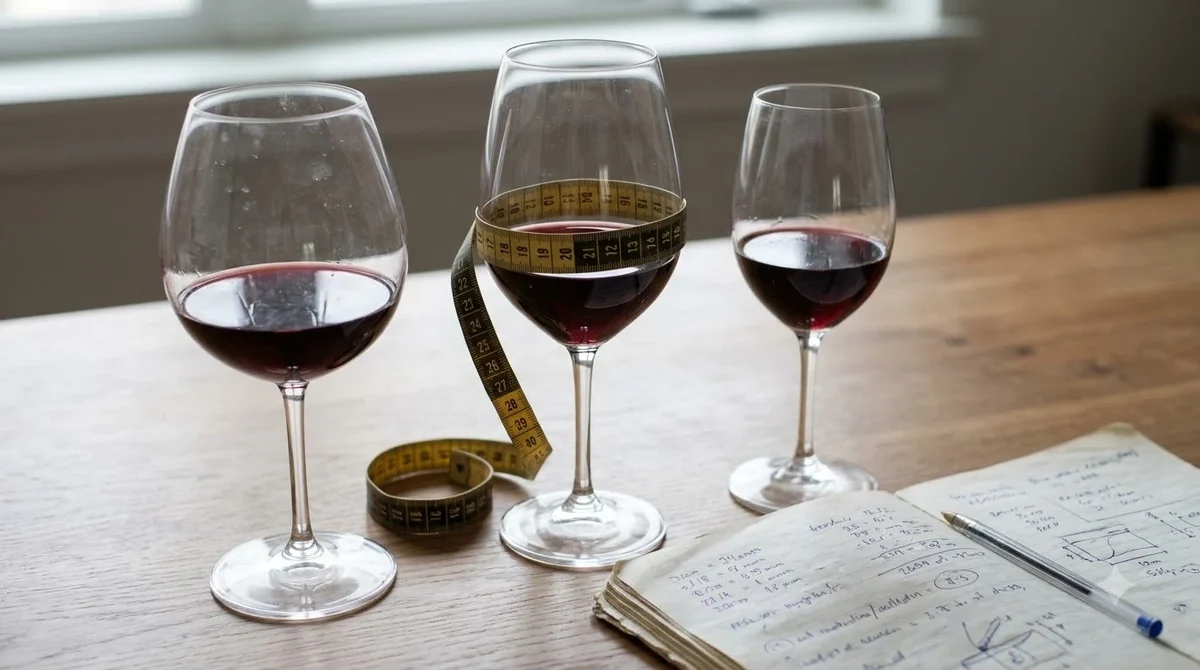
Skip the range if you rarely decant, dislike maintaining breakable glassware or mainly serve sparkling wine. A broad decanter is not the usual vessel for preserving bubbles, and light, immediately expressive whites may need no aeration. In that situation, versatile wine glasses may improve more everyday pours than adding a large glass vessel. A decanter is best treated as a supplement to appropriate stemware, not a replacement for it. Think about the glasses that will sit beside the decanter. A bowl suited to Cabernet Sauvignon or Pinot Noir can continue aroma-focused service after the wine has been aerated, so pairing a decanter with suitable red wine glasses is more useful than buying several accessories that do the same job.
How It Compares to Alternatives
Compared with a basic glass pitcher, a Williams Sonoma decanter offers a more deliberate combination of shape, capacity and table presentation. A pitcher can expose wine to air too, but a purpose-made decanter has a form suited to serving wine and, when sediment is present, lets the pourer inspect the stream as it enters the bowl.
You do not need a dedicated decanter just because a wine is red. The practical distinction is between aerating a young, closed wine and separating sediment from an older bottle. Wine.com’s decanting guide recommends about 30 to 60 minutes for young, tannic Cabernet Sauvignon, Petite Sirah and Nebbiolo, while older, delicate Pinot Noir, Chianti Classico and Rioja should be handled gently and served soon. The guide also notes that most everyday wines can be poured directly from the bottle.
Shape matters more than ornament when aeration is the goal. A broad base increases the wine’s exposed surface, and Wine Enthusiast explains that oxygen enters the wine during pouring while further changes can occur as it rests. The wide Dorset is the obvious choice for a generous bowl and a striking presentation; Reserve and Estate balance capacity with a smaller footprint. Handled is the clearest choice when grip and pouring control matter more than maximizing the bowl.
For sediment removal, the widest decanter is not automatically the best. The essential move is a slow transfer that leaves the solids in the bottle, rather than a long period of aeration. The Handled’s long neck and grip make it a sensible option for controlled pouring, although Williams Sonoma describes the Reserve and Estate as suitable for older wines as well. A plain carafe may be enough if decanting is an occasional step for one young red. A dedicated decanter makes more sense if you serve wine to guests often and value the crystal finish, table presence and defined pouring shape. A narrow vessel is useful for careful pours where you want to limit unnecessary air exposure, while a broad bowl gives a young, structured red more contact with oxygen. Reserve wins on overall balance, Estate is a slightly smaller alternative, Handled is most functional to carry, and Dorset is the most dramatic but also the most demanding to store and clean. Readers building out a full setup can compare our Glassware Brands overview; sparkling wine is better served in dedicated champagne flutes than in a broad wine decanter.
Frequently Asked Questions
These answers cover practical points that are easy to overlook: sediment behavior, reduced aromas, white-wine exceptions and the role of light during a careful pour.
Can a decanter remove a wine fault?
Decanting cannot repair cork taint, excess volatile acidity or a fundamentally faulty bottle. Wine Enthusiast notes that a rotten-egg or struck-match smell can indicate hydrogen sulfide, and 30 to 60 minutes of air may let that aroma dissipate enough for a fresh assessment.
Why is sediment more common in older red wine?
Pigments and tannins can combine over time and fall out of solution as sediment. Wine.com explains that sediment is rare in white wines because they contain fewer of these compounds and are usually fined or filtered; the solids are not considered harmful, but they can feel gritty.
How should a bottle be handled after it has been moved?
Stand an older bottle upright before opening so sediment can settle instead of staying suspended. Wine Enthusiast says a couple of days is ideal for a bottle stored horizontally, although even a few hours upright is better than none.
Can I use a decanter for a full-bodied white wine?
Yes, but keep the aeration brief and judge by the wine rather than applying a red-wine schedule. Wine.com names full-bodied Chardonnay, Semillon, Viognier, Marsanne and Roussanne as whites that may benefit from short aeration; light, crisp whites usually need less intervention.
What is the purpose of a light during sediment decanting?
A light behind or beneath the bottle neck makes it easier to see cloudy sediment approaching the shoulder. Wine.com describes using a candle or another light source while pouring slowly, then stopping before the sediment reaches the decanter.
Williams Sonoma’s decanters are thoughtfully shaped crystal pieces, but the best choice depends on how often you decant and how much room you have to store the vessel. Reserve is the most balanced starting point; choose Handled for pouring control, Estate for a slightly smaller capacity or Dorset for a large, hand-washed centerpiece.
More in Wine Glasses
 Zwiesel Glas Champagne Flutes for Durable Everyday Sparkling WineUpdated Nov 20, 2026
 Vera Wang Crystal Wine Glasses: Design, Quality and Buying AdviceUpdated Nov 20, 2026
 West Elm White Wine Glasses: Compare Designs for Better Everyday Wine ServiceUpdated Nov 20, 2026
 Zalto Stemless Wine Glasses: Discover Their Distinctive DesignsUpdated Nov 20, 2026
 Viski Champagne Glasses That Match Your Style and Sparkling WineUpdated Nov 20, 2026
 Vista Alegre Decanter Review: Crystal Style and Wine ServiceUpdated Nov 20, 2026