

We may earn a commission when you buy through links on this page, at no extra cost to you. Learn more.
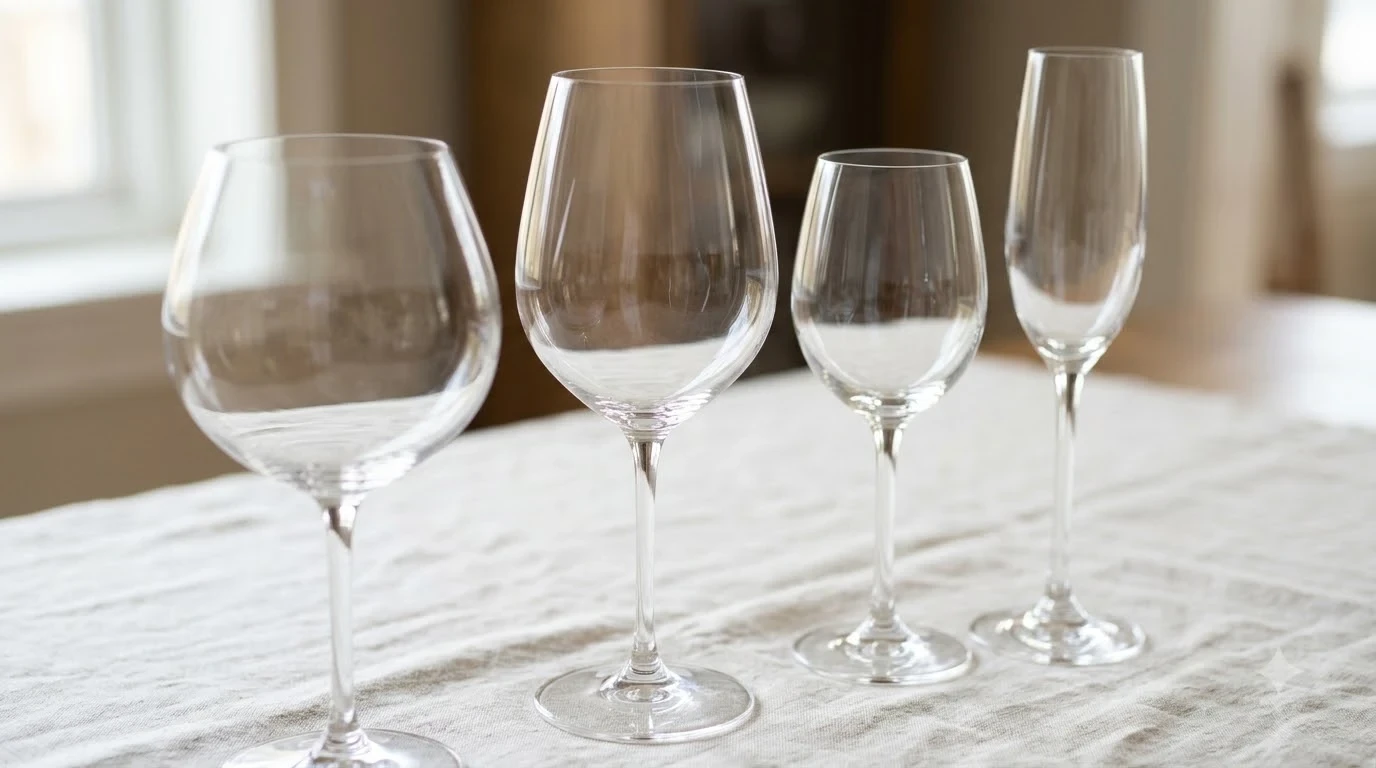
Zalto white wine glasses deliver unmatched aromatic precision and a nearly weightless feel for crisp, fruit-driven whites, rosé, and sparkling wines, though their paper-thin Austrian crystal demands careful handling. Part of the mouth-blown Zalto Denk’Art collection, this 420 ml stem eliminates thick rim barriers so cold, high-acid wines glide cleanly across the palate. Buyers get restaurant-caliber tasting clarity, balanced against high fragility and strict washing habits.
Designed in Gmünd, Austria, in collaboration with wine scholar Hans Denk, the Denk’Art White Wine stem occupies a focused role in fine glassware. While many drinkers gravitate toward oversized bowls, this narrower 81 mm profile concentrates delicate floral and citrus notes while keeping chilled pours cool longer.
Specs and Key Features of Zalto White Wine Glasses
The Zalto Denk’Art White Wine glass combines a 230 mm height, an 81 mm maximum bowl diameter, and a 420 ml capacity in a hand-blown, lead-free crystal frame weighing roughly 87 grams. Artisans in Austria’s Waldviertel region blow each vessel without seams or joints, creating straight, angled sidewalls and a razor-thin beadless lip.
According to manufacturer specifications from Zalto Glas GmbH, the Denk’Art series was shaped through extensive tasting prototypes led by Father Hans Denk. The bowl angles mirror the tilt angles of the Earth, a geometry intended to harmonize acidity and fruit expression rather than letting sharp edges dominate the palate. Because each piece is mouth-blown by glassmakers rather than pressed by machines, tiny variations in weight—typically within 10 percent of the 87-gram benchmark noted by retailer Borough Kitchen—reflect authentic handcraftsmanship.
Material composition plays a central role in how the stem performs at the table. Zalto uses 100 percent lead-free crystal that achieves high optical clarity without the heaviness of traditional leaded glass. When examined under magnification, the interior wall of mouth-blown crystal retains a microscopic texture rather than the glass-smooth finish of molded stems. That subtle surface drag increases contact area during a gentle swirl, helping volatile aromatics lift out of a 5-ounce pour even at refrigerator-chilled temperatures of 45°F to 50°F.
| Specification | Zalto Denk’Art White Wine | Zalto Denk’Art Universal (Reference) |
|---|---|---|
| Total Height | 230 mm (approx. 9.1 in) | 235 mm (approx. 9.3 in) |
| Maximum Bowl Width | 81 mm (approx. 3.2 in) | 91 mm (approx. 3.6 in) |
| Filling Capacity | 420 ml (approx. 14.2 oz) | 555 ml (approx. 18.8 oz) |
| Approximate Weight | 87 g (+/- 10%) | 110 g |
| Material & Construction | Mouth-blown, lead-free crystal | Mouth-blown, lead-free crystal |
| Origin | Waldviertel, Austria | Waldviertel, Austria |
| Care Rating | Dishwasher-safe (rack spaced) | Dishwasher-safe (rack spaced) |
Notice how the narrower 81 mm bowl distinguishes this model from the broader 91 mm Universal glass. A standard 5-ounce serving fills roughly a third of the 420 ml chamber, leaving ample headspace to trap aromatics without exposing too much surface area to warm room air. Anyone comparing dedicated stems across top white wine glasses will immediately recognize this tapered chimney silhouette as purpose-built for aromatic precision.
What Owners and Sommeliers Like
Wine professionals and home collectors consistently praise Zalto Denk’Art stemware for its vanishingly thin rim, easy balance in hand, and ability to highlight subtle minerality in crisp white wines. In blind tastings and dining rooms alike, the glass acts as a transparent conduit rather than a heavy barrier between the taster and the bottle.
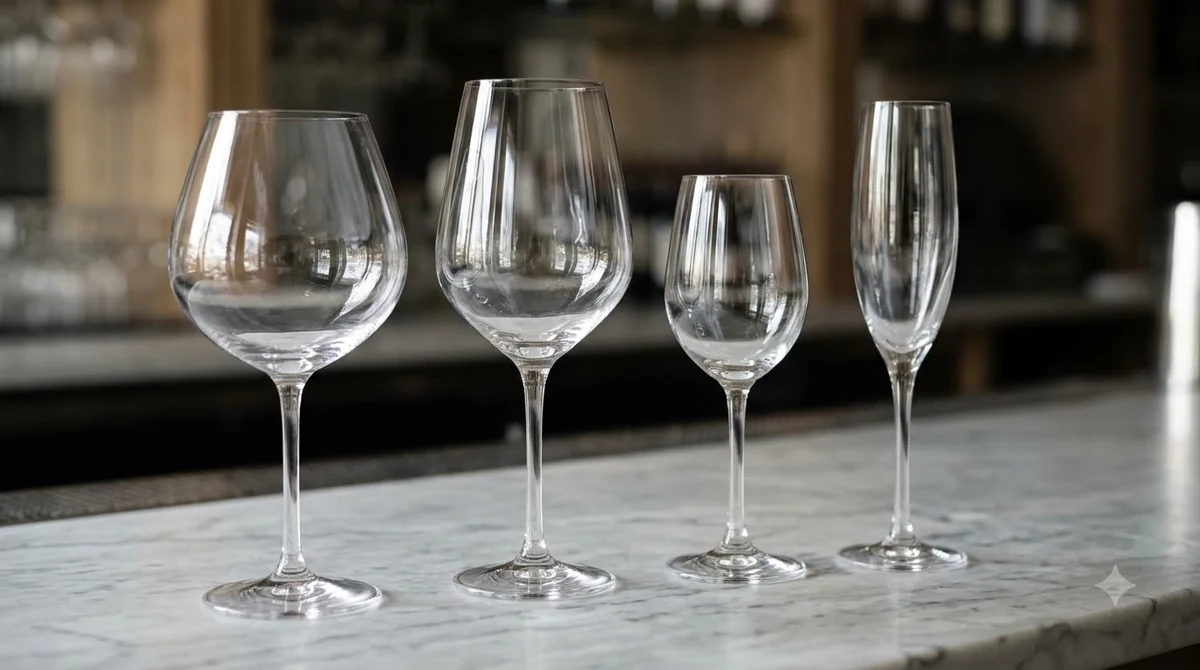
During comparative panel testing of 15 glasses, Serious Eats highlighted how Zalto Denk’Art crystal feels nearly weightless, noting that the paper-thin, beadless lip lets wine glide smoothly onto the tongue without the distracting bump found on rolled-rim stems. That tactile delicacy changes how a wine enters the mouth: instead of dumping liquid broadly across the palate, the narrow opening directs crisp white wine toward the tip of the tongue first, accentuating bright acidity and fresh orchard fruit.
Versatility across light-to-medium wine styles is another frequent highlight among owners. Zalto recommends the White Wine bowl specifically for Riesling Kabinett, Sauvignon Blanc, Muskateller, and noble late-harvest wines with residual sugar, as well as growers’ Champagne, Austrian Sekt, dry Sherry, Sake, and light pilsner-style beers. Owners who drink crisp Chablis, unoaked Pinot Grigio, or dry Provençal rosé served between 45°F and 50°F also appreciate that the compact 420 ml volume keeps wine chilled noticeably longer than oversized 765 ml or 960 ml bowls.
Despite its gossamer appearance, the lead-free crystal formulation offers surprising elasticity and dishwasher compatibility when loaded properly. In fact, restaurant wine directors interviewed by Serious Eats pointed out that running fine crystal through a properly spaced dishwasher cycle often results in fewer breaks than hand-washing in a crowded sink, because mechanical racks eliminate manual twisting pressure on the slender stem.
Common Complaints and Fragility Trade-Offs
The primary drawback of Zalto white wine glasses is extreme structural fragility, paired with strict care requirements and occasional supply shortages. Because the walls and stem are drawn so thin, a minor bump against a faucet, a hard counter, or another glass can snap the stem or chip the rim instantly.

Reviewer feedback across Serious Eats and The Spruce Eats repeatedly underscores how quickly careless handling leads to breakage. One wine journalist at The Spruce Eats noted snapping a Zalto stem within days of unboxing it, warning that hand-washing and towel-drying pose the highest risk. Twisting the bowl in one hand while gripping the foot in the other applies rotational torque directly to the narrowest point of the stem, causing a clean break. Warranty terms from retailers such as Borough Kitchen cover only visible manufacturing defects, meaning accidental drops or washing snaps are never replaced under warranty.
Chemical sensitivity and staining present secondary maintenance hurdles. Care guidelines published by Wine Enthusiast explicitly warn owners to avoid phosphate-free dishwasher detergents, which can etch or damage fine crystal over repeated cycles, and to open the dishwasher door right after washing so trapped hot steam does not stress the glass. Additionally, The Spruce Eats cautions against leaving red wine residue sitting inside Zalto bowls overnight, as the microscopic texture of mouth-blown crystal can absorb pigment stains if left unwashed.
Tip: Never hold the base of a Zalto glass while twisting a polishing cloth inside the bowl. Instead, cradle the bowl gently in one palm with a soft microfiber towel while polishing the rim, and open your dishwasher door immediately after a cycle finishes to let excess steam escape.
Availability can also frustrate buyers trying to replace a single broken stem. Because every piece is mouth-blown by skilled artisans in Austria rather than stamped out on automated lines, seasonal demand routinely depletes US stock at specialty wine retailers, leaving collectors waiting weeks to rebuild a matching set of four or six.
Who Should Buy and Who Should Skip
Zalto white wine glasses are built for dedicated wine drinkers who regularly open aromatic, high-acid whites, sparkling wines, or light reds and are willing to follow careful washing habits. Casual hosts, outdoor entertainers, and households seeking worry-free everyday stemware should skip them in favor of sturdier machine-made crystal.
Who Should Buy
- Drinkers of crisp, aromatic whites and bubbles. If your cellar or wine fridge leans toward Mosel Riesling, Loire Sauvignon Blanc, Grüner Veltliner, unoaked Chardonnay, or grower Champagne, the 81 mm bowl focuses delicate aromatics better than wide all-purpose stems.
- Detail-oriented tasters and dinner hosts. Anyone who notices the difference between a thick rolled rim and a smooth, beadless lip will immediately appreciate how easily this 87-gram glass disappears in the hand.
- Owners with a dedicated dishwasher rack setup. Buyers who have tall upper racks with secure stemware tines—and who use minimal, phosphate-containing detergent—can clean these glasses safely without hand-drying stress.
Who Should Skip
- Fans of rich, heavily oaked white wines. Full-bodied Napa Chardonnay, white Burgundy aged in new oak, and skin-contact orange wines served at 50°F to 55°F need wider aeration; Zalto recommends its larger Universal, Balance, or Burgundy shapes for those styles.
How Zalto White Wine Glasses Compare to Alternatives
Within Zalto’s own catalog and across the broader market of fine stemware, the Denk’Art White Wine glass stands out for its narrow 81 mm bowl (per Zalto Glas GmbH), featherlight build, and sharp angular geometry. Choosing between this dedicated white-wine stem and nearby alternatives comes down to whether you prioritize crisp aromatic focus or all-purpose versatility and durability.
Inside the Denk’Art line, the closest sibling is the Zalto Universal glass, which Zalto Glas GmbH lists at 235 mm tall and 91 mm wide with a 555 ml capacity—135 ml larger than the White Wine model. According to Zalto Glas GmbH, the Universal stem suits medium- to full-bodied wines with fine minerality, including richer Riesling Spätlese, white Burgundy, and lighter red wines. Meanwhile, for opulent, barrel-fermented Chardonnay or high-alcohol white wines that benefit from broad oxygenation, Zalto Glas GmbH points drinkers toward its 113 mm-wide Balance glass (590 ml) or 125 mm-wide Burgundy bowl (960 ml) rather than the narrower White Wine stem.
Outside the Austrian workshop, comparative testing by Serious Eats evaluated Zalto Denk’Art stemware alongside five prominent competitors: Josephinenhütte Josephine No. 2, Glasvin Universal, Riedel VINUM, Schott Zwiesel Tritan, and Libbey Signature Kentfield. Josephinenhütte—designed by former Zalto designer Kurt Josef Zalto—shares a comparable hand-blown featherweight feel, while Glasvin offers a similarly thin hand-blown profile with a slightly wider bowl. By contrast, machine-made Riedel VINUM and titanium-reinforced Schott Zwiesel Tritan glasses feel noticeably heavier in hand and feature thicker rims, yet tolerate daily dishwasher cycles and busy dinner parties with far lower breakage risk.
Drinkers building a specialized stemware cabinet often pair the 81 mm-wide Zalto White Wine glass (per Zalto Glas GmbH) with dedicated red wine glasses for tannic Cabernet Sauvignon or mature Pinot Noir, rather than stretching one compact 420 ml bowl across every bottle in the cellar.
Care, Washing, and Storage Best Practices
Proper care keeps mouth-blown Zalto crystal clear, odor-free, and intact for years, whereas standard kitchen habits often lead to snapped stems or cloudy mineral buildup. Treating these glasses with a consistent post-tasting routine eliminates almost all common causes of accidental damage.
Start by rinsing each glass with warm water as soon as dinner ends, especially if you poured rosé, light red wine, or unfiltered natural wine. As noted by The Spruce Eats, the microscopic texture of hand-blown crystal can trap pigments and organic residue if wine sits overnight. Avoid hot tap water shocks, and avoid placing Zalto stems loosely in a sink alongside plates or silverware.
For thorough cleaning, follow the dishwasher protocol outlined by Wine Enthusiast: place glasses securely on the top rack so bowls cannot knock against neighboring dishes during wash jets, use a small dose of standard phosphate-containing dishwasher detergent rather than phosphate-free formulas, and select a gentle warm cycle. Immediately after the cycle finishes, crack the dishwasher door open so trapped steam escapes rather than condensing on the crystal. If cloudy hard-water film ever appears over time, Wine Enthusiast recommends soaking the bowl briefly in lukewarm water dissolved with a denture-cleaning tablet, rinsing thoroughly, and blotting dry with a clean, lint-free cotton or microfiber cloth.
Between tastings, store Zalto stems upright on a flat shelf inside an enclosed cabinet rather than upside down on their delicate rims or hanging from tight metal racks that press against the foot. Keeping cabinets free of scented candles, spices, or strong wood polish also prevents the porous crystal walls from absorbing odors before your next pour.
Frequently Asked Questions
Can you serve sparkling wine or Champagne in Zalto white wine glasses?
Yes, Zalto Glas GmbH explicitly lists growers’ Champagne and Austrian Sekt among the ideal pairings for the Denk’Art White Wine glass. Compared to narrow traditional flutes, the 81 mm bowl reported by Zalto Glas GmbH gives bottle-fermented sparkling wines enough breathing room to express brioche, toasted nut, and orchard-fruit aromatics while preserving lively bead persistence when served chilled.
Why are Zalto Denk’Art white wine glasses angled the way they are?
According to Zalto Glas GmbH, the distinct geometric angles of the Denk’Art bowls were calibrated with Austrian wine expert Hans Denk to mirror the tilt angles of the Earth—24, 48, and 72 degrees. This sloped wall design guides liquid smoothly toward the center of the palate while maximizing aromatic surface area inside a compact 420 ml vessel (per Zalto Glas GmbH).
Do Zalto white wine glasses contain lead?
No, Zalto Glas GmbH states that Denk’Art crystal is lead-free, using mineral oxides to achieve brilliance and clarity without traditional lead oxide. Removing lead keeps each mouth-blown glass exceptionally light while allowing safe dishwasher cleaning when properly spaced.
How full should you pour a Zalto Denk’Art White Wine glass?
A standard 5-ounce (about 148 ml) wine pour fills roughly one-third of the glass’s 420 ml total capacity (as listed by Zalto Glas GmbH), stopping just below the widest 81 mm point of the bowl. Leaving that upper space empty creates a generous aromatic chimney for swirling while keeping chilled white wine away from warm hands.
What does the Zalto manufacturer warranty cover if a glass breaks?
Retailer warranty policies, such as those published by Borough Kitchen, cover only visible manufacturing defects present upon arrival rather than accidental breakage during washing, drying, or entertaining. Because each piece is mouth-blown and paper-thin, owners who want extra protection should inspect rims and stems immediately upon delivery and store them in padded boxes when not in use.
For wine lovers who treasure crisp Riesling, Sauvignon Blanc, dry rosé, and grower Champagne, Zalto white wine glasses offer remarkable sensory clarity that heavier stems rarely match. Pairing their featherlight Austrian craftsmanship with gentle dishwasher habits and upright cabinet storage lets you enjoy every subtle nuance in the bottle without unnecessary breakage—and if you want to compare other materials and shapes before buying, explore additional Glassware Brands suited to your table.
More in Wine Glasses
 Zwiesel Glas Champagne Flutes for Durable Everyday Sparkling WineUpdated Nov 20, 2026
 Vera Wang Crystal Wine Glasses: Design, Quality and Buying AdviceUpdated Nov 20, 2026
 West Elm White Wine Glasses: Compare Designs for Better Everyday Wine ServiceUpdated Nov 20, 2026
 Zalto Stemless Wine Glasses: Discover Their Distinctive DesignsUpdated Nov 20, 2026
 Viski Champagne Glasses That Match Your Style and Sparkling WineUpdated Nov 20, 2026
 Vista Alegre Decanter Review: Crystal Style and Wine ServiceUpdated Nov 20, 2026