

We may earn a commission when you buy through links on this page, at no extra cost to you. Learn more.
Grassl wine glasses are premium, lightweight, mouth-blown crystal glasses designed to bring out the aromas and character of different wine styles. Their Vigneron collection offers specialized shapes for delicate whites, aromatic reds, and fuller-bodied wines, while the Elemental collection provides more practical options for everyday drinking. They are particularly appealing to serious wine enthusiasts who value refined glassware, although their delicate construction and premium positioning may not suit every household.
Grassl Glass takes a wine-focused approach to stemware, emphasizing bowl proportions, light weight, and traditional craftsmanship rather than decorative details. The collection includes several distinct designs, so choosing the right model matters more than simply selecting the largest or most expensive glass. This review examines the construction, individual models, owner feedback, practical limitations, and alternatives to consider before investing in Grassl glassware.
Specs and Key Features
Grassl wine glasses combine lead-free crystal, mouth-blown production, and model-specific bowl designs. The Vigneron series is the more specialized collection, while the Elemental series offers a more approachable selection for regular home use.
According to the manufacturer, the glassmaking process begins with an oxy-fuel-fired furnace that melts glassmaking sand, soda, dolomite, potassium compounds, and recycled glass at approximately 1,700 degrees Celsius. Grassl describes the resulting material as a lead-free molten glass with characteristics resembling pure rock crystal. This approach supports the company’s emphasis on clarity, thin construction, and lightweight handling. The official Grassl Glass collection provides an overview of its Vigneron and Elemental models.
Craftsmanship is another important part of the product’s identity. Grassl states that consistent production requires approximately 20 years of glassmaking experience. Five artisans participate in shaping a single stemmed glass during the hot-working phase, followed by slow cooling and five additional finishing steps. This is a labor-intensive process compared with the automated production used for many conventional wine glasses.
The main Vigneron models have different capacities and intended wine styles. The smaller Mineralité is designed for light-bodied whites and sparkling wines, while Liberté focuses on crisp, fresh wines and aromatic precision. Cru is intended for lighter-bodied, aromatic reds, and 1855 provides a larger bowl for fuller-bodied reds.
| Model | Collection | Capacity | Intended use |
|---|---|---|---|
| Mineralité | Vigneron | 430 ml | Light-bodied whites and sparkling wine |
| Liberté | Vigneron | 460 ml | Crisp whites and fresh sparkling wines |
| Cru | Vigneron | 670 ml | Aromatic, light-bodied reds |
| 1855 | Vigneron | 760 ml | Full-bodied red wines |
| Versatile | Elemental | 420 ml | Red, white, and rosé |
| Champagne | Elemental | 310 ml | Sparkling wine |
| Water | Elemental | 300 ml | Water service |
These specifications illustrate why Grassl does not treat every wine glass as interchangeable. A 670 ml Cru offers considerably more bowl volume than the 430 ml Mineralité, even though both belong to the same premium collection. Capacity describes the glass’s total volume, not the amount of wine that should be poured into it. A conventional 5-ounce serving leaves plenty of room for aromas to collect above the wine.
The manufacturer also offers a 1,000 ml Vigneron decanter and an 800 ml Elemental carafe. These accessories extend the collection beyond individual drinking glasses, although they serve different purposes: a decanter provides space for aeration and sediment separation, while a carafe offers a practical vessel for serving.
For additional context on selecting bowl sizes and matching glass shapes to different wine styles, the wine glasses buying guide provides a useful comparison of general glassware considerations.
What Owners Like
Owner feedback and specialist retailer descriptions consistently emphasize three characteristics: low weight, attractive proportions, and the ability to showcase wine aromas. The glasses appeal most to people who enjoy paying attention to subtle differences between individual bottles.
Weight is one of the first characteristics that attracts attention. The Vigneron glasses have extremely thin walls and a delicate feel compared with ordinary household stemware. Ansonia Wines describes the experience as almost weightless, emphasizing the way the glasses encourage more attentive wine drinking. That light construction also gives the collection a refined appearance without relying on elaborate decoration.
Shape is another recurring positive. The Cru has a generous bowl with a relatively narrow opening, making it a particularly interesting choice for Pinot Noir and other aromatic reds. The large bowl gives wine room to move and release aromas, while the narrower rim helps concentrate those aromas toward the nose.
The distinction becomes clearer when comparing the Cru with the 1855. Although both have generous bowls, the 1855 has a greater overall capacity and is intended for wines with more body and concentration. Someone who regularly drinks red Burgundy, Oregon Pinot Noir, or elegant Italian reds may prefer the Cru, whereas a Cabernet Sauvignon or Bordeaux enthusiast may find the 1855 more suitable.
Retailer feedback also highlights the balance between elegance and usability. On the CJF Selections Cru product page, an owner describes the glasses as lightweight and elegant while reporting that they remain sufficiently practical for regular handling. Another owner mentions using the dishwasher, which is encouraging for buyers who do not want every cleaning session to require handwashing.
The manufacturer’s emphasis on functional design also gives the collection a coherent identity. These glasses are not simply decorative pieces intended to look impressive in a cabinet. Their different shapes are meant to support particular wine categories, and the distinctions between the models have practical implications at the table.
Another positive is the availability of different collection styles. Buyers do not have to commit to the most specialized Vigneron glasses to experience the brand. The Elemental Versatile provides a more general-purpose alternative, making it possible to choose a Grassl glass for ordinary dinners without relying exclusively on delicate specialist stemware.
For people who already own conventional stemware, the Cru and 1855 can also serve as dedicated glasses for special bottles. A household does not necessarily need to replace every existing glass to benefit from the more specialized designs.
Overall, the strongest appeal is the combination of light handling and purposeful proportions. The collection is especially interesting for wine drinkers who appreciate the aromatic differences between Burgundy, Bordeaux, Syrah, Chardonnay, and other distinct styles.
Common Complaints
The main disadvantages of Grassl glassware involve delicate construction, replacement considerations, and the possibility of paying for specialized designs that a casual wine drinker may not need. Its premium positioning makes these practical issues important before purchasing.
The first consideration is breakage risk. Thin, lightweight crystal feels refined, but it does not provide the same reassuring thickness as many everyday household glasses. Accidental knocks against a faucet, countertop, another glass, or a hard sink surface can cause damage. Careful handling is therefore part of owning the Vigneron collection.
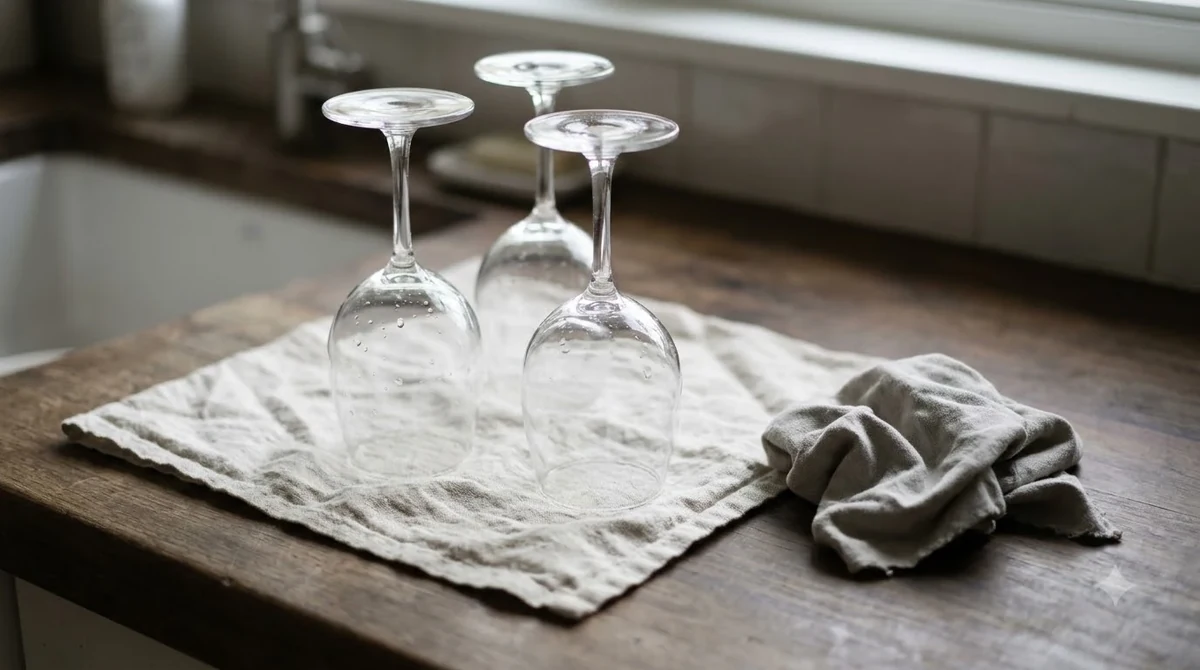
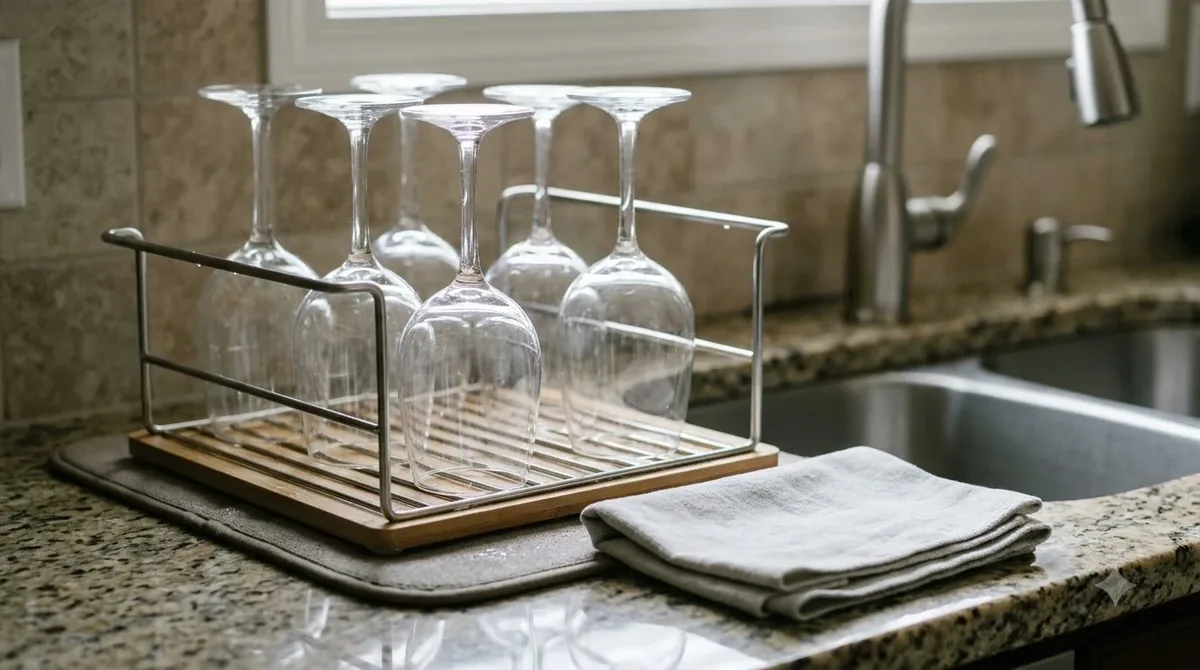
There is also a difference between dishwasher suitability and careless cleaning. The Cru is identified by its US retailer as dishwasher safe, meaning the manufacturer and seller do not position it as strictly handwash-only stemware. However, a dishwasher-safe designation does not eliminate the risk of glasses striking one another during a wash cycle.
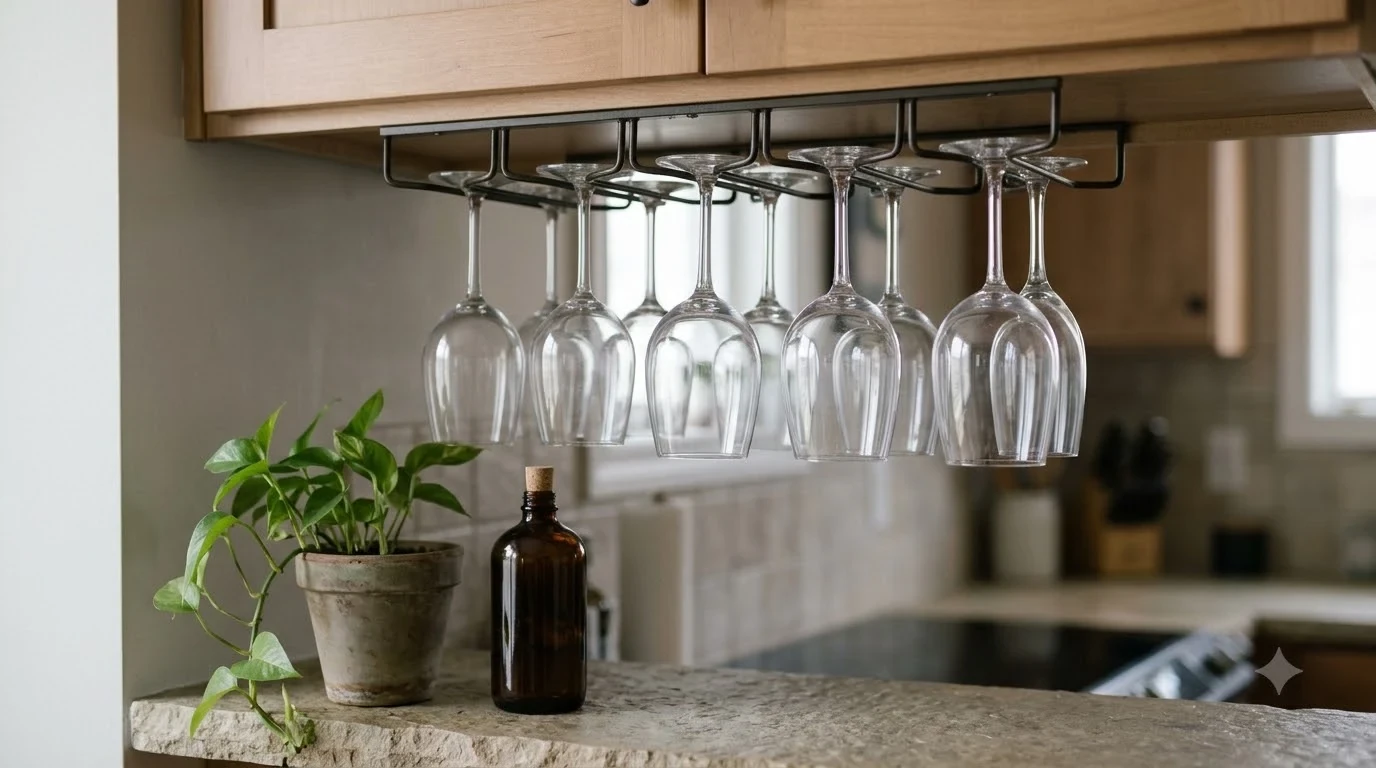
Storage can create similar problems. Thin stems and delicate rims should not be crowded together in a cabinet. A glass that is difficult to remove because other stemware is packed tightly around it is more likely to be knocked against neighboring items.
Availability is another potential frustration. Grassl operates through official regional distributors, so the purchasing experience depends on the buyer’s country and local stockists. Not every retailer will carry every model, and finding matching replacement pieces may require ordering from a specialist seller.
There is also a learning curve when selecting models. A buyer who simply wants one attractive glass for red and white wine may find the distinctions between Mineralité, Liberté, Cru, and 1855 unnecessarily complicated. These are specialized designs, and their advantages are most relevant to people who regularly drink a variety of wine styles.
Some owners may also find the very lightweight construction less reassuring than a heavier glass. Preferences differ: one person may appreciate the almost weightless feel, while another may prefer a substantial stem and thicker rim. Neither preference makes one design universally better.
Finally, a specialized bowl cannot transform an ordinary bottle into an exceptional wine. Glass shape can influence how aromas are perceived and how wine reaches the palate, but the quality of the wine, serving temperature, storage, and freshness remain important. The benefit of premium stemware should be understood as a refinement of the drinking experience rather than a substitute for wine quality.
Tip: If breakage is a major concern, start with one Elemental Versatile glass before buying several Vigneron models. This gives you an opportunity to assess Grassl’s lightweight feel and handling characteristics without immediately committing to the more delicate specialized collection.
Who Should Buy and Who Should Skip
Grassl makes the most sense for wine enthusiasts who regularly open interesting bottles and appreciate differences in aroma, texture, and structure. It is less compelling for households that prioritize inexpensive, thick-walled glasses or need stemware that can tolerate frequent rough handling.
Buy Grassl if you regularly drink aromatic wines. Pinot Noir, Burgundy, Nebbiolo, Chardonnay, and Bordeaux blends can all benefit from thoughtful glass selection. The Cru and 1855 provide particularly clear distinctions for red wine drinkers who enjoy comparing different regional styles.
For example, a person who regularly serves Oregon Pinot Noir and Burgundy may find the Cru a useful dedicated glass. Its 670 ml capacity and relatively narrow opening provide room for aromas to develop without making the opening excessively wide.
Buy Grassl if craftsmanship matters to you. The mouth-blown construction and detailed production process will appeal to buyers who value traditional glassmaking. These are also attractive choices for people who enjoy setting a carefully arranged dinner table with understated, elegant stemware.
Consider Grassl if you entertain wine-focused guests. A collection of specialized glasses can make a wine dinner feel more considered, especially when different bottles are served with different courses. For instance, Mineralité can accompany a crisp white aperitif, Cru can be used for Pinot Noir, and 1855 can follow with a richer Cabernet-based wine.
However, there are several situations where another type of glass makes more sense.
Skip the Vigneron series if you need heavy-duty everyday glasses. Busy households with children, frequent gatherings, or limited cabinet space may find the lightweight construction inconvenient. The Elemental Versatile is the more sensible Grassl option for these situations, but even that glass deserves sensible handling.
Skip specialized models if you rarely drink wine. Someone who opens an occasional bottle of inexpensive Merlot or Sauvignon Blanc probably does not need four different bowl shapes. A well-designed universal glass will cover most ordinary meals without requiring a specialized collection.
Consider alternatives if you prefer stemless designs. Grassl’s main appeal is its traditional stemmed construction. Buyers who prioritize stability, compact storage, or casual outdoor use may prefer comparing the options in the stemless wine glasses guide.
Likewise, people who mainly drink Cabernet Sauvignon, Syrah, and other structured reds should compare bowl shapes before choosing a model. The red wine glasses guide provides additional context for selecting suitable stemware.
How It Compares to Alternatives
Grassl occupies a specialized part of the premium wine-glass market, with an emphasis on lightweight construction and distinct wine-oriented shapes. Its most meaningful comparison is not simply with another expensive glass, but with the different ways wine drinkers approach stemware.
One alternative is a conventional universal wine glass. Universal glasses are designed to work across a broad range of wines, reducing the need for several separate models. They are particularly practical for households that drink red, white, and rosé wines but do not want to dedicate cabinet space to specialist stemware.
Grassl’s Elemental Versatile is the closer choice for this type of buyer. Its 420 ml capacity accommodates a range of wine styles, and its design is intended for red, white, and rosé. It offers a more straightforward way to own Grassl glassware without purchasing multiple Vigneron models.
A second comparison is between specialist glasses and larger, more traditional red wine bowls. The Cru and 1855 demonstrate why capacity alone should not determine a purchase. Both are large glasses, but the Cru is designed for aromatic, lighter-bodied reds, while 1855 is aimed at fuller-bodied wines.
That distinction matters when comparing Pinot Noir with Cabernet Sauvignon. Pinot Noir typically has lower-to-medium tannin and relatively high acidity, while Cabernet Sauvignon has high tannin. A glass selected for aromatic finesse is not necessarily the most appropriate choice for a concentrated, structured red.
Another consideration is whether a buyer wants a dedicated Burgundy glass. The Cru is the natural Grassl choice for this purpose, while the 1855 offers a different profile for Bordeaux-style wines. Ansonia Wines also identifies Cru with Burgundy and 1855 with Bordeaux, reinforcing the intended distinction between these two models.
For a more general brand comparison, the Glassware Brands directory can help readers explore other approaches to wine-glass design. Comparing construction, intended use, and ease of replacement is more useful than choosing solely on appearance.
Grassl’s biggest advantage is the clear relationship between its different glass shapes and wine styles. Its potential disadvantage is that this specialization requires more decisions from the buyer. Someone who wants a simple set of four matching glasses may prefer a universal design, while someone who enjoys opening different bottles throughout the week may appreciate having several dedicated shapes.
There is also an important distinction between buying individual glasses and purchasing a complete collection. A specialist retailer lists Vigneron stemware as available in individual packaging as well as cartons of six. This gives buyers the option to build a small collection gradually rather than purchasing several specialized glasses immediately.
For most people considering Grassl for the first time, the Elemental Versatile is the logical starting point. Wine enthusiasts with a strong preference for Burgundy and aromatic reds can move directly to Cru, while those who frequently serve structured reds may prefer 1855.
Frequently Asked Questions
Where are Grassl wine glasses designed and made?
Grassl Glass identifies its company as Grassl Glass AG, based in Altendorf, Switzerland. A specialist retailer, Ansonia Wines, describes the glasses as designed in Switzerland and crafted in Slovakia. The company’s identity therefore combines Swiss design with traditional glassmaking craftsmanship.
Do Grassl wine glasses contain lead?
No. Grassl identifies its glassware as lead-free crystal. Its published material description includes glassmaking sand, soda, dolomite, potassium compounds, and recycled glass. The manufacturer describes the resulting material as resembling pure rock crystal.
Can Grassl wine glasses be used for nonalcoholic drinks?
Yes. The Elemental Water glass is specifically designed for water service, and the Versatile can accommodate a range of ordinary beverages. The glasses can also be used for sparkling water, although their delicate construction makes them less suitable for situations where they might be knocked around frequently.
Does Grassl make accessories besides drinking glasses?
Yes. The collection includes a 1,000 ml Vigneron decanter and an 800 ml Elemental carafe. Grassl also lists accessories such as a travel bag, polishing cloths, a stopper, and a spittoon. These products allow buyers to coordinate wine service beyond the drinking glasses themselves.
Can Grassl glasses be purchased individually?
Yes. Specialist retailers list individual packaging options alongside larger cartons for selected Vigneron models. Individual purchasing is useful when replacing a damaged glass or gradually building a collection around specific wine styles. Availability depends on the retailer and regional distributor.
Grassl wine glasses are a compelling choice for people who appreciate refined craftsmanship, lightweight handling, and wine-specific bowl shapes. The Vigneron series is particularly interesting for serious enthusiasts, while the Elemental Versatile offers a more practical entry point. Choose according to the wines you drink most often and how carefully you are prepared to handle premium stemware.
More in Wine Glasses
 Zwiesel Glas Champagne Flutes for Durable Everyday Sparkling WineUpdated Nov 20, 2026
 Vera Wang Crystal Wine Glasses: Design, Quality and Buying AdviceUpdated Nov 20, 2026
 West Elm White Wine Glasses: Compare Designs for Better Everyday Wine ServiceUpdated Nov 20, 2026
 Zalto Stemless Wine Glasses: Discover Their Distinctive DesignsUpdated Nov 20, 2026
 Viski Champagne Glasses That Match Your Style and Sparkling WineUpdated Nov 20, 2026
 Vista Alegre Decanter Review: Crystal Style and Wine ServiceUpdated Nov 20, 2026