

We may earn a commission when you buy through links on this page, at no extra cost to you. Learn more.
Williams Sonoma Champagne glasses are a strong choice for elegant entertaining, particularly if you want well-designed flutes with distinctive shapes, clear crystal construction and practical options for different occasions. The Estate Champagne Flutes stand out for their mouth-blown crystal construction, 10-inch height and classic presentation. However, Williams Sonoma also offers alternatives such as Open Kitchen, Modern Optic and Reserve Optic, each with different capacities, materials and cleaning requirements. The best choice depends on whether you prioritize crystal clarity, everyday convenience, decorative details or a larger serving capacity.
Williams Sonoma approaches Champagne glassware as part of a coordinated entertaining collection rather than treating every sparkling-wine glass as interchangeable. Its selection includes traditional narrow flutes, contemporary faceted designs, crystal stemware and decorative options. That variety makes the brand appealing to shoppers furnishing a home bar, preparing a wedding registry or replacing basic party glasses with something more refined. This review examines the principal differences, practical advantages and potential drawbacks so you can choose a set that suits your table and drinking habits.
Specs and Key Features of Williams Sonoma Champagne Glasses
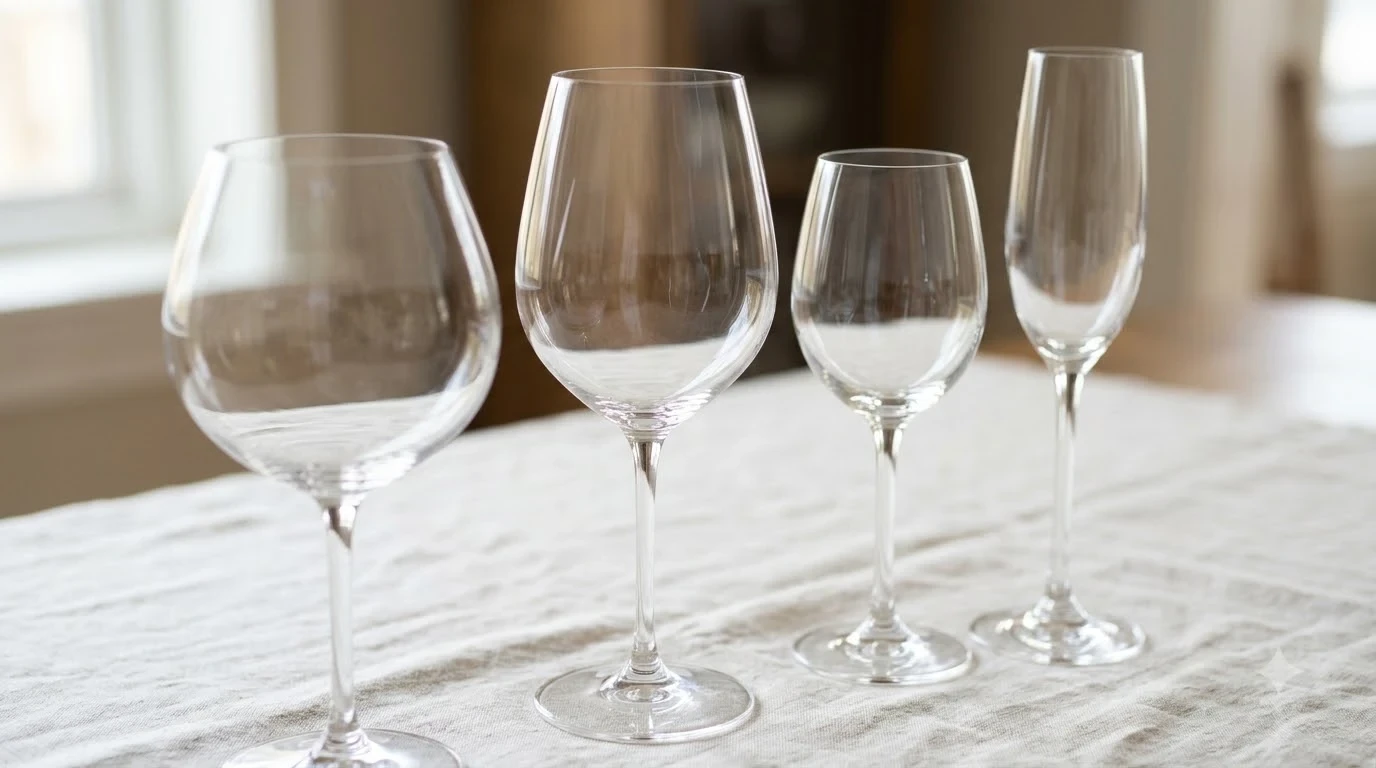
Williams Sonoma’s Champagne glass selection includes several distinct designs, but the Estate Champagne Flutes are a particularly useful starting point. Their mouth-blown crystal construction, tall silhouette and relatively compact bowl are intended to present sparkling wines elegantly while maintaining their visible stream of bubbles.
The Estate collection is designed in-house in collaboration with sommeliers, winemakers and chefs, according to Williams Sonoma. The manufacturer describes its narrow bowl as a way to preserve bubbles and direct them upward through the wine. This makes the design appropriate for traditional Champagne service as well as Prosecco, Cava and other Champagne-style sparkling wines.
The following comparison separates the major characteristics of several Williams Sonoma collections. These are different product lines rather than interchangeable versions of one glass, so capacity, materials and maintenance requirements deserve particular attention.
| Collection | Material | Capacity | Height | Care |
|---|---|---|---|---|
| Estate | Mouth-blown clear crystal | 5.9 oz. | 10 in. | Dishwasher safe |
| Open Kitchen | Crystal | 7 oz. | 8.75 in. | Dishwasher safe |
| Modern Optic | Mouth-blown, fire-polished glass | 5.5 oz. | 9.25 in. | Hand wash |
| Reserve Optic | Mouth-blown clear crystal | 9.1 oz. | 10 in. | Hand wash |
| Vintage Etched | Glass | 6 oz. | 9 in. | Dishwasher safe |
These specifications come from the respective Williams Sonoma product descriptions. They represent listed capacities rather than recommended pouring amounts. A glass with a 9.1-ounce capacity does not need to be filled to the rim; a smaller serving leaves room for the wine’s aromas and reduces the likelihood of spills.
The Estate line is particularly appealing if crystal construction and a traditional flute silhouette are priorities. Its 5.9-ounce capacity is relatively compact, which encourages smaller pours and keeps the presentation focused on the sparkling wine. The Open Kitchen option provides a slightly larger 7-ounce capacity in a shorter 8.75-inch profile.
For shoppers who prefer visual texture, Modern Optic has a faceted exterior and smooth interior. Reserve Optic offers a larger 9.1-ounce bowl, while Vintage Etched introduces a decorative floral pattern. These differences matter because the appearance of the glass, its proportions and the amount of space available for the wine can change the overall serving experience.
Williams Sonoma’s published specifications also show why it is important not to assume that all its Champagne glasses have identical maintenance requirements. Estate, Open Kitchen and Vintage Etched are listed as dishwasher safe, whereas Modern Optic and Reserve Optic require hand washing.
What Owners and Buyers May Like About the Design
The strongest attraction of Williams Sonoma Champagne glasses is their combination of presentation and variety. The brand offers traditional stemware alongside decorative and contemporary collections, making it easier to coordinate sparkling-wine service with different dining-room styles.
The Estate Champagne Flutes have an especially classic appearance. Their 10-inch height creates a formal silhouette, while the clear crystal construction keeps attention on the wine rather than decorative embellishments. This is useful for Champagne receptions, anniversary dinners and holiday celebrations where a coordinated set of tall glasses contributes to the table setting.
Another advantage is the attention paid to the relationship between the bowl and sparkling wine. A narrow flute helps display the bubbles rising through the liquid. Williams Sonoma specifically identifies bubble preservation and upward movement as intended features of the Estate design. This is particularly attractive for traditional celebratory service, where visual presentation is part of the experience.
The collections also accommodate different preferences. Someone who likes understated glassware can select Estate or Open Kitchen, while someone who prefers a more distinctive table setting can consider Vintage Etched or Modern Optic. Reserve Optic offers a more substantial-looking crystal option without the floral ornamentation of etched designs.
Crystal clarity and presentation
Clear crystal is a major selling point of the Estate and Reserve Optic collections. Transparent glass allows the color, clarity and movement of sparkling wine to remain visible. This matters with both pale Champagne and lightly colored sparkling rosé, where the appearance of the wine contributes to the presentation.
The mouth-blown construction of Estate and Reserve Optic also distinguishes them from more basic mass-market glassware. Williams Sonoma presents these products as carefully designed stemware rather than simple utility glasses. The Reserve Optic collection adds an optical finish that catches and reflects light, providing a decorative effect without requiring colored glass.
Options for different occasions
The availability of different collections is useful for households with more than one style of entertaining. Estate is suitable for a formal toast, Open Kitchen works for regular gatherings, and Vintage Etched provides a more traditional decorative appearance.
Williams Sonoma also offers Champagne coupes. These have wider bowls and shorter silhouettes than flutes, making them an appealing alternative for vintage-inspired cocktail parties and informal celebrations. The brand’s Vintage Etched Coupe, for example, has a 9-ounce capacity and a 3 3/4-inch bowl diameter.
Independent coverage provides another perspective on the decorative designs. Good Housekeeping’s coupe glass review highlights the Williams Sonoma Gold Rim Coupe, with testers appreciating its comfortable grip and sturdy feel. Some testers, however, considered the rim thicker than they preferred. That feedback illustrates why decorative appeal and drinking comfort should be evaluated separately.
For shoppers building a broader collection, the brand’s variety also makes it easier to coordinate sparkling-wine service with other wine glasses rather than buying unrelated pieces for every occasion.
Common Complaints and Potential Drawbacks
Williams Sonoma Champagne glasses have several appealing design features, but they are not automatically the right choice for every household. Hand-washing requirements on certain collections, delicate glass construction and differences in bowl capacity can affect their practical value.
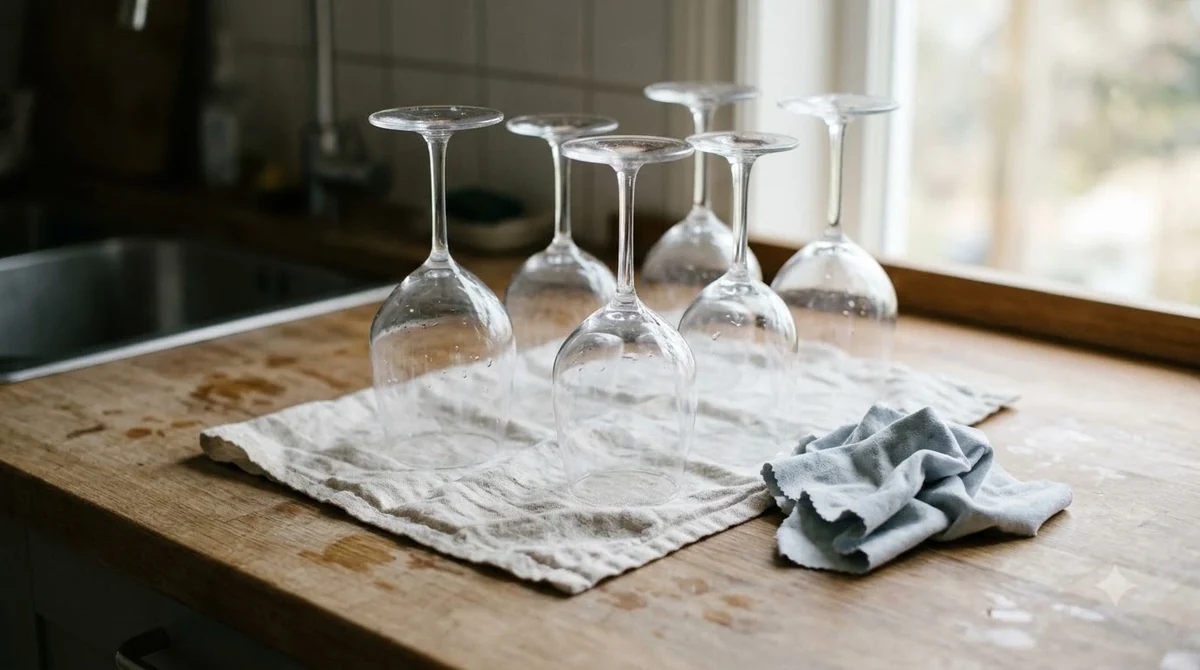
The first issue is maintenance. Estate Champagne Flutes are dishwasher safe according to the manufacturer, but this convenience does not apply to every Williams Sonoma collection. Modern Optic and Reserve Optic require hand washing. Buyers who regularly host large gatherings may find that distinction important because cleaning several sets individually takes more time than loading them into a dishwasher.
Decorative finishes can create additional maintenance considerations. Williams Sonoma’s Gold Rim Glassware features hand-painted gold detailing and requires hand washing. Gold decoration can also be a less suitable choice for households that prefer glassware with minimal special-care requirements.
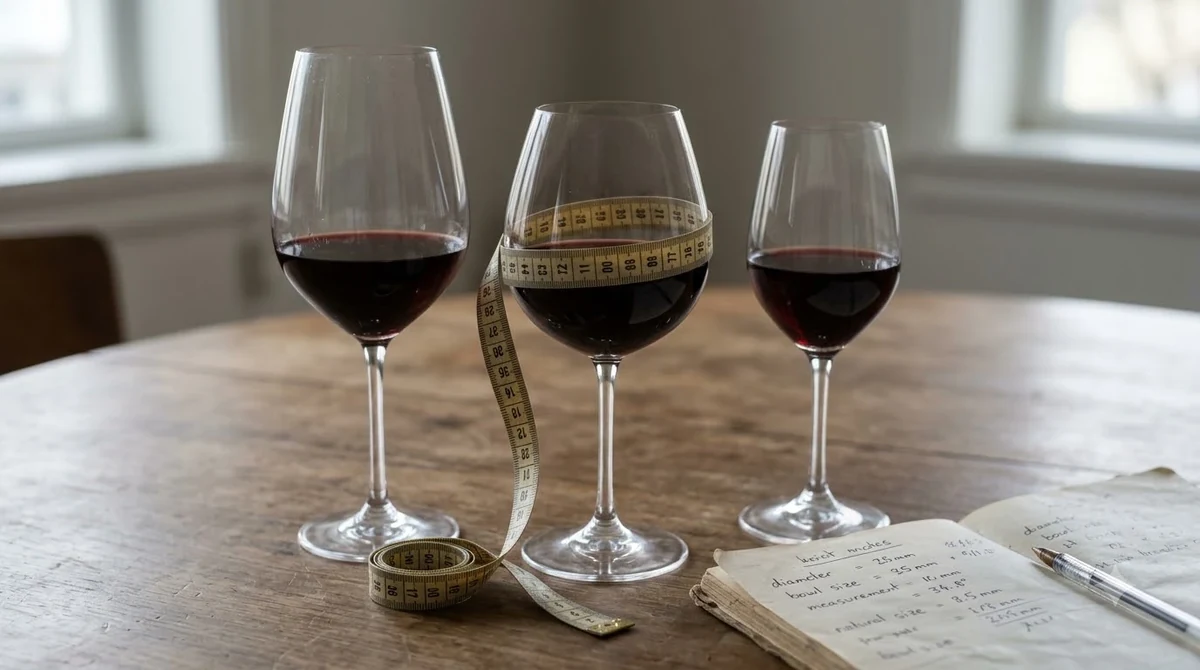
Another consideration is the shape of the flute itself. A narrow bowl provides the familiar Champagne presentation, but it does not offer the same open surface area as a wine glass with a broader bowl. Some sparkling wines benefit from more room for their aromas to develop, particularly when they have spent time aging on their lees or display more complex yeast-derived characteristics.
There is also a difference between a glass’s listed capacity and the amount normally poured. Estate’s 5.9-ounce capacity and Modern Optic’s 5.5-ounce capacity are relatively modest. Neither needs to be filled completely, but shoppers accustomed to larger wine glasses may find these dimensions smaller than expected.
Fragility and everyday handling
Thin-stemmed crystal glassware needs careful handling, especially during storage and cleaning. A long stem gives the user a convenient place to hold the glass, but it can also become a vulnerable point if glasses are crowded together in a cabinet or handled carelessly around a sink.
The mouth-blown construction of Estate and Reserve Optic contributes to their refined character, but buyers should not interpret crystal construction as a guarantee against breakage. The same general caution applies to other fine stemware. Avoid placing glasses where their stems can knock against one another, and use a stable storage location with sufficient separation.
Limited versatility of a narrow flute
A flute is designed around a specific style of presentation. Its narrow shape is attractive for traditional sparkling-wine service, but it is not necessarily the most versatile glass in a home bar.
For example, someone who regularly serves Champagne alongside still white wine may prefer a broader white-wine glass for the latter. A wider bowl allows more contact between the wine and air, while the tall flute is designed to emphasize the appearance of bubbles.
Buyers who want a multipurpose glass should consider a Champagne-friendly white-wine glass rather than assuming a dedicated flute can replace every other stemware shape. The champagne flutes comparison is useful for shoppers deciding whether a traditional narrow design is the best fit.
Tip: Before purchasing a Williams Sonoma set, compare the exact collection’s capacity, height and cleaning instructions. The Estate and Reserve Optic flutes are both 10 inches tall, but their capacities differ by 3.2 ounces and their care requirements are not the same.
Who Should Buy Williams Sonoma Champagne Glasses and Who Should Skip Them
Williams Sonoma Champagne glasses are best suited to shoppers who value attractive table settings, coordinated stemware and a choice of traditional or contemporary designs. They are particularly appealing for weddings, anniversaries, holiday entertaining and households that regularly serve sparkling wine.
The Estate Champagne Flutes are a logical choice for someone who wants a formal crystal flute with a classic silhouette. Their 10-inch height and 5.9-ounce capacity give them a relatively restrained profile, while their dishwasher-safe designation makes routine maintenance more convenient than it is with some other premium-looking options.
Open Kitchen is worth considering for households that want a simpler, more practical set. Its 7-ounce capacity provides slightly more room than Estate, and its 8.75-inch height makes it a less imposing option for everyday tables. The collection’s dishwasher-safe construction is another practical advantage.
Modern Optic may appeal to buyers who want glassware that makes a visual impression. Its faceted exterior catches light, and the 9.25-inch height gives it a contemporary profile. However, hand washing is necessary, so it is less appropriate for anyone who wants minimal cleaning responsibilities.
Reserve Optic is a good candidate for buyers who prefer larger crystal flutes. Its 9.1-ounce capacity is substantially greater than the 5.9-ounce Estate flute, giving it a more generous overall bowl. The trade-off is that Reserve Optic also requires hand washing.
Who should consider buying
- People furnishing a wedding registry or a formal dining room.
- Hosts who regularly serve Champagne, Prosecco and Cava.
- Buyers who appreciate mouth-blown crystal construction.
- People who want coordinated glassware across several entertaining occasions.
- Shoppers looking for decorative alternatives to plain traditional flutes.
- Households that have appropriate storage for tall stemware.
Who should consider alternatives
- People who frequently break delicate stemware and prefer more utilitarian designs.
- Buyers who want every glass to be dishwasher safe.
- Households that prefer one versatile glass for both sparkling and still wines.
- People who regularly serve large groups and need inexpensive, easily replaceable glasses.
- Buyers who dislike tall stems or have limited cabinet clearance.
It is also important to consider the type of sparkling wine served most frequently. Prosecco is typically made from Glera grapes using the tank method, while Champagne and Cava undergo a second fermentation in the bottle. Both can be served in traditional flutes, but the differences in production and style may influence whether a narrower or broader bowl is preferable.
For a household that primarily serves light, fresh sparkling wines during celebrations, Estate and Open Kitchen are sensible starting points. For more complex traditional-method sparkling wines, a broader glass can be a useful addition rather than replacing every flute in the cabinet.
How Williams Sonoma Champagne Glasses Compare to Alternatives
Williams Sonoma competes in a broad stemware category that includes traditional flutes, crystal coupes and more contemporary glass designs. The right comparison is not simply which glass looks more expensive, but which construction, bowl shape and maintenance requirements suit the intended use.
One useful alternative is the Glassware Brands category, which provides a broader starting point for comparing established glassware makers. Williams Sonoma’s appeal is its combination of coordinated collections and decorative home-entertaining designs, while specialist stemware manufacturers may place more emphasis on wine-specific bowl geometry or particular crystal technologies.
Williams Sonoma Estate versus Open Kitchen
Estate is the more formal of these two options in terms of its stated construction and design positioning. Its mouth-blown clear crystal and 10-inch height create a traditional appearance. Open Kitchen uses crystal too, but its shorter 8.75-inch profile and larger 7-ounce capacity make it a practical alternative.
Both collections are dishwasher safe according to Williams Sonoma. This means the decision can focus more heavily on appearance, dimensions and the desired level of formality. Estate is appropriate for a classic Champagne toast, while Open Kitchen makes sense for someone who wants coordinated stemware for regular gatherings.
Williams Sonoma Reserve Optic versus Modern Optic
These two collections share an interest in visual texture but use different materials and capacities. Reserve Optic is mouth-blown clear crystal with an optic finish, a 9.1-ounce capacity and a 10-inch height. Modern Optic is mouth-blown, fire-polished glass with a faceted exterior, a 5.5-ounce capacity and a 9.25-inch height.
Reserve Optic is the more generous choice for buyers who want additional room in the bowl. Modern Optic is better suited to those who prefer a more compact, decorative flute. Both require hand washing, so neither is the obvious selection for someone who prioritizes dishwasher convenience.
Williams Sonoma flutes versus Champagne coupes
A traditional flute and a coupe serve different presentation preferences. A flute’s narrow bowl emphasizes the stream of bubbles and gives the table a familiar celebratory appearance. A coupe has a broad, shallow bowl that offers a vintage-inspired look and can also be used for cocktails.
Williams Sonoma’s Vintage Etched Coupe has a 9-ounce capacity, while its Vintage Etched Champagne Flute holds 6 ounces. The coupe offers a substantially wider opening, which makes it easier to appreciate the wine’s aroma but also exposes more surface area to the surrounding air.
For guests who want to preserve the visual effect of rising bubbles during a formal toast, the flute remains the conventional choice. For cocktail parties and decorative presentations, a coupe may be more attractive. Neither shape needs to replace the other in a well-equipped home bar.
The decision also depends on serving style. Sparkling wine is generally served chilled at approximately 40 to 50 degrees Fahrenheit. A smaller pour helps maintain that temperature and gives guests room to hold the glass without warming a large volume of wine with their hands.
Frequently Asked Questions
Are Williams Sonoma Champagne glasses made in the United States?
No, the major collections discussed here are manufactured in other countries. Estate Champagne Flutes are made in Turkey, Open Kitchen flutes are made in Germany, and Modern Optic Champagne Flutes are made in Poland. The Vintage Etched and Reserve Optic collections are also made in Turkey.
Can Williams Sonoma Champagne glasses be personalized?
Williams Sonoma’s Estate Champagne Flute product listing includes a monogramming option. Personalization availability can depend on the specific item and ordering configuration. Personalized merchandise may also have different return restrictions from standard glassware, so confirm the applicable terms before ordering.
Can Williams Sonoma Champagne glasses be used for sparkling cocktails?
Yes. Traditional flutes can serve sparkling cocktails such as a French 75 or a sparkling wine-based aperitif. A coupe may be more convenient for cocktails with larger garnishes or ingredients because its opening is wider. Avoid using delicate stemware as a mixing vessel when a separate cocktail shaker or mixing glass is more appropriate.
How many Champagne glasses should a household own?
A household that regularly entertains six guests may find a set of six to eight glasses convenient, with additional pieces useful for larger celebrations. For occasional entertaining with two or four people, a smaller collection is easier to store. Keeping a few replacement glasses also helps maintain a matching set if an individual piece is accidentally broken.
Does crystal Champagne glassware contain lead?
Crystal terminology does not automatically establish whether a glass contains lead. Williams Sonoma specifically describes its Reserve Optic collection as made without lead. Buyers concerned about material composition should distinguish between individual collection specifications rather than applying one material description to every product sold by the retailer.
Williams Sonoma Champagne glasses are appealing for their variety of shapes, thoughtful proportions and coordinated entertaining designs. The Estate flutes are a strong starting point for shoppers who want classic mouth-blown crystal, while Open Kitchen offers a practical dishwasher-safe alternative and Reserve Optic provides a larger bowl. Compare the precise specifications and care requirements before choosing a set, and prioritize the design that suits the sparkling wines and occasions you serve most often.
More in Wine Glasses
 Zwiesel Glas Champagne Flutes for Durable Everyday Sparkling WineUpdated Nov 20, 2026
 Vera Wang Crystal Wine Glasses: Design, Quality and Buying AdviceUpdated Nov 20, 2026
 West Elm White Wine Glasses: Compare Designs for Better Everyday Wine ServiceUpdated Nov 20, 2026
 Zalto Stemless Wine Glasses: Discover Their Distinctive DesignsUpdated Nov 20, 2026
 Viski Champagne Glasses That Match Your Style and Sparkling WineUpdated Nov 20, 2026
 Vista Alegre Decanter Review: Crystal Style and Wine ServiceUpdated Nov 20, 2026