

We may earn a commission when you buy through links on this page, at no extra cost to you. Learn more.
Sur la table wine glasses are worth considering for wine drinkers who want attractive, practical stemware with options for everyday meals, entertaining, and different wine styles. The Chateau collection stands out for its collaboration with German glassmaker Schott Zwiesel, reinforced construction, and dishwasher-safe designs. Sur La Table also offers other options, including the Italian-made Bistro collection, so buyers can compare bowl shapes, materials, capacities, and intended uses before choosing a set.
Good wine glasses should do more than look attractive on a dining table. Their proportions affect how comfortably wine can be swirled, how aromas collect near the rim, and how easily the glass can be handled during dinner. Sur La Table approaches this balance through several styles rather than relying on one universal design. Its assortment includes specialized red and white wine glasses, casual stemless options, and collections intended for regular household use. Understanding the differences between these choices makes it easier to select glassware that suits both your wine preferences and your tolerance for delicate kitchenware.
Specs and Key Features of Sur La Table Wine Glasses
Sur La Table wine glasses are a collection rather than one standardized product, and the Chateau and Bistro lines illustrate two different approaches to practical stemware. Chateau emphasizes a collaboration with Schott Zwiesel and reinforced construction, while Bistro offers machine-blown Italian glass with a narrow white-wine bowl and polished rim.
The Chateau collection is particularly relevant to shoppers looking for traditional wine glasses that can handle regular household use. Sur La Table describes the collection as exclusive to its assortment and developed in partnership with German glassmaker Schott Zwiesel. The company highlights reinforcement at critical points, a reflective appearance, and resistance to chips, discoloration, spots, and breakage. These are useful characteristics for anyone who expects to use the same glasses repeatedly rather than keeping them reserved for occasional celebrations.
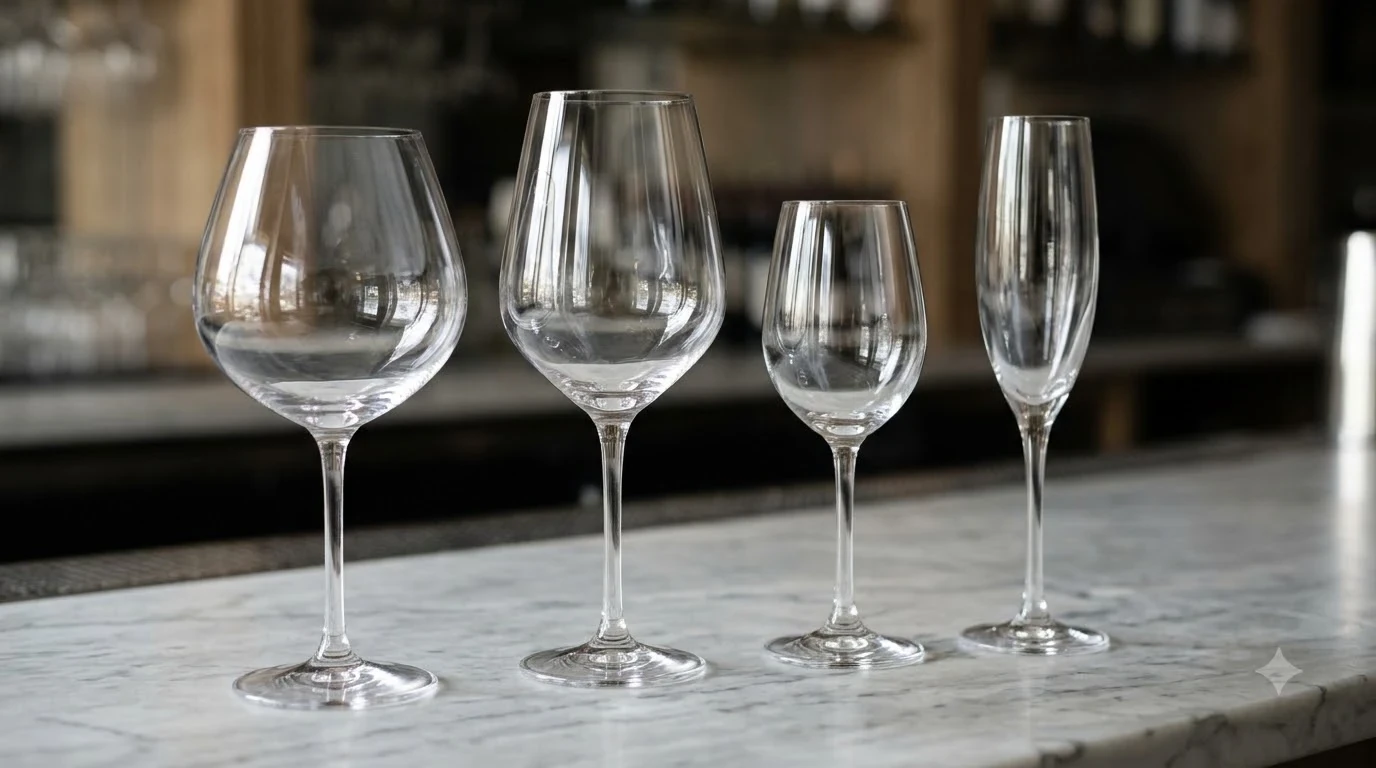
One important distinction is that the Chateau collection offers several shapes. Full red and soft red glasses are intended for different red wine styles, while full white and soft white versions provide alternatives for white wine drinkers. A stemless version adds another option for casual meals and situations where a shorter glass is easier to handle. This selection gives shoppers more flexibility than a collection consisting of one generic wine glass.
The Bistro White Wine Glasses provide a more specific example of Sur La Table’s construction and manufacturing details. The manufacturer describes them as machine-blown, lead-free glass made in Italy. They have a polished rim, a narrow bowl, and a design intended to preserve delicate white wine flavors. Their listed dimensions and capacity also make them easier to compare with other glassware before purchasing.
The following specifications apply specifically to the Bistro White Wine Glasses, not every product sold under the Sur La Table name.
| Specification | Bistro White Wine Glass |
|---|---|
| Manufacturer | Sur La Table |
| Manufacturing location | Italy |
| Material | Lead-free glass |
| Manufacturing method | Machine-blown |
| Diameter | 3.23 inches |
| Height | 7.9 inches |
| Capacity | 14.13 ounces |
| Set quantity | 4 glasses |
| Rim finish | Smooth polished rim |
| Dishwasher safe | Yes |
Capacity deserves particular attention because the number printed on a glass is not the recommended serving size. A 14.13-ounce vessel can comfortably accommodate a standard 5-ounce wine pour while leaving space for swirling and releasing aromas. The remaining space also helps reduce the likelihood of spilling wine when moving the glass from the kitchen to the dining table.
Dishwasher compatibility is another practical advantage. Sur La Table says the Bistro glasses are designed to maintain their clarity through thousands of dishwasher cycles. That claim makes the collection interesting for households that regularly entertain or simply prefer not to hand-wash every piece of stemware. The Chateau collection also receives an explicit dishwasher-safe designation from the retailer.
However, construction details should not be treated as identical across all collections. The Bistro description specifies lead-free glass, whereas the Chateau description emphasizes its Schott Zwiesel partnership and reinforced construction. Buyers should compare the actual specifications of the individual design rather than assuming every Sur La Table wine glass uses the same glass formula or manufacturing method.
For a broader look at different bowl sizes, materials, and everyday designs, the wine glasses buying guide provides another useful comparison point.
What Owners and Buyers May Like About the Collection
The strongest reasons to consider Sur La Table wine glasses are their range of shapes, practical cleaning options, and combination of traditional styling with everyday usability. The Chateau collection offers several wine-specific designs, while the Bistro collection provides clearly documented dimensions and manufacturing details.
Variety without an overly complicated collection. Many households do not need a separate glass for every grape variety. A sensible combination of full red and soft white glasses, for example, can cover much of the wine served at ordinary dinners. Sur La Table’s range makes it possible to select a few useful categories without committing to an elaborate professional tasting setup.
Red wine drinkers can consider the full red and soft red designs according to the wines they regularly serve. Cabernet Sauvignon and Syrah generally benefit from more generous bowls because their tannins and aromatic intensity can become more expressive with aeration. Pinot Noir, which has lower-to-medium tannin and typically higher acidity, can benefit from a different bowl profile that emphasizes delicate aromas.
White wine drinkers also have useful choices. A narrower bowl is generally practical for Sauvignon Blanc and Pinot Grigio because it helps preserve cooler temperatures and concentrate delicate aromas. A somewhat fuller white-wine shape can be more suitable for richer Chardonnay styles, which can benefit from additional room for aromatic development.
Convenient cleaning. Dishwasher-safe glassware is especially attractive for people who regularly serve wine to several guests. Washing a large number of glasses by hand after dinner can become tedious, particularly after holiday meals or dinner parties. The explicit dishwasher-safe descriptions of Chateau and Bistro products make them practical candidates for households that prioritize convenience.
That does not mean all glasses should be treated carelessly. Proper spacing in the dishwasher is important because contact between rims can cause chips. Sur La Table specifically recommends keeping the Bistro glasses separated so their rims do not touch during a wash cycle. This small precaution is particularly relevant when loading several pieces of stemware together.
Traditional appearance. Clear glass remains a sensible choice for people who want to see the wine’s natural color. A transparent bowl also makes it easier to observe clarity and the movement of wine during swirling. The Chateau collection’s reflective finish provides a more polished presentation without requiring decorative colors or elaborate patterns.
The visual simplicity also makes clear wine glasses easier to coordinate with different table settings. They can accompany everyday ceramic dinnerware, formal white plates, or more colorful seasonal decorations. A consistent collection looks particularly attractive when several glasses are arranged across a dinner table.
Useful options for casual drinking. Stemless designs provide an alternative for people who prefer a shorter, less formal glass. They can be convenient for outdoor dining, informal gatherings, or smaller kitchen cabinets. Their shorter profile can also feel more stable on a crowded table than a tall stemmed glass.
These practical advantages are consistent with Wine Enthusiast’s discussion of universal and everyday wine glasses. Its guidance emphasizes comfort, bowl proportions, rim thickness, and durability as important considerations alongside appearance. Buyers can read its universal wine glass design advice to understand why a balanced everyday shape can be more useful than collecting highly specialized glasses.
Still, a distinction is necessary between documented product characteristics and individual owner experiences. Sur La Table’s product pages provide useful specifications, but the available information does not establish that every collection has undergone the same independent durability testing. Shoppers should consider the published features as a starting point rather than a guarantee that glassware cannot break.
Common Complaints and Potential Disadvantages
The main considerations before purchasing Sur La Table wine glasses are fragility, differences between collections, and the limitations of broad retailer-level customer feedback. Dishwasher-safe construction can improve convenience, but glass remains vulnerable to impacts, sudden temperature changes, and careless storage.
Glassware can still break during delivery. This is especially relevant when ordering several glasses online. Fragile products depend on suitable packaging and careful handling, and a glass that leaves a warehouse in perfect condition may not arrive intact after a difficult delivery journey.
Trustpilot’s review summary for Sur La Table identifies damaged or broken merchandise during shipping as a recurring customer concern. It also mentions delayed shipments, backorders, and missing package contents. These comments concern the retailer’s wider shopping experience rather than proving a specific problem with its wine glasses. Nevertheless, they provide a reason to inspect fragile orders promptly after delivery.
The same review summary identifies helpful customer service and successful assistance with some delivery problems as positive themes. It is therefore more accurate to view delivery complaints as a potential purchasing consideration than as evidence that the entire glassware collection is unreliable.
Dishwasher safe does not mean indestructible. The Chateau and Bistro descriptions emphasize durability and dishwasher compatibility, but neither designation removes the risk of breakage. Glasses can collide with plates, cookware, cutlery, or other stemware during a wash cycle. A narrow stem can also be damaged if a glass is forced into an unsuitable rack position.
Households with particularly busy kitchens should think about how their dishwasher is arranged. If the upper rack cannot accommodate the height of a particular glass, hand-washing may be preferable. The 7.9-inch height of the Bistro white glass is a useful measurement to consider when checking available rack clearance.
Not every collection has the same specifications. Sur La Table’s assortment includes different designs, and shoppers should not assume that all pieces are made in the same country, use identical materials, or have matching durability characteristics. The Bistro glasses are specifically described as lead-free, machine-blown glass made in Italy. Chateau is described as a collaboration with Schott Zwiesel and a German-made collection.
These distinctions matter for people who want to buy replacement glasses later. Mixing different collections may create differences in height, rim thickness, bowl shape, and overall appearance. If matching dinnerware and glassware are important, choosing one collection and staying with it is usually the more straightforward approach.
Specialized shapes are not universally interchangeable. A full red glass and a soft white glass serve different purposes. Someone who primarily drinks Cabernet Sauvignon may find a smaller white-wine bowl restrictive, while a person who mostly drinks delicate Riesling may prefer a narrower shape over an oversized red-wine glass.
It is also important not to assume that every wine-specific shape produces a dramatic difference in flavor. The wine itself, its serving temperature, freshness, and the drinker’s preferences remain important. A carefully selected everyday glass can provide a satisfying experience without requiring a separate design for every grape.
Limited model-specific owner information. General retailer reviews should not be mistaken for verified feedback about individual Chateau or Bistro glasses. A company-level review can help identify possible shipping and support concerns, but it cannot establish the long-term durability of a particular glass model. Buyers seeking product-specific reassurance should look for reviews that identify the exact collection and describe actual household use.
For additional context, Sur La Table customer feedback on Trustpilot provides an overview of delivery and customer-service experiences. The platform also cautions that its review profile may not be representative because the company has not recently invited customers to submit reviews.
Who Should Buy Sur La Table Wine Glasses and Who Should Skip Them
Sur La Table wine glasses make the most sense for buyers who want attractive household stemware, convenient cleaning, and several practical bowl shapes. They are less suitable for shoppers who require exceptionally specialized tasting equipment or need glassware that can withstand rough handling.
Who should consider buying them
Everyday wine drinkers are a natural audience for the collection. If wine is usually served with dinner rather than at formal tasting events, the combination of traditional styling and dishwasher-friendly options is appealing. A small selection of useful shapes can cover most occasions without taking over an entire kitchen cabinet.
Hosts who regularly entertain may also appreciate the Chateau range. Having both red and white wine glasses available creates a more coordinated table setting, especially when serving several wine styles during a meal. The different shapes also help guests choose a suitable glass without needing an extensive explanation of wine service.
Households replacing older stemware can benefit from comparing the individual dimensions and construction details before buying. For example, the Bistro set provides four glasses with a capacity of 14.13 ounces each. That is a useful quantity for a small household or a couple who regularly entertain a few guests.
People who prefer traditional clear glass should also find the assortment appealing. Clear glassware is adaptable, looks appropriate in both casual and formal settings, and allows wine color to remain visible. The collection’s understated designs make it easier to combine glasses with existing dinnerware.
Who should skip them
Professional tasters and serious collectors may prefer highly specialized stemware from dedicated wine-glass manufacturers. A universal or general-purpose collection can work well for ordinary drinking, but enthusiasts who regularly compare premium Burgundy, Bordeaux, and aromatic whites may want more precise bowl proportions.
People with very limited storage should also think carefully about traditional stemmed glasses. Tall bowls and long stems require more vertical clearance, and they cannot always be stacked safely. A stemless design may be more convenient for a compact kitchen, although its bowl can still require considerable cabinet space.
Households where glassware receives rough treatment may prefer sturdy everyday tumblers rather than traditional wine stemware. Even reinforced or dishwasher-safe wine glasses remain glass products, and their stems and rims can break when subjected to impacts.
Shoppers looking for one perfect glass for every wine should compare universal designs before selecting a specialized set. A medium-sized bowl with a subtle taper can be a sensible compromise, but it will not necessarily offer the same performance as a generous Burgundy bowl or a smaller white-wine shape.
Tip: Before purchasing a set, measure the height of your dishwasher rack and available cabinet space. For everyday use, prioritize a comfortable rim, a manageable bowl size, and a shape that suits the wines you actually drink rather than choosing a glass solely for its appearance.
Budget planning should also account for the number of pieces needed. Four glasses may be sufficient for a small household, while frequent hosts may want a larger matching collection. If you are comparing stemless designs with traditional options, the stemless wine glasses guide can help clarify the practical differences.
How Sur La Table Wine Glasses Compare to Alternatives
Sur La Table occupies a useful position for shoppers interested in practical, attractive glassware with different bowl options. Its Chateau partnership with Schott Zwiesel is particularly relevant, while the Bistro collection demonstrates that the retailer also offers products with a separate manufacturing identity and clearly documented specifications.
One comparison worth understanding is the difference between buying a retailer’s collection and choosing glassware from a specialist manufacturer. Sur La Table carries products from Riedel and Schott Zwiesel alongside its own branded assortment. That allows shoppers to compare several approaches to stemware without limiting their search to one label.
Against Riedel: Riedel is associated with varietal-specific glassware and designs intended to emphasize different wine characteristics. Its assortment includes glasses for Cabernet Sauvignon, Pinot Noir, Chardonnay, and other wine styles. Sur La Table’s Chateau collection offers a more straightforward selection of full and soft red and white glasses, which may be easier for households that do not want numerous specialized shapes.
The choice depends on how precisely a buyer wants to match glassware to wine. Someone who regularly drinks several different premium varieties may appreciate Riedel’s specialized approach. Someone who mainly serves a mixture of red and white wines at dinner may prefer the simpler categories in the Chateau range.
Against Schott Zwiesel: The comparison is especially interesting because Sur La Table’s Chateau collection was developed in partnership with Schott Zwiesel. The relationship makes the collection relevant to buyers already interested in the German glassmaker’s approach to durability and presentation. However, a partnership does not mean that every product from both names has identical specifications.
Schott Zwiesel’s wider assortment includes collections with different shapes, capacities, and construction details. Buyers considering both names should compare individual product specifications rather than assuming the branded alternatives are direct equivalents to Chateau models.
Against general-purpose wine glasses: A universal glass is another practical alternative. Wine Enthusiast describes this style as having a medium-sized bowl, subtle taper, and balanced stem. Such a design can serve red, white, and sparkling wines reasonably well, making it attractive to households with limited storage space.
However, a universal glass is still a compromise. Large Cabernet Sauvignon wines can benefit from a bigger bowl, while premium Pinot Noir may be better suited to a wider Burgundy-style design. A narrower white-wine glass can also help maintain a cooler serving temperature for delicate wines.
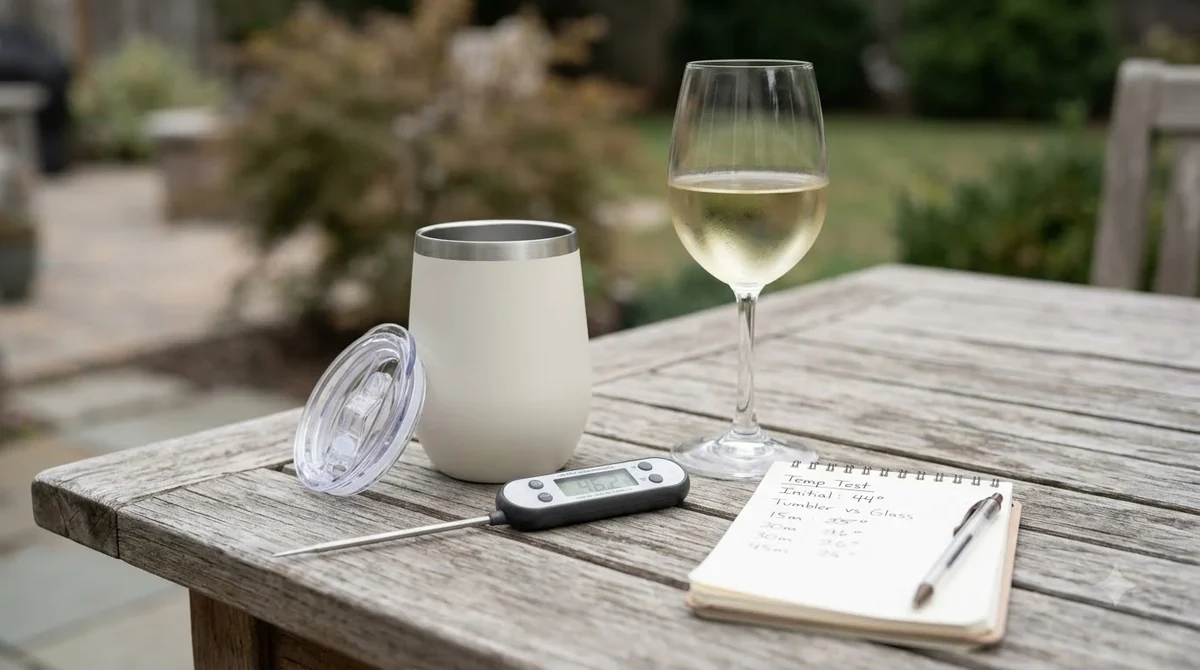
Against stemless glassware: Stemless designs are generally easier to handle casually and can be convenient for outdoor meals. They also avoid the traditional stem, which is one of the more vulnerable parts of a wine glass. However, holding the bowl transfers heat from the hand to the wine and can leave fingerprints on the surface.
For white wines, that temperature consideration can matter more than it does for many reds. Sauvignon Blanc and Riesling are often most enjoyable when served cool, so a traditional stemmed design may be more practical. Stemless glasses remain perfectly reasonable for casual drinking, particularly when convenience is more important than maintaining a precise serving temperature.
Against dedicated red-wine glasses: People who mainly drink red wine should compare the bowl dimensions carefully. Cabernet Sauvignon has high tannin and often benefits from generous aeration, while Merlot generally has softer, medium tannins. Pinot Noir requires a different balance because its delicate aromas and higher acidity can be overwhelmed by an unnecessarily large glass.
Sur La Table’s full red and soft red categories provide a useful starting point, but shoppers should still compare the individual silhouettes. The red wine glasses buying guide offers more information about the differences between Bordeaux-style, Burgundy-style, and everyday red-wine bowls.
In practical terms, Sur La Table’s main appeal is the combination of choice and convenience. It gives shoppers access to several wine-specific designs, including its Chateau partnership collection, while offering alternative products such as the Bistro white-wine set. The best alternative depends on whether the priority is varietal precision, everyday durability, compact storage, or a consistent table presentation.
Frequently Asked Questions
Are Sur La Table wine glasses made in Germany?
Not every collection has the same manufacturing origin. Sur La Table identifies Chateau as a German-made collection developed with Schott Zwiesel, while its Bistro White Wine Glasses are made in Italy. Buyers should distinguish between collections rather than assuming the entire assortment comes from one country.
Do Sur La Table wine glasses contain lead?
The Bistro White Wine Glasses are specifically described as lead-free glass. The Chateau collection description emphasizes its Schott Zwiesel partnership and reinforced construction, but the information available for that collection does not establish identical material specifications for every model. Check the material description of the individual design if lead-free construction is an essential purchasing requirement.
Can Sur La Table wine glasses be used for water?
Wine glasses can also serve water at a dinner table, particularly when matching glassware is important for presentation. Their bowls and stems are designed around wine service, however, so dedicated water tumblers may be more convenient for everyday hydration. The shorter design of a tumbler can also be easier to handle around children and crowded dining areas.
How many wine glasses should a household own?
A household that regularly entertains six guests may find six matching glasses of each frequently served style more convenient than purchasing only a pair. People who mostly drink wine alone or with a partner can start with four glasses. The right quantity depends on entertaining habits, available storage, and whether guests are likely to use separate glasses for different wines during a meal.
Should wine glasses be stored upright or upside down?
Storing glasses upright on a stable shelf is generally preferable because resting their rims against a hard surface can expose delicate edges to pressure and accidental damage. A clean, dry cabinet also helps prevent dust and odors from collecting inside the bowls. Make sure the glasses have enough space that they do not touch when the cabinet door opens or other dishes are moved.
Sur La Table wine glasses are a sensible option for households that want attractive stemware, practical cleaning features, and a choice of shapes for different wines. The Chateau collection is especially interesting for its Schott Zwiesel partnership, while the Bistro range offers clearly specified Italian-made white-wine glasses. Compare individual dimensions, materials, and storage requirements before choosing a set, and select the collection that best matches your regular wine habits rather than buying more specialized glassware than you need.
More in Wine Glasses
 Zwiesel Glas Champagne Flutes for Durable Everyday Sparkling WineUpdated Nov 20, 2026
 Vera Wang Crystal Wine Glasses: Design, Quality and Buying AdviceUpdated Nov 20, 2026
 West Elm White Wine Glasses: Compare Designs for Better Everyday Wine ServiceUpdated Nov 20, 2026
 Zalto Stemless Wine Glasses: Discover Their Distinctive DesignsUpdated Nov 20, 2026
 Viski Champagne Glasses That Match Your Style and Sparkling WineUpdated Nov 20, 2026
 Vista Alegre Decanter Review: Crystal Style and Wine ServiceUpdated Nov 20, 2026