

We may earn a commission when you buy through links on this page, at no extra cost to you. Learn more.
Crate and Barrel stemless wine glasses are a practical choice for everyday wine drinking, casual entertaining, and easy-to-store glassware. The Aspen collection offers 11.75-ounce and 17-ounce options, straightforward glass construction, and dishwasher-safe convenience. Their biggest advantages are versatility and a stable, compact design, although the lack of a stem makes temperature control and fingerprint prevention more difficult than with traditional wine glasses.
Choosing wine glasses involves more than deciding whether a particular shape looks attractive on the dinner table. Capacity, bowl proportions, handling comfort, cleaning requirements, and the types of wine you regularly serve all influence whether a glass becomes an everyday favorite or stays in the cabinet. Crate & Barrel’s Aspen stemless collection addresses many practical household needs, with several sizes designed for different serving preferences. This review examines its specifications, customer considerations, strengths, limitations, and alternatives to help determine whether the collection deserves a place in your glassware cabinet.
Specs and Key Features
Crate & Barrel’s Aspen collection focuses on uncomplicated glass construction, practical capacities, and a low-profile shape that works for more than wine. The 11.75-ounce and 17-ounce versions are the main sizes to compare when choosing an everyday drinking glass or a larger vessel for red wine.
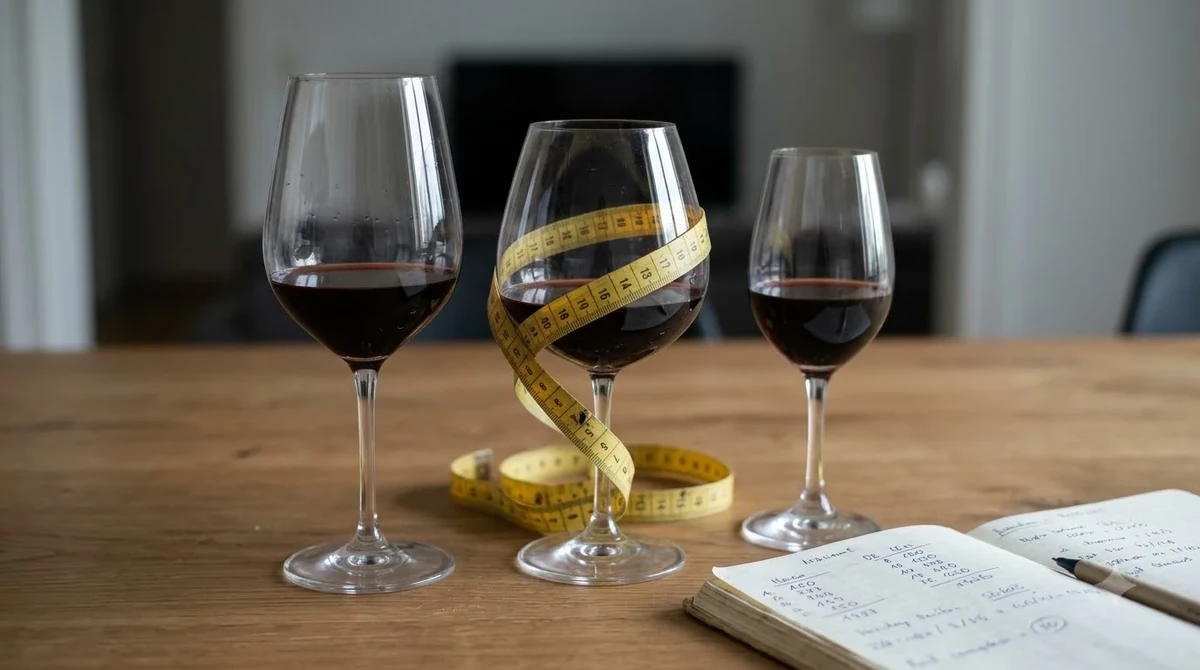
The collection is made from glass and is listed as dishwasher-safe by Crate & Barrel. Its uncomplicated construction makes it appropriate for households that want glassware for regular meals rather than delicate specialty pieces reserved for occasional celebrations. The absence of a stem also creates a shorter overall profile, which can make storage easier in cabinets with limited vertical clearance.
The dimensions are particularly useful because capacity alone does not communicate how a glass will feel in your hand. The smaller Aspen glass has a narrower profile, while the 17-ounce version provides additional room for wine and swirling. Crate & Barrel also offers a dedicated 17-ounce red wine shape, giving shoppers another option within the same general collection.
| Specification | Aspen 11.75 oz. | Aspen 17 oz. |
|---|---|---|
| Product category | Stemless wine glass | Stemless wine glass |
| Material | Glass | Glass |
| Capacity | 11.75 oz. | 17 oz. |
| Diameter | 2.25 inches | 3.15 inches |
| Height | 4 inches | 4.5 inches |
| Dishwasher-safe | Yes | Yes |
| Available purchasing formats | Single or set of 12 | Single or set of 12 |
Specifications are based on Crate & Barrel’s published Aspen collection information. Dimensions refer to the respective standard models, not the separate 17-ounce red wine version.
The 11.75-ounce version is particularly useful for people who prefer smaller servings and a relatively compact glass. Its 4-inch height makes it easy to fit into many kitchen cabinets, while the narrower diameter creates a less substantial feel than the larger option. It can accommodate a conventional wine pour without requiring a large amount of storage space.
The 17-ounce model offers more room above the wine for swirling and releasing aromas. Its larger diameter also gives it a more substantial presence on a dining table. However, its wider bowl may be less comfortable for people with smaller hands, particularly during extended gatherings when a glass is held frequently.
Another useful feature is the collection’s versatility. Crate & Barrel describes the glasses as suitable for highballs, mixed drinks, cold soups, appetizers, desserts, and decorative uses. This makes the Aspen range more flexible than a collection purchased exclusively for wine service.
For shoppers comparing different glassware collections, the broader Glassware Brands overview can help put Crate & Barrel’s straightforward designs into context.
What Owners Like
The strongest appeal of Crate & Barrel’s Aspen stemless wine glasses is their everyday practicality. A short, stem-free design is convenient for casual meals, entertaining, and households that prefer versatile glassware rather than maintaining separate delicate glasses for every occasion.
One immediate advantage is stability. Traditional stemware has a relatively narrow connection between the bowl and base, creating a structure that requires careful handling. Aspen’s stemless design removes that connection and places the bowl directly on its base. This lower-profile construction can make the glass feel more secure when placed on a dining table or carried between rooms.
That does not mean the glasses are unbreakable. They are still glass, and a collision with a countertop, ceramic plate, or another glass can cause damage. Nevertheless, removing the separate stem eliminates one particularly vulnerable component. Wine Enthusiast discusses this practical advantage in its explanation of stemless wine glasses, noting that their simpler construction can make them easier to care for and store.
Storage is another reason people choose this format. A glass measuring 4 or 4.5 inches high generally requires less vertical clearance than conventional stemware. This can be helpful in apartment kitchens, compact cabinets, and homes where glassware shares space with everyday drinking tumblers.
The straightforward design also suits different table settings. Aspen glasses can be used for a casual weeknight meal, a weekend lunch, or a larger dinner gathering without looking excessively formal. Their uncomplicated appearance is easier to coordinate with different plates, table linens, and serving pieces than highly decorative glassware.
Dishwasher compatibility is another meaningful convenience. Crate & Barrel identifies the Aspen collection as dishwasher-safe, which reduces the amount of special cleaning required after a gathering. People who regularly entertain several guests may appreciate being able to clean a larger quantity of glassware in the same dishwasher cycle.
The available capacities also help explain the collection’s appeal. A smaller 11.75-ounce glass can serve wine, water, or a modest cocktail, while a 17-ounce option provides more room for larger red wine servings and other mixed drinks.
For households that enjoy multiple beverages, this versatility can reduce the need for several separate glassware collections. The same general design can move from an afternoon drink to dinner service without appearing out of place.
Another advantage is the ability to purchase individual glasses or larger sets. Buying a single glass can make sense when replacing a broken piece or trying the dimensions before committing to a complete collection. Larger households and frequent hosts may prefer matching sets so that every guest receives the same style.
The practical appeal is especially strong for casual entertaining. Wine Enthusiast’s discussion highlights how stemless glasses can provide a useful middle ground between ordinary disposable cups and delicate traditional stemware. That distinction fits the Aspen collection’s uncomplicated approach particularly well.
Common Complaints
The most important limitation of stemless wine glasses is that the hand naturally contacts the bowl. This can warm chilled wine, leave fingerprints, and make precise temperature management more difficult than it is with traditional stemware.

Wine temperature has a meaningful influence on how a wine smells and tastes. A chilled Sauvignon Blanc or sparkling wine is particularly sensitive to unwanted warming, while a full-bodied red generally tolerates a little more variation. With a stemless glass, the drinker’s hand sits directly against the vessel, increasing the opportunity for heat transfer.
There is also a presentation consideration. Fingerprints can accumulate around the bowl during a long dinner, particularly when guests repeatedly pick up and put down their glasses. This is less noticeable during casual meals but can be distracting during formal occasions where clear, polished glassware is part of the presentation.
Another potential complaint involves swirling. A traditional wine glass has a stem that provides a convenient grip, making controlled circular movements relatively straightforward. A stemless tumbler can still be swirled, but its shape and grip position may make the movement less comfortable for some people.
The distinction becomes more important with wines that benefit from careful aroma evaluation. A complex aged Chardonnay, for example, can reveal secondary aromas that are easier to appreciate when served in appropriately shaped stemware. A casual glass is perfectly acceptable for enjoying the wine, but a dedicated tasting glass provides more control over handling and presentation.
Capacity can also create confusion. The 11.75-ounce Aspen glass is relatively compact compared with many large stemless tumblers. People who prefer broad bowls for Cabernet Sauvignon or Pinot Noir may find the larger 17-ounce option more suitable.
However, a larger capacity does not automatically mean better wine service. A glass should provide enough room for a moderate pour and space above the liquid for aromas to collect. Filling a 17-ounce glass close to the rim removes much of that advantage.
The larger option may also feel bulky to some users. Its 3.15-inch diameter is considerably wider than the smaller version’s 2.25-inch diameter. That difference is noticeable when holding the glass, fitting it into a crowded cabinet, or placing several glasses together on a narrow table.
Finally, dishwasher-safe does not mean immune to accidental damage. Glassware can still knock against other items during a washing cycle. Crowding glasses together, stacking them improperly, or placing heavy cookware next to them can increase the likelihood of chips and cracks.
Shoppers should also distinguish between the standard 17-ounce Aspen glass and the separate 17-ounce Aspen red wine glass. Their dimensions are different, and the red wine version has a wider, shorter profile. Choosing the wrong shape simply because the capacities match can lead to a different drinking experience than expected.
Who Should Buy and Who Should Skip
Crate & Barrel’s Aspen stemless collection makes the most sense for shoppers who value convenience, uncomplicated styling, and flexible everyday use. It is less compelling for wine enthusiasts whose primary concern is precise tasting, temperature management, and specialized glass shapes.
Who should consider the collection
Everyday wine drinkers: People who regularly enjoy a glass of wine with dinner can benefit from simple, accessible glassware. The Aspen collection offers familiar proportions without requiring careful handling of a delicate stem.
Casual entertainers: Hosts who organize family dinners, birthday meals, and informal gatherings may appreciate the lower-profile design. Guests can use the glasses without worrying as much about knocking over tall stemware when reaching across a crowded table.
Small-space households: People with limited kitchen storage may prefer the compact dimensions. The 4-inch height of the smaller version is particularly convenient where cabinet clearance is restricted.
Multi-purpose drinkware shoppers: Anyone looking for glasses that can serve wine, cocktails, water, and other refreshments may appreciate the collection’s flexible design. Having a consistent style for several beverages can simplify table preparation.
People who prefer uncomplicated cleaning: The dishwasher-safe specification is useful for busy households that want to avoid hand-washing every glass after dinner.
Who should consider alternatives
Serious wine tasters: Traditional stemware is generally more appropriate for structured tasting sessions because it allows the drinker to hold the glass without touching the bowl. This matters when comparing subtle aromas and monitoring serving temperatures.
Collectors of delicate glassware: People who prioritize exceptionally thin rims, specialized crystal construction, or varietal-specific bowl proportions may want to investigate premium alternatives rather than selecting a straightforward everyday collection.
Formal dinner hosts: Stemmed glasses often provide a more traditional presentation for multi-course dinners, wine pairings, and special celebrations. They also keep fingerprints away from the bowl during service.
People who drink mostly chilled whites: If maintaining a consistent cool temperature is a major priority, traditional stemware offers a practical advantage. A stemless glass remains usable, but the direct contact with the bowl makes temperature control less convenient.
The decision should reflect how the glass will actually be used. A household that primarily drinks approachable wines with dinner may get more value from simple, versatile glassware than from expensive specialist pieces. Conversely, a wine enthusiast who regularly compares Burgundy, Bordeaux, and aged white wines may appreciate owning both stemless and traditional glasses.
Shoppers comparing additional everyday options can also consult the stemless wine glasses roundup for a wider view of available shapes and designs.
How It Compares to Alternatives
The Aspen collection competes most directly with other straightforward stemless glasses and more specialized wine tumblers. The key distinction is not simply capacity or appearance, but how much importance a shopper places on everyday convenience versus wine-specific performance.
One useful comparison is the Riedel O Wine Tumbler. Liquor.com identifies this design as a notable stemless alternative, highlighting its proportions, swirling characteristics, and lightweight feel. Its wine-oriented shapes offer a different approach from the uncomplicated Aspen collection.
The Riedel O range is particularly relevant for people who want a stemless format without giving up as much attention to varietal-specific glass design. Different shapes can accommodate different wine styles, including Cabernet Sauvignon and Pinot Noir. This may appeal to shoppers who enjoy the convenience of stemless drinkware but still care about how aromas collect above the bowl.
Aspen takes a more general-purpose approach. Its 11.75-ounce and 17-ounce options provide practical serving capacities, and the collection is explicitly promoted for uses beyond wine. This makes it an attractive household option when one glass needs to serve several purposes.
Another comparison involves conventional stemmed wine glasses. These remain the more appropriate choice for formal wine service and careful evaluation of delicate aromas. Their stems create a natural grip away from the bowl, which helps preserve serving temperature and keeps fingerprints away from the drinking area.
The best choice depends on the type of wine being served. For example, Pinot Noir and other delicate reds can benefit from a larger aroma-collecting bowl, while high-acid whites such as Sauvignon Blanc are commonly served in smaller glasses that help maintain cooler temperatures.
Wine Folly explains that bowl proportions, opening diameter, and available headspace influence the way aromatic compounds reach the nose. Its wine glass shape guide is useful for understanding why two glasses with similar capacities can still produce different tasting experiences.
For shoppers considering a broader glassware collection, the distinction between general-purpose and specialized glasses is important. A household does not necessarily need a different glass for every grape variety, but having a smaller white wine glass and a larger red wine glass can make serving different styles more convenient.
The wine glasses buying guide is useful for comparing these broader categories. Shoppers who drink mostly Cabernet Sauvignon, Merlot, or other full-bodied reds may also benefit from the dedicated red wine glasses comparison.
Overall, Aspen is best understood as practical everyday glassware rather than a specialist wine-tasting instrument. Its uncomplicated shape and dishwasher-safe construction address household convenience, while more specialized alternatives are better suited to people who prioritize wine-specific proportions and refined tasting conditions.
Frequently Asked Questions
Are Crate & Barrel stemless wine glasses made from crystal?
The Aspen collection is listed by Crate & Barrel as glass, rather than being specifically identified as crystal. The retailer does not establish a crystal composition for these particular models in its published product specifications. Shoppers specifically seeking crystal should compare the material descriptions of alternative collections before purchasing.
Can you use Aspen stemless wine glasses for sparkling wine?
Yes, they can be used for sparkling wine, although the bowl shape is not necessarily optimized for preserving bubbles. Sparkling wine is generally best served at approximately 40 to 50 degrees Fahrenheit. A narrower flute or dedicated sparkling wine glass can help retain carbonation and direct aromas differently.
How many servings can a 17-ounce wine glass hold?
A 17-ounce glass can accommodate several different serving sizes, but a standard wine pour is approximately 5 ounces. That means its nominal capacity is considerably greater than one serving. Leaving empty space above the wine makes it easier to appreciate aromas and swirl without spilling.
Can stemless glasses be used for wine tasting events?
Yes, particularly for informal gatherings where convenience and easy handling matter more than formal tasting technique. For structured comparative tastings, however, consistent glass shape and temperature management are more important. Using matching glasses for every wine also makes comparisons more straightforward.
Do stemless wine glasses fit standard kitchen cabinets?
The Aspen 11.75-ounce model is 4 inches high, while the standard 17-ounce version is 4.5 inches high. These relatively short dimensions make them suitable for many kitchen cabinets and shelves. Actual fit still depends on shelf clearance, cabinet depth, and how the glasses are arranged.
Crate & Barrel’s Aspen stemless wine glasses are a sensible option for households that prioritize everyday convenience, uncomplicated styling, and versatile drinkware. The 11.75-ounce version suits smaller servings and compact storage, while the 17-ounce option provides additional room for larger pours and swirling. Choose Aspen for casual wine enjoyment and practical entertaining; consider specialized stemmed glassware if precise temperature control and detailed wine evaluation are your main priorities.
More in Wine Glasses
 Zwiesel Glas Champagne Flutes for Durable Everyday Sparkling WineUpdated Nov 20, 2026
 Vera Wang Crystal Wine Glasses: Design, Quality and Buying AdviceUpdated Nov 20, 2026
 West Elm White Wine Glasses: Compare Designs for Better Everyday Wine ServiceUpdated Nov 20, 2026
 Zalto Stemless Wine Glasses: Discover Their Distinctive DesignsUpdated Nov 20, 2026
 Viski Champagne Glasses That Match Your Style and Sparkling WineUpdated Nov 20, 2026
 Vista Alegre Decanter Review: Crystal Style and Wine ServiceUpdated Nov 20, 2026