

We may earn a commission when you buy through links on this page, at no extra cost to you. Learn more.
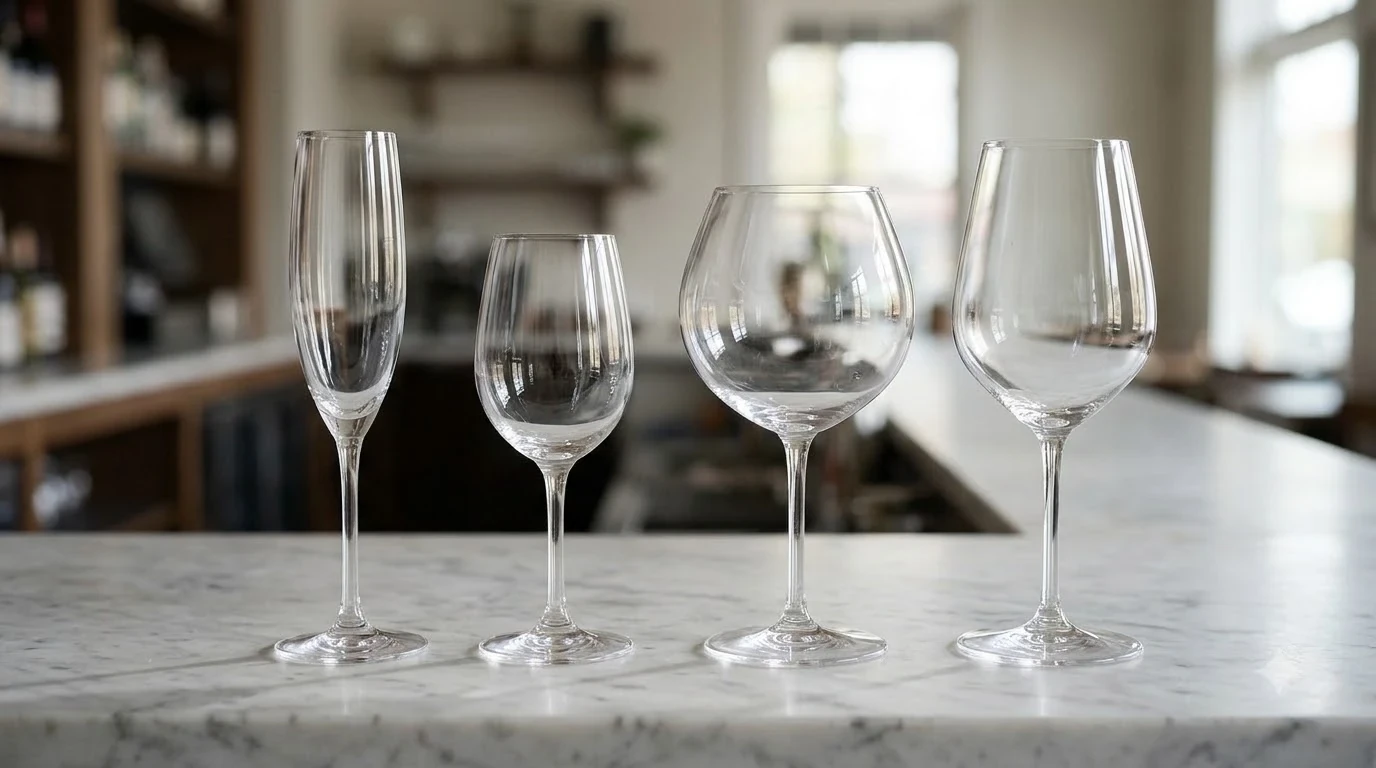
rcr wine glasses are Italian Luxion crystal stemware with a broad choice of bowl sizes and designs for everyday pours and more formal wine service. The strongest options are the Invino shapes for wine-focused use and Timeless for a decorative, versatile table setting. Expect clear, bright glass and dishwasher-safe material, but remember that crystal can still break and some larger bowls feel substantial in the hand.
RCR is not a single-glass purchase: its wine range includes compact shapes, large bowls, universal designs, and patterned collections. The right choice depends on whether you want room for red-wine aromas, a smaller glass for whites, or a matching set that works across the dinner table. This review explains the differences, checks the published capacities, and shows how RCR fits among practical wine glasses.
Specs and Key Features
RCR’s main advantage is choice: the Invino line includes a 46 cl white-wine-oriented bowl and a 66 cl red-wine bowl, while Timeless offers a 55 cl glass with a more decorative profile. The company makes its Luxion material central to the range, describing it as ultra-clear, resistant, dishwasher safe, and recyclable.
| Glass / collection | Capacity | Height | Maximum diameter | Best-use description |
|---|---|---|---|---|
| Invino I45 | 46 cl / 15.45 oz | 220 mm | 87 mm | Chardonnay, Trebbiano, Tocai, and mature whites |
| Invino I56 | 57 cl / 19.1 oz | 235 mm | 93 mm | Young reds that benefit from slower oxygen interaction |
| Invino I66 | 66 cl / 22.45 oz | 240 mm | 92 mm | Bordeaux blends and other reds needing ample air |
| Timeless T55 | 55 cl / 18.42 oz | 238 mm | 96 mm | Wine service with a modern, decorative look |
| Brillante wine glass | 230 ml or 290 ml | 190 mm or 210 mm | Not listed | Smaller, patterned table-service options |
The Invino numbers come from RCR’s individual product listings, which specify capacity, height, diameter, and a six-piece box for I45 and I66. RCR recommends I66 for Cabernet Sauvignon, Merlot, Petit Verdot, and Syrah; I45 is intended for Chardonnay, Trebbiano, Tocai, and mature whites. I56 sits between them at 57 cl and is intended for young reds that benefit from slower oxygen interaction. These capacities are maximum vessel volumes, not serving recommendations: a normal 5 oz pour leaves room to swirl and keeps wine below the widest part of the bowl. The I56 also has a fairly long stem and a narrowing mouth, which RCR says helps keep the bowl away from the hand and bring aromas together. That design is relevant if you often serve young Syrah or other reds with peppery aromas, rather than simply wanting the largest available goblet.
Timeless T55 is a generous 55 cl glass with a decorative profile; RCR lists it for both wine and mixology. Brillante has a more compact choice: Dunelm lists 230 ml and 290 ml versions at 19 cm and 21 cm high. The material across the range is RCR’s patented Luxion superior-sound glass, which the company describes as ultra-clear and resistant. Its resistance claims should be read as a design goal, not a promise that a stem or rim cannot chip; glass remains breakable. RCR’s manufacturer listing for the Invino I66 gives its dimensions and intended use.
What Owners Like
Owner feedback on particular RCR sets tends to focus on appearance, clarity, and how the glass feels in use. Timeless comments mention sparkle, an attractive finish, and a balanced stem, while retailer descriptions also emphasize the visual clarity of Luxion and dishwasher convenience.
On Temple & Webster’s listing for the Timeless 298 ml red-wine set, buyers describe the glasses as elegant and pleasant to drink from. One verified buyer specifically likes the weight and stem balance; another says the glasses sparkle, while a different comment praises the presentation and finish. These remarks support a clear impression: RCR’s decorative collections are meant to contribute texture and presence to the table, not simply serve as plain utility glasses. The comments can be read on the retailer’s page for the Timeless 298 ml set.
That emphasis on finish is visible in the collections. Brillante uses diamond-inspired facets, Timeless has a modern patterned profile, and Invino takes a more traditional route. The choices let buyers decide whether a glass should visually recede behind the wine or add texture to the table. Owners also value practical Luxion features: RCR identifies it as dishwasher safe, and retailer pages for Brillante and Timeless repeat that care feature. Dishwasher suitability is useful for a six-glass set used regularly, but careful loading and keeping stems away from heavier items remain sensible ways to reduce accidental damage.
Another positive is the spread of sizes. Someone who mainly drinks aromatic whites can choose the 46 cl Invino I45 rather than defaulting to a broad red-wine bowl; a Cabernet or Syrah drinker can select I66 for more room to swirl. Treat customer comments as clues about priorities such as weight and appearance, not as a controlled comparison of every RCR collection.
Common Complaints
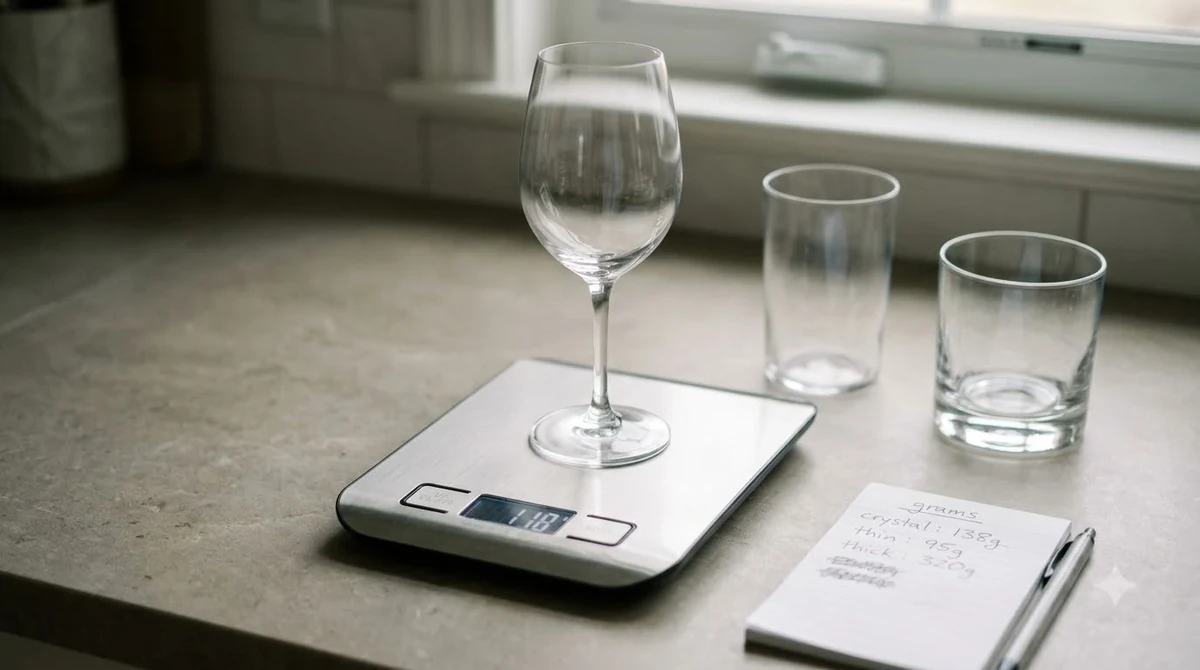
The clearest drawback in available buyer comments is weight: some owners find the Timeless glass larger and heavier than expected. A second practical concern is breakage in delivery or use, a reminder that “resistant” crystal is still glass rather than an unbreakable material.
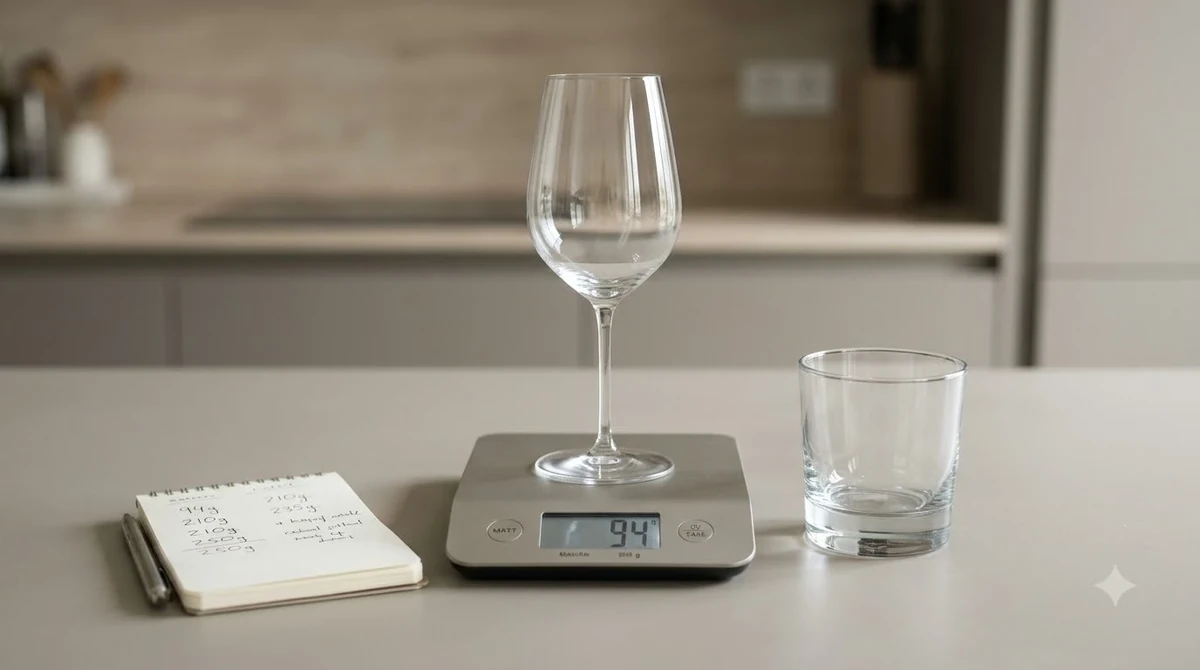
Temple & Webster lists an individual Timeless 298 ml red-wine glass at about 0.3 kg and measures it at 20.9 cm tall. One verified buyer praises the weight and balance, while another says the glasses felt larger and heavier than expected. The same heft can feel reassuring to one person and cumbersome to someone who prefers a delicate stem. The 66 cl Invino I66 and 55 cl Timeless T55 also deserve a cupboard check: compare their listed heights with shelf clearance and consider whether the bowl diameter fits the dishwasher rack.
Delivery damage is another issue visible in retailer feedback. A Wayfair buyer of an RCR Melodia red-wine set reported receiving broken glasses and being left with only four usable pieces. Other buyers on that listing praise the appearance, so this is not proof of a general manufacturing defect; it does show why packaging, a clear returns process, and an immediate count of delivered pieces matter when ordering stemware online. Ask the seller how it handles a set that arrives incomplete, and keep the outer carton until you have checked every rim, stem, and foot. A damaged piece should not be put into service just because the rest of the set is intact.
There is also a product-selection risk because RCR offers multiple collections and sizes. Brillante’s smaller listed capacities are not interchangeable with Invino I66’s 66 cl bowl, and patterned Timeless will not look or feel like the classic Invino design. Buyers who order by brand name alone can end up with the wrong scale or visual style even if the glass itself is well made.
Tip: Before buying a boxed set, compare the item code, capacity, height, and pack quantity on the product page. Photograph the contents as you unpack them, and report any transit damage promptly rather than waiting until the first dinner party.
Who Should Buy and Who Should Skip
RCR is a good fit for buyers who want clear crystal, coordinated styling, and a choice of bowl shapes without moving into ultra-delicate specialist stemware. Invino makes the range especially useful for people who drink both textured whites and fuller reds, while Timeless and Brillante suit shoppers who put table appearance high on the list.
Choose Invino I66 for Cabernet Sauvignon, Merlot, Syrah, Bordeaux blends, or other reds for which a broad bowl and generous air space are useful. RCR gives this model a 66 cl capacity and identifies those grape varieties in its product description. For Chardonnay, Trebbiano, and Tocai, the 46 cl Invino I45 is more targeted; RCR recommends it for complex aromatic expression and medium- or long-aged whites, including some skin-contact wines. If your usual bottles are crisp Sauvignon Blanc, young Pinot Grigio, or sparkling wine, you may prefer a smaller or narrower shape instead of a wide bowl designed around oxygen exposure.
Choose Timeless if you want a decorative profile that can also serve cocktails: the 55 cl T55 is listed for wine and mixology. Brillante is worth considering if you like faceted detailing and more compact servings. Compare capacities and bowl shapes with other red wine glasses, rather than choosing only by pattern. A household that serves wine only occasionally may be better served by a compact 230 ml Brillante-style bowl than by three oversized Invino shapes that need extra storage room. Skip the larger RCR bowls if you prefer ultra-light stemware, have limited cabinet clearance, or often carry glasses through crowded rooms. The feedback about Timeless weight suggests the feel is not ideal for everyone; stemless wine glasses offer a different format, although they warm in the hand more quickly.
How It Compares to Alternatives
RCR sits in the practical crystal-and-design part of the market: it combines decorative collections with functional wine-specific shapes, rather than concentrating only on minimalist universal stemware. That makes the brand more varied than a one-model range, but it also means buyers must choose among capacities and finishes instead of assuming every RCR bowl performs the same way.
Within RCR, Invino I56 is a useful middle option at 57 cl. RCR describes it for young reds that benefit from slower oxygen interaction and says its long stem keeps the bowl away from the hand; I45 has a smaller capacity and white-wine focus, while I66 is larger and aimed at Bordeaux blends. Bon Appétit’s wine-glass buying coverage names Glasvin the Universal, Schott Zwiesel Level 18-Oz. All-Purpose Square, Riedel Sommeliers Grand Cru, and Zalto Denk’Art Champagne among its selections. Those names represent different priorities: all-purpose service, a budget universal shape, Burgundy-focused specialty service, or sparkling-wine pours. RCR’s Invino and Timeless pieces are best compared by use and design rather than treated as direct equivalents of every glass in those categories.
A universal glass is simpler for a small kitchen or a household that rotates between reds and whites; a dedicated red-wine bowl makes more sense if most bottles are structured reds and you value extra room for swirling. For broader context on shapes and makers, browse our guide to Glassware Brands and compare bowl, rim, stem, and base—not just the material name. RCR’s differentiator is its proprietary Luxion crystal, decorative patterns, and specific wine-focused designs. The company lists several other tableware collections too, so a buyer can coordinate styles across stemware and tumblers. The trade-off is that more substantial decorative pieces can feel heavier and take up more space than very light specialist stems. For a direct comparison, prioritize the glass shape that fits your usual wine and hand comfort over a broad brand-versus-brand label.
Frequently Asked Questions
These details distinguish RCR’s material, origin, and product range from what a generic crystal-glass listing might tell you. The most useful specifics include the company’s 1967 founding, its Tuscany production site, and the different roles assigned to the Timeless and Invino collections.
Where are RCR wine glasses made?
RCR Cristalleria Italiana says it was founded in 1967 in Tuscany and that its production plant is in Colle di Val d’Elsa, in the province of Siena. The company describes its process as integrated in Italy, from design and raw-material procurement through the finished product.
What does “Luxion” mean on an RCR glass?
Luxion is RCR’s proprietary superior-sound glass material, rather than a separate coating or decorative finish. The company describes its composition as including at least 10% noble oxides, a detail that helps explain why RCR markets it as a distinct crystal-glass formulation.
Are RCR glasses lead-free?
RCR’s Luxion description identifies the material as superior-sound glass with noble oxides, but that page does not specify a lead percentage or make a separate lead-free declaration. Buyers who need a formal material declaration for a particular use should request confirmation for the exact item rather than infer composition from the word “crystal.”
How many Timeless T55 glasses come in a box?
RCR lists six pieces per box for the Timeless T55. That makes it a practical option for buyers assembling a coordinated six-place table setting or replacing a matching set.
Does RCR make matching pieces beyond wine glasses?
Yes. RCR’s tableware catalog includes flutes, tumblers, water glasses, decanters, and tasting sets. The company describes its Aria and Universum tasting sets as combinations of two or six goblets with a decanter, which can help build a coordinated service beyond everyday stemware.
RCR is worth considering if clear Luxion crystal, Italian production, and a choice of functional or decorative bowls matter more than an ultra-light specialist feel. Start with the wine styles you serve most often, then choose the capacity and design that fit your hand, storage space, and table.
More in Wine Glasses
 Zwiesel Glas Champagne Flutes for Durable Everyday Sparkling WineUpdated Nov 20, 2026
 Vera Wang Crystal Wine Glasses: Design, Quality and Buying AdviceUpdated Nov 20, 2026
 West Elm White Wine Glasses: Compare Designs for Better Everyday Wine ServiceUpdated Nov 20, 2026
 Zalto Stemless Wine Glasses: Discover Their Distinctive DesignsUpdated Nov 20, 2026
 Viski Champagne Glasses That Match Your Style and Sparkling WineUpdated Nov 20, 2026
 Vista Alegre Decanter Review: Crystal Style and Wine ServiceUpdated Nov 20, 2026