

We may earn a commission when you buy through links on this page, at no extra cost to you. Learn more.
Riedel wine glasses on sale are worth considering if you want varietal-specific crystal glassware, refined designs, and a better wine-serving experience without paying full retail. The brand offers several collections, including Vinum, Veritas, Veloce, and O, with differences in construction, weight, bowl shape, and everyday practicality. The smartest purchase is usually a glass designed for the wines you drink most, rather than the largest discounted set.
RIEDEL has built its reputation around the relationship between wine and glass shape. Its collections range from practical machine-made stemware to exceptionally lightweight premium designs and traditional handmade crystal. That variety creates opportunities for shoppers, but it also makes comparing products important. A discounted glass is only a worthwhile purchase if its shape, construction, and care requirements match the way you entertain and drink wine. This review examines the major collections, owner feedback, potential drawbacks, and the details to check before buying.
Specs and Key Features
RIEDEL’s main strength is its combination of wine-specific glass shapes and several manufacturing approaches. Vinum, Veritas, Veloce, and O illustrate how the brand accommodates different priorities, from traditional stemware to lightweight designs and casual stemless glasses.
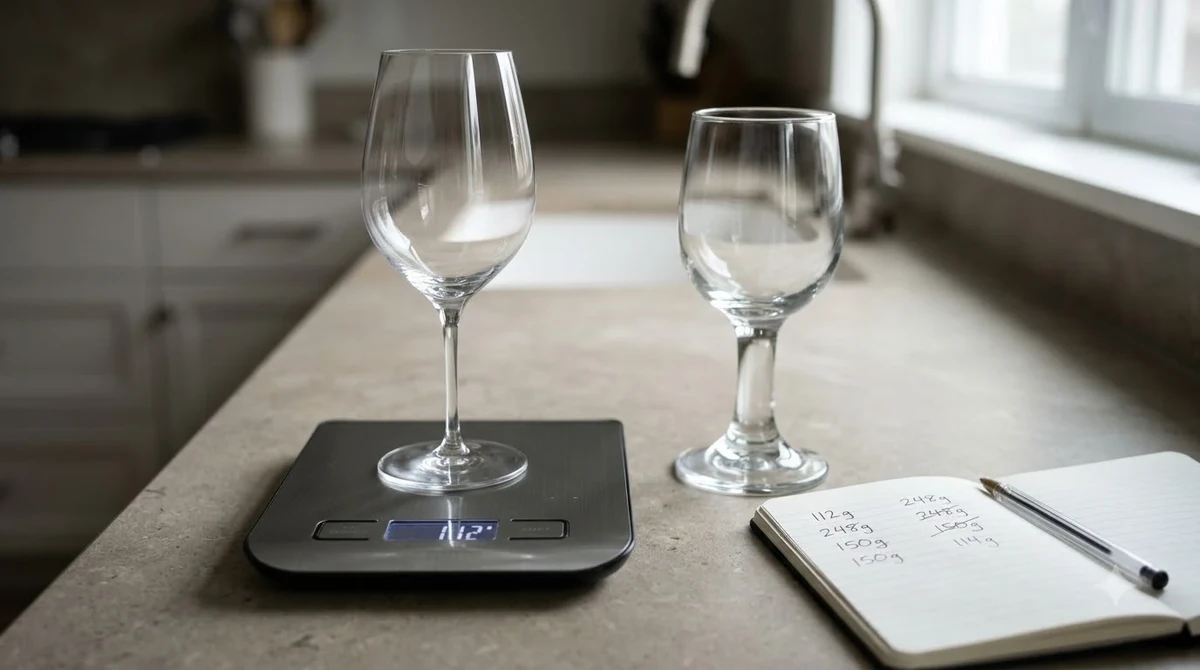
The brand’s philosophy centers on the relationship between bowl shape, size, and rim diameter. These features influence how wine aromas collect, how easily the wine can be swirled, and how the liquid reaches the palate. RIEDEL develops different shapes for grape varieties and wine styles rather than relying exclusively on one universal glass. Its official collections include dedicated options for Cabernet Sauvignon, Pinot Noir, Riesling, and other varieties.
Manufacturing is another important distinction. Traditional handmade glasses involve individual craftsmanship, while machine-made collections offer greater consistency between pieces. Premium machine-made ranges attempt to combine detailed shapes with the repeatability of modern manufacturing. This gives shoppers several ways to approach RIEDEL glassware without assuming every collection offers the same experience.
| Collection or design | Construction | Main characteristic | Best suited to |
|---|---|---|---|
| Vinum | Machine-made crystal | Traditional varietal-specific shapes | Regular wine drinkers |
| Veritas | Machine-made crystal | Lightweight, fine-blown construction | Enthusiasts wanting refined stemware |
| Veloce | Premium machine-made crystal | Modern, lightweight proportions | Premium everyday entertaining |
| Sommeliers | Handmade crystal | Traditional artisanal craftsmanship | Collectors and special occasions |
| O | Machine-made crystal | Stemless, stackable design | Casual entertaining |
| Wine Friendly | Machine-made designs | Versatile wine-serving shapes | Buyers wanting fewer specialized glasses |
| GRAPE@RIEDEL | Machine-made crystal | Multipurpose glass designs | Wine and cocktail drinkers |
These distinctions matter because a discounted handmade glass and a discounted machine-made glass are not necessarily interchangeable purchases. Handmade construction can provide individual character, while machine production generally provides more consistent dimensions across a set. Neither approach automatically guarantees better wine enjoyment. The right choice depends on whether craftsmanship, consistency, convenience, or price is the priority.
For shoppers comparing different collections, the Glassware Brands overview provides another useful starting point. It helps put RIEDEL’s approach into the broader glassware market.
One particularly useful specification example comes from the RIEDEL O Cabernet and Merlot listing at Macy’s. The featured glasses measure 4.9 inches tall and hold 21.1 ounces. Macy’s identifies them as machine-blown crystal and dishwasher safe. These measurements apply to that specific listing, not every RIEDEL O glass.
RIEDEL also states that its crystal glass production has excluded lead oxide as a principal ingredient since 2015. This is useful information for shoppers comparing older crystal terminology with contemporary glassware. Material descriptions should still be evaluated at the individual collection level rather than assuming all products from different manufacturers use identical compositions.
For an additional collection-by-collection explanation, RIEDEL’s official collection overview identifies its major glassware families and their intended characteristics.
What Owners Like
Positive owner feedback frequently centers on the appearance, lightweight feel, and wine-specific shapes of RIEDEL glasses. Customers who appreciate fine glassware often value the difference between a carefully shaped wine glass and a heavier general-purpose drinking glass.
The brand’s varietal-specific approach is a major attraction. A Cabernet Sauvignon glass and a Pinot Noir glass are not simply different sizes of the same product. Their bowls are designed around different wine characteristics. Cabernet Sauvignon generally has high tannin, while Pinot Noir usually has lower-to-medium tannin and higher acidity. Different bowl proportions provide a way to tailor the serving experience to those distinctions.
The Vinum collection is particularly appealing to shoppers who want traditional RIEDEL design without moving directly into handmade glassware. Its machine-made construction provides consistency, and its range includes options for several familiar grapes. Wineware identifies the Vinum Bordeaux glass as a versatile choice for Cabernet Sauvignon, Merlot, and other full-bodied reds. That makes it a practical starting point for households that regularly serve structured red wines.
Veritas attracts buyers who prioritize a lighter, finer-feeling glass. Wineware describes it as a machine-made collection designed to bring the refined feel of handmade glassware into a more consistent production format. The collection also includes distinctions between certain Old World and New World expressions of the same grape variety. For enthusiasts who regularly compare regional wine styles, that specialization can be appealing.
Veloce offers another premium machine-made option. RIEDEL describes the collection as using advanced manufacturing technology at its Weiden, Germany, factory. Its modern proportions and lightweight construction make it attractive to shoppers who want a more contemporary presentation without selecting handmade stemware.
Stemless glasses also receive favorable comments for convenience. Macy’s customer-review summary for the RIEDEL O Cabernet and Merlot set identifies the design’s appearance, handling convenience, and suitability for casual entertaining as positive characteristics. Without a stem, the glass can be easier to store and less awkward to handle in some everyday settings.
Another appealing feature is the choice of individual glasses and coordinated sets. Buyers who frequently entertain can build a consistent table setting, while smaller households can select only the glass shapes they need. There is little reason to purchase a dozen specialized glasses if most evenings involve just one or two wine styles.
The best owner experience is therefore often associated with selecting the correct design rather than collecting every available shape. A well-chosen pair of glasses for frequently served wines can be more useful than an oversized assortment that takes up storage space.
Common Complaints
Fragility is the most important practical concern to consider before purchasing RIEDEL glassware. Lightweight crystal can feel refined, but thin rims, delicate stems, and careful manufacturing do not make a glass immune to accidental damage.
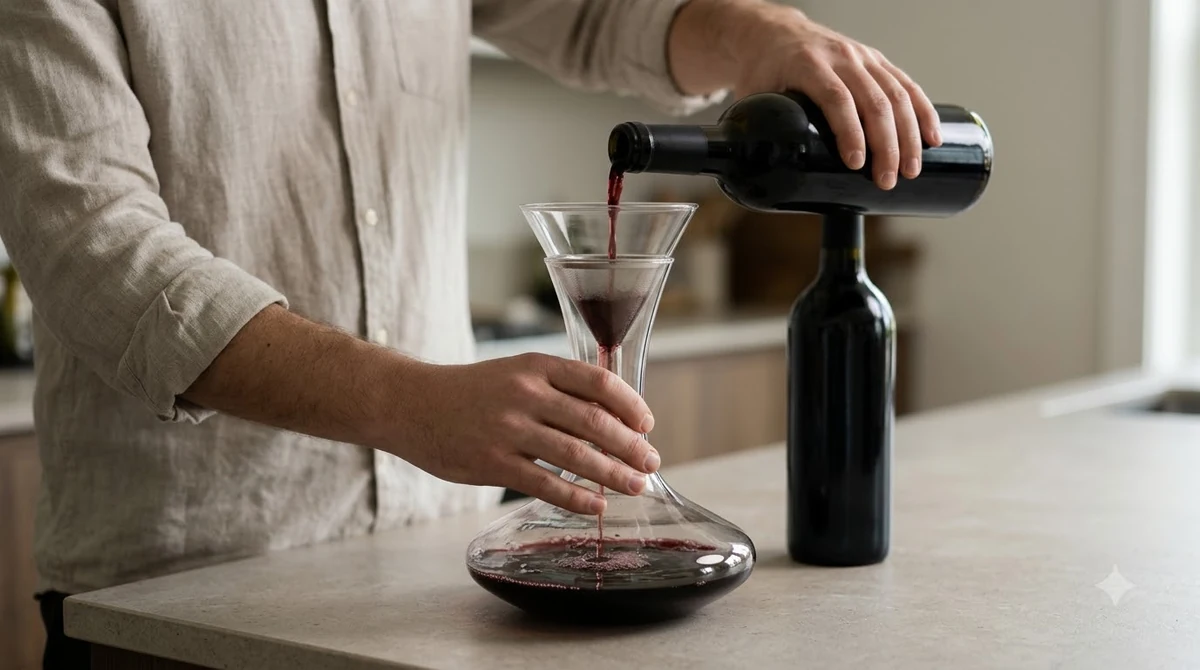
Customer feedback at Macy’s includes complaints about thin construction and breakage in the RIEDEL O collection. Some customers appreciate the glasses’ elegant appearance but report that they are more delicate than expected. Other reviewers describe replacing glasses after several years of use. These contrasting experiences show why owner feedback should be treated as a range of experiences rather than a guarantee of durability.
There are also complaints about finish consistency. One Macy’s customer reported an unsatisfactory rim finish on an O glass. Although an individual complaint cannot establish a widespread manufacturing problem, it illustrates why inspecting the rim is sensible, particularly when purchasing discounted or clearance merchandise.
Handmade glasses bring a separate consideration. RIEDEL explains that small variations in dimensions, weight, bubbles, or surface texture can occur during handmade production. These characteristics may reflect the manufacturing process rather than damage. Buyers should distinguish between an expected handcrafted variation and a genuinely defective or chipped glass.
Another potential disappointment is purchasing a collection based primarily on its appearance. A tall, lightweight glass can look impressive, but it may be less suitable for households with limited storage space or frequent casual use. Similarly, a large bowl may be attractive without being practical for a small dishwasher or crowded cabinet.
Specialized glass shapes can also increase the number of pieces needed to serve different wines. Someone who regularly drinks Cabernet Sauvignon, Pinot Noir, Sauvignon Blanc, Chardonnay, and sparkling wine might be tempted to purchase five separate sets. That approach can become expensive and impractical even when individual glasses are discounted.
There is also a difference between dishwasher-safe construction and careless dishwasher use. RIEDEL states that most glasses pass its dishwasher-resistance testing, but its instructions still emphasize spacing and proper support. A glass that repeatedly contacts another item during washing remains vulnerable to damage.
Discounted merchandise deserves particular attention. A lower price does not explain whether a product is discontinued, has damaged packaging, is sold as an individual replacement, or comes from a standard collection. Shoppers should establish exactly what is included before ordering.
Tip: Before purchasing discounted RIEDEL glasses, inspect the rim, bowl, stem, and base individually. For sets, confirm the number of glasses, collection name, exact glass shape, and whether all pieces are new and free from chips or visible damage.
These considerations do not make RIEDEL a poor choice. They simply mean that shoppers should place more importance on construction and intended use than on a promotional label. A glass that fits everyday routines is more valuable than a delicate specialty shape that rarely leaves the cabinet.
Who Should Buy and Who Should Skip
RIEDEL is a strong option for wine drinkers who appreciate thoughtfully shaped glassware and want to match their glasses to the wines they regularly serve. It is less compelling for buyers who prioritize maximum impact resistance, inexpensive replacement, or a single universal design for every beverage.
Who should consider buying
Regular red wine drinkers: People who frequently open Cabernet Sauvignon, Merlot, Pinot Noir, or Syrah can benefit from selecting a bowl designed for their preferred grapes. A Vinum Bordeaux glass is a sensible starting point for households that serve Cabernet Sauvignon and Merlot regularly. Pinot Noir drinkers may prefer a different bowl designed around that grape’s aromatic profile.
Wine enthusiasts upgrading basic stemware: Buyers who currently use thick, general-purpose glasses may appreciate the lighter construction and more specialized shapes available in Veritas or Veloce. The difference is not necessarily about making every wine taste dramatically different. It is also about rim refinement, handling, aroma presentation, and the overall serving experience.
Frequent entertainers: People who host dinner parties or wine gatherings may appreciate matching glassware. A coordinated collection can create a more polished table, particularly when serving several wines with different courses. For example, a dinner featuring Cabernet Sauvignon with beef and Riesling with a lighter course provides a practical reason to use different glass shapes.
Collectors and gift buyers: Handmade RIEDEL collections can appeal to people who appreciate traditional glassmaking. A carefully selected pair or small set can make a thoughtful gift for a wine enthusiast, particularly when the recipient already has an established preference for a specific grape or collection.
Casual households: RIEDEL O stemless glasses offer a more relaxed alternative to traditional stemware. They can suit informal meals, small apartments, and households that prefer glasses without long stems. The stackable design is another practical consideration for buyers with limited cabinet space.
Who should skip or reconsider
Households with frequent breakage: Families with young children, crowded kitchens, or limited dishwashing space may prefer sturdier everyday glassware. A delicate stemmed design may not be the most practical option for a busy household.
Buyers who want maximum versatility: Someone who drinks different wines occasionally may not need several specialized collections. A versatile wine-friendly glass can cover more situations while keeping storage simple.
People who dislike careful maintenance: Although many RIEDEL glasses are dishwasher safe, they still need adequate spacing and careful handling. Anyone who prefers to throw all glassware into a crowded dishwasher without arranging it should consider a more forgiving everyday alternative.
Shoppers buying only for a promotional label: A discount should not determine the glass shape. If the discounted glass is intended for a grape that the buyer rarely drinks, the purchase may provide little practical value. Selecting the right collection is more important than chasing the largest advertised reduction.
For shoppers who are still comparing general-purpose designs, the wine glasses overview can help establish which construction and bowl styles make sense for different households.
How It Compares to Alternatives
RIEDEL competes across several types of wine glassware rather than offering just one standardized product. Its traditional stemware, premium machine-made collections, handmade pieces, and stemless designs address different priorities, so the most useful comparison is between the intended experiences.
Vinum versus Veritas
Vinum is the traditional choice for buyers who want grape-specific glassware with established machine-made construction. Its collection includes several recognizable wine shapes, making it suitable for someone who wants to build a useful selection gradually.
Veritas is more appropriate for buyers who prioritize lightweight construction and finer proportions. Wineware describes Veritas as noticeably lighter and finer than Vinum, while retaining the consistency of machine production. It also includes certain glasses that distinguish between regional expressions of the same grape.
The choice depends on handling preferences. Someone who likes a traditional, more substantial glass may prefer Vinum. Someone who wants a lighter and more refined drinking experience may favor Veritas.
Veloce versus Veritas
Both collections target buyers who want premium machine-made glassware. Veloce has a contemporary appearance and uses RIEDEL’s advanced production technology. Veritas offers a more traditional interpretation of lightweight, fine-blown stemware.
Neither is automatically the correct choice for every wine drinker. Compare the individual glass shapes, dimensions, and weight rather than assuming the newer-looking collection will be more suitable. If the desired grape-specific shape is available in both, handling and design preferences can become the deciding factors.
Handmade Sommeliers versus machine-made collections
Sommeliers represents RIEDEL’s traditional handmade approach, while Vinum, Veritas, and Veloce use machine production. Handmade construction offers individual craftsmanship and may appeal to collectors who value traditional glassmaking. Machine-made construction provides greater consistency between individual pieces.
RIEDEL’s own explanation of handmade production notes that small variations in dimensions and surface characteristics can occur. Buyers who expect every handmade glass to look absolutely identical should understand that these differences are part of the process.
Stemless O versus traditional stemware
The RIEDEL O collection is designed for people who prefer a stemless format. It offers a casual alternative that is easy to handle and can be convenient for storage. Its bowl still follows the brand’s varietal-specific approach, so choosing an O glass does not mean abandoning wine-focused design.
Traditional stemware remains preferable for many formal occasions and for people who like holding the glass by its stem rather than warming the bowl with their hand. A stem also makes swirling easier for some drinkers, particularly with fuller-bodied reds.
For buyers who primarily drink red wine, comparing the available red wine glasses can help identify whether a dedicated red-wine bowl or a more general-purpose glass makes better sense. Those who prefer a casual format can also compare stemless wine glasses before committing to a particular collection.
How to judge a discounted alternative
RIEDEL should not be compared with another brand solely by the number of glasses in a package. A set containing several large bowls may offer less practical value than a smaller selection of shapes that match the wines actually served.
Look at the glass material, manufacturing method, rim thickness, bowl proportions, overall height, and dishwasher instructions. Consider whether replacement pieces are available individually. These factors help determine long-term usefulness more reliably than packaging appearance.
Also consider storage. A collection with tall stems and oversized bowls may require more cabinet clearance than a compact everyday set. Stemless glasses can reduce storage demands, but they do not eliminate the need for careful handling.
Frequently Asked Questions
Are all RIEDEL wine glasses made in Germany?
No. RIEDEL manufactures glassware through different production facilities and methods. Its official information identifies Kufstein, Austria, as the location of its handmade and hand-finished production, while its Veloce collection is associated with its factory in Weiden, Germany. The manufacturing location therefore depends on the specific collection.
How can shoppers distinguish handmade RIEDEL glasses from machine-made versions?
RIEDEL explains that handmade and hand-finished products have a distinctive trademark on the base, while machine-made products carry a typed trademark. Handmade pieces also include the year of production in their identifying mark. This provides a useful way to distinguish manufacturing categories when comparing individual pieces.
Does RIEDEL make glasses specifically for rosé wine?
Yes. RIEDEL’s glassware range includes designs intended for different wine categories, including rosé. The appropriate choice depends on the wine’s structure, aromatic character, and intended serving style. A light, dry rosé and a fuller-bodied rosé do not necessarily require identical glassware.
Can RIEDEL glasses be used for drinks other than wine?
Yes. RIEDEL also produces barware and multipurpose collections. GRAPE@RIEDEL is presented as a collection suitable for wine and cocktails, while the brand’s Drink Specific Glassware range addresses different cocktail and spirit styles. These collections are worth considering for households that want coordinated glassware beyond wine service.
What should buyers do if a RIEDEL glass arrives damaged?
Keep the packaging and photograph the damaged glass before disposing of anything. RIEDEL’s US customer-service guidance requests the order number, order date, contact information, and a photograph when reporting a broken delivery. Buyers should also retain their retailer receipt because the seller’s return or replacement process may differ from the manufacturer’s procedure.
RIEDEL wine glasses make the most sense for shoppers who value grape-specific shapes, thoughtful construction, and attractive presentation. Vinum is a practical starting point, Veritas and Veloce suit buyers seeking lighter premium machine-made designs, and O offers a convenient stemless alternative. Before purchasing a discounted set, compare the exact collection, glass shape, construction, condition, and care requirements so the savings translate into glassware that will actually be used.
More in Wine Glasses
 Zwiesel Glas Champagne Flutes for Durable Everyday Sparkling WineUpdated Nov 20, 2026
 Vera Wang Crystal Wine Glasses: Design, Quality and Buying AdviceUpdated Nov 20, 2026
 West Elm White Wine Glasses: Compare Designs for Better Everyday Wine ServiceUpdated Nov 20, 2026
 Zalto Stemless Wine Glasses: Discover Their Distinctive DesignsUpdated Nov 20, 2026
 Viski Champagne Glasses That Match Your Style and Sparkling WineUpdated Nov 20, 2026
 Vista Alegre Decanter Review: Crystal Style and Wine ServiceUpdated Nov 20, 2026