

We may earn a commission when you buy through links on this page, at no extra cost to you. Learn more.
Josephine wine glasses are premium, mouth-blown lead-free crystal glasses from Josephinenhütte, designed to bring out different wine styles through distinctive bowl shapes. The collection includes four main designs: No. 1 for white wine, No. 2 for versatile everyday use, No. 3 for red wine, and No. 4 for Champagne. Their craftsmanship, light feel, and unusual profiles make them appealing to serious wine drinkers, although their delicate construction and specialized designs may not suit every household.
Wine glasses influence how aromas collect, how wine reaches the palate, and how comfortable a glass feels during a meal. Josephinenhütte approaches these details with a collection that combines traditional European glassmaking with an unconventional silhouette. Designed by Kurt Josef Zalto, the Josephine range has attracted attention from wine professionals and collectors, but the important question for buyers is whether its design offers enough practical value to justify choosing it over more conventional glassware.
Josephine Wine Glasses: Specs and Key Features
The Josephine collection combines handmade construction, lead-free crystal, and four principal bowl designs. Each glass serves a different purpose, so choosing the right number is more important than simply selecting the largest or most unusual shape.
Josephinenhütte describes its glasses as mouth-blown, handcrafted pieces made in European glassmaking workshops. The collection’s designer, Kurt Josef Zalto, is associated with distinctive wine-glass shapes that place considerable emphasis on the relationship between the bowl, the opening, and the wine’s aromatic presentation. The company also makes clear that Josephinenhütte has no business affiliation with Zalto Glas GmbH.
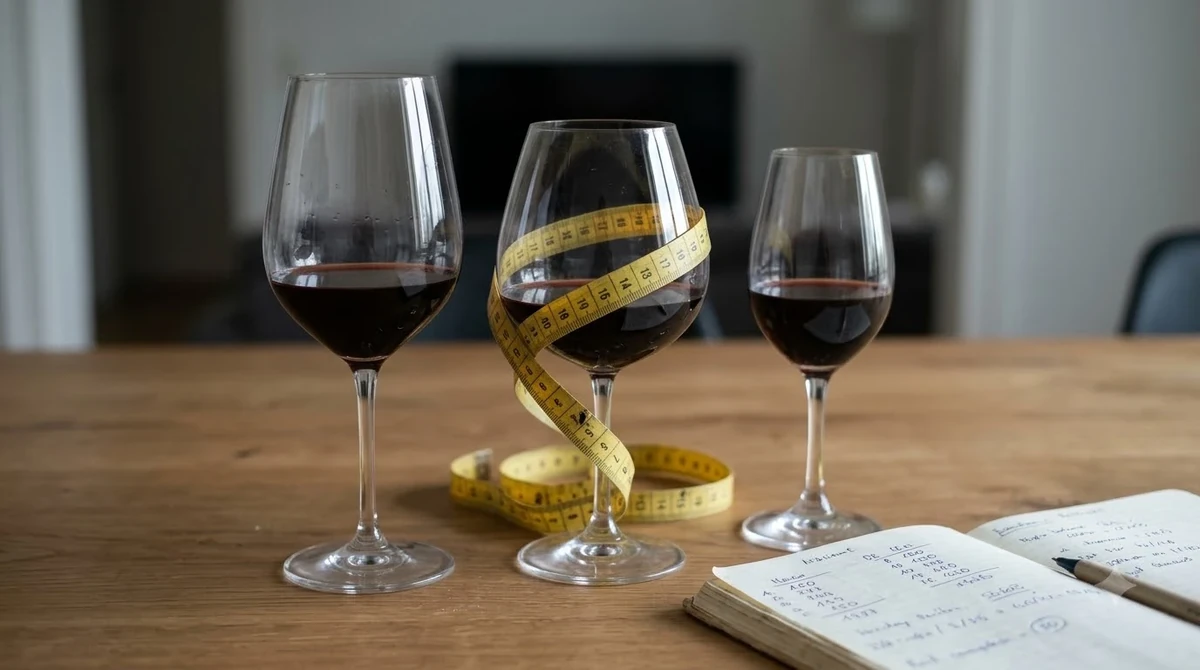
The four main glasses share a tall, elegant stem and a distinctive bowl profile. Their dimensions differ considerably, particularly between the white-wine and red-wine versions. No. 3 has an especially generous capacity, while No. 1 offers a more restrained volume intended for delicate wines. These differences are functional rather than simply decorative.
| Model | Primary purpose | Height | Capacity | Diameter |
|---|---|---|---|---|
| Josephine No. 1 | White wine | 24 cm | 450 ml | 8.2 cm |
| Josephine No. 2 | Universal wine | 24 cm | 550 ml | 9 cm |
| Josephine No. 3 | Red wine | 24 cm | 800 ml | 11 cm |
| Josephine No. 4 | Champagne | 24 cm | 400 ml | 9 cm |
These specifications come from the manufacturer’s US product information. The four glasses are made from lead-free crystal, and the mouth-blown production process means that minor differences between individual pieces are normal. Buyers should not expect every bowl to have precisely identical contours or every glass to feel exactly the same.
One of the most recognizable design features is the indentation or kink in the bowl. Josephinenhütte presents this shape as a functional feature intended to encourage wine aeration and help aromas develop. The thin walls also contribute to a light, balanced sensation when holding the glass. These characteristics distinguish the collection from heavier, machine-made alternatives.
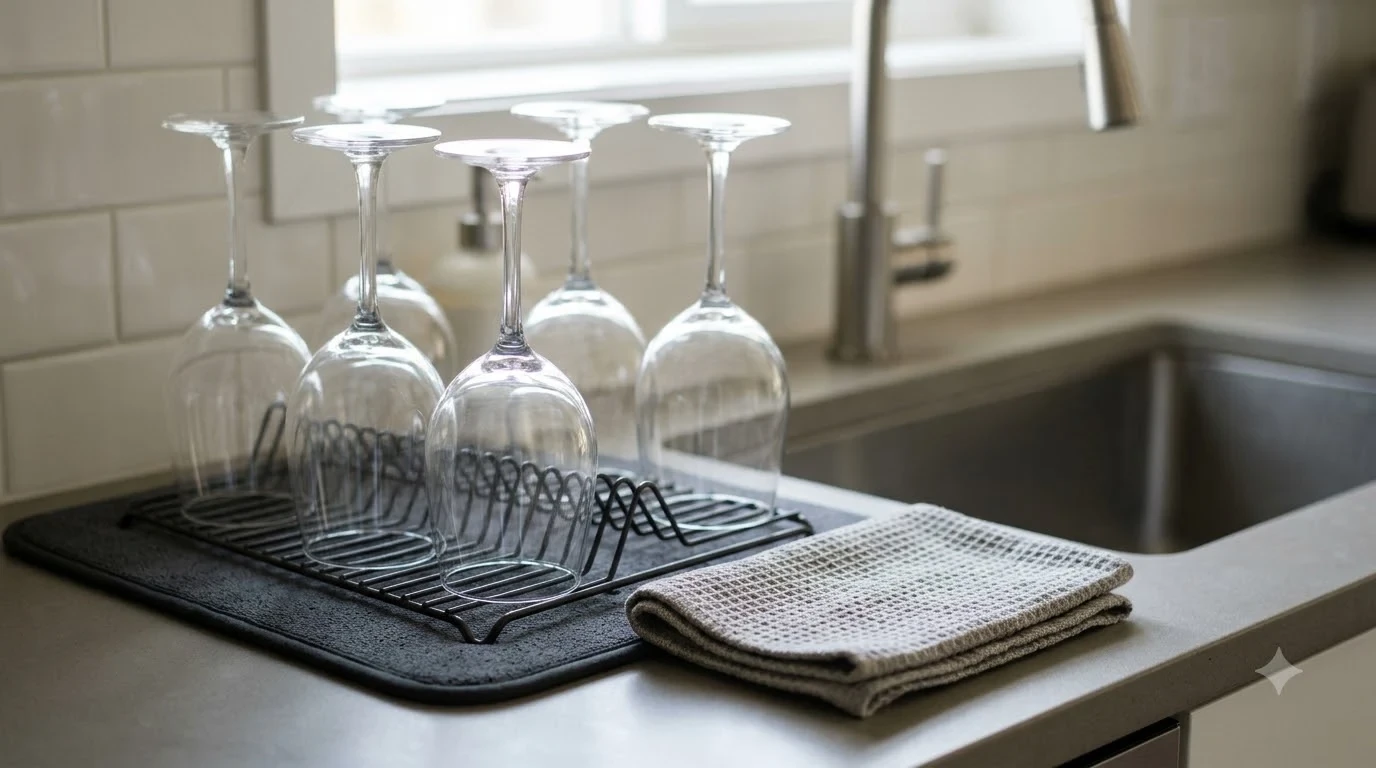
The manufacturer’s product information identifies the glasses as dishwasher safe. However, it recommends hand washing and polishing with a soft linen cloth for longer-lasting enjoyment. That distinction matters: dishwasher compatibility does not mean that a delicate handmade glass should be handled carelessly.
For shoppers comparing different styles, our overview of wine glasses provides useful context on bowl shapes, materials, and everyday versatility.
What Owners and Wine Reviewers Like About the Four Designs
The strongest attraction of the Josephine collection is its combination of individual glass shapes and a consistent handmade appearance. Wine Enthusiast’s review discusses the differences between No. 1, No. 2, No. 3, and No. 4, highlighting how each can suit a particular wine style.
Josephine No. 1 is designed around freshness and aromatic concentration. Its 450 ml capacity and 8.2 cm diameter make it the more restrained option in the main collection. The manufacturer recommends it for delicate, finely fruity white wines and rosés. Riesling, Grüner Veltliner, Pinot Gris, and lighter Sauvignon Blanc are useful examples of wines to consider.
The No. 1 is not limited to white wine. Josephinenhütte explains that its model names describe intended wine styles rather than rigid grape restrictions. Some lighter reds, including Gamay and Pinot Noir, can also work in this glass. This flexibility makes it more useful than its white-wine label initially suggests.
No. 2 is the collection’s universal design. Its 550 ml capacity provides more room than No. 1 without reaching the substantial proportions of No. 3. Josephinenhütte recommends it as the starting point for buyers who want one glass for both red and white wines. Wine Enthusiast also describes its versatility with wines ranging from Rioja to vintage Champagne.
No. 3 takes a different approach. Its 800 ml bowl and 11 cm diameter provide substantial space for complex reds. The larger interior is intended to give wines such as Barolo and Syrah additional room to release aromas. Wine Enthusiast discusses the glass with both structured reds and skin-fermented white wines that have tannic, oxidative characteristics.
No. 4 is the sparkling-wine specialist. Traditional narrow flutes prioritize bubble retention, but their restricted openings can limit aromatic expression. Josephine No. 4 uses a wider profile that gives Champagne, Franciacorta, and pét-nat more room to express their aromas while preserving a recognizable sparkling-wine presentation.
Wine Enthusiast’s review is particularly positive about the collection’s unusual shapes and its practical potential. The reviewer describes the glasses as light and thin-walled while also discussing their use at dinner parties and their compatibility with dishwasher cleaning. This offers a useful perspective for buyers who appreciate attractive glassware but still want to use it regularly rather than leave it permanently on display.
Another advantage is the consistent visual identity across the four models. A set containing No. 1 through No. 4 creates a coordinated table setting without requiring every guest to receive an identical glass. For people who regularly serve several wine styles during a meal, that distinction can be valuable.
Tip: If you are purchasing your first Josephine glass, start with No. 2 unless you primarily drink one specific style. Its 550 ml capacity and universal positioning make it the most practical introduction to the collection.
The overall appeal is therefore not based on one universally superior bowl. It comes from having several carefully differentiated designs that can be matched to different wines and occasions.
Common Complaints About Josephine No. 1, No. 2, and No. 3
The most important drawbacks are the delicate feel, the specialized nature of the collection, and differences of opinion about how much the unusual shapes improve wine presentation. These concerns deserve consideration before purchasing several glasses.
The first issue is fragility. Mouth-blown crystal with thin walls and delicate stems naturally requires more careful handling than thick, conventional glassware. Although Wine Enthusiast describes positive experiences with the glasses during regular use, Michael Pinkus Wine Review takes a more cautious position after examining the collection. The reviewer describes the stems as extremely light and delicate, with a feel comparable to other lightweight premium glassware.
This difference in experience is important. A glass can be suitable for regular use without being ideal for households where glasses are frequently knocked against countertops, stacked in crowded cabinets, or handled by children. Buyers who prioritize durability above appearance may prefer heavier glassware.
The second concern is the unusual bowl design. The Josephine shape is distinctive, but not every wine drinker will prefer its appearance. Some buyers may appreciate the visual character, while others may find the indentation and flared contours less traditional than the familiar Bordeaux or Burgundy profiles.
Performance assessments also vary. Wine Enthusiast reports favorable impressions of the No. 1 with Riesling and several other aromatic wines. Michael Pinkus Wine Review, however, reports a less favorable experience with the No. 1 and No. 2 when comparing them with other white-wine glasses using Sauvignon Blanc and Chardonnay.
That reviewer found that a Lucaris white-wine glass presented Sauvignon Blanc more successfully, while a Schott Zwiesel Burgundy glass performed better with the Chardonnay used in the comparison. These observations are not proof that Josephine glasses perform poorly for every wine. They do demonstrate that expensive glassware does not guarantee a better experience with every grape variety.
The No. 2 also received mixed impressions in the independent red-wine comparison. Michael Pinkus Wine Review included Josephine No. 2 and No. 3 alongside Zalto Bordeaux, Schott Zwiesel Cru Classic Bordeaux, and Lucaris Tokyo Temptation Bordeaux glasses. The reviewer repeatedly ranked the Josephine No. 3 behind the Zalto and Schott Zwiesel alternatives in that particular comparison.
Another limitation is the absence of a dedicated Burgundy glass among the four principal designs discussed in that review. Drinkers who frequently serve mature Pinot Noir or richer Chardonnay may prefer a glass specifically shaped for those wines rather than assuming that the standard white or universal model will suit every bottle equally well.
Finally, handmade construction requires realistic expectations. Small variations between pieces are part of the manufacturing process. Someone seeking identical machine-produced glassware across a large collection may find this characteristic less appealing.
These criticisms do not make the collection a poor choice. They simply mean that buyers should evaluate the design, handling requirements, and intended wines rather than relying exclusively on appearance or reputation.
Who Should Buy Josephine Wine Glasses and Who Should Skip Them
Josephine glassware is best suited to wine enthusiasts who appreciate handmade crystal, distinctive design, and separate bowls for different wine styles. It is less suitable for people who need inexpensive, heavy-duty glasses for frequent casual entertaining.
Collectors who enjoy comparing wine presentations will find the four principal models particularly interesting. No. 1 offers a focused shape for delicate whites, No. 2 works across multiple styles, No. 3 accommodates complex reds, and No. 4 provides a dedicated sparkling-wine option. Having several shapes available can make a dinner involving Riesling, Cabernet Sauvignon, and Champagne more interesting.
People who regularly drink premium red wine may be particularly interested in No. 3. Its 800 ml capacity gives it a noticeably larger profile than the other principal models. Wines such as Barolo, Syrah, and structured Cabernet Sauvignon can benefit from a spacious bowl, although the glass should not be expected to replace proper serving temperature or decanting when those steps are useful.
White-wine enthusiasts have a different reason to consider No. 1. Its 450 ml capacity is smaller than No. 2 and No. 3, making it a more focused choice for aromatic whites and rosés. Drinkers who regularly serve Riesling, Grüner Veltliner, and Sauvignon Blanc may appreciate having a dedicated glass rather than using one large bowl for every bottle.
For households that want only one premium glass style, No. 2 makes the most sense. Its universal positioning reduces the need to maintain multiple specialized sets. It is also the easiest way to explore the Josephine design without committing to four different shapes immediately.
There are also good reasons to skip the collection. Families with young children, busy restaurants with rapid glass turnover, and households with limited storage may find the delicate construction inconvenient. A heavier machine-made glass can be more practical when breakage resistance matters more than subtle differences in presentation.
Budget-conscious shoppers should also compare the cost of a complete collection with the actual number of wine styles they regularly serve. A household that primarily drinks one red wine and one white wine may not need four different bowl shapes. Two carefully selected designs can cover most occasions.
Buyers who prefer a more conventional silhouette may want to explore red wine glasses and traditional large-bowl designs before choosing No. 3. Similarly, shoppers who favor compact, casual glassware can compare the options in our guide to stemless wine glasses.
How Josephine Compares With Zalto, Schott Zwiesel, and Other Glassware
Josephine occupies the specialized end of premium wine glassware, with its mouth-blown construction and unusual bowl shapes. Comparisons with Zalto, Schott Zwiesel, and Lucaris show why personal preference and the type of wine matter as much as the visual appeal of a glass.
The most obvious comparison is with Zalto. Josephine is designed by Kurt Josef Zalto, and the two collections share an interest in lightweight construction and carefully shaped bowls. However, the brands are separate businesses. Josephinenhütte explicitly states that it has no business affiliation with Zalto Glas GmbH, so buyers should not assume that purchasing one collection provides access to the other company’s products or services.
Michael Pinkus Wine Review compared Josephine No. 3 with a Zalto Bordeaux glass, among other alternatives. In the reviewer’s red-wine comparison, the Zalto consistently performed ahead of Josephine No. 3, while Schott Zwiesel also placed ahead of it. That result offers a useful reminder that shared design influences do not necessarily produce identical results.
Schott Zwiesel represents a useful alternative for shoppers who want to consider more conventional glassware. The Cru Classic Bordeaux glass appeared in Michael Pinkus’s comparison, and the reviewer favored it over Josephine No. 3 in the red-wine exercise. Its inclusion provides a concrete reason to compare glasses based on the wine being served rather than choosing solely by brand identity.
Lucaris Tokyo Temptation also appeared in the independent comparison. The reviewer found its white-wine glass particularly successful with Sauvignon Blanc, emphasizing the grassy and tropical notes of the wine. That experience suggests that a specialized conventional white-wine glass may suit some drinkers better than the Josephine No. 1.
Wine Enthusiast presents a more favorable overall impression of Josephine’s design. Its review discusses the No. 1 with Riesling, the No. 2 with Rioja and Champagne, the No. 3 with Barolo and Syrah, and the No. 4 with sparkling wines. The contrast between these reviews is useful because it illustrates the subjective nature of glassware selection.
Neither reviewer establishes a universal ranking that applies to every wine. The shape of a glass can influence the way aromas reach the nose and how the wine is directed toward the palate, but the result also depends on the wine’s acidity, tannin, alcohol, aromatic intensity, and serving temperature.
For example, a high-acidity Riesling may present differently in No. 1 than in a broad red-wine bowl. A tannic Cabernet Sauvignon may benefit from more space in No. 3, while a lighter Pinot Noir could be comfortable in No. 2. Those differences are practical reasons to select glassware according to drinking habits.
For an independent perspective on the collection’s performance against other premium glasses, read Michael Pinkus Wine Review’s Josephinenhütte glassware comparison. Its side-by-side observations provide a useful counterpoint to more favorable impressions of the collection.
The most balanced verdict is that Josephine offers a distinctive alternative rather than an automatic upgrade over every competing glass. Buyers who value its craftsmanship and visual design may be very satisfied. Those who prioritize a particular grape’s presentation should compare it with other specialist bowls before purchasing a complete collection.
Buying, Handling, and Caring for Josephine Crystal Glasses
Buying the right Josephine model starts with identifying the wines most frequently served at home. Careful handling is equally important because the collection’s thin-walled construction rewards attention during washing, drying, and storage.
The manufacturer’s four-piece tasting set includes one glass each of No. 1, No. 2, No. 3, and No. 4. This arrangement is a useful way to understand the entire collection before purchasing multiple glasses of one design. It also makes sense for people who enjoy serving several wine styles during a dinner or tasting event.
For a smaller initial purchase, consider the following approach:
- Identify your main wine style. Choose No. 1 for delicate whites, No. 2 for mixed drinking, No. 3 for complex reds, or No. 4 for sparkling wine.
- Consider how often you entertain. A household that hosts regular wine dinners may benefit from several matching glasses, while an occasional drinker may need only two.
- Check cabinet dimensions. All four main glasses stand 24 cm tall, so allow enough vertical space for storage.
- Inspect the glass after delivery. Look for damage, cracks, or shipping-related problems before using the glass.
- Choose a cleaning routine. Follow the manufacturer’s care recommendations and avoid rough handling around the stems and rims.
Hand washing is the more cautious approach for preserving delicate crystal. Use lukewarm water, a mild cleaning solution, and a soft sponge. Avoid gripping the bowl and twisting the stem in opposite directions because that movement places unnecessary stress on the narrow connection between the two parts.
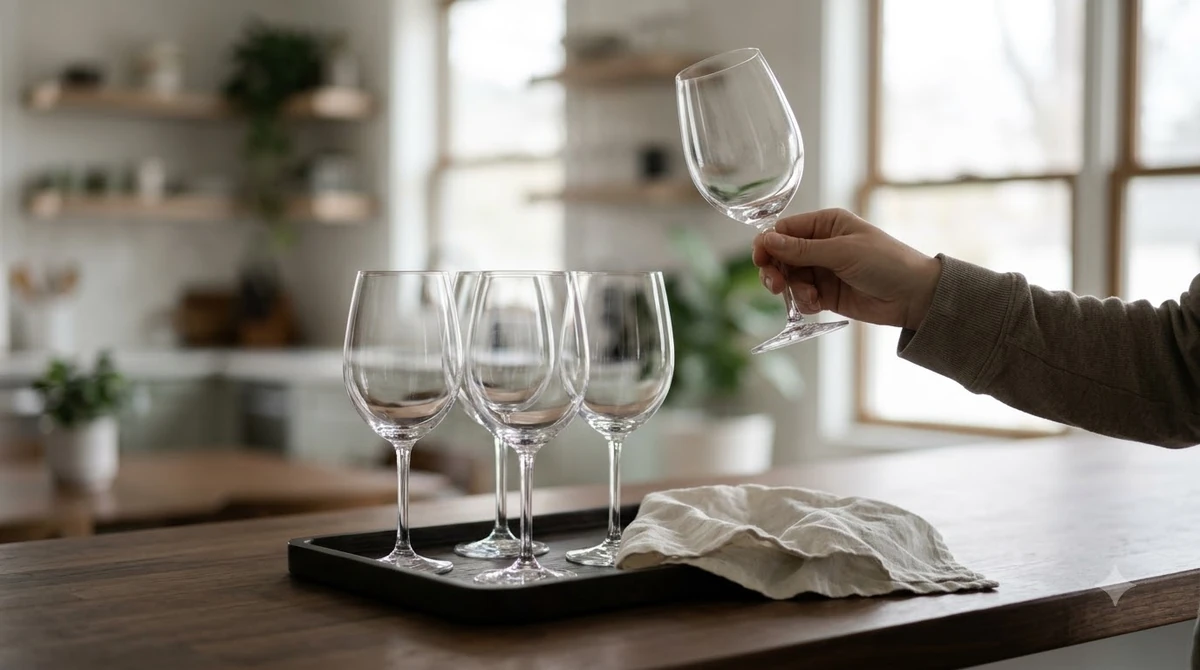
After washing, allow the glass to drain carefully or dry it with a clean, soft linen cloth. Hold the bowl securely rather than applying pressure to the stem. Polishing should remove water spots without forcing the glass into a twisting motion.
Although Josephinenhütte identifies the collection as dishwasher safe, machine washing introduces potential risks. Other dishes may shift, spray arms can contact glassware, and crowded racks create opportunities for impact. If using a dishwasher, make sure the glasses have enough separation and cannot touch other items during the cycle.
Storage deserves similar attention. Keep the glasses in a cabinet where they cannot knock against one another when doors open or shelves move. Avoid stacking them. A dedicated shelf or protective divider can reduce accidental contact between bowls and stems.
Temperature changes should also be gradual. Avoid pouring very hot liquid into a cold crystal glass or placing a recently washed glass directly into an extremely cold environment. These precautions are sensible for delicate glassware in general.
For wine service, match the glass to the wine rather than filling the bowl to its full capacity. A standard wine pour is approximately 5 ounces, even in the larger 800 ml No. 3. Leaving room in the bowl helps preserve space for swirling and collecting aromas.
Serving temperature also remains important. Light whites and rosés are generally served around 45 to 50 degrees Fahrenheit, full-bodied whites around 50 to 55 degrees, and light reds around 55 to 60 degrees. Sparkling wine is commonly served around 40 to 50 degrees. A carefully selected glass cannot compensate for wine served too warm or too cold.
Finally, understand the manufacturer’s warranty position before purchasing. Josephinenhütte’s support information states that it does not offer a guarantee or accept liability for damage caused during use. That makes careful handling and sensible storage especially important for owners.
With an appropriate cleaning routine and protected storage, Josephine glasses can be used regularly rather than reserved exclusively for special occasions. Their handmade character is most valuable when the glassware becomes part of the actual wine-drinking experience.
Frequently Asked Questions
Are Josephine wine glasses made in Germany?
Josephinenhütte states that its glasses are manufactured in carefully selected European glassmaking workshops. Its product information does not identify one single manufacturing country for every individual glass. Buyers should therefore distinguish the European manufacturing description from a claim that every piece comes from one specific country.
Who designed the Josephine glass collection?
The collection was designed by Kurt Josef Zalto. Josephinenhütte also clarifies that it has no business affiliation with Zalto Glas GmbH. The designer’s involvement should not be confused with common ownership or a shared retail and service operation between the two companies.
Are Josephine glasses suitable for serving spirits?
The main Josephine No. 1 through No. 4 collection is organized around white wine, universal wine, red wine, and Champagne. Josephinenhütte also offers separate glassware categories for drinks such as whisky and eau de vie. Buyers who regularly serve spirits should consider those dedicated designs rather than assuming every wine glass is intended for the same purpose.
Do Josephine glasses have identical bowl shapes?
No. The four main designs have different dimensions and capacities, and mouth-blown production also creates small variations between individual pieces. The No. 3 has an 800 ml capacity, compared with 450 ml for No. 1. Those differences are part of the collection’s intended design rather than manufacturing defects.
Can Josephine glasses be individually engraved?
Josephinenhütte’s customer support information states that individual engraving of its glasses and decanters is not currently available. Buyers seeking personalized gifts can instead investigate the manufacturer’s gift service, which offers a handwritten greeting card with eligible orders. This is a different service from permanently engraving the crystal.
Josephine wine glasses are an appealing choice for people who value mouth-blown craftsmanship, carefully differentiated wine shapes, and distinctive table presentation. No. 2 is the most sensible first purchase for versatility, while No. 1 and No. 3 make more focused choices for white- and red-wine enthusiasts. The collection is not necessarily the right fit for every budget or household, but buyers who appreciate delicate handmade glassware will find plenty to consider.
More in Wine Glasses
 Zwiesel Glas Champagne Flutes for Durable Everyday Sparkling WineUpdated Nov 20, 2026
 Vera Wang Crystal Wine Glasses: Design, Quality and Buying AdviceUpdated Nov 20, 2026
 West Elm White Wine Glasses: Compare Designs for Better Everyday Wine ServiceUpdated Nov 20, 2026
 Zalto Stemless Wine Glasses: Discover Their Distinctive DesignsUpdated Nov 20, 2026
 Viski Champagne Glasses That Match Your Style and Sparkling WineUpdated Nov 20, 2026
 Vista Alegre Decanter Review: Crystal Style and Wine ServiceUpdated Nov 20, 2026